 +86 18578756148
Leave Your Message
-
CONTACT NUMBER
-
 CONTACT NUMBER
 -
 CONTACT NUMBER
 -
 CONTACT NUMBER
-
 CONTACT NUMBER
In the rapidly evolving landscape of global commerce and urban development, the efficiency of heavy machinery dictates the pace of progress. At the very heart of this mechanical ecosystem lies the Bucket Cylinder—a critical hydraulic component that translates fluid power into immense mechanical force. Specifically tailored for Logistics and Land Moving, these cylinders are the unsung heroes facilitating the seamless operation of excavators, loaders, and material handlers. Without the precise articulation and unyielding strength provided by bucket cylinders, the modern supply chain and large-scale infrastructure projects would grind to an absolute halt.
The intersection of logistics and land moving represents a multi-trillion-dollar global industry. Today's commercial reality demands that machinery operates with zero unplanned downtime. In major logistics hubs, bulk material handlers rely on heavy-duty bucket cylinders to load and unload aggregates, ores, and agricultural products from cargo ships to freight trains. The sheer volume of material moved daily requires cylinders engineered with advanced metallurgy and state-of-the-art sealing technologies to prevent fluid leaks and pressure drops.
Furthermore, the land moving sector—encompassing site preparation, highway construction, and urban development—faces its own unique challenges. Contractors are operating under tighter deadlines and stricter environmental regulations. This has spurred a technological arms race in the manufacturing of construction machinery parts. High-quality bucket cylinders must now offer improved power-to-weight ratios, allowing excavators to move more earth per cycle while consuming less fuel. The economic implications are massive: a mere 5% increase in hydraulic efficiency can translate to millions of dollars saved in fuel and operational costs across a large fleet.
Accelerating bulk material transfer in international ports and rail yards.
Providing the raw breakout force required for urban excavation and grading.
Minimizing cycle times and maximizing payload capacity per scoop.
In maritime logistics, time is literally money. Bulk carrier ships holding tens of thousands of tons of materials must be unloaded swiftly to avoid exorbitant demurrage charges. Here, specialized material handlers equipped with massive clamshell buckets are deployed. The bucket cylinders in these machines operate in highly corrosive, salt-rich environments. They are subjected to continuous, high-frequency cycles. To survive these brutal conditions, modern bucket cylinders designed for port logistics utilize specialized anti-corrosion platings (such as nickel-chromium) on the cylinder rods and incorporate heavy-duty wiper seals to keep abrasive dust and salt out of the hydraulic fluid. The precision control afforded by these cylinders ensures that materials are transferred seamlessly from ship to hopper without spillage, optimizing the entire logistics chain.
Before any warehouse, distribution center, or logistics park can be built, the land must be conquered. Land moving requires excavators to break through compacted soil, rock, and clay. The bucket cylinder is responsible for the "breakout force"—the curling action of the bucket that rips material from the earth. In this scenario, the cylinder experiences extreme shock loads and pressure spikes. When a bucket tooth catches on a hidden boulder, the sudden resistance sends a massive shockwave through the hydraulic system. Premium bucket cylinders mitigate this through advanced cushioning mechanisms built into the cylinder ends, which decelerate the piston before it bottoms out, protecting both the cylinder and the excavator's structural linkage from catastrophic failure.
A rapidly growing sub-sector of logistics is reverse logistics and waste management. Grapple excavators and loaders are used to sort, crush, and move scrap metal, concrete, and industrial waste. Bucket cylinders in these applications are constantly exposed to falling debris. Manufacturers now design these cylinders with robust protective guards and utilize induction-hardened rods to resist dents and scratches from flying shrapnel. The reliability of these parts ensures that recycling facilities can maintain continuous throughput, which is vital for modern sustainable logistics operations.
The era of purely mechanical hydraulic systems is ending. We are entering the age of Smart Hydraulics. As AI and IoT (Internet of Things) technologies permeate the heavy machinery sector, bucket cylinders are becoming intelligent nodes within a larger digital ecosystem.
Modern bucket cylinders are increasingly being fitted with embedded sensors that monitor pressure, temperature, stroke position, and fluid condition in real-time. This data is transmitted to cloud-based AI algorithms that analyze patterns to predict failures before they occur. For a logistics company, knowing that a bucket cylinder seal is degrading two weeks before it actually blows allows for scheduled maintenance during off-peak hours, entirely eliminating costly unplanned downtime.
Advanced Materials and Manufacturing: To handle higher operating pressures (often exceeding 350 bar or 5000 psi), manufacturers are utilizing high-tensile forged steel and friction welding techniques. This allows for thinner cylinder walls, reducing the overall weight of the attachment. A lighter bucket cylinder means the excavator can allocate more of its lifting capacity to the actual payload, directly increasing land moving productivity.
Future Trend - Electrification and Eco-Hydraulics: As the logistics and construction industries push towards net-zero emissions, the machinery is changing. While fully electric actuators are being tested, the high power density required for heavy land moving means hydraulics will remain dominant. However, the trend is shifting towards Electro-Hydraulic actuators (EHA) and the use of biodegradable, eco-friendly hydraulic fluids. The internal design of bucket cylinders is being optimized to operate efficiently with these new fluids, ensuring minimal environmental impact in case of an accidental leak on a sensitive construction site.
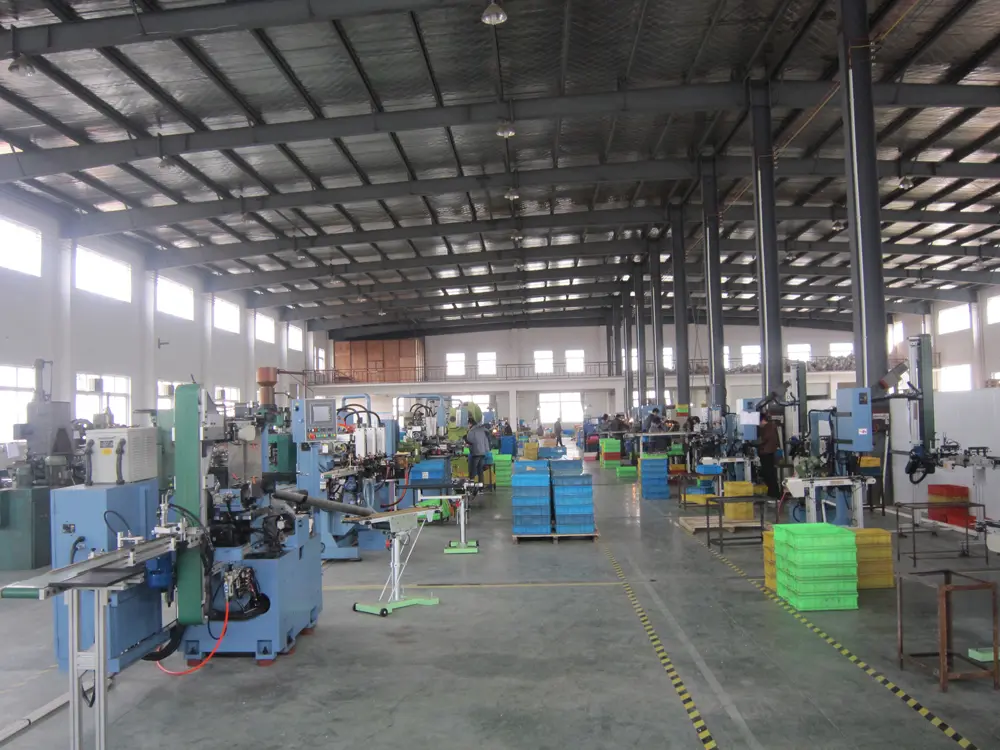
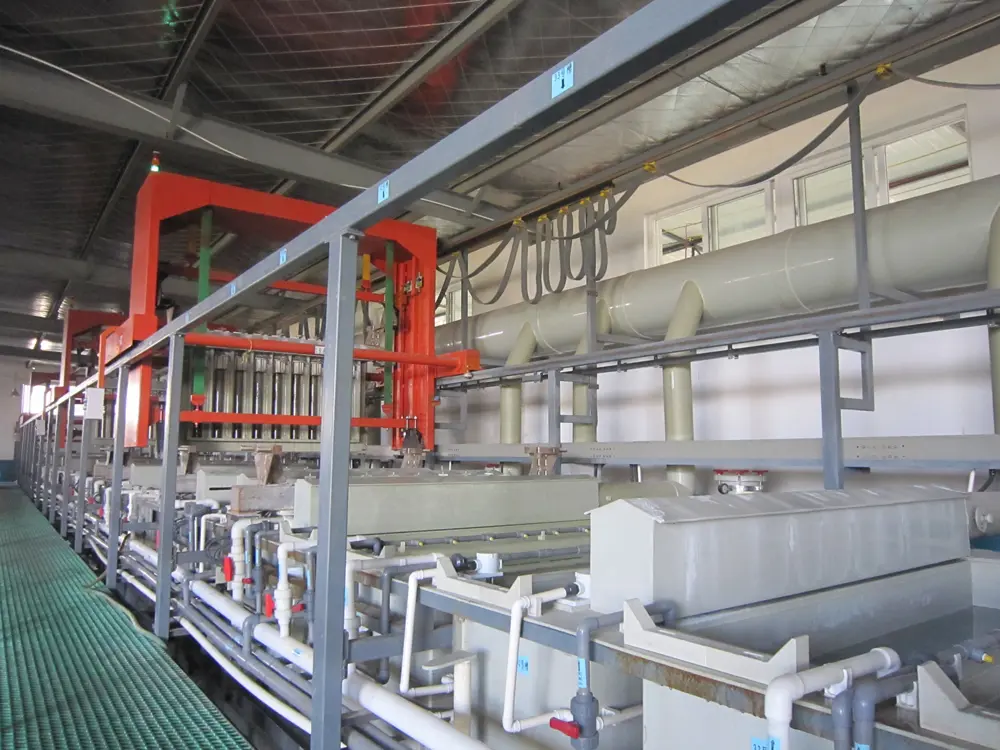
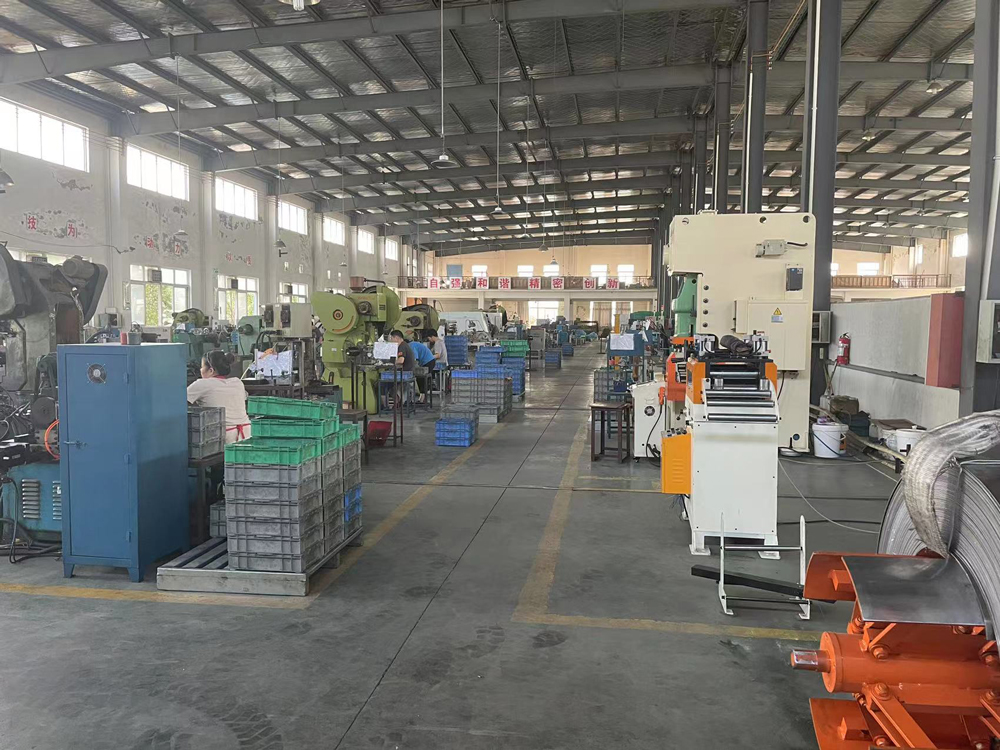
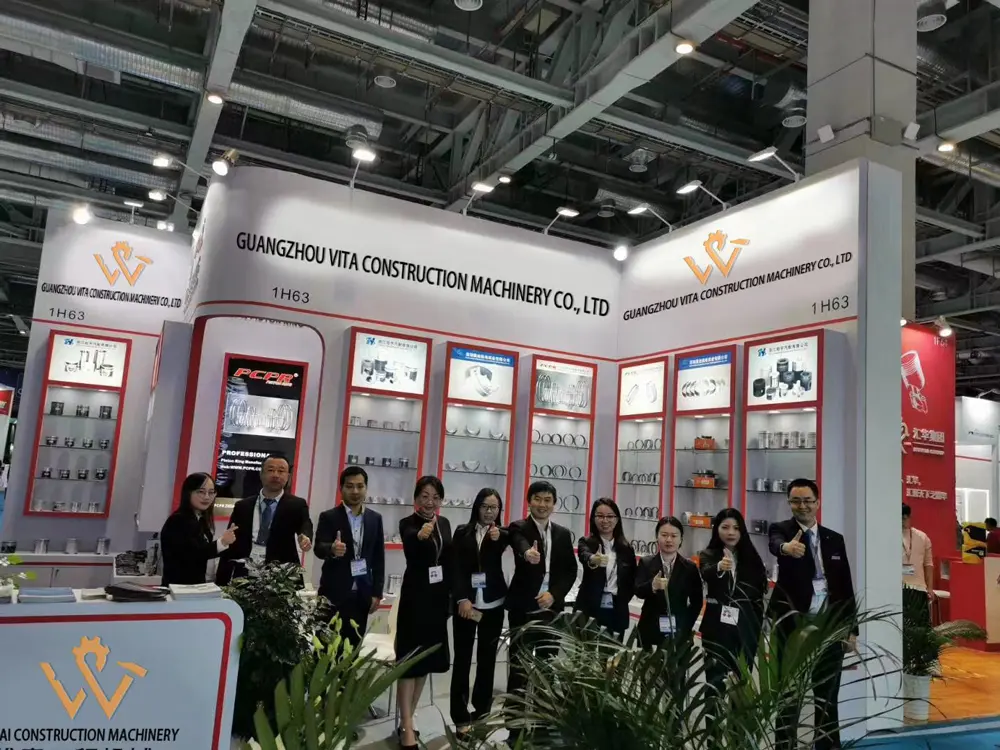
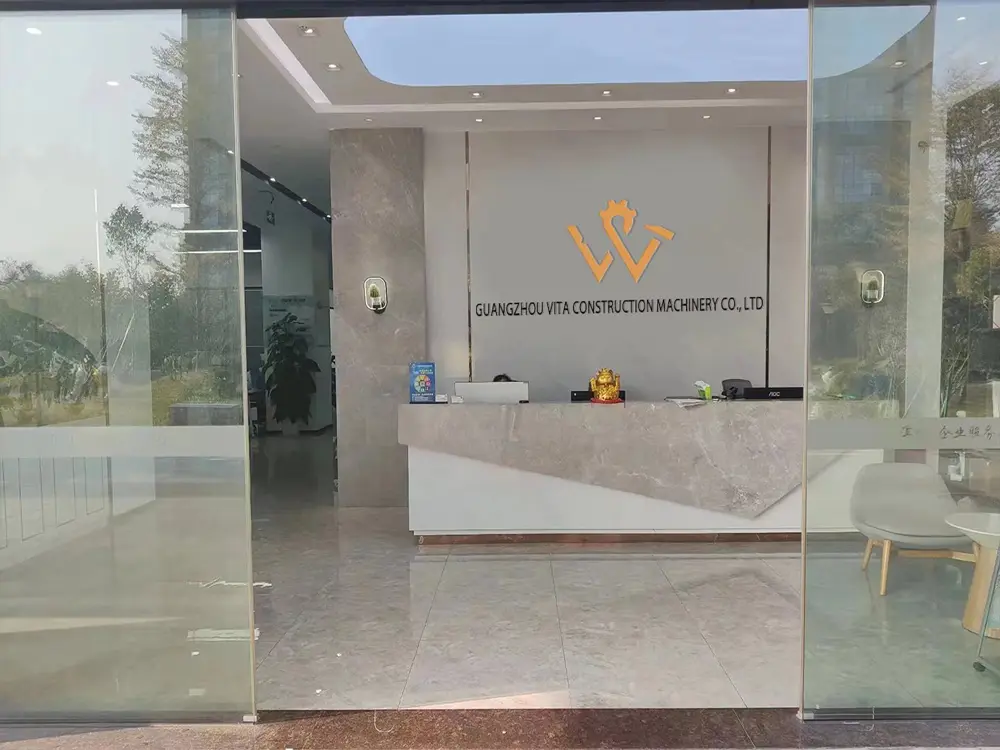
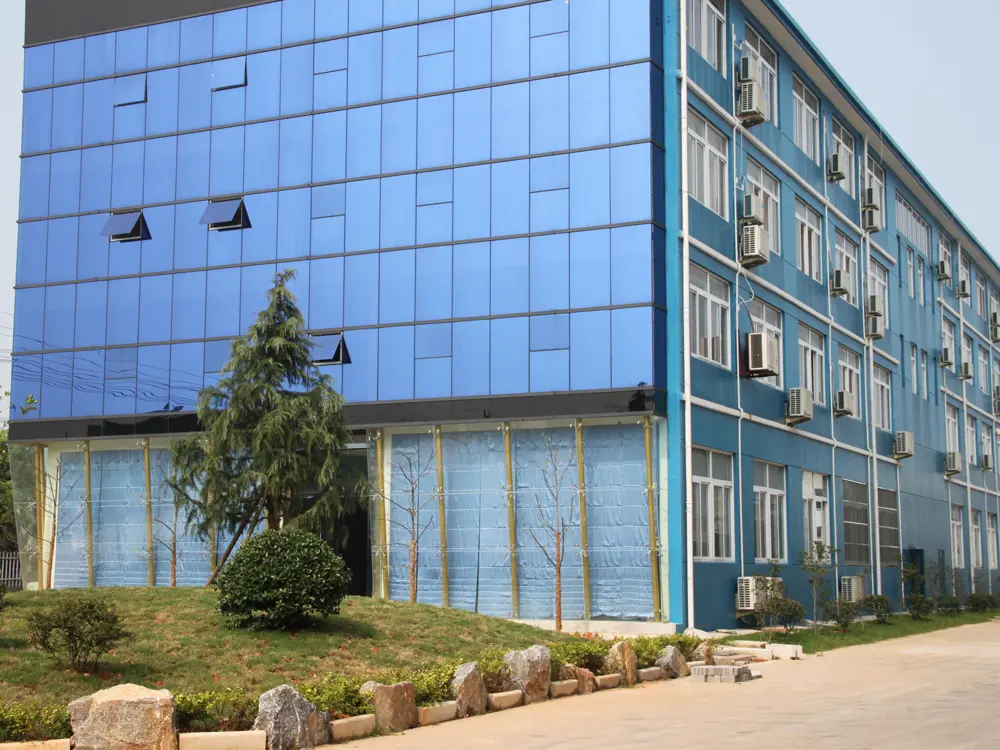
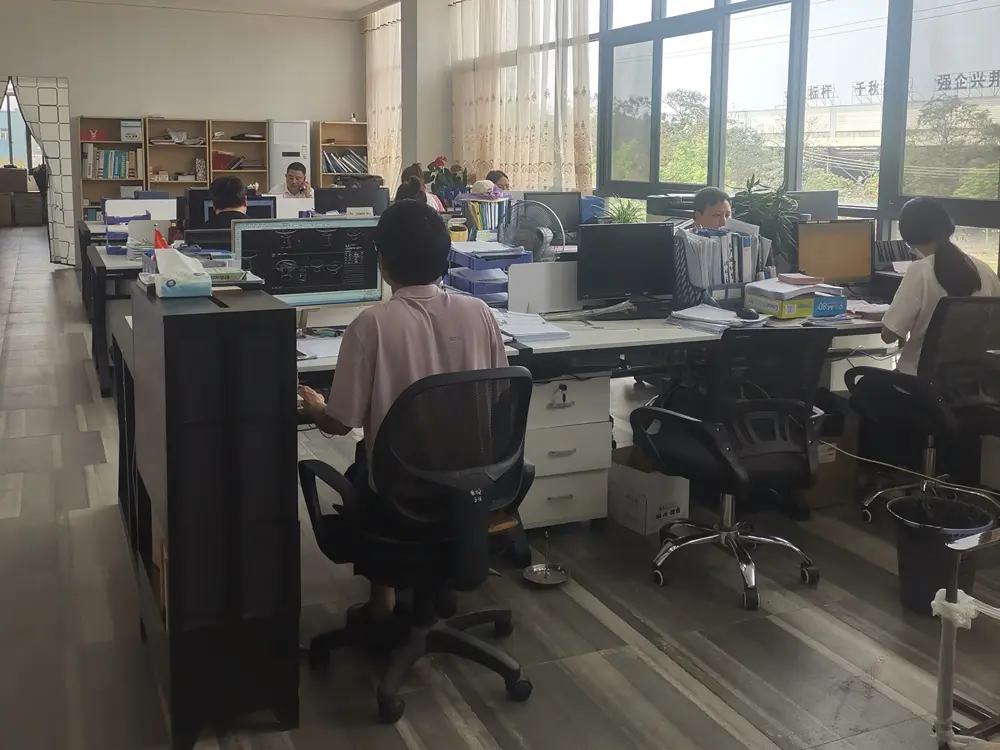
Guangzhou Vita Construction Machinery Co., Ltd. is one of the largest companies that seamlessly combines factory production and foreign trade. Positioned at the forefront of the industry, our factory is strategically located in Xiangyang City, Hubei Province. We boast a massive workshop spanning over 18,000 square meters, equipped with several advanced production machines. Our workforce of more than 278 well-trained, skilled workers, alongside around 8 experienced engineers, assures exceptional product quality as well as fast and accurate delivery for global logistics and land moving operations.
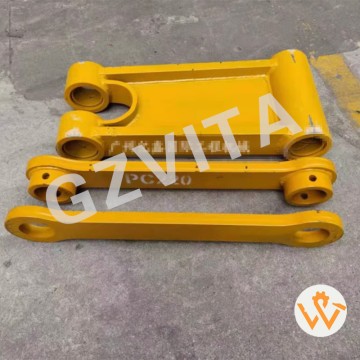
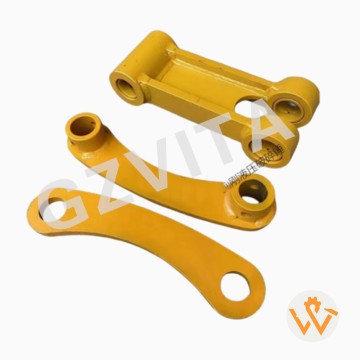
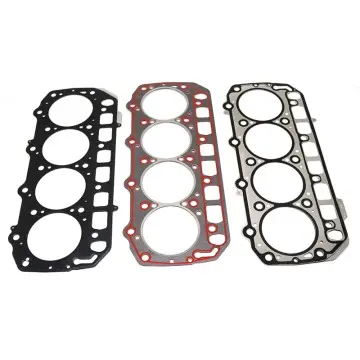
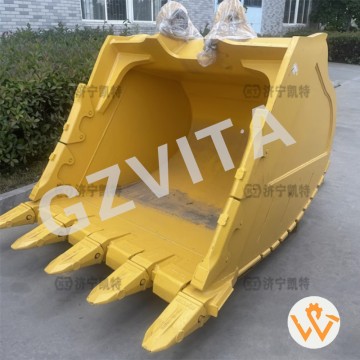
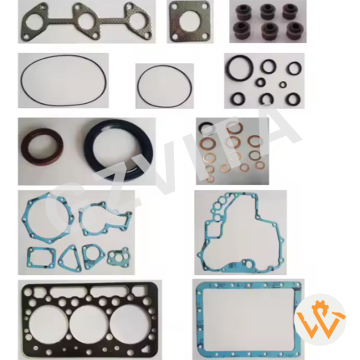
We specialize in producing, developing, and selling a comprehensive range of construction machinery parts perfectly suited for intense earthmoving and material handling. Our catalog includes engine assemblies, hydraulic pumps, final drives, electric generating sets, engine bearings, crankshafts, engine valves, gear pumps, cylinders, all kinds of filters, excavator buckets, and undercarriage parts. These serve as premium replacements for renowned brands including Komatsu, Volvo, Sumitomo, Caterpillar, Kubota, Hitachi, John Deere, Kobelco, Hyundai, Kato, Sany, XCMG, SUNWARD, and more.
In the fast-paced world of construction and logistics, the reliability of your machinery makes or breaks a project. We provide top-notch parts to keep your equipment running smoothly under heavy loads.
Beyond supplying parts, we have set up an engine maintenance development sector. We assist clients in solving complex technical problems encountered during operation and assembly.
Our professional maintenance team can be dispatched internationally at the customer's request, providing on-site repair and technical support to ensure minimal operational disruption.
Take a glimpse into our state-of-the-art manufacturing facilities where precision engineering meets large-scale production capability.