 +86 18578756148
Leave Your Message
-
CONTACT NUMBER
-
 CONTACT NUMBER
 -
 CONTACT NUMBER
 -
 CONTACT NUMBER
-
 CONTACT NUMBER
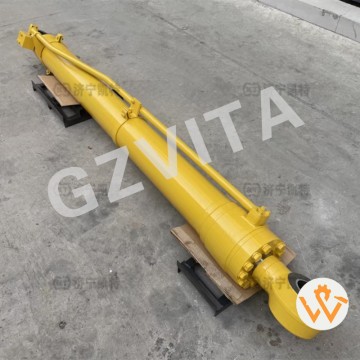
The global transportation network relies heavily on the continuous, safe, and efficient operation of railway systems. Maintaining these extensive networks requires highly specialized equipment, commonly referred to as Railway Maintenance Machinery (RMM). At the very heart of the articulating and excavating functions of these colossal machines is the Bucket Cylinder for Railway Maintenance Machinery. This hydraulic component is not merely a standard industrial cylinder; it is a meticulously engineered actuator designed to withstand the extreme dynamic loads, severe vibrations, and abrasive environments inherent to railway track construction, ballast management, and sleeper replacement.
A bucket cylinder functions by converting hydraulic fluid pressure into immense linear mechanical force. In the context of railway maintenance, this force is utilized to articulate the buckets of road-rail excavators, ballast undercutters, and ditching machines. The operational environment on a railway track is exceptionally harsh. Equipment is constantly exposed to metallic dust from rail grinding, abrasive silica from granite ballast, and extreme weather conditions. Therefore, the bucket cylinder must be manufactured with high-tensile steel alloys, induction-hardened chrome-plated rods, and advanced polyurethane sealing systems to prevent fluid leakage and internal contamination. Failure of a bucket cylinder on a live rail line can lead to catastrophic project delays, immense financial losses, and severe safety hazards, underscoring the necessity for premium, ultra-reliable hydraulic components.
The commercial landscape for railway maintenance machinery and its hydraulic components is experiencing unprecedented growth. As governments worldwide invest trillions of dollars into expanding high-speed rail networks, upgrading aging freight lines, and implementing urban light rail transit systems, the demand for robust maintenance equipment has skyrocketed. The bucket cylinder market within this niche is transitioning from a commodity-based procurement model to a highly technical, performance-driven sector.
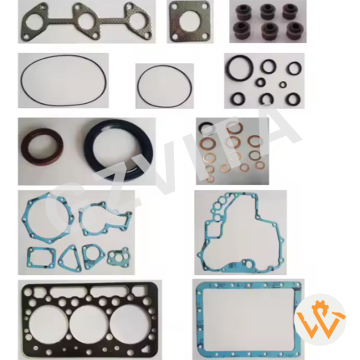
Industrially, the standard for a Bucket Cylinder for Railway Maintenance Machinery has evolved. Original Equipment Manufacturers (OEMs) such as Komatsu, Caterpillar, Hitachi, and specialized rail-equipment brands are demanding hydraulic cylinders that offer longer service intervals and higher power density. The shift towards mechanized and automated track maintenance—moving away from manual labor—means that a single road-rail excavator must perform the work of dozens of operators. Consequently, the bucket cylinder must operate continuously under peak loads without thermal degradation of the hydraulic fluid or seal failure. Furthermore, the aftermarket replacement sector is robust, with construction companies seeking premium OEM-equivalent parts that offer cost-effectiveness without compromising on safety or operational integrity. This has led to advancements in specialized seal kits, reinforced cylinder barrels, and standardized mounting configurations to ensure rapid field replacements during tight railway possession windows.
The expansion of high-speed rail networks requires millimeter-precision track maintenance, demanding bucket cylinders with zero-drift hydraulic valving and absolute control.
Manufactured to endure abrasive ballast dust and high-frequency vibrations, utilizing induction-hardened rods and multi-stage sealing mechanisms.
Global infrastructure investments are driving a compound annual growth rate in specialized hydraulic components for heavy-duty rail machinery.
Understanding the application of the Bucket Cylinder for Railway Maintenance Machinery requires a deep dive into the specific tasks performed on the tracks. These cylinders are integral to several highly specialized operations:
1. Ballast Undercutting and Excavation: Over time, the crushed stone (ballast) beneath railway tracks becomes fouled with dirt, coal dust, and debris, losing its ability to drain water and support the track. Ballast undercutters and road-rail excavators use specialized buckets to dig out this fouled material from beneath the sleepers without removing the rails. The bucket cylinder provides the immense breakout force required to penetrate highly compacted, interlocking granite stones. The cylinder must absorb severe shock loads as the bucket teeth strike immovable objects or highly consolidated track beds.
2. Sleeper (Tie) Replacement and Handling: Modern rail maintenance utilizes specialized attachments like sleeper changers or tie grapples mounted on excavators. The bucket cylinder (often functioning as the primary articulating actuator for these attachments) must offer extreme precision. Operators must slide heavy concrete or wooden sleepers into exact positions beneath the rails without damaging the track geometry. This requires a bucket cylinder with exceptional proportional control and minimal hydraulic hysteresis.
3. Ditching and Drainage Maintenance: Proper drainage is critical to track stability. Road-rail excavators equipped with ditching buckets clear vegetation, silt, and debris from trackside drainage trenches. The bucket cylinder in this application operates continuously over long distances, requiring excellent thermal dissipation properties to prevent hydraulic fluid from overheating during prolonged, repetitive cycling.
4. Embankment Stabilization and Material Handling: When repairing track washouts or stabilizing embankments, heavy materials such as riprap, gabion baskets, and structural fill must be placed accurately. The bucket cylinder bears the brunt of these heavy lifting and dumping cycles, necessitating robust trunnion mounts, heavy-duty spherical bearings, and reinforced cylinder heads to prevent structural deformation.
The future of the Bucket Cylinder for Railway Maintenance Machinery is inexorably linked to the rise of Artificial Intelligence (AI), the Internet of Things (IoT), and advanced material sciences. The industry is rapidly moving towards "Smart Cylinders." These next-generation hydraulic actuators are embedded with linear position sensors (such as magnetostrictive transducers) and pressure transducers. By feeding real-time data into the machinery's onboard AI computers, the system can automate complex grading and excavation profiles, ensuring the track bed is prepared to exact geometric specifications without relying solely on operator skill.
Predictive maintenance is another transformative trend. In the past, bucket cylinders were replaced either on a rigid time schedule or after a catastrophic failure. Today, IoT-enabled sensors monitor fluid bypass rates, vibration signatures, and temperature fluctuations within the cylinder. AI algorithms analyze this data to predict seal wear or impending rod failure weeks before it occurs. This allows railway contractors to replace the bucket cylinder during scheduled downtime, entirely eliminating costly unplanned track closures.
Furthermore, environmental sustainability is driving changes in hydraulic design. There is a strong push towards using biodegradable hydraulic fluids in railway maintenance to prevent soil and water contamination in the event of a hose burst or seal failure. Bucket cylinders are being redesigned with specialized polymer seals—such as advanced PTFE and custom polyurethane blends—that are chemically compatible with these eco-friendly fluids while still maintaining high-pressure integrity under extreme operational conditions. Additionally, advancements in laser cladding and plasma-transferred arc welding are replacing traditional hard chrome plating on cylinder rods, offering superior corrosion resistance and significantly reducing the environmental impact of the manufacturing process.
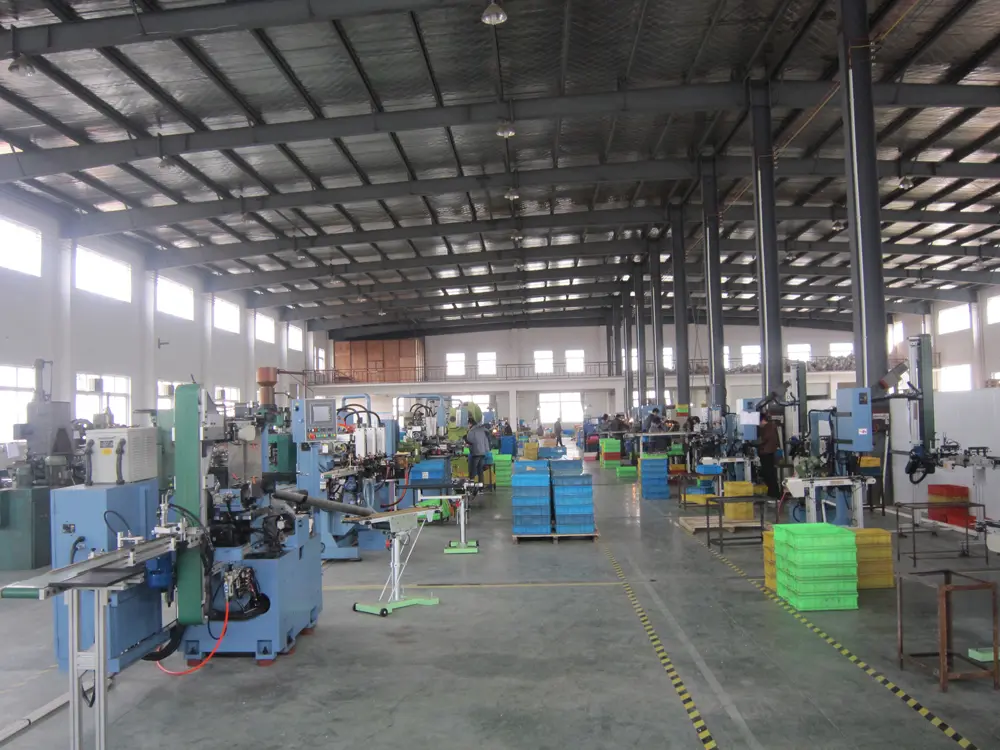
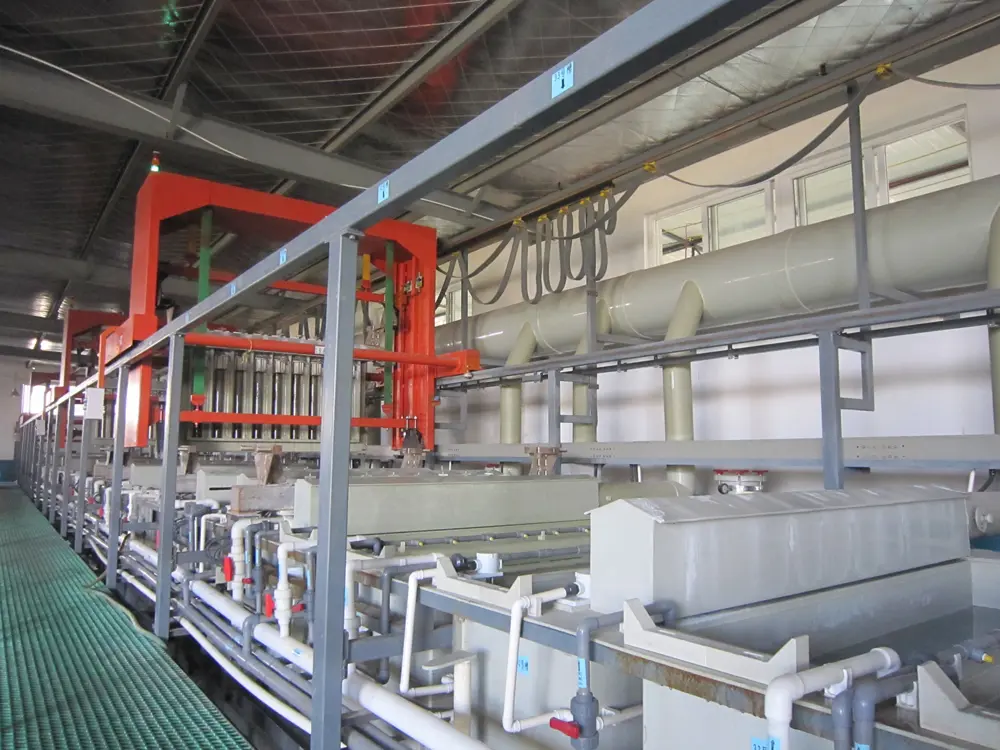
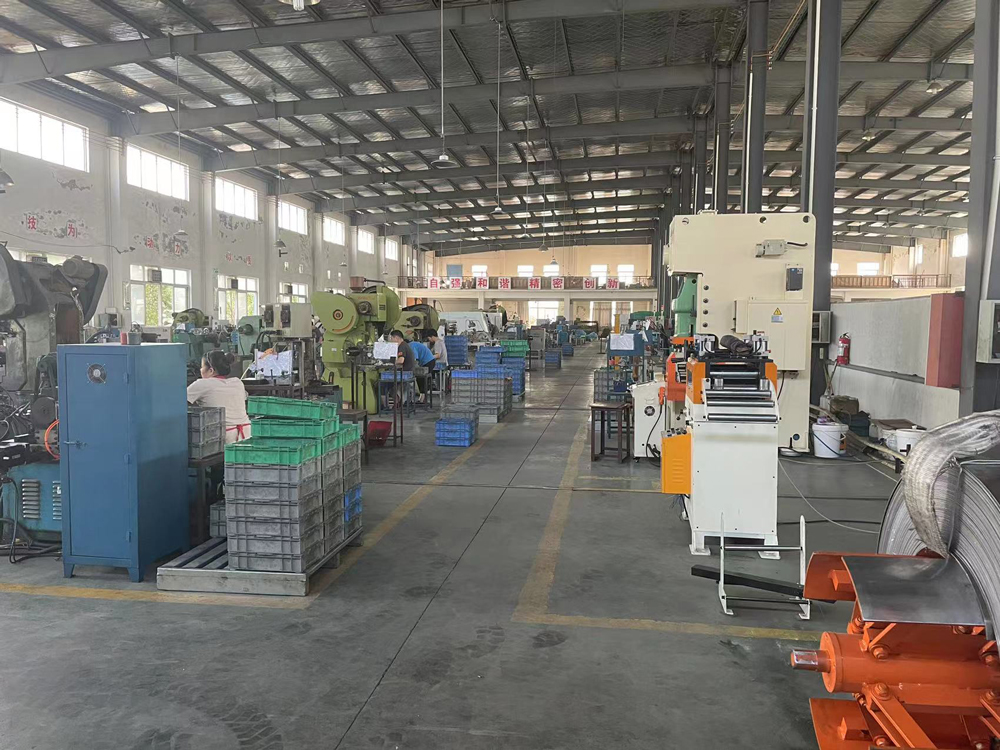
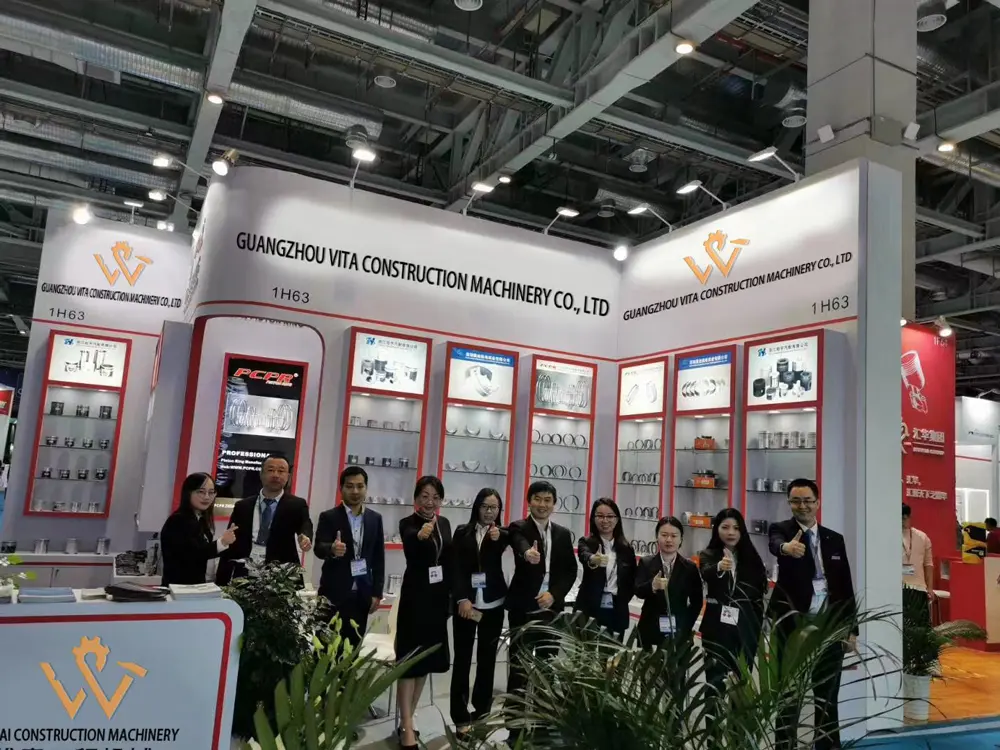
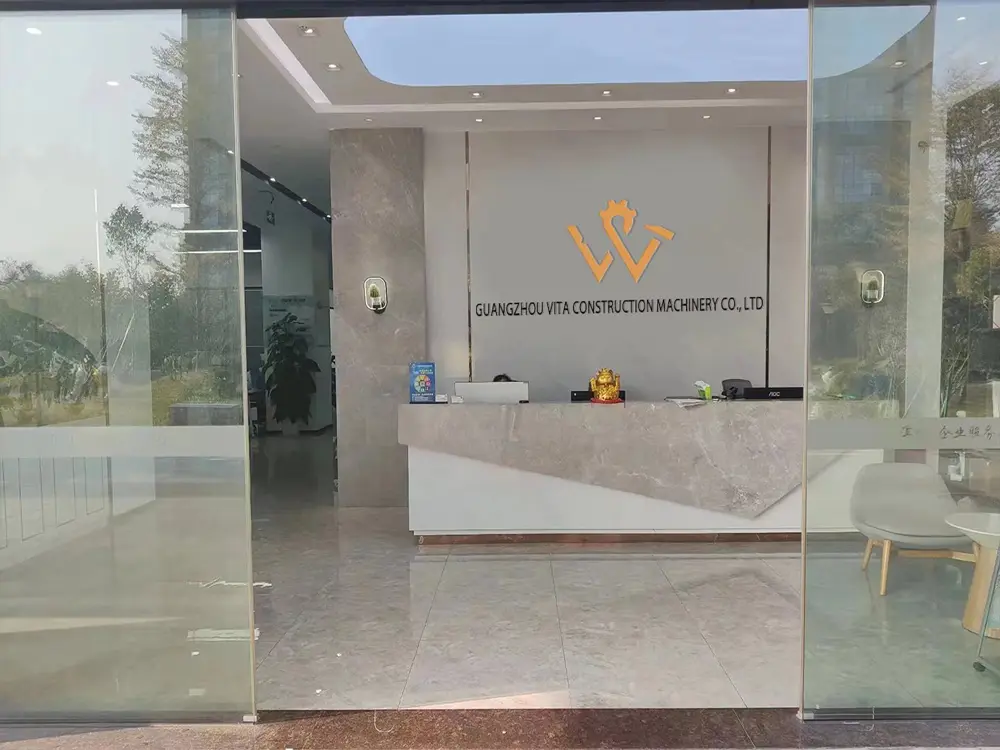
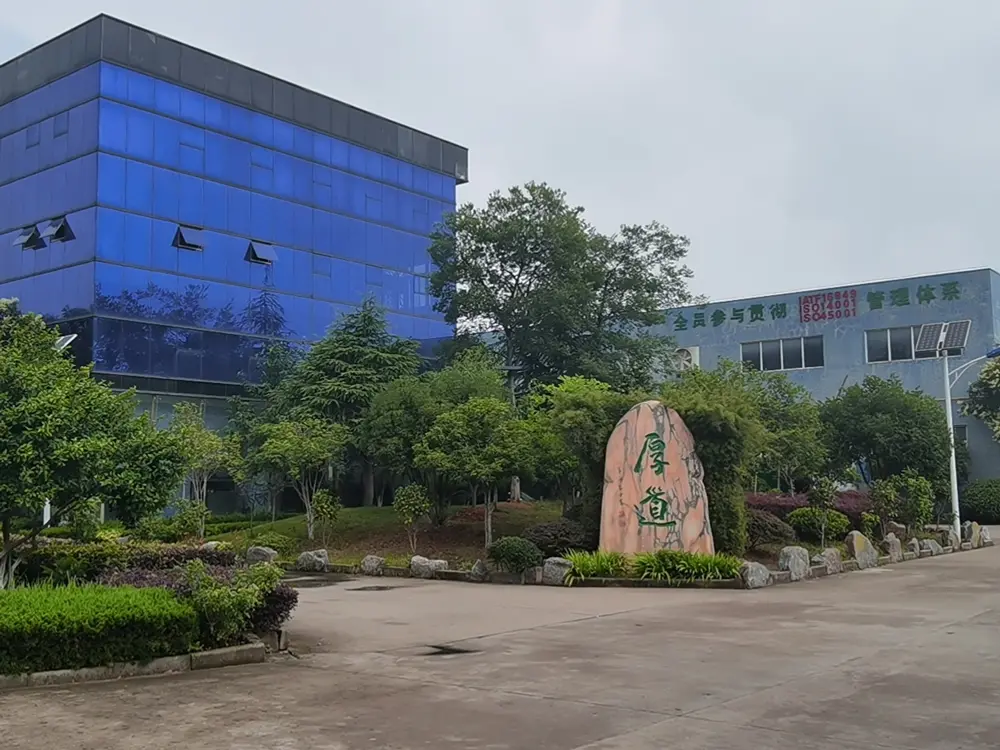
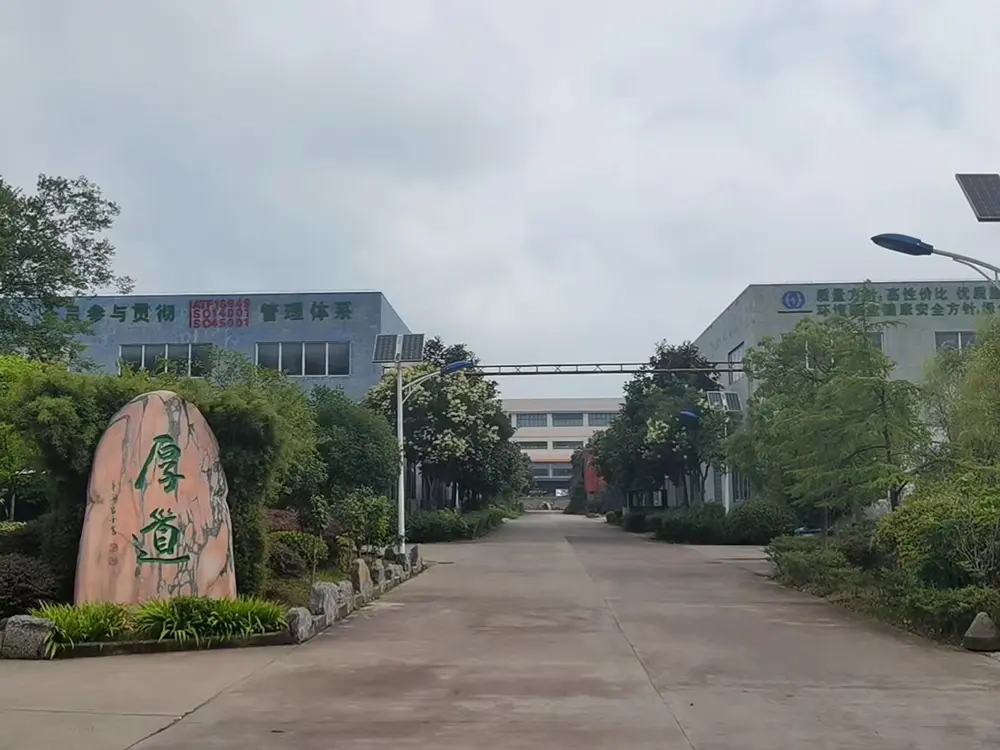
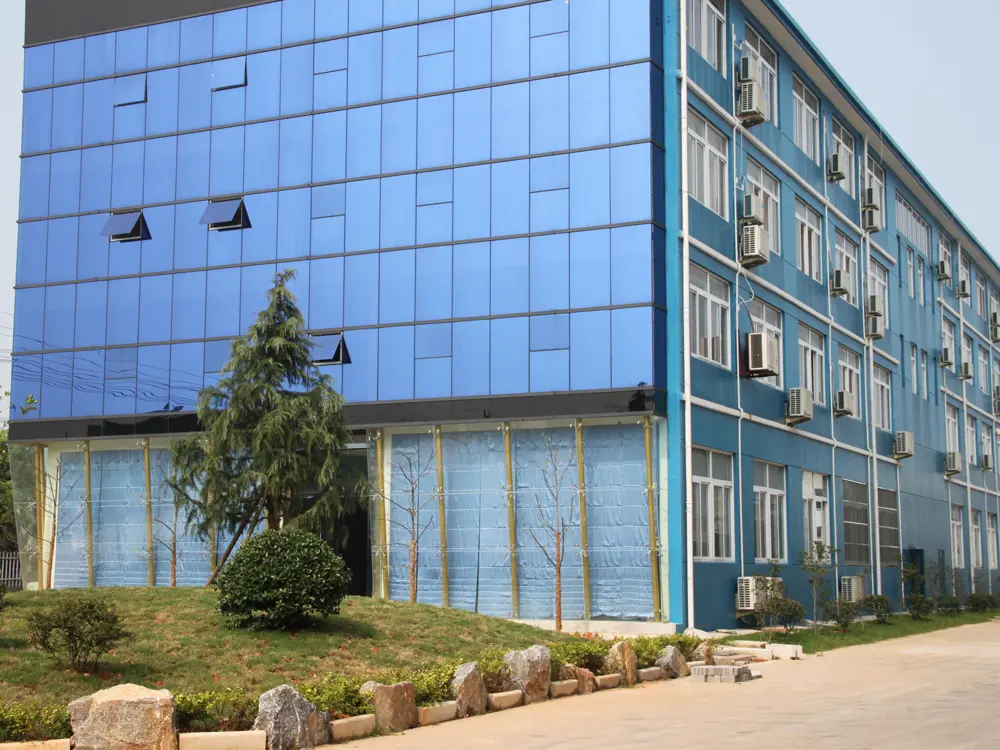
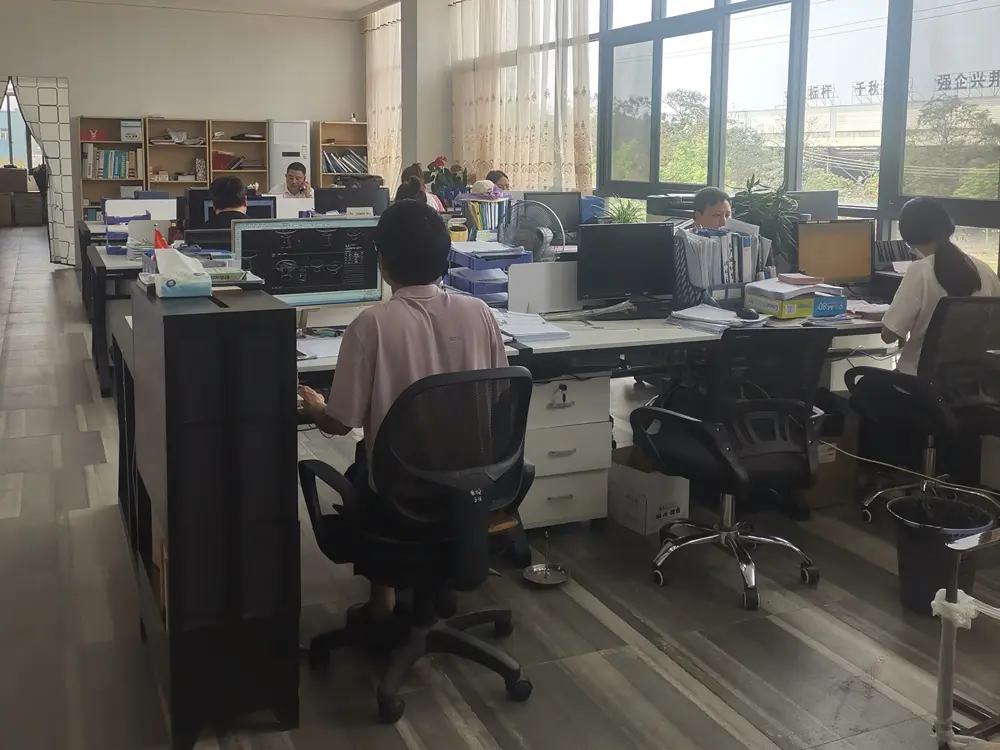
Guangzhou Vita Construction Machinery Co., Ltd. is one of the largest company that combines factory and foreign trade. The factory is located in Xiangyang City, Hubei Province, there are more than 18,000 square meters workshop with several advanced production machines, more than 278 well trained and skilled workers and around 8 experienced engineers assure the good product quality as well as fast and accurate delivery.
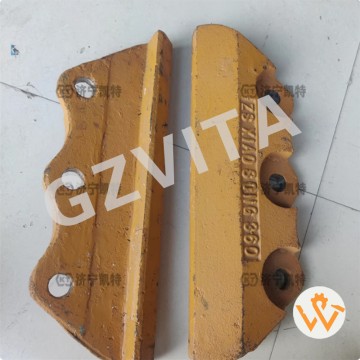
We specialize in producing, developing and selling the whole range of construction machinery parts. Such as engine assembly, hydraulic pump, final drive, electric generating set, engine bearing (Main bearings con Rod Bearing series), crankshafts, engine valves, gear pumps, cylinder, all kinds of filters, excavator bucket, undercarriage parts for excavator and bulldozer... which are used as replacement of many type of machines, the brand include Komatsu, Volvo, Sumitomo, Caterpillar, Kubota, Hitachi, John Deere, Kobelco, Hyundai, Kato, Sany, XCMG, SUNWARD, and other well-know brands.
In the fast-paced world of construction, the reliability and efficiency of your machinery can make or break a project. We understand that high-quality parts are essential for optimal performance. So we aims to provide top-notch construction machinery parts to make customer's machinery running smoothly.
To improve our service, we set up engine maintenance development. In addition to providing customers with engine assemblies, we can also help customers solve various technical problems encountered in the operation and assembly of engines.
We have our own professional maintenance team and can even be invited by customers to arrange for maintenance technicians to go abroad to help customers repair engines.
State-of-the-art facilities ensuring precision manufacturing for all railway maintenance machinery components.