Leave Your Message
Products Categories
Featured Products

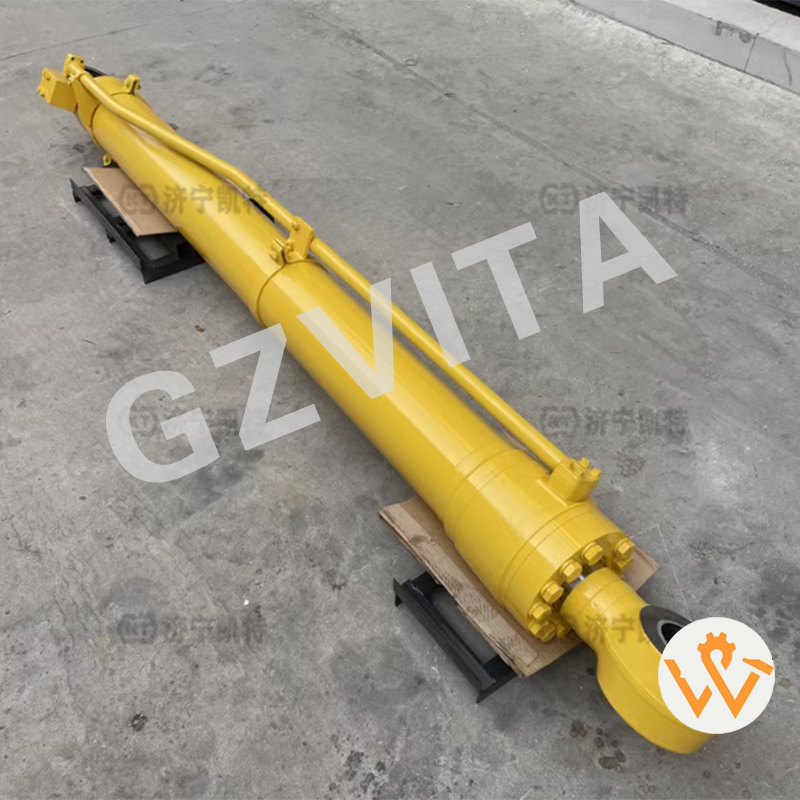
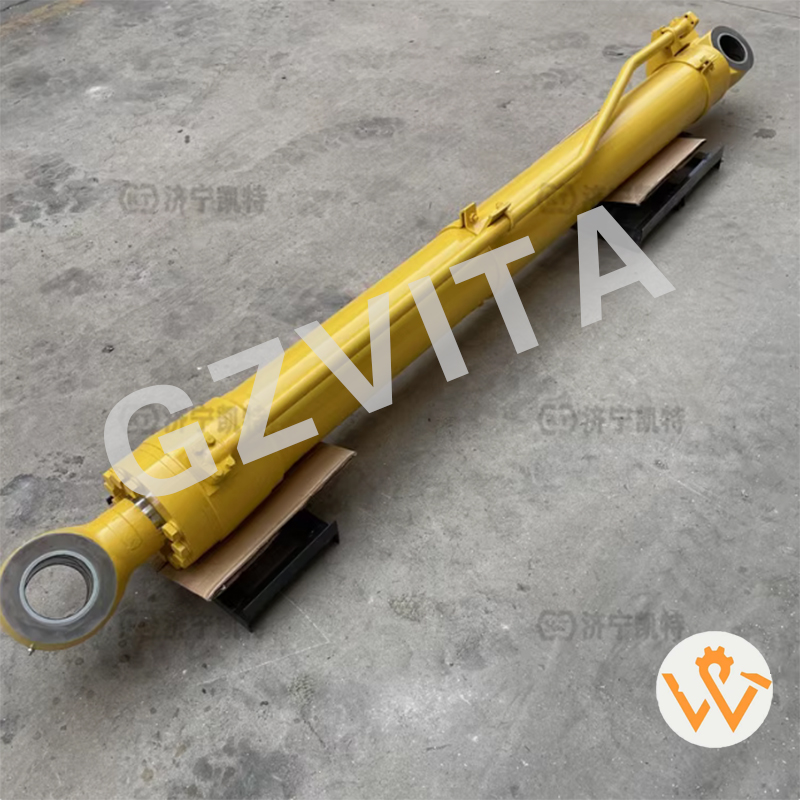
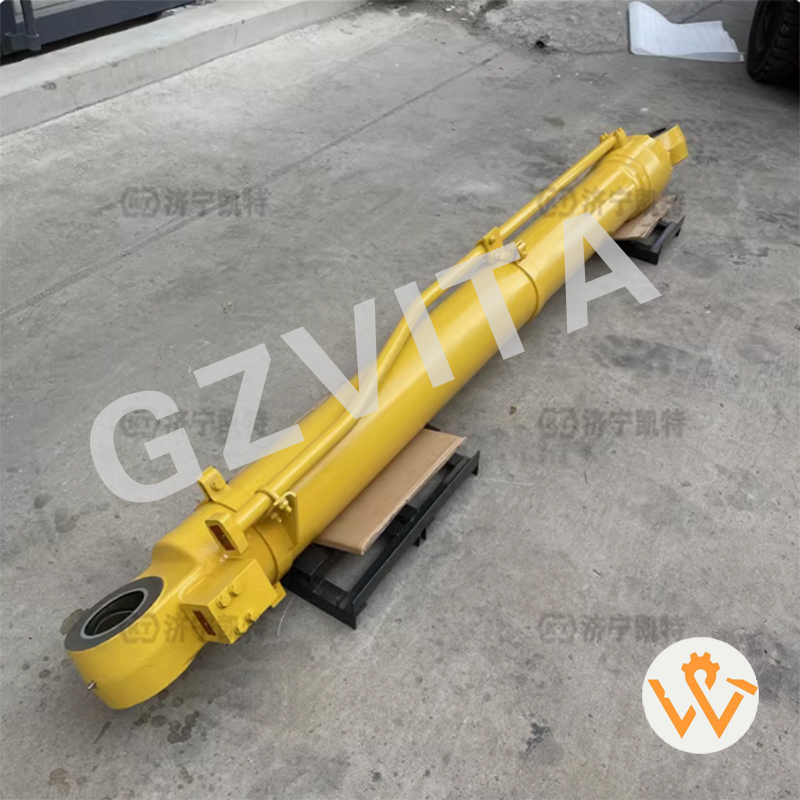
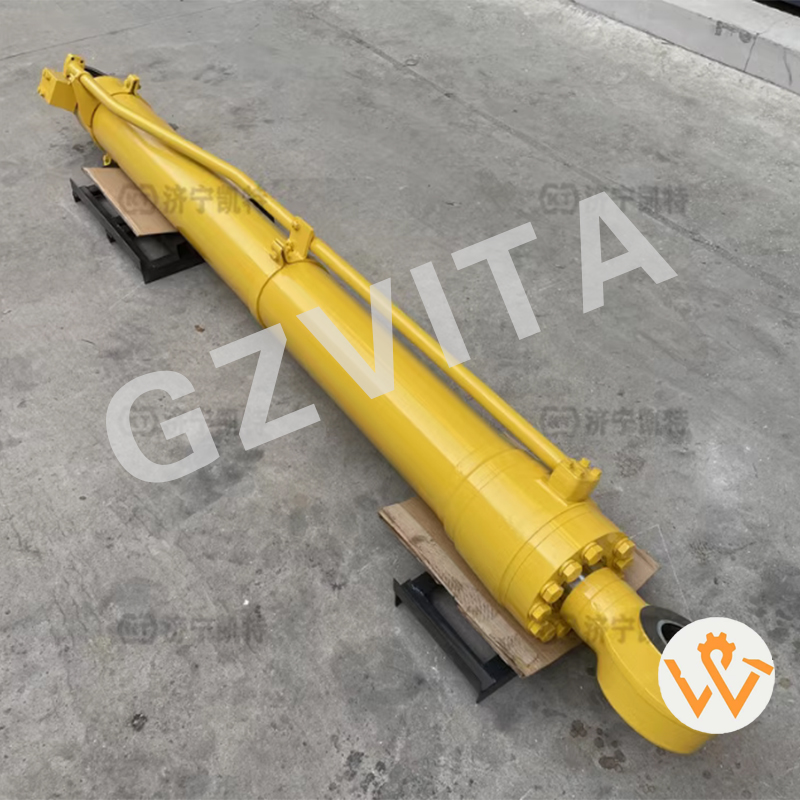
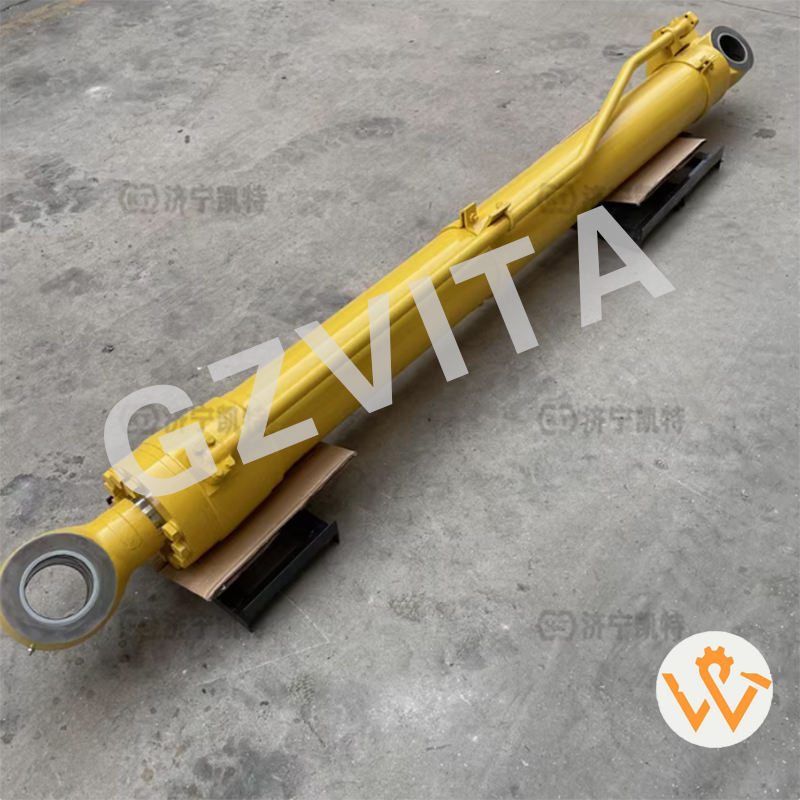
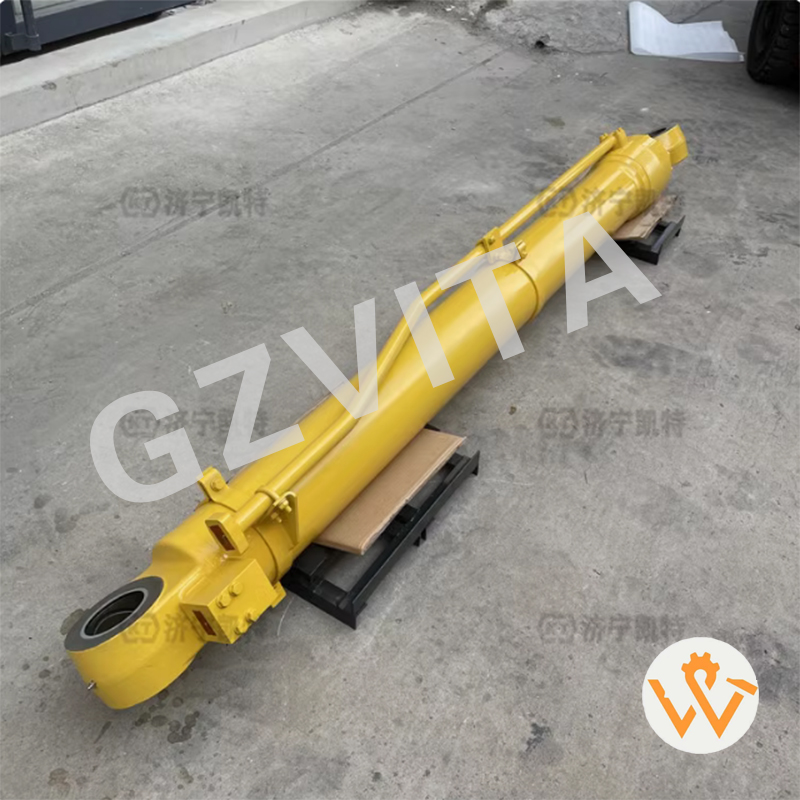
PC300-7 PC350-7 PC360-7 Arm Cylinder Assembly Second Arm Stick Cylinder Assembly Part Numbers 707-01-XX021 707-01-XX020 707-01-XZ982 707-01-XZ98

Arm extension and retraction – Primary function for moving the arm.

Digging force application – Generates force for digging and pulling material.

Load control – Manages the weight and position of the bucket and load.

Reach control – Determines the horizontal reach distance of the bucket.

Digging depth control – Controls the vertical depth of the bucket during digging.

Trenching operation – Essential for precise trench digging and profiling.

Lifting assist – Assists the boom in lifting operations by positioning the load.

Grade finishing – Provides fine control for final grading and leveling.

Crowd force generation – Creates the inward (crowd) force for loading.

Load positioning – Precisely positions the bucket for dumping or placing material.

Reach adjustment – Adjusts the working radius without moving the machine.

Parallel crowd function – Maintains bucket angle during arm movement (if equipped).

Breakout force contribution – A major source of the machine's breakout force.

Arm float function – Allows the arm to follow ground contours (with control valve).

Stability adjustment – Shifts the machine's center of gravity during operation.

Shock absorption – Hydraulic cushions absorb shocks from digging impacts.

Precise movement control – Enables smooth and accurate arm operation.

Cycle time optimization – Fast arm movement speeds up digging cycles.

Material handling – Used in lifting and placing pipes, rocks, or other objects.

Slope working adaptation – Adjusts arm angle for working on slopes.

Truck loading efficiency – Positions bucket accurately over trucks for loading.

Ditch cleaning – Extends and retracts for cleaning and shaping ditches.

Foundation work – Essential for excavating foundations and footings.

Demolition assistance – Positions bucket or attachment for demolition tasks.

Pressure holding – Holds position against load when controls are neutral.

Safety function &ndash– Maintains arm position in case of hydraulic system failure.

Operator control feedback – Provides feel and resistance for precise operation.

Power mode implementation – Hydraulic flow/pressure affects its speed and force.

Attachment compatibility – Works with various attachments (grapple, hammer, etc.).

Overall productivity determinant – Its power and speed are key to machine output.

    How to choose the correct Fuel Pressure Sensor Assembly?

    Choosing the correct Common Rail Pressure Sensor for an excavator involves several important steps. Here’s a guide to help you make the right choice:

    Identify the Make and Model: Start by identifying the make, model, and year of the excavator. Different models may have different specifications for sensors.

    Check the Engine Specifications: The Common Rail Pressure Sensor is often specific to the engine type. Check the engine model and specifications, as the sensor must be compatible with the engine’s fuel system.

    Consult the Service Manual: Refer to the excavator’s service manual or technical documentation. This will provide detailed information about the required sensor specifications, including part numbers.

    OEM vs. Aftermarket:

    Decide whether you want to use an Original Equipment Manufacturer (OEM) part or an aftermarket part. OEM parts are typically more reliable but can be more expensive. Aftermarket parts may offer cost savings but ensure they meet quality standards.

    Check Connector Type and Pin Configuration:

    Ensure that the connector type and pin configuration of the sensor match the existing wiring harness in the excavator. Mismatched connectors can lead to installation issues.

    Pressure Range and Specifications:

     Verify the pressure range and specifications of the sensor. It should match the operational requirements of the common rail system in the excavator.

    Quality and Reliability:

    Look for sensors from reputable manufacturers known for quality and reliability. Reading reviews and seeking recommendations can help.

    Warranty and Support:

     Check if the sensor comes with a warranty and what kind of customer support is available. This can be important if you encounter issues after installation.

    Leave Your Message