Leave Your Message
Products Categories
Featured Products

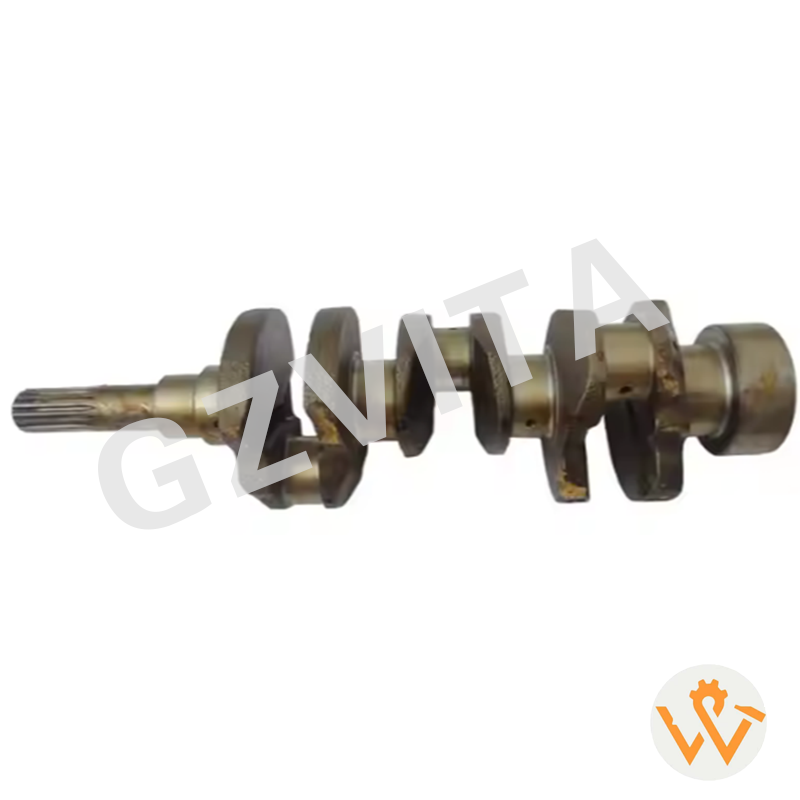
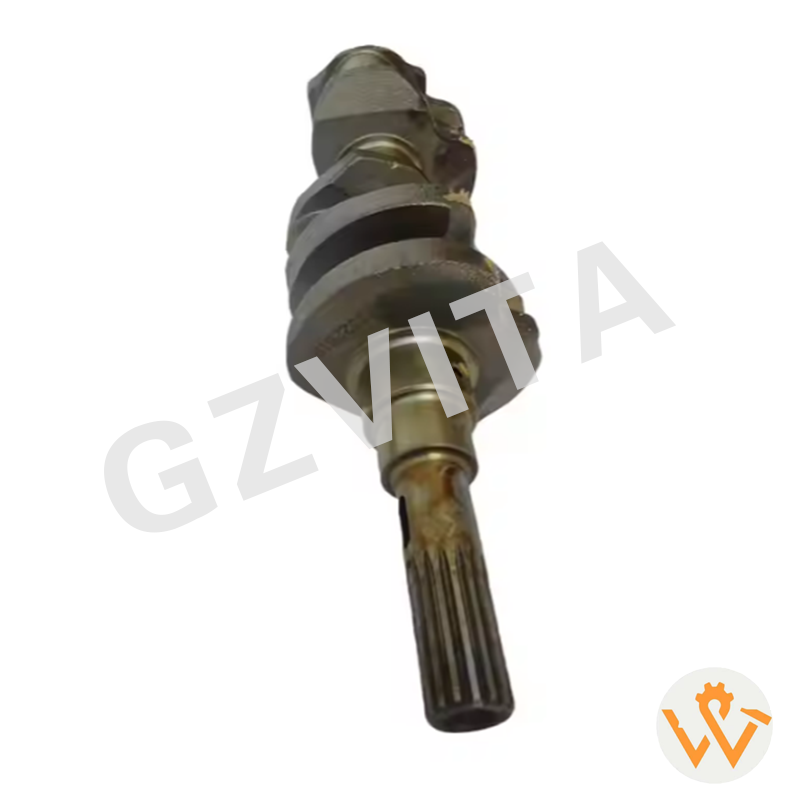
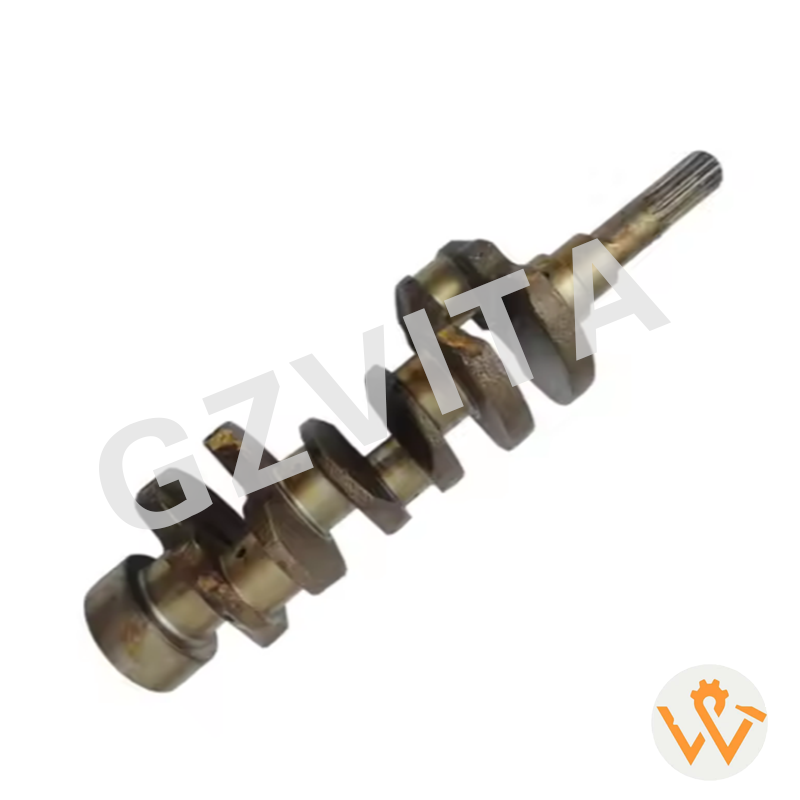
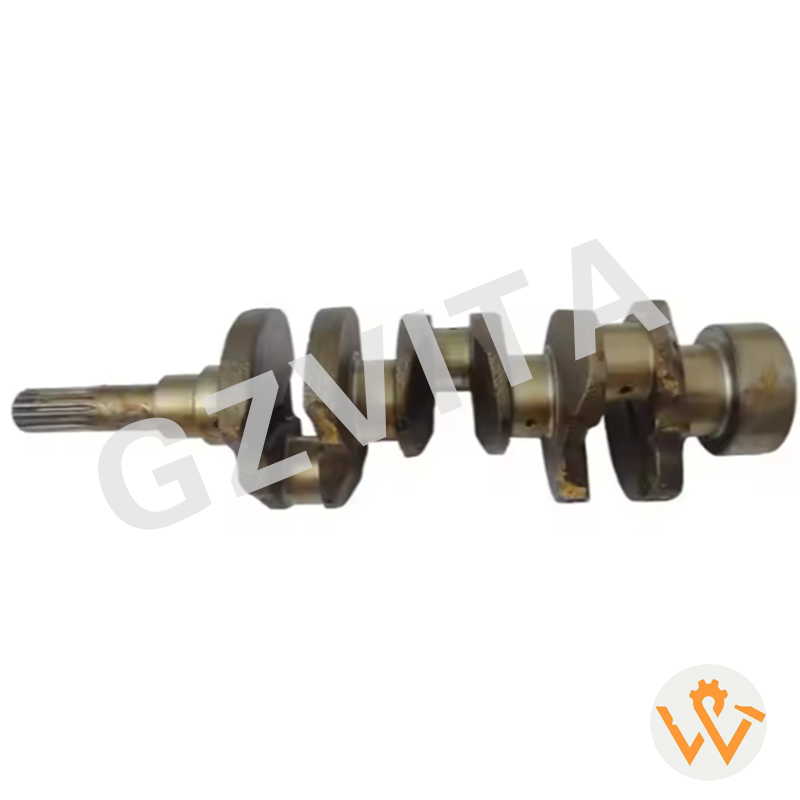
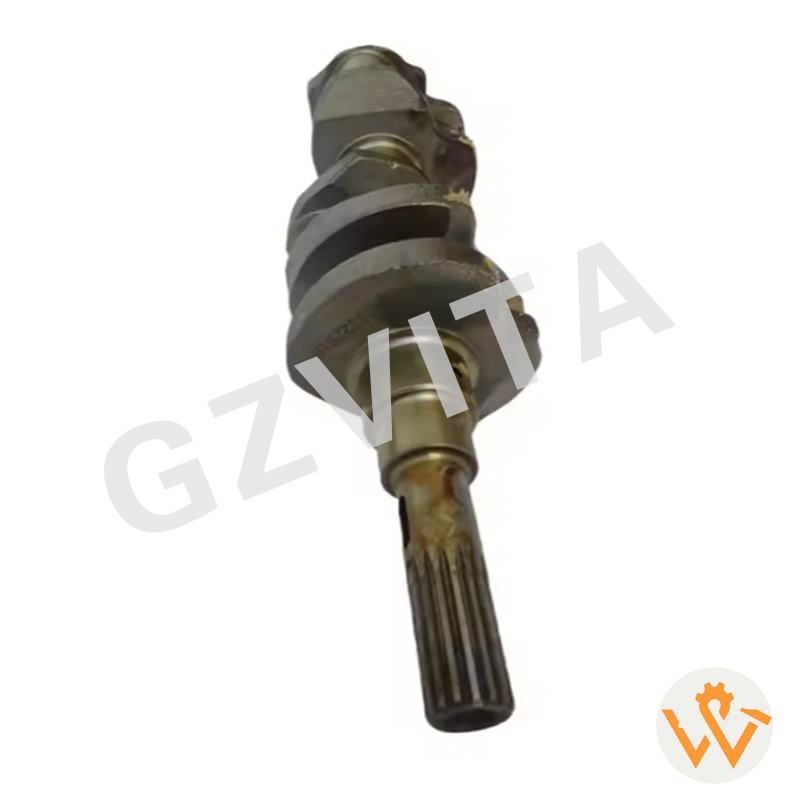
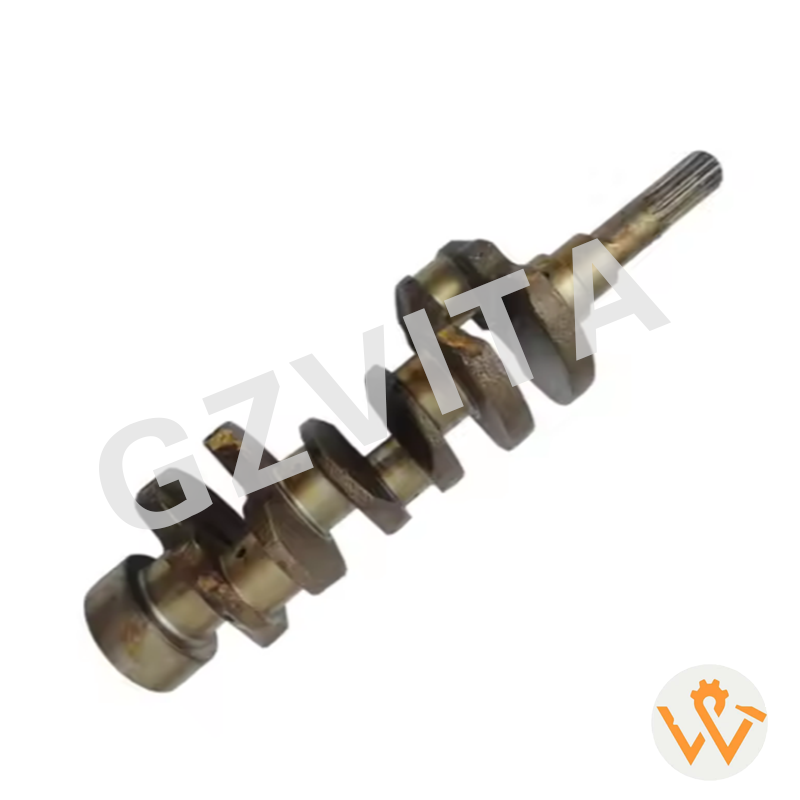
D722 Crankshaft 16863-2303 16861-23012 16861-23010 For Kubota Diesel Engine

  1. Forged medium-carbon steel is the primary material for Kubota crankshafts.
  2. Precise alloying with elements like chromium, molybdenum, and nickel for strength.
  3. Use of high-quality, clean steel to minimize inclusions and stress points.
  4. Micro-alloyed steel variants are employed in certain high-stress models.
  5. The material boasts an excellent strength-to-weight ratio.
  6. Uniform metallurgical structure is ensured through controlled forging.
  7. Steel composition is optimized for both fatigue resistance and machinability.
  8. Trace element control guarantees consistent batch-to-batch material properties.
  9. The chosen steel grade offers superior toughness under impact loads.
  10. Material selection prioritizes long-term dimensional stability under heat and stress.


  1. Forging & Forming Process


  1. Crankshafts are precision-forged under immense pressure to align grain flow.
  2. Hot forging process shapes the metal while enhancing its inherent strength.
  3. Forging eliminates internal porosity, creating a denser, more reliable component.
  4. The forging die design is optimized for material distribution and minimal waste.
  5. Near-net-shape forging reduces the amount of subsequent machining required.
  6. Controlled cooling after forging refines the microstructure.
  7. Forging ensures continuous grain lines following the crankshaft's contour, improving fatigue life.
  8. This method produces a crankshaft with superior integrity compared to casting.


  1. Heat Treatment & Surface Hardening


  1. A through-hardening process (quenching and tempering) provides a balanced core hardness.
  2. Tempering relieves internal stresses induced during quenching, improving toughness.
  3. Induction hardening is applied specifically to critical areas like journal fillets.
  4. Surface hardening on main and pin journals dramatically increases wear resistance.
  5. Case hardening creates a hard exterior with a tough, ductile core.
  6. Nitriding or nitrocarburizing treatments are used on some models for extreme surface hardness.
  7. Heat treatment cycles are computer-controlled for absolute consistency.
  8. The resulting hardness profile is meticulously designed to withstand bearing pressures.
  9. Treated crankshafts exhibit excellent resistance to micro-welding and scoring.
  10. Post-heat-treatment, the component achieves optimal mechanical properties for its service life.


  1. Machining & Finishing


  1. CNC machining ensures micron-level precision on all journal diameters and widths.
  2. Precision grinding achieves a mirror-like finish on bearing journals.
  3. Super-finished journal surfaces minimize friction and reduce oil film breakdown.
  4. Fillet rolling is a critical process performed on the radii where journals meet webs.
  5. Fillet rolling induces compressive surface stresses, greatly enhancing fatigue strength.
  6. All oil passage holes are deburred and polished to prevent stress concentrations.
  7. Dynamic balancing is performed to remove any vibrational imbalance.
  8. Each crankshaft is polished to remove microscopic peaks that could initiate wear.

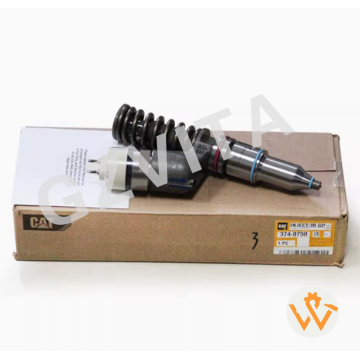
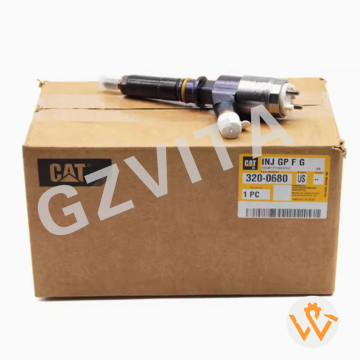
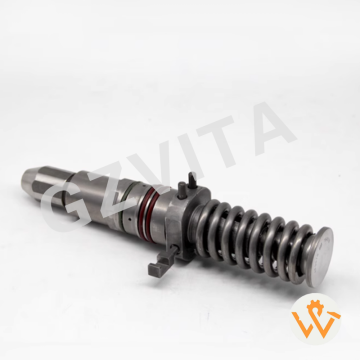
    Compare the quality of the fuel injector for OEM and Bosch brand

    • When comparing the quality of fuel injectors from OEM (Original Equipment Manufacturer) and Bosch, several factors should be considered, including performance, reliability, compatibility, and cost. Here’s a breakdown of the key differences and considerations:

    1. Quality and Performance

    • OEM Injectors:
    • Designed specifically for the vehicle or equipment by the manufacturer.
    • Typically meet the exact specifications required for optimal performance in that specific engine.
    • Quality control is usually stringent, ensuring that the injectors perform as intended in terms of fuel atomization and delivery.
    • Bosch Injectors:
    • Bosch is a well-known aftermarket supplier with a strong reputation for quality and innovation in fuel injection technology.
    • Bosch injectors are often designed to meet or exceed OEM specifications and may incorporate advanced technology for improved performance and efficiency.
    • They are widely used in various applications and are known for their reliability and durability.

    2. Compatibility

    • OEM Injectors:
    • Guaranteed compatibility with the specific make and model of the vehicle or equipment.
    • May be the best choice for maintaining warranty coverage and ensuring compliance with manufacturer standards.
    • Bosch Injectors:
    • Generally compatible with a wide range of vehicles and equipment, but it’s essential to verify compatibility with the specific engine model.
    • Bosch injectors may offer alternative options that can enhance performance or fuel efficiency.

    3. Cost

    • OEM Injectors:
    • Typically more expensive due to the brand and the assurance of compatibility and quality.
    • Prices can vary significantly based on the manufacturer and the specific injector model.
    • Bosch Injectors:
    • Often more competitively priced compared to OEM injectors.
    • Bosch may offer a range of products at different price points, including budget-friendly options without compromising quality.

    4. Warranty and Support

    • OEM Injectors:
    • Usually come with a warranty that aligns with the vehicle or equipment manufacturer’s warranty.
    • Support is often provided through the manufacturer’s service network.
    • Bosch Injectors:
    • Bosch typically offers a warranty on their products, which can vary by region and product line.
    • Bosch has a robust support network and resources for troubleshooting and installation.

    5. Reputation and Reviews

    • OEM Injectors:
    • Generally trusted for their reliability and performance as they are made by the original manufacturer.
    • Customer reviews may vary based on specific models and experiences.
    • Bosch Injectors:
    • Bosch has a strong reputation in the automotive industry, and many users report positive experiences with their injectors.
    • Reviews often highlight performance improvements and reliability.


    Leave Your Message