Leave Your Message
Products Categories
Featured Products

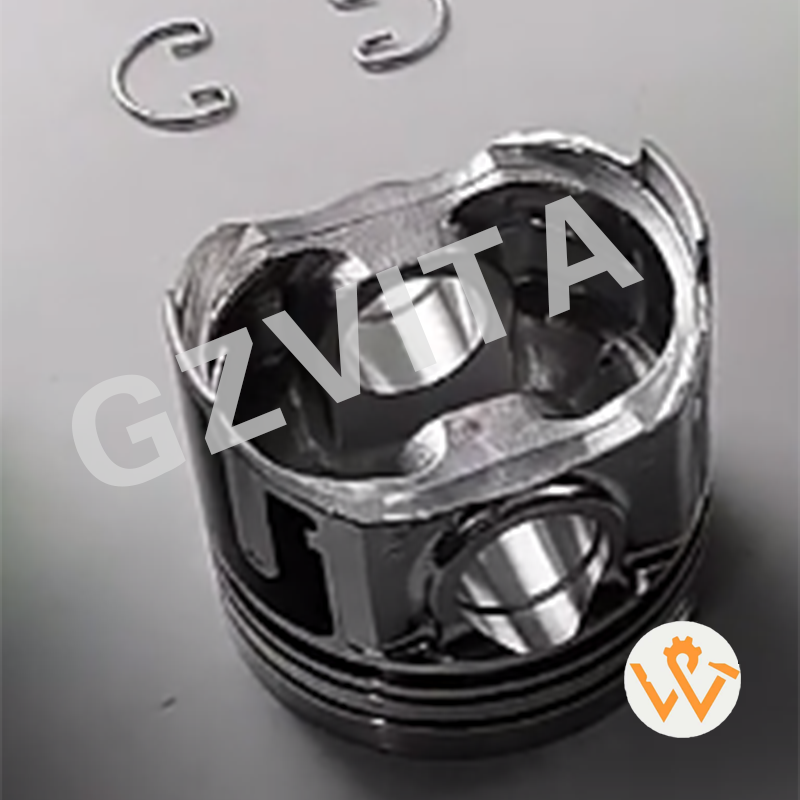
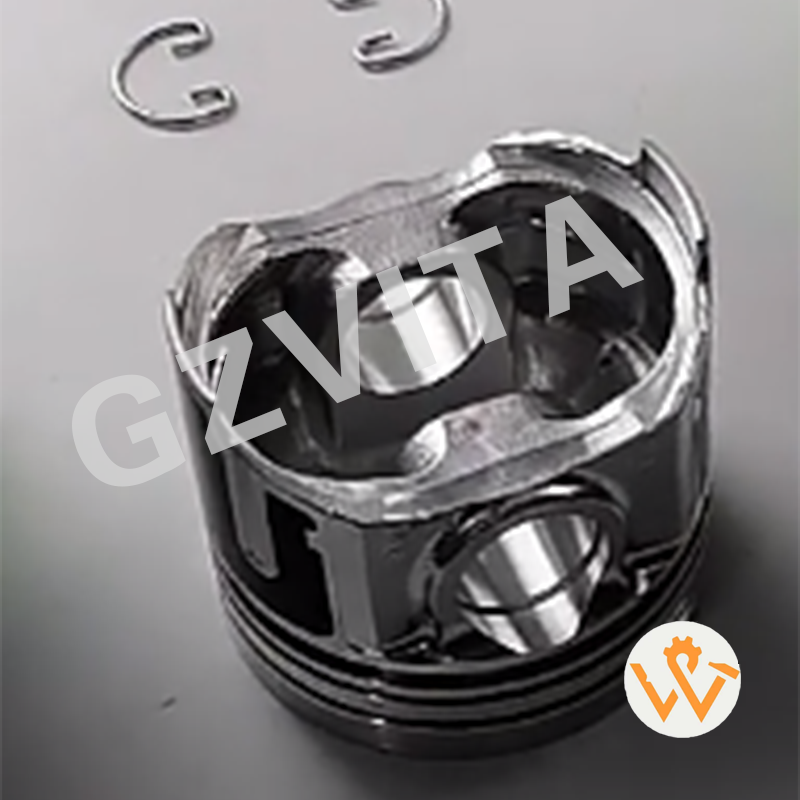
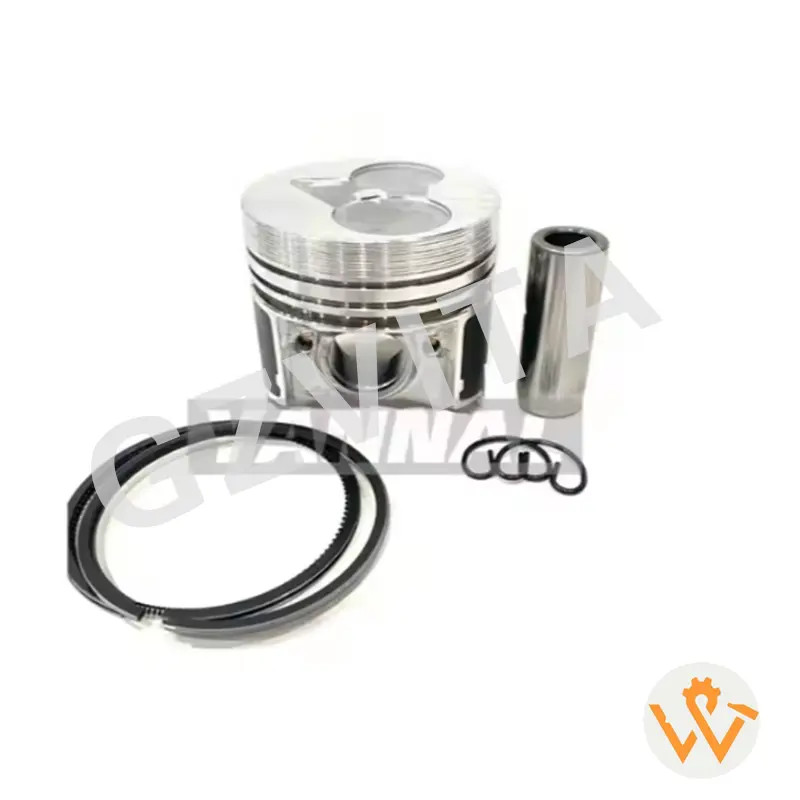
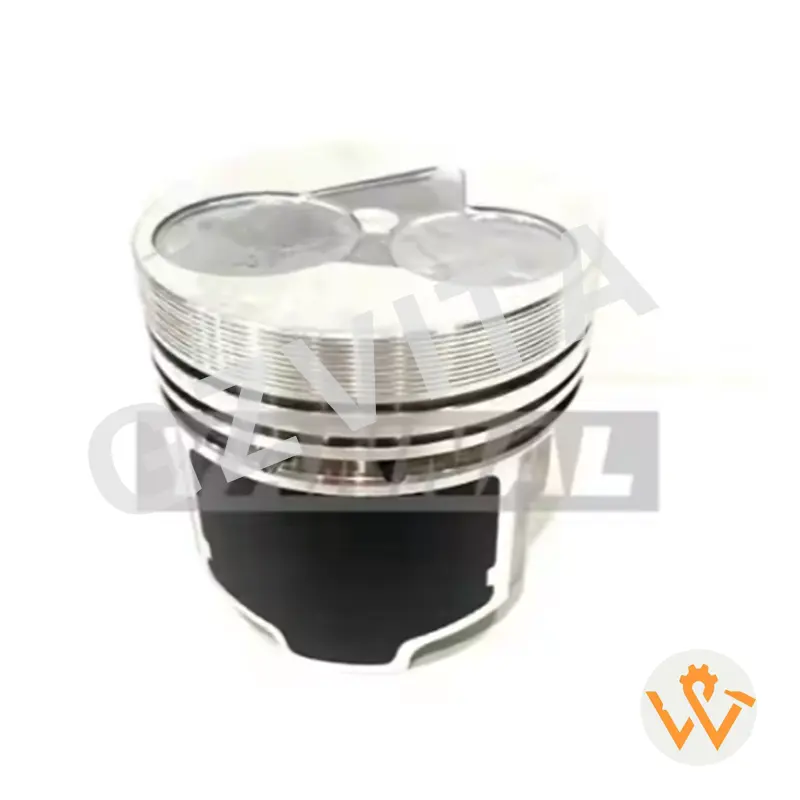
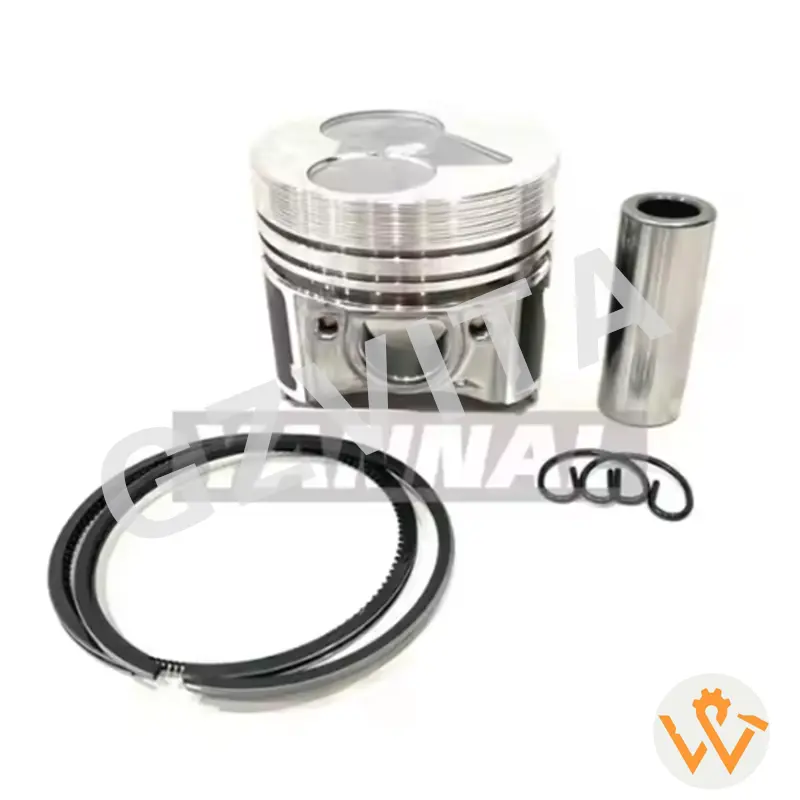
D782 3D67E-1A Piston With Pin 1G688-2111 1G688-21110 1G688-21112 For Kubota B7410 G2160 GR2100 GR2110

Lightly lubricate the piston pin, rod small end, and bearings with assembly lubricant before final assembly.

Use a proper piston ring compressor tool that fits the bore diameter snugly to compress the rings.

Tighten the compressor evenly and ensure all rings are fully compressed below the ring lands.

The rod bearings must be generously lubricated with assembly lube or clean engine oil.

Protect the crankshaft journal with a piece of plastic hose or a dedicated protector to prevent nicks during installation.

Rotate the crankshaft so the connecting rod journal for the cylinder you are working on is at bottom dead center(BDC).

Guide the rod onto the crankshaft journal carefully, ensuring the bearing shell remains in place.

The piston should enter the bore with moderate, even pressure from the heel of your hand. If excessive force is needed, stop and check that rings are fully compressed.

Never force or hammer a piston into the cylinder bore, as this will cause immediate and severe damage.

For engines with cylinder liners, take extra care not to catch the ring compressor on the liner lip.

Once the piston is started, hold the ring compressor firmly against the block as you push the piston down until the rings clear the tool.

Install the rod cap in its original orientation and on its original rod (match markings must align).

Ensure the bearing shell is clean, lubricated, and correctly seated in the rod cap.

The rod cap bolts/nuts must be clean, undamaged, and lightly oiled on the threads and under the head.

Always use new rod bolts or nuts if specified by the manufacturer; they are torque-to-yield (stretch bolts) in most modern engines.

Hand-start all bolts or nuts to ensure threads are not crossed.

Tighten in multiple stages and in the correct sequence (usually alternating) to the specified torque value.

For torque-to-yield bolts, tighten to the initial torque spec, then angle tighten (e.g., 90°+90°) exactly as specified. Do not reuse a standard torque value.

After tightening, the rod should rotate freely on the journal with slight drag from the bearing clearance. It must not be loose or bind.

Use a plastic mallet to tap the rod cap sideways to ensure proper bearing crush and alignment before final torque.

After installing all pistons, rotate the crankshaft by hand two full revolutions to feel for any binding or interference.

After all pistons are installed, re-check the torque on all rod bolts as a final verification.

Measure the rod side clearance (end play) on the crankshaft with a feeler gauge to ensure it is within specification.

Verify there is no excessive up-and-down play in the rod bearing, which would indicate incorrect bearing size.

Ensure all piston ring gaps remain properly staggered and have not rotated during installation.

Double-check that each piston is at the same height at top dead center(TDC) if deck height is critical for compression ratio.

For interference engines, perform a"clay test"or use a piston stop to physically verify there is sufficient valve-to-piston clearance.

Clean any fingerprints, assembly lube, or debris from the cylinder walls and piston crowns before installing the cylinder head.

Install the oil pump and prime the lubrication system before final engine assembly to ensure immediate oil flow on startup.

Before initial startup, disable the fuel and ignition systems and crank the engine with the starter to build oil pressure.

Follow the manufacturer's specific break-in procedure for the first start and run-in period to properly seat the rings and bearings.

    Notes for Installing Engine Pistons

    Installing engine pistons is a critical step in engine assembly or overhaul. Proper installation is essential for ensuring optimal engine performance, efficiency, and longevity. Here are important notes and steps to consider during the installation of engine pistons:

    Key Considerations Before Installation

    Safety First:
    Ensure the engine is turned off and cool. Wear safety glasses and gloves to protect yourself during the installation process.

    Gather Tools and Materials:
    You will need a variety of tools, including a torque wrench, piston ring compressor, socket set, and possibly a piston pin tool. Have the new pistons, piston rings, and any necessary gaskets or seals ready.

    Consult the Service Manual:
    Always refer to the specific service manual for your engine model for detailed instructions, torque specifications, and any specific procedures related to piston installation.

    Installation Steps

    Prepare the Engine Block:
    Clean the cylinder bores thoroughly to remove any debris, old oil, or contaminants. Inspect the cylinder walls for wear or damage.

    Install Piston Rings:
    Before installing the pistons, install the piston rings onto each piston. Ensure that the rings are oriented correctly according to the manufacturer’s specifications. Use a piston ring compressor to compress the rings for easier installation into the cylinder.

    Lubricate the Pistons:
    Apply a light coat of engine oil to the piston skirts and the piston rings. This lubrication helps reduce friction during installation and initial startup.

    Position the Piston:
    Align the piston with the corresponding cylinder. Ensure that the piston is oriented correctly, with the markings (if any) facing the front of the engine or as specified by the manufacturer.

    Insert the Piston:
    Carefully slide the piston into the cylinder bore. Use the piston ring compressor to help guide the piston into the cylinder without damaging the rings. Gently tap the piston with a soft mallet if necessary, but avoid excessive force.

    Install the Piston Pin:
    Once the piston is in place, install the piston pin (also known as the wrist pin) through the piston and connecting rod. Ensure that the pin is properly seated and secured with retaining clips or circlips.

    Torque the Connecting Rod Bolts:
    Follow the manufacturer’s specifications for torque settings and the correct sequence for tightening the connecting rod bolts. This is crucial for ensuring a secure connection between the piston and the connecting rod.

    Repeat for Remaining Pistons:
    Repeat the above steps for each piston in the engine, ensuring that each one is installed correctly and securely.

    Final Checks:
    After all pistons are installed, check for any signs of misalignment or improper installation. Ensure that all retaining clips are in place and that the connecting rod bolts are torqued to specifications.

    Post-Installation Considerations

    Inspect for Clearance: After installation, check for proper clearance between the pistons and the cylinder walls. This is important for preventing scuffing and ensuring smooth operation.

    Lubricate the Engine: Before starting the engine, ensure that the oil system is primed and that the engine is adequately lubricated.

    Follow Break-In Procedures: After installation, follow the manufacturer’s recommended break-in procedures for the engine to ensure proper seating of the piston rings and optimal performance.

    Product Display

    • D722 Engine Piston 16851-21114 For Kubota Tractor Excavator Turn Mowers

      D722 Engine Piston 16851-21114 For Kubota Tractor Excavator Turn Mowers

    • D722 Engine Piston 16851-21114 For Kubota Tractor Excavator Turn Mowers(01)

      D722 Engine Piston 16851-21114 For Kubota Tractor Excavator Turn Mowers(01)

    • D722 Engine Piston 16851-21114 For Kubota Tractor Excavator Turn Mowers (02)

      D722 Engine Piston 16851-21114 For Kubota Tractor Excavator Turn Mowers (02)

    Leave Your Message