
 +86 18578756148
Leave Your Message
-
CONTACT NUMBER
-
 CONTACT NUMBER
 -
 CONTACT NUMBER
 -
 CONTACT NUMBER
-
 CONTACT NUMBER
The Engine Cylinder Block is universally recognized as the foundational architecture of any internal combustion engine, but its role in Diesel Fuel System Repair is a highly specialized discipline that bridges mechanical engineering, fluid dynamics, and modern materials science. As the central housing that contains the cylinders, coolant passages, and oil galleries, the cylinder block must withstand immense thermal stress and physical pressure generated by diesel combustion. When repairing or optimizing a diesel fuel system, the integrity of the engine cylinder block is non-negotiable. Even microscopic warping, hairline fractures, or degradation in the block can lead to catastrophic fuel injection timing errors, loss of compression, and ultimate engine failure.
The global industrial landscape relies heavily on diesel power. From massive construction excavators carving out infrastructure to agricultural combines harvesting global food supplies, the demand for robust diesel engines is perpetual. Consequently, the commercial market for Engine Cylinder Block For Diesel Fuel System Repair has seen exponential growth. In 2023 alone, the heavy-duty engine aftermarket repair sector was valued at tens of billions of dollars globally.
Currently, the industry is witnessing a significant shift from reactive maintenance to proactive, precision-driven repair. Fleet managers and industrial operators can no longer afford the downtime associated with complete engine replacement. Instead, the focus has pivoted toward high-precision repair of the engine cylinder block and its integrated diesel fuel systems. This involves sleeving cylinders, line-boring main bearing journals, and resurfacing the block deck to ensure a perfect seal for the high-pressure fuel injectors and cylinder heads.
The supply chain for these critical components—such as oil pressure sensors, crankshafts, and solenoid valves—is highly competitive. Original Equipment Manufacturers (OEMs) and premium aftermarket suppliers are in a constant race to provide parts that not only match but exceed original specifications. The integration of high-quality aftermarket parts, like those compatible with Caterpillar, Komatsu, and Cummins, has democratized access to top-tier repair solutions, allowing independent repair facilities to perform factory-level rebuilds.
As we move deeper into Industry 4.0, the methodology surrounding Engine Cylinder Block For Diesel Fuel System Repair is undergoing a technological renaissance. The traditional "wrench and micrometer" approach is rapidly being augmented by Artificial Intelligence (AI), Internet of Things (IoT) sensors, and advanced digital diagnostics.
One of the most profound development trends is the integration of AI in diagnostic tools. Modern diesel engines are essentially moving data centers. Sensors embedded within the engine cylinder block and the diesel fuel system continuously monitor oil pressure, fuel flow rates, combustion temperatures, and vibration frequencies. AI algorithms process this massive influx of data in real-time, identifying microscopic anomalies that precede mechanical failure. For instance, a subtle drop in fuel rail pressure combined with a specific vibration signature from the cylinder block can alert AI systems to a failing fuel injector nozzle or a micro-crack in the block itself, long before the operator notices a drop in performance.
In the realm of physical repair, 3D scanning technology has revolutionized how engine cylinder blocks are evaluated. High-resolution laser scanners create a perfect digital twin of the damaged block, allowing engineers to measure tolerances down to the micron level. This digital twin is then analyzed by CAD software to map out the exact machining required to restore the block to OEM specifications.
Furthermore, Additive Manufacturing (3D Printing) is beginning to play a role in diesel fuel system repair. While printing an entire cylinder block for heavy machinery is still in its infancy, laser metal deposition is actively used to repair damaged surfaces on the block, such as worn thrust bearing faces or pitted deck surfaces, fusing new high-strength alloy directly onto the original cast iron or aluminum block.
The development of new metallurgical compounds and nano-coatings is another major trend. Modern replacement parts, such as connecting rod bearings and fuel injector nozzles, are frequently treated with Diamond-Like Carbon (DLC) coatings. When these parts are installed within a newly machined engine cylinder block, they drastically reduce friction, withstand the corrosive nature of modern low-sulfur diesel fuels, and extend the operational lifespan of the repaired engine.
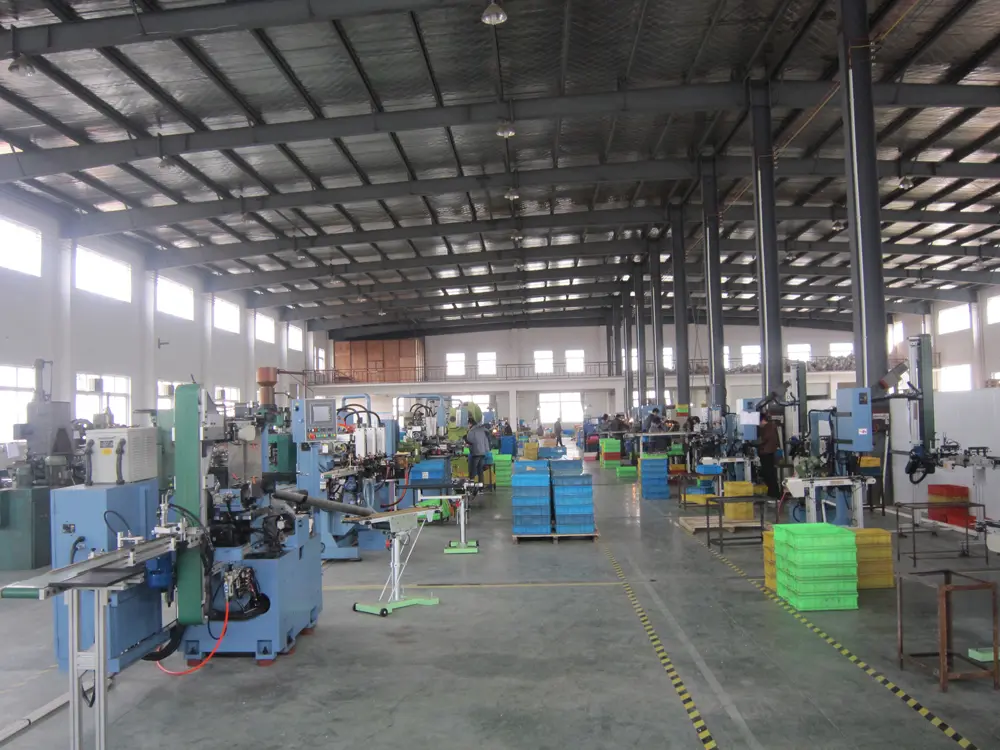
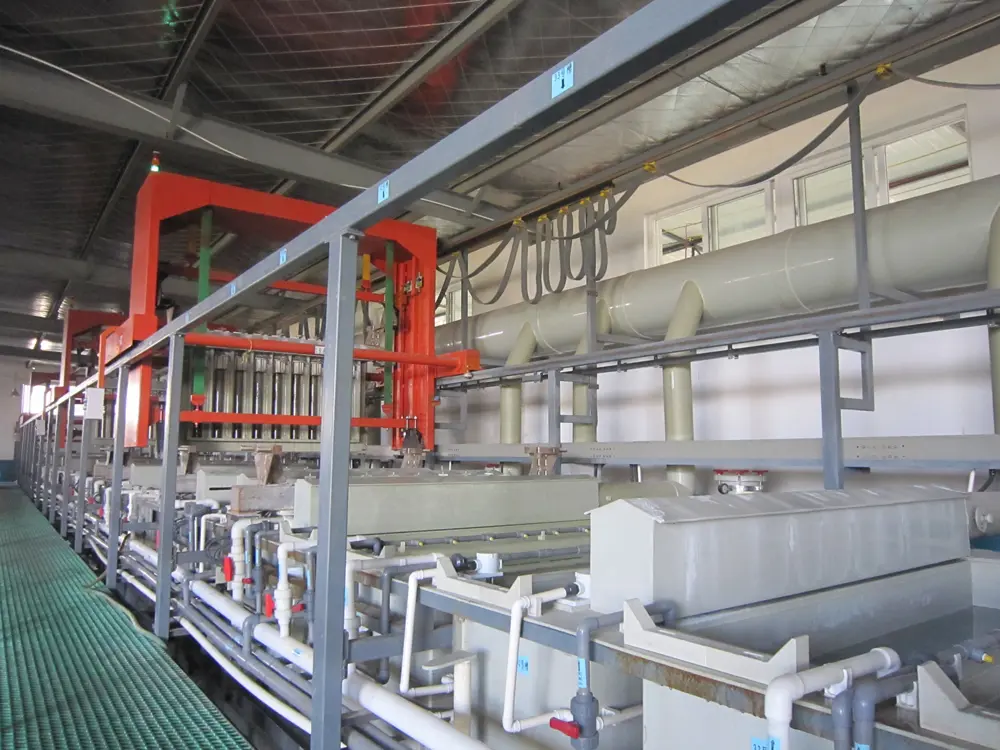
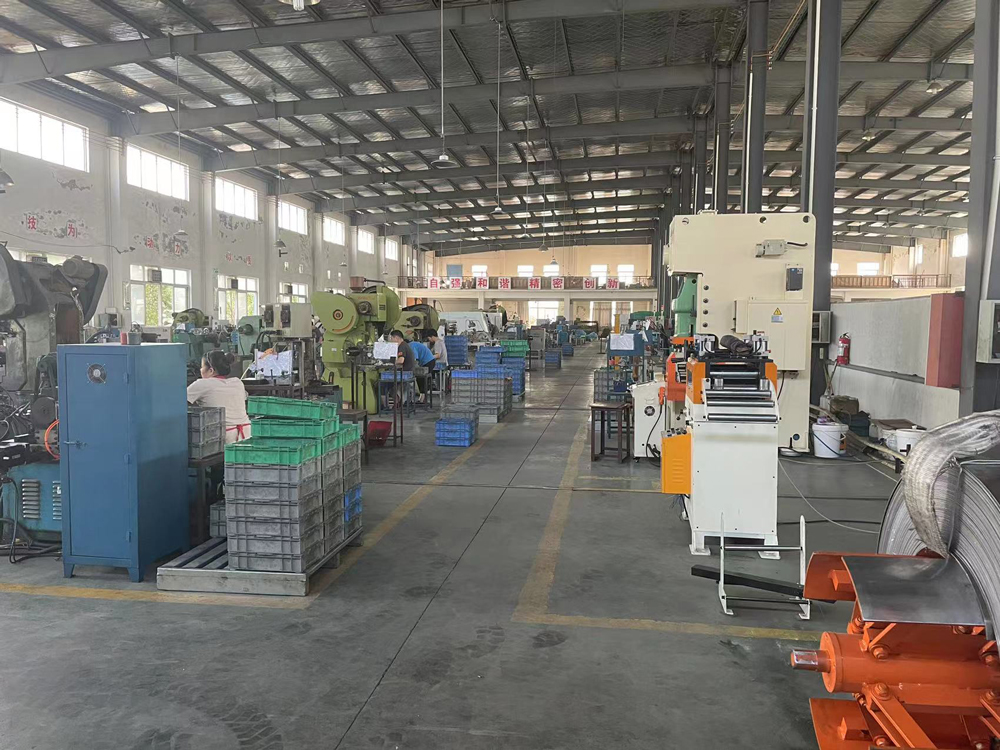
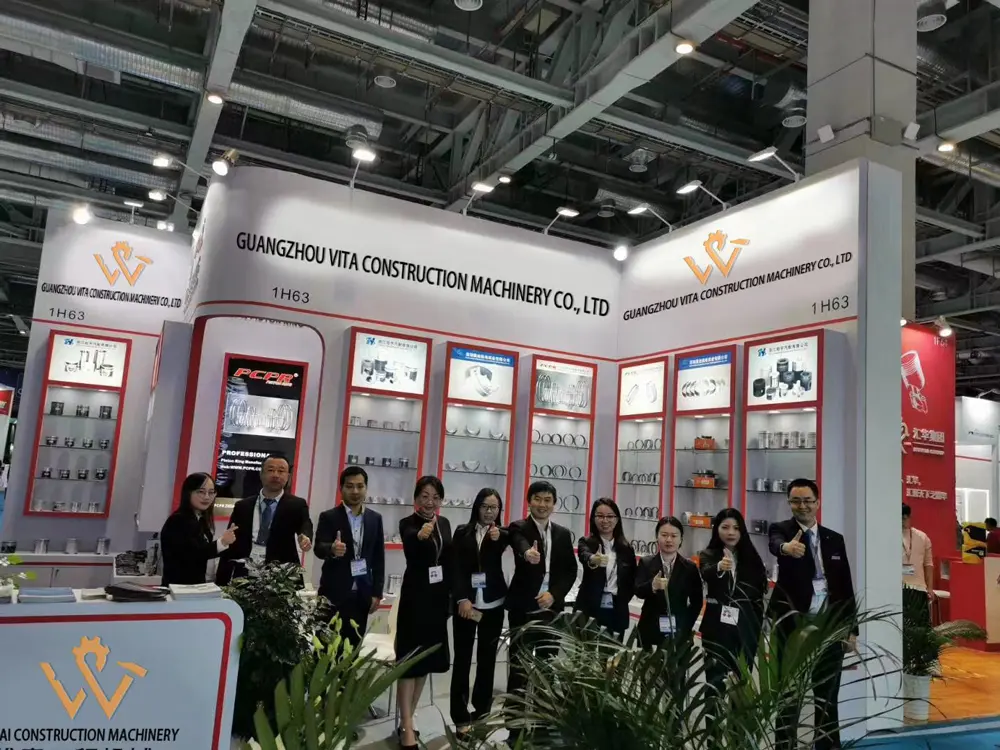
Guangzhou Vita Construction Machinery Co., Ltd. is one of the largest companies that combines factory and foreign trade. The factory is located in Xiangyang City, Hubei Province, where there are more than 18,000 square meters of workshop space equipped with several advanced production machines. More than 278 well-trained and skilled workers, alongside around 8 experienced engineers, assure good product quality as well as fast and accurate delivery.
We specialize in producing, developing, and selling a whole range of construction machinery parts. Such as engine assembly, hydraulic pump, final drive, electric generating set, engine bearing (Main bearings con Rod Bearing series), crankshafts, engine valves, gear pumps, cylinder, all kinds of filters, excavator bucket, undercarriage parts for excavator and bulldozer... which are used as replacements for many types of machines. The brands we support include Komatsu, Volvo, Sumitomo, Caterpillar, Kubota, Hitachi, John Deere, Kobelco, Hyundai, Kato, Sany, XCMG, SUNWARD, and other well-known brands.
Understanding the context in which these heavy-duty machines operate is crucial to appreciating the complexity of Engine Cylinder Block For Diesel Fuel System Repair. Different industries subject engines to vastly different types of stress, requiring tailored repair strategies and specific component upgrades.
Excavators and bulldozers operate in environments saturated with dust, silica, and extreme temperature fluctuations. In these scenarios, the engine cylinder block is highly susceptible to thermal shock and abrasive wear. If the air filtration system fails, microscopic particles enter the combustion chamber, scoring the cylinder walls and contaminating the diesel fuel system. Repairing a cylinder block in this scenario often involves boring out the scored cylinders and pressing in hardened steel sleeves. The diesel fuel system, particularly the solenoid valves and fuel injector nozzles (like those used in Cummins B3.9 or 4D102 engines), must be meticulously cleaned and calibrated to ensure the precise fuel delivery required for high-torque digging operations.
Marine engines operate under continuous, heavy loads for days or weeks at a time. The primary enemy of the engine cylinder block here is sustained thermal stress and saltwater corrosion. A failure in the diesel fuel system—such as a stuck fuel injector—can cause localized overheating, potentially melting the piston and severely damaging the cylinder block. Repairing marine engine blocks requires specialized anti-corrosive treatments and the installation of ultra-high-grade main bearings. The precision of the fuel system repair is critical; even a minor imbalance in fuel delivery across cylinders can cause harmonic vibrations that tear the engine apart over time.
Standby and prime power generators (such as those utilizing Caterpillar 3512 or 3516 models) run at constant RPMs to maintain a stable electrical frequency (50Hz or 60Hz). The engine cylinder block in a generator must maintain absolute dimensional stability. Wear in the camshaft bearings or crankshaft journals within the block can alter valve and injection timing. Diesel fuel system repair in power generation heavily relies on exact voltage regulators, timing sensors, and oil pressure sensors to maintain the delicate balance of continuous power output. A rebuilt cylinder block for a generator is often subjected to rigorous dyno testing to ensure zero fluctuation under load.
Tractors and combine harvesters experience long periods of dormancy followed by intense, round-the-clock usage during harvest seasons. This intermittent usage can lead to internal condensation, oil degradation, and fuel gelling, which wreak havoc on the diesel fuel system and the internal surfaces of the cylinder block. Repairing these engines focuses heavily on restoring the oil pump systems (such as the Perkins Engine Oil Pump) and ensuring the cylinder block's oil galleries are completely free of sludge. High-quality connecting rod bearings are installed to handle the sudden, massive torque requirements of pulling heavy agricultural implements.
Take a glimpse into our state-of-the-art manufacturing and repair facilities.





 Engine Cylinder Block Sensor 274-6721 For CAT320D Diesel System Repair
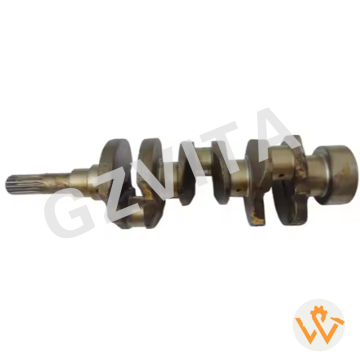 Kubota Diesel Engine Cylinder Block Crankshaft Repair Kit 16863-2303
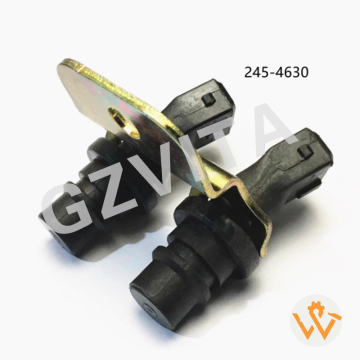 Caterpillar CAT C7 C9 Cylinder Block Timing Sensor For Fuel System
 Doosan D2366 Diesel Engine Cylinder Block Connecting Rod Bearing
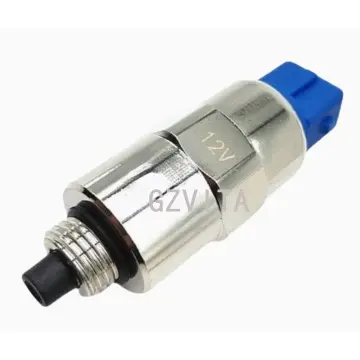 12V Solenoid Valve For CAT3056 Engine Cylinder Block Fuel System
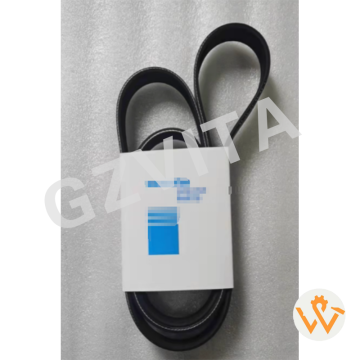 SAA6D125E-5 Engine Cylinder Block Belt 6251-71-4150 Repair Parts
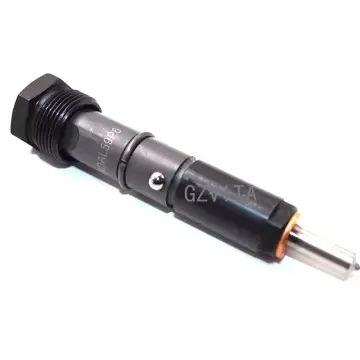 Fuel Injector Nozzle For Cummins Engine Cylinder Block Diesel System
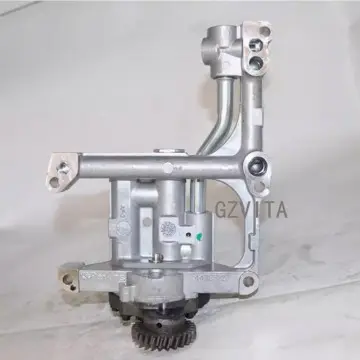 Perkins Engine Oil Pump 225-8329 For Caterpillar Cylinder Block Repair