
 +86 18578756148






0102030405

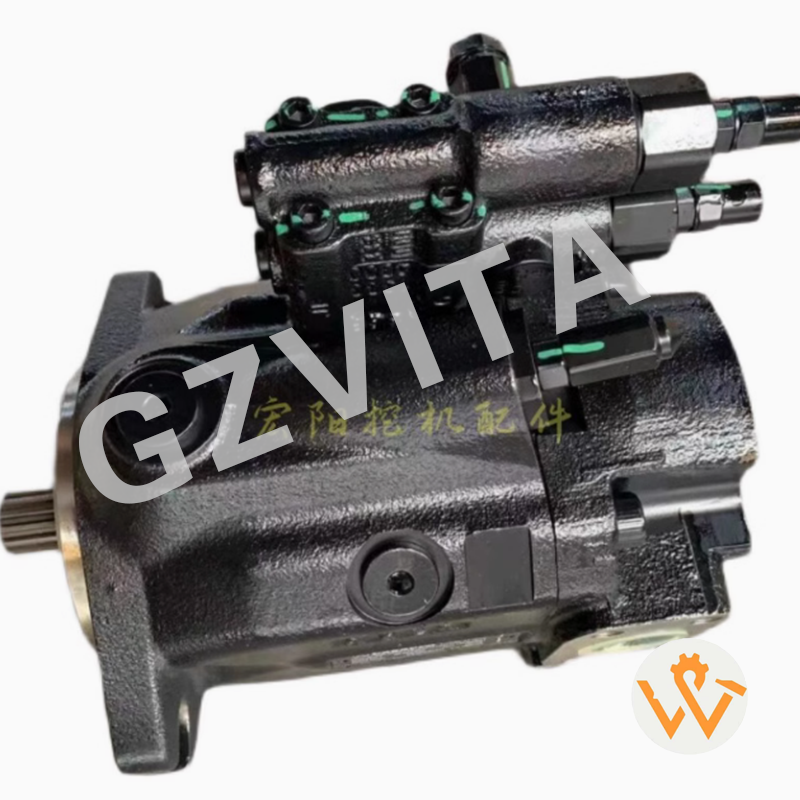
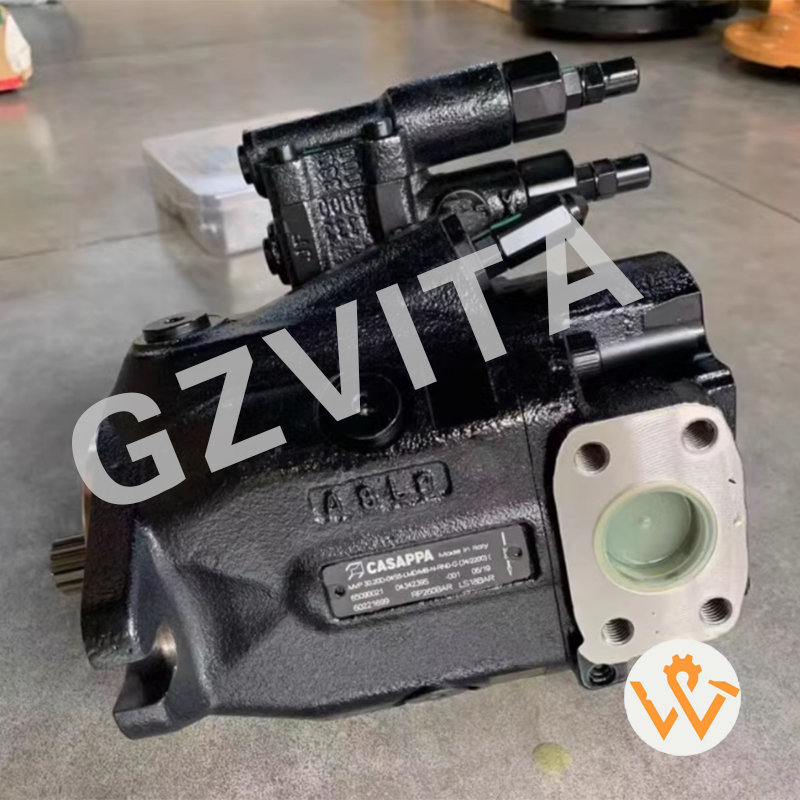
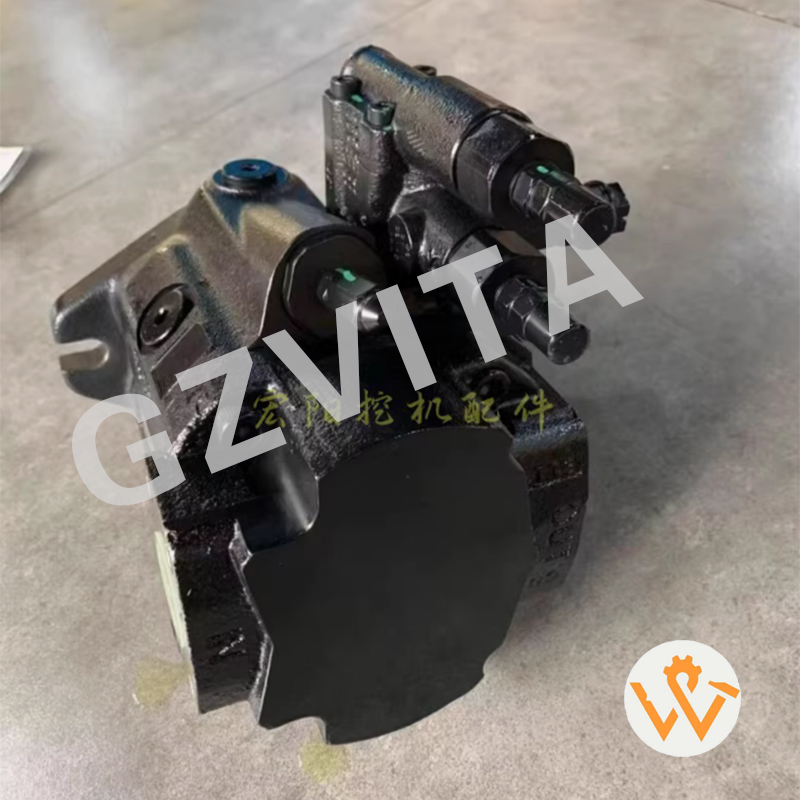
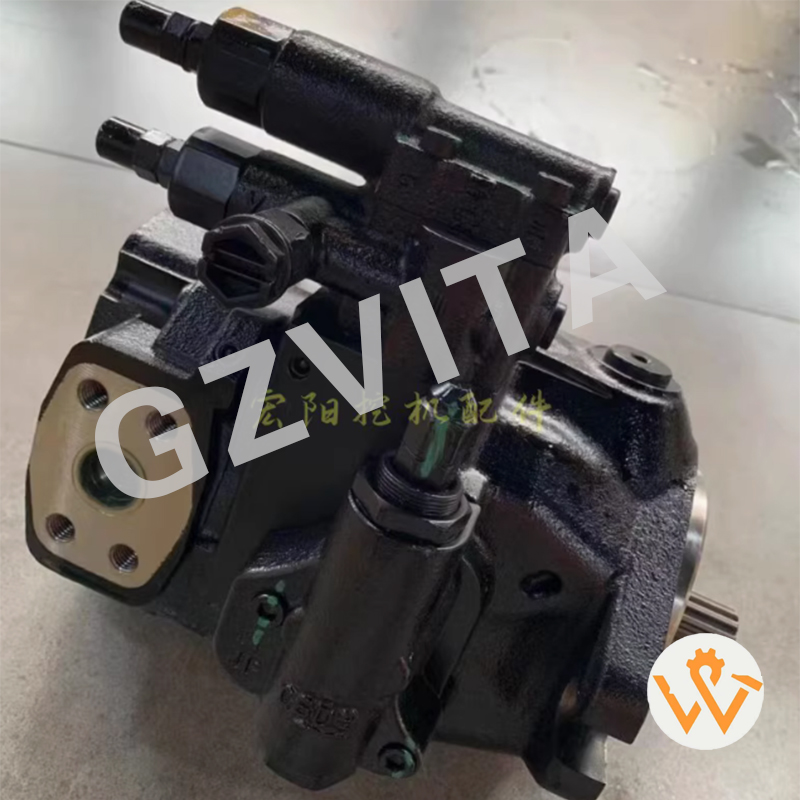
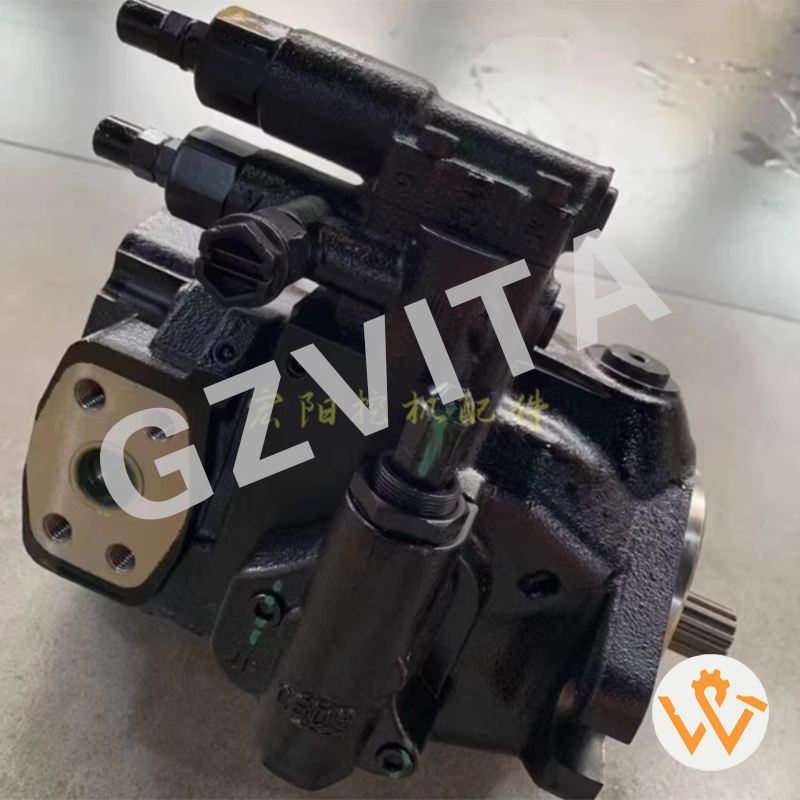
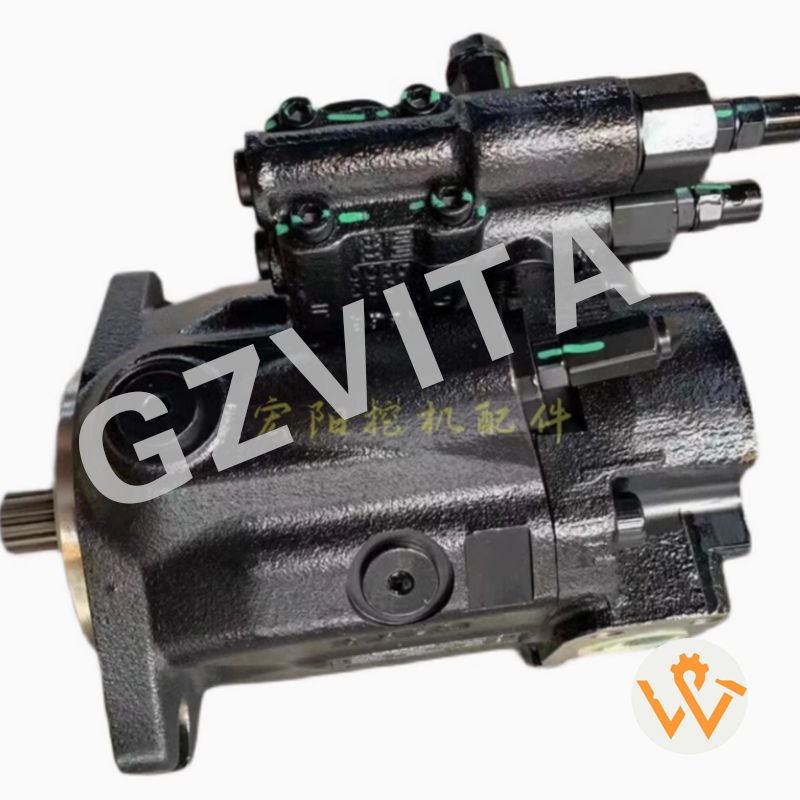
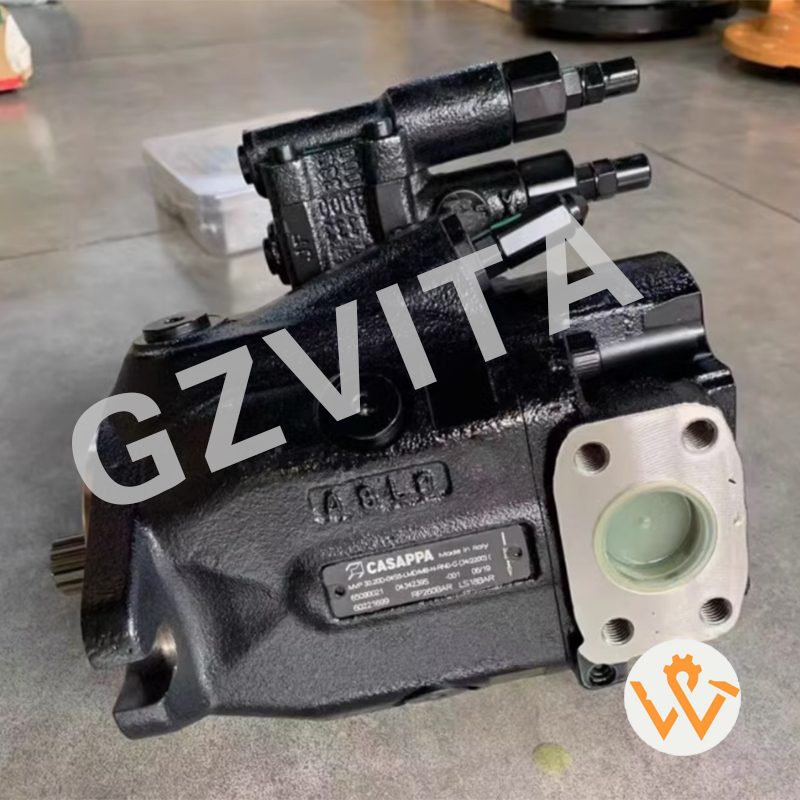
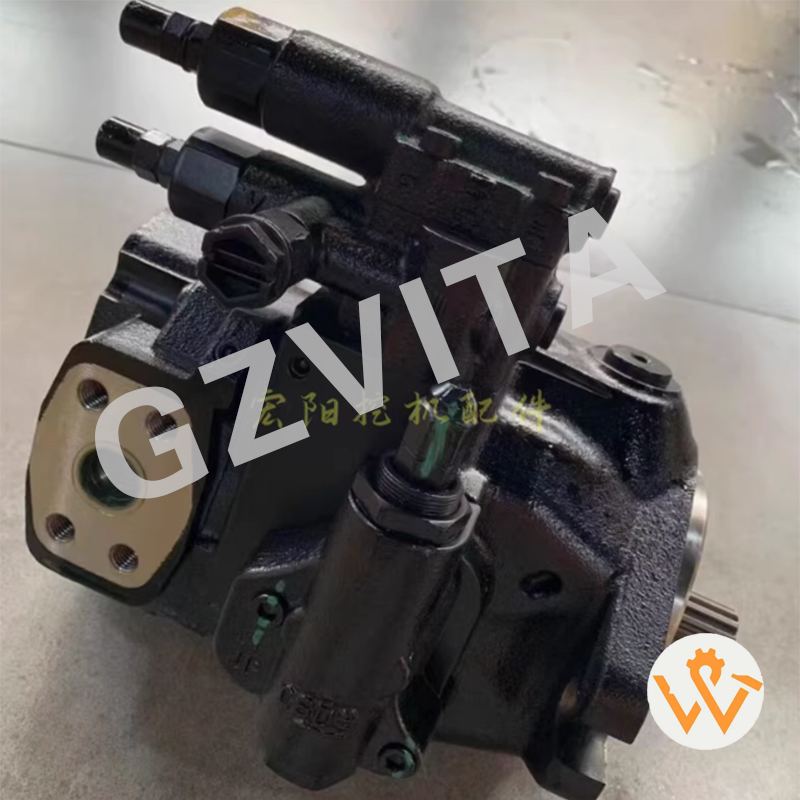
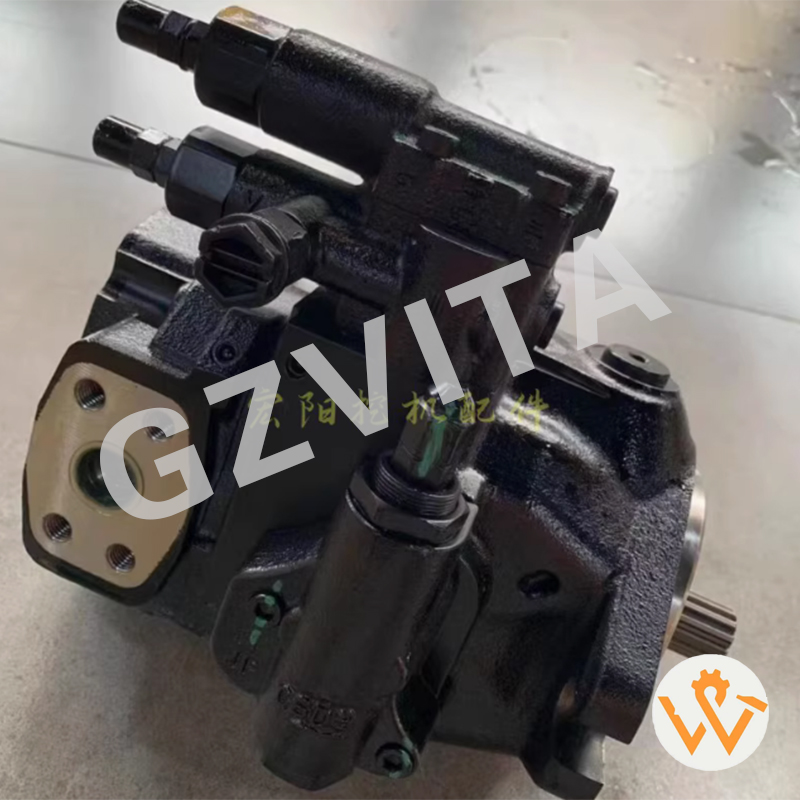
SY16 SY26 SY35 E301.6 Hydraulic Pump CASAPPA MVP30.20D-04S5 Hydraulic Fan Pump Piston Pump 65090021 60221699 0335881R Hydraulic Main Pump
The importance of hydraulic pump repair kits
Hydraulic pump repair kits are essential for maintaining the efficiency and longevity of hydraulic systems. Here are several reasons highlighting their importance:
Cost-Effectiveness: Repairing a hydraulic pump using a repair kit is often significantly cheaper than replacing the entire pump. This can lead to substantial savings for businesses, especially those that rely heavily on hydraulic machinery.
Minimizing Downtime: Hydraulic systems are critical in many industrial applications. Having a repair kit on hand allows for quick repairs, minimizing downtime and keeping operations running smoothly.
Improved Performance: Over time, wear and tear can lead to decreased performance of hydraulic pumps. Repair kits typically include all necessary components to restore the pump to its optimal functioning state, ensuring efficient operation.
Preventive Maintenance: Regularly using repair kits as part of a preventive maintenance program can help identify and address issues before they lead to more significant problems, extending the life of the hydraulic system.
Comprehensive Solutions: Repair kits often come with all the necessary components, such as seals, O-rings, gaskets, and bearings, ensuring that all potential failure points are addressed during the repair process.
Enhanced Safety: A malfunctioning hydraulic pump can pose safety risks, including leaks and pressure failures. Repair kits help ensure that pumps are functioning correctly, reducing the risk of accidents in the workplace.
Environmental Considerations: Repairing rather than replacing hydraulic pumps can reduce waste and the environmental impact associated with manufacturing new components. This aligns with sustainability goals for many organizations.
Technical Support and Guidance:
Many manufacturers provide detailed instructions and support for using repair kits, making it easier for technicians to perform repairs correctly and efficiently.
Customization:
Some repair kits can be tailored to specific pump models or applications, ensuring that the right components are available for unique hydraulic systems.
Availability of Parts:
Having a repair kit readily available means that parts can be replaced quickly without the need to wait for new components to be ordered, which can be crucial in urgent situations.
In summary,
hydraulic pump repair kits play a vital role in maintaining hydraulic systems, offering cost savings, improved performance, and enhanced safety while supporting preventive maintenance efforts.