 +86 18578756148
Leave Your Message
-
CONTACT NUMBER
-
 CONTACT NUMBER
 -
 CONTACT NUMBER
 -
 CONTACT NUMBER
-
 CONTACT NUMBER
The intersection of heavy construction machinery and railway infrastructure maintenance has birthed a highly specialized sector of engineering. Among the myriad of components that ensure the seamless operation of these colossal machines, the Excavator Sprocket for Railway Maintenance Machinery stands out as a critical linchpin. Railway maintenance excavators, often known as road-rail vehicles or hi-rail excavators, are tasked with grueling operations ranging from ballast tamping and sleeper replacement to emergency track clearance. These machines operate in environments where terrain variability and extreme load-bearing requirements are the daily norm.
The excavator sprocket, fundamentally a profiled wheel with teeth that meshes with a track chain, is responsible for translating the hydraulic motor's rotational energy into linear kinetic movement. In the context of railway maintenance, standard sprockets are insufficient. A specialized Excavator Sprocket for Railway Maintenance Machinery must endure the unique abrasive properties of crushed granite ballast, withstand the immense torsional stress of working on steep railway embankments, and maintain absolute dimensional stability to prevent track derailment during operation. Manufactured utilizing advanced metallurgical processes—such as deep induction hardening and high-carbon alloy casting—these sprockets are designed to minimize wear on the track links while maximizing operational uptime, a non-negotiable factor in modern rail logistics.
The global demand for high-speed rail networks and the continuous expansion of heavy-haul freight lines have catalyzed a massive shift in railway maintenance protocols. Gone are the days of manual labor-intensive track repair. Today, the industry relies heavily on mechanized solutions. Consequently, the market for specialized undercarriage parts, particularly the Excavator Sprocket for Railway Maintenance Machinery, has experienced exponential growth.
Current industrial data indicates a strong pivot towards predictive maintenance. Railway authorities and private contractors can no longer afford the downtime associated with catastrophic sprocket failure. This has driven manufacturers to innovate not just in materials, but in the geometric design of the sprockets. Features such as mud-relief notches and optimized tooth profiles are now industry standards, specifically engineered to expel the unique mixture of mud, grease, and ballast dust found exclusively on railway tracks. The commercial landscape is highly competitive, with a premium placed on suppliers who can provide OEM-quality or superior aftermarket sprockets that integrate seamlessly with brands like Komatsu, Hitachi, and Caterpillar when adapted for hi-rail use.
Advanced forging techniques ensure deeper hardening depth, drastically reducing tooth wear against abrasive railway ballast.
Driven by global high-speed rail projects, the demand for specialized hi-rail undercarriage parts has surged by 18% annually.
Understanding where and how the Excavator Sprocket for Railway Maintenance Machinery is deployed reveals the extreme engineering demands placed upon it.
During ballast undercutting and tamping, excavators operate at severe angles along the track shoulder. The sprocket must handle asymmetrical loads as the machine pulls heavy cleaning attachments through compacted stone. A failure here halts the entire automated track renewal train.
When lifting concrete sleepers or continuous welded rails, the excavator acts as a mobile crane. The sprocket locks the undercarriage in place, requiring absolute zero-slip tolerance. Precision teeth meshing is vital to prevent micro-movements that could endanger ground crews.
In emergency scenarios, excavators are deployed to unstable, off-camber terrains to clear wreckage. The sprockets are subjected to shock-loading and extreme torque spikes as the machine forcefully pivots to lift derailed train cars, demanding unparalleled tensile strength.
The future of the Excavator Sprocket for Railway Maintenance Machinery is intrinsically linked to Artificial Intelligence and the Internet of Things (IoT). We are witnessing the dawn of the "Smart Undercarriage." Modern sprockets are beginning to incorporate embedded strain gauges and piezoelectric sensors. These sensors continuously monitor torque variations, vibration frequencies, and temperature fluctuations during railway operations.
This raw data is transmitted via 5G networks to AI-driven diagnostic platforms. Machine learning algorithms analyze the wear patterns in real-time, comparing them against thousands of hours of historical data. The AI can accurately predict exactly when a sprocket tooth will reach its critical wear limit, alerting maintenance crews weeks in advance. This transition from reactive repairs to AI-powered predictive maintenance ensures that railway maintenance machinery never suffers an unexpected breakdown on the tracks, thereby maximizing the efficiency of the narrow "possession windows" (the brief periods when trains are stopped for maintenance).
Looking ahead, the evolution of the Excavator Sprocket for Railway Maintenance Machinery will be dictated by sustainability and autonomous operation. As the railway industry pushes for greener supply chains, manufacturers are exploring eco-friendly casting processes and recyclable high-strength alloys that reduce the carbon footprint of production without compromising durability.
Furthermore, the rise of fully autonomous railway excavators will demand sprockets with zero-tolerance for error. Human operators can intuitively feel when a track is slipping or a sprocket is grinding; autonomous AI systems rely entirely on sensor feedback and mechanical perfection. Therefore, the manufacturing tolerances for these sprockets will become infinitely tighter, merging traditional heavy metallurgy with aerospace-level precision engineering.
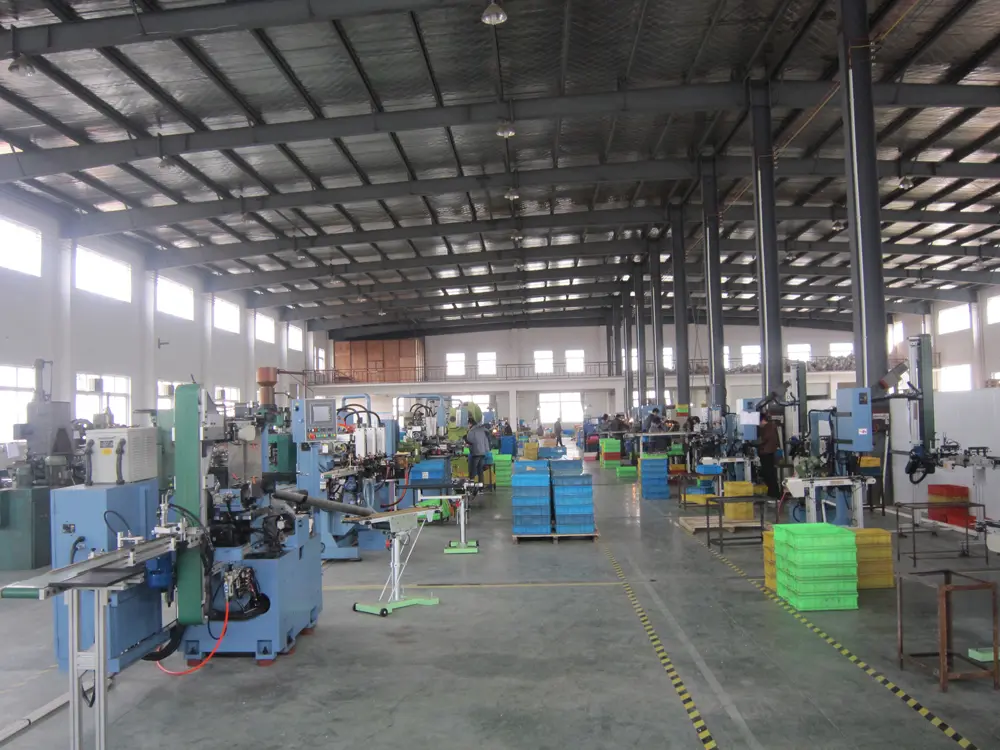
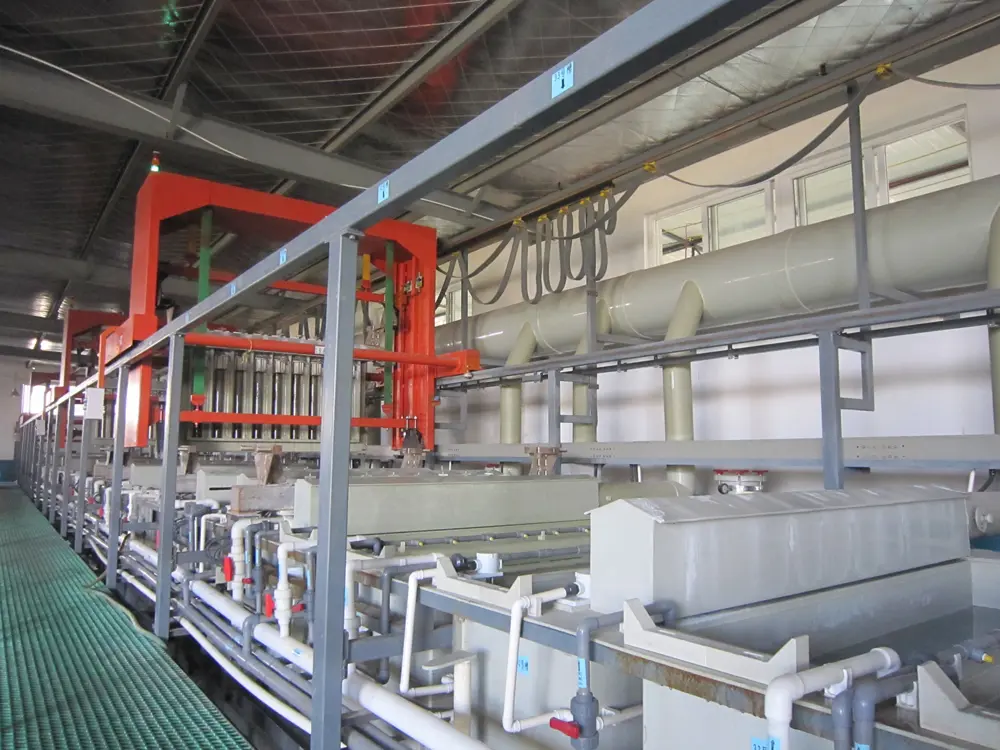
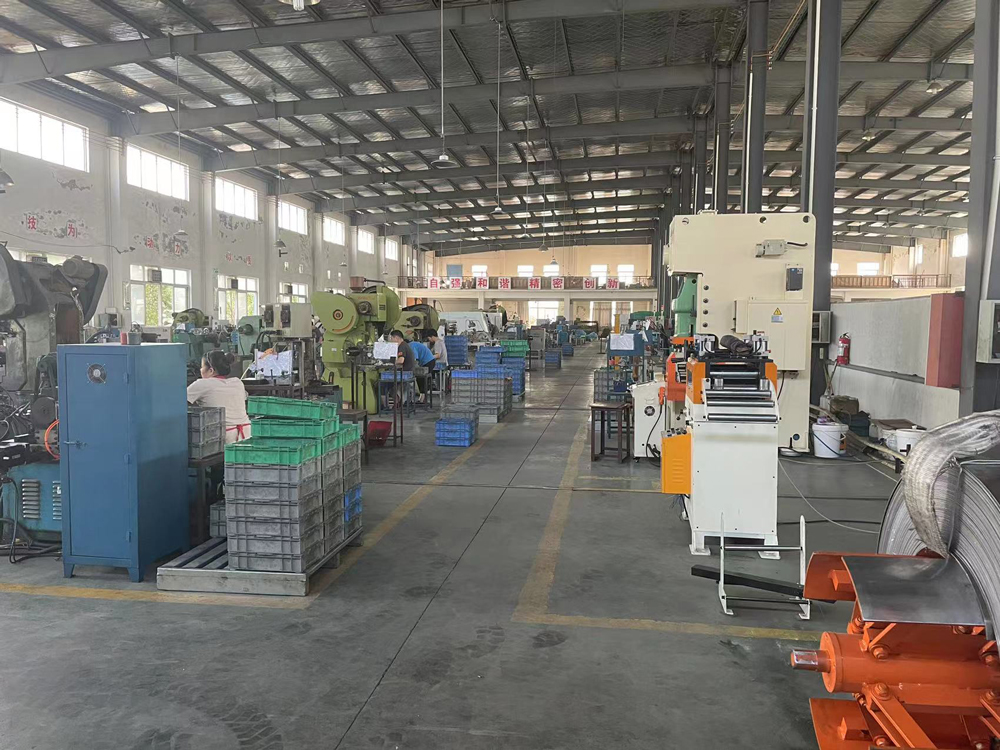
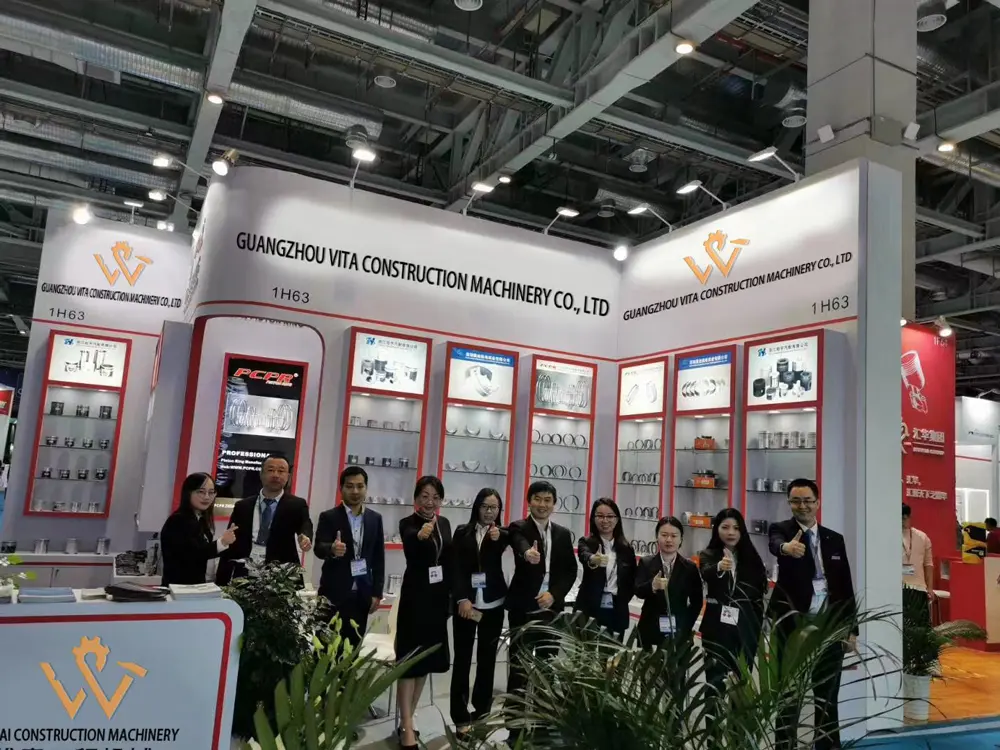
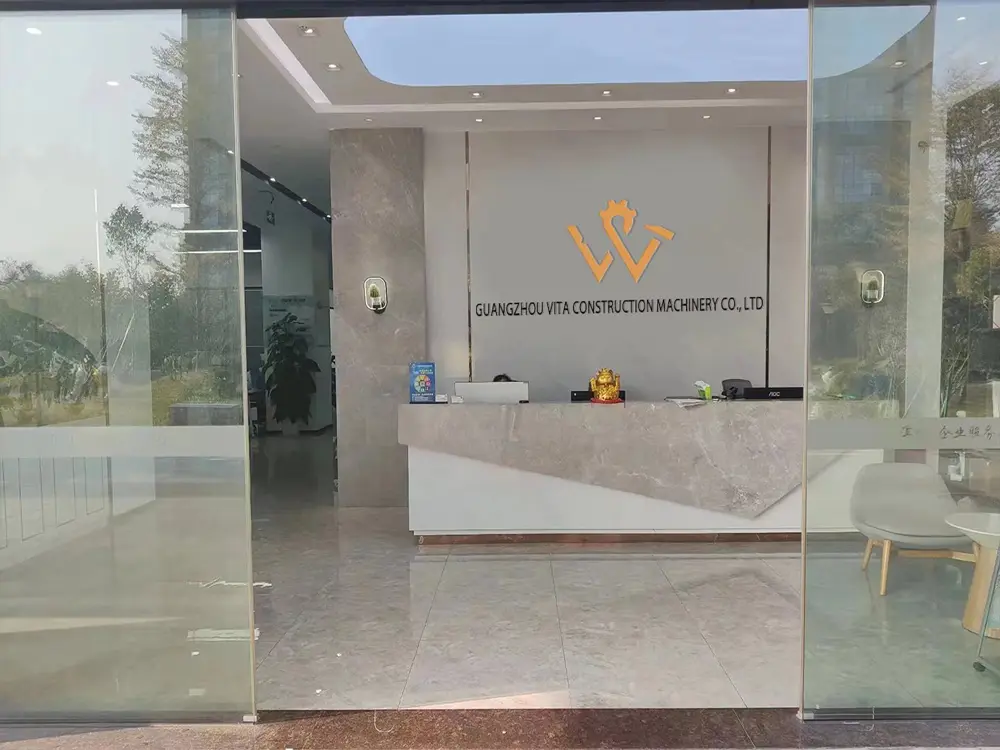
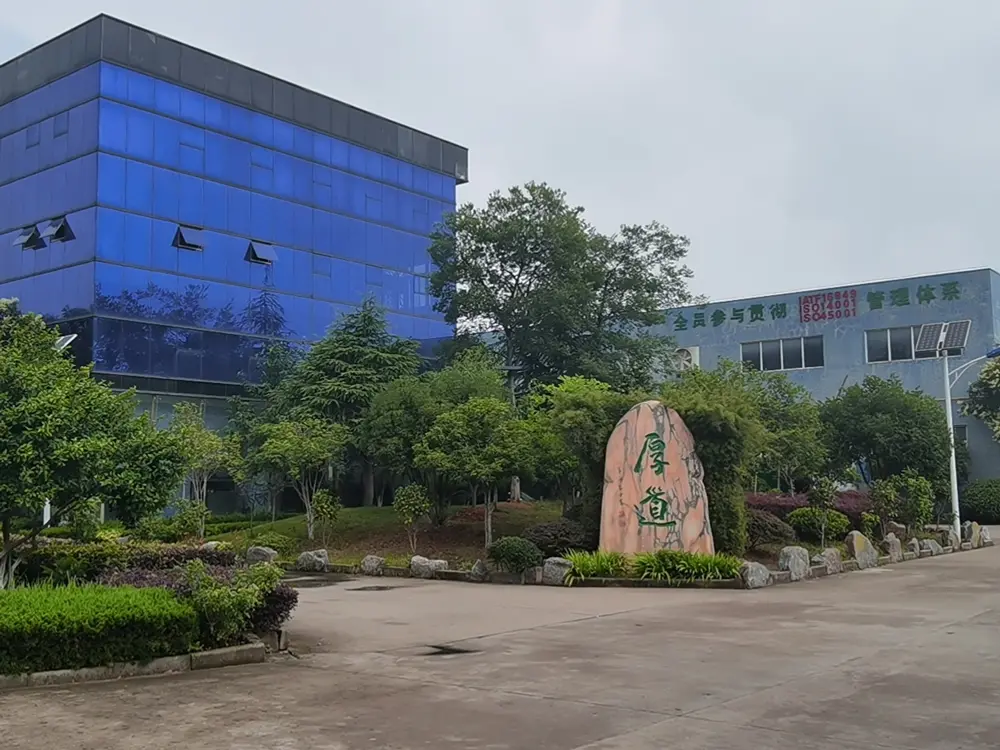
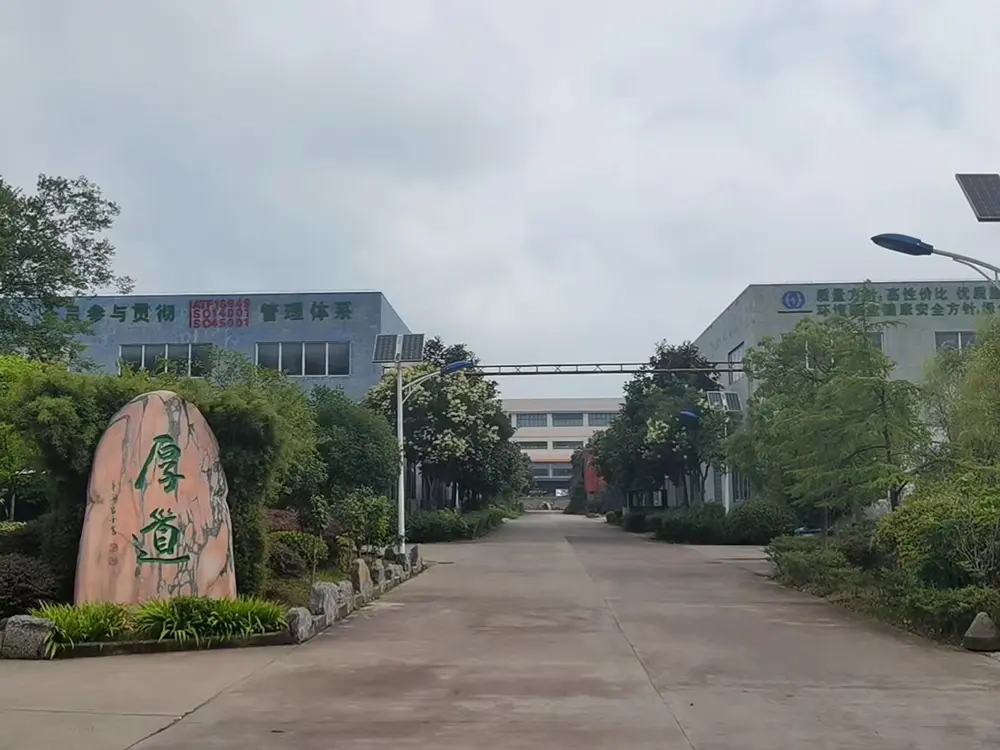
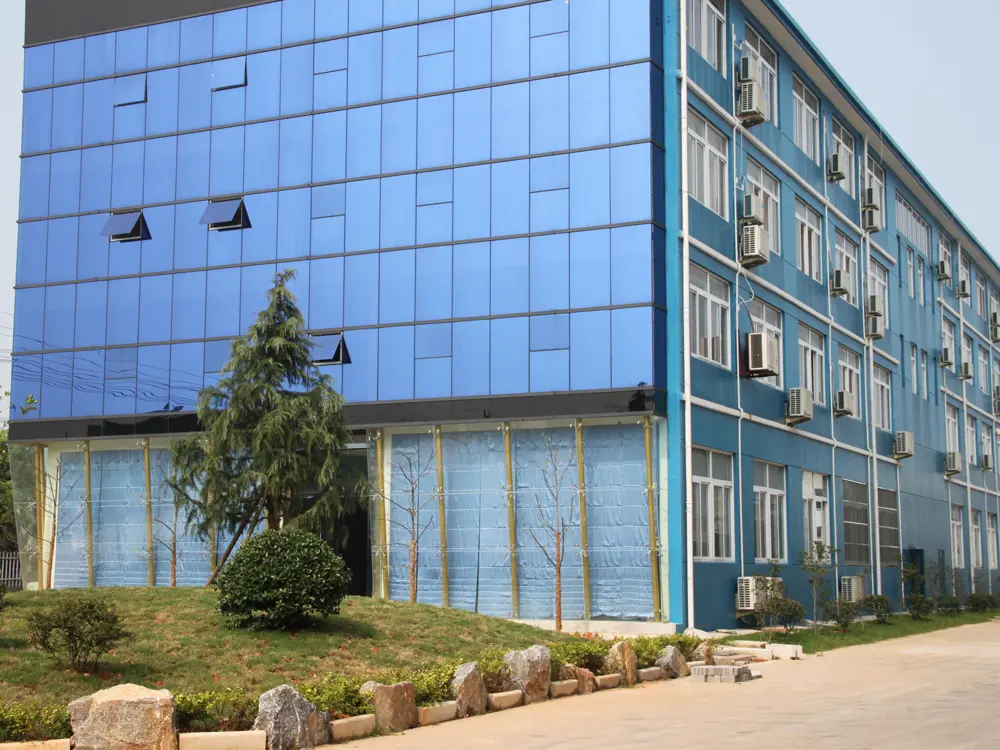
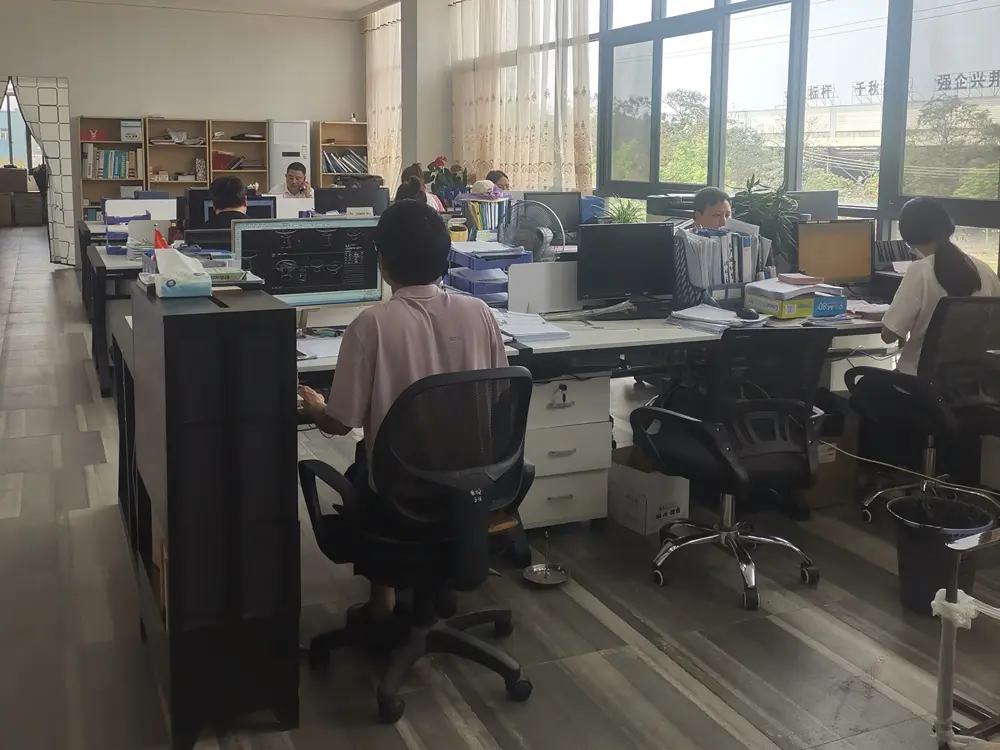
Guangzhou Vita Construction Machinery Co., Ltd. is one of the largest company that combines factory and foreign trade. The factory is located in Xiangyang City, Hubei Province, there are more than 18,000 square meters workshop with several advanced production machines, more than 278 well trained and skilled workers and around 8 experienced engineers assure the good product quality as well as fast and accurate delivery.
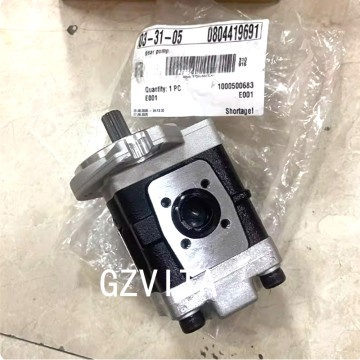
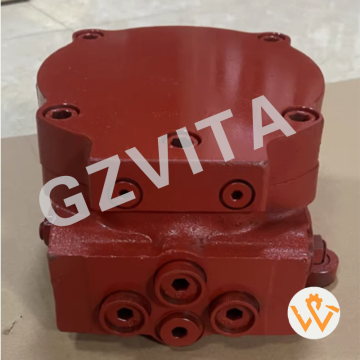
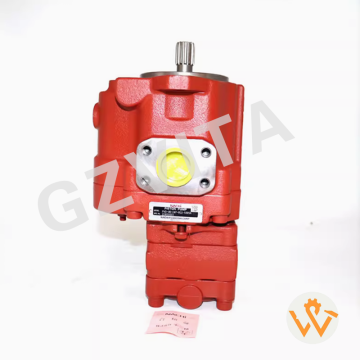
We specialize in producing, developing and selling the whole range of construction machinery parts. Such as engine assembly, hydraulic pump, final drive, electric generating set, engine bearing (Main bearings con Rod Bearing series), crankshafts, engine valves, gear pumps, cylinder, all kinds of filters, excavator bucket, undercarriage parts for excavator and bulldozer... which are used as replacement of many type of machines, the brand include Komatsu, Volvo, Sumitomo, Caterpillar, Kubota, Hitachi, John Deere, Kobelco, Hyundai, Kato, Sany, XCMG, SUNWARD, and other well-know brands.
In the fast-paced world of construction, the reliability and efficiency of your machinery can make or break a project. We understand that high-quality parts are essential for optimal performance. So we aims to provide top-notch construction machinery parts to make customer's machinery running smoothly.
To improve our service, we set up engine maintenance development. In addition to providing customers with engine assemblies, we can also help customers solve various technical problems encountered in the operation and assembly of engines.
We have our own professional maintenance team and can even be invited by customers to arrange for maintenance technicians to go abroad to help customers repair engines.