Leave Your Message
Products Categories
Featured Products

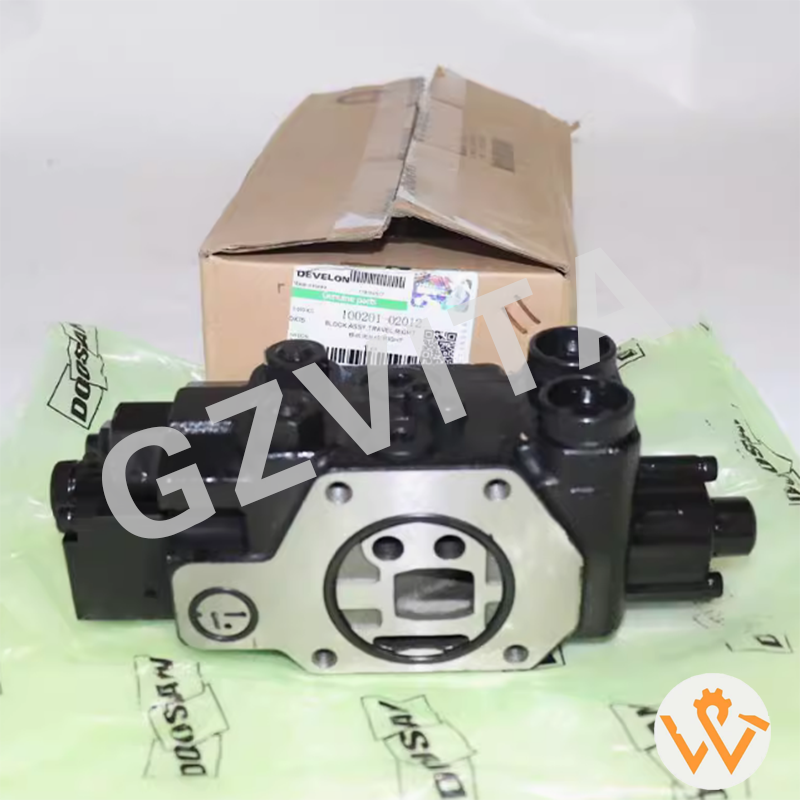
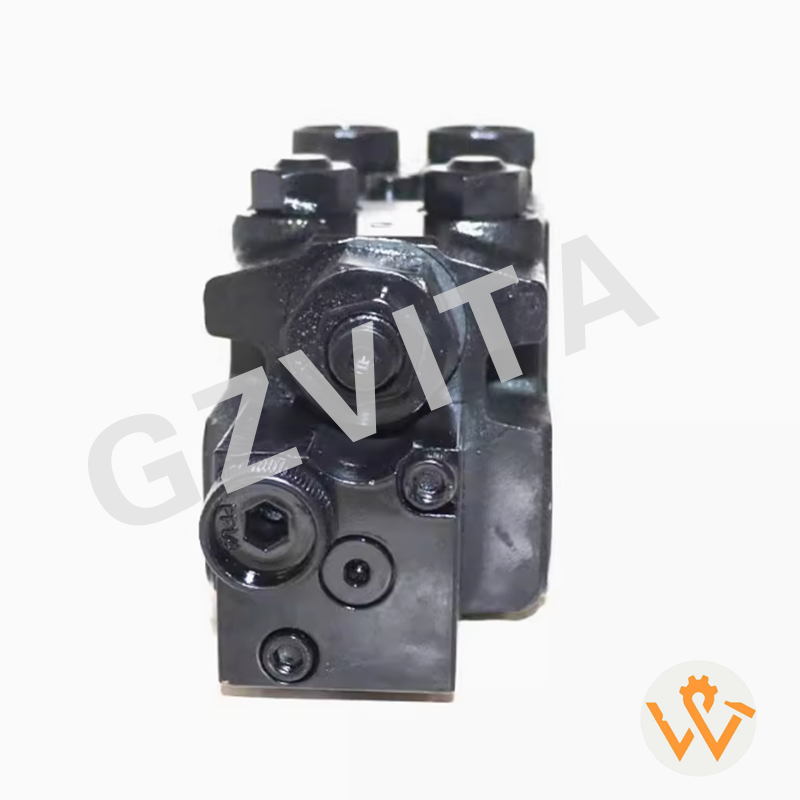
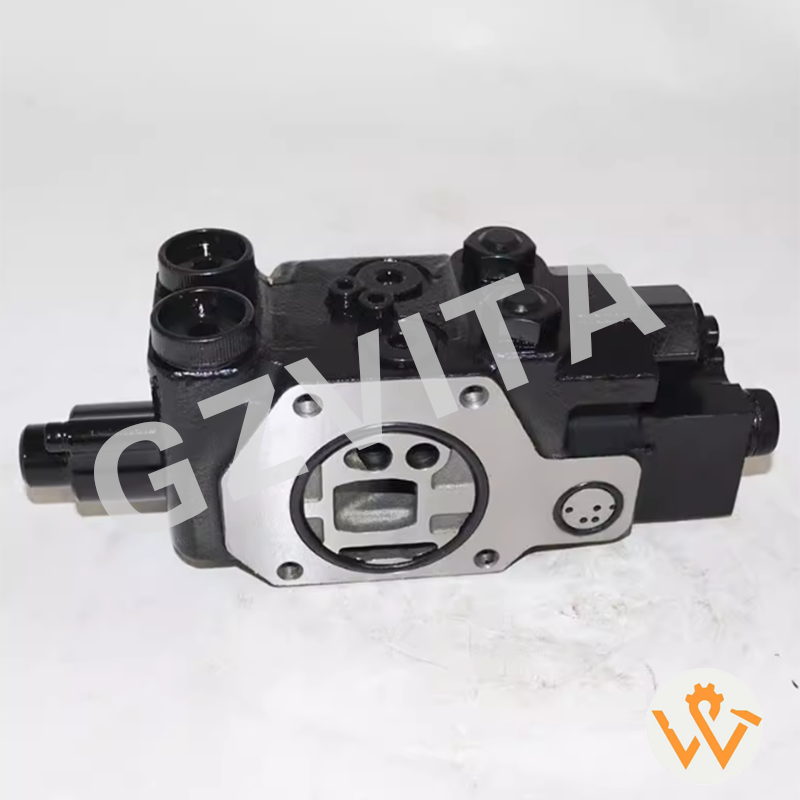
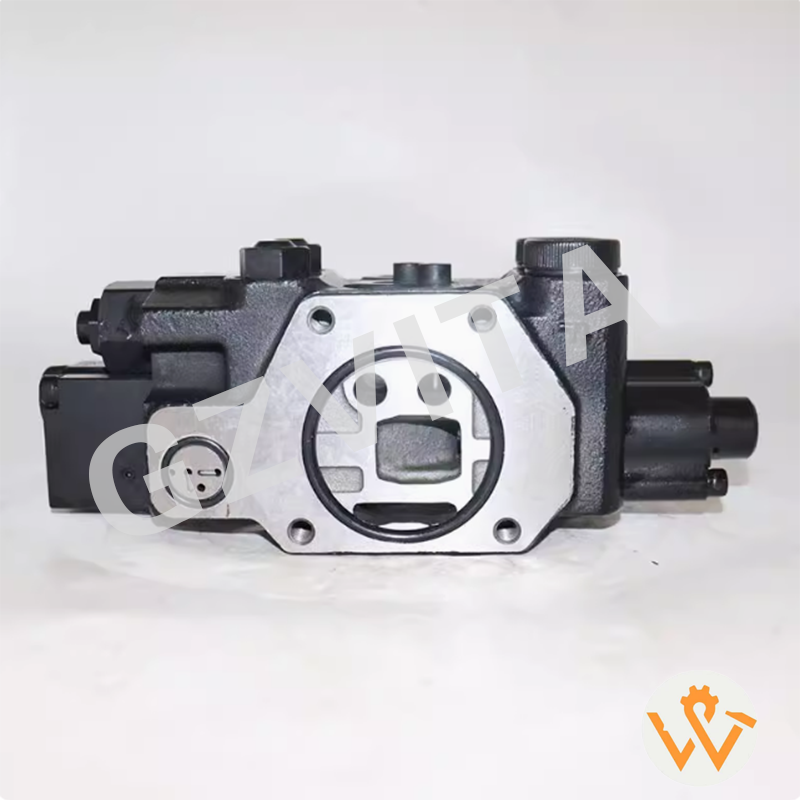
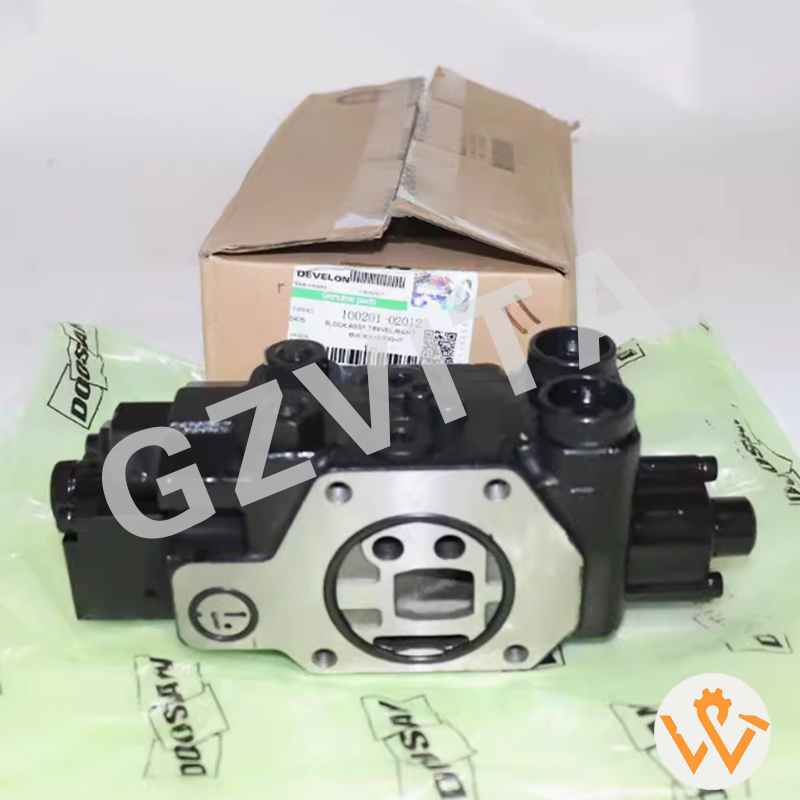
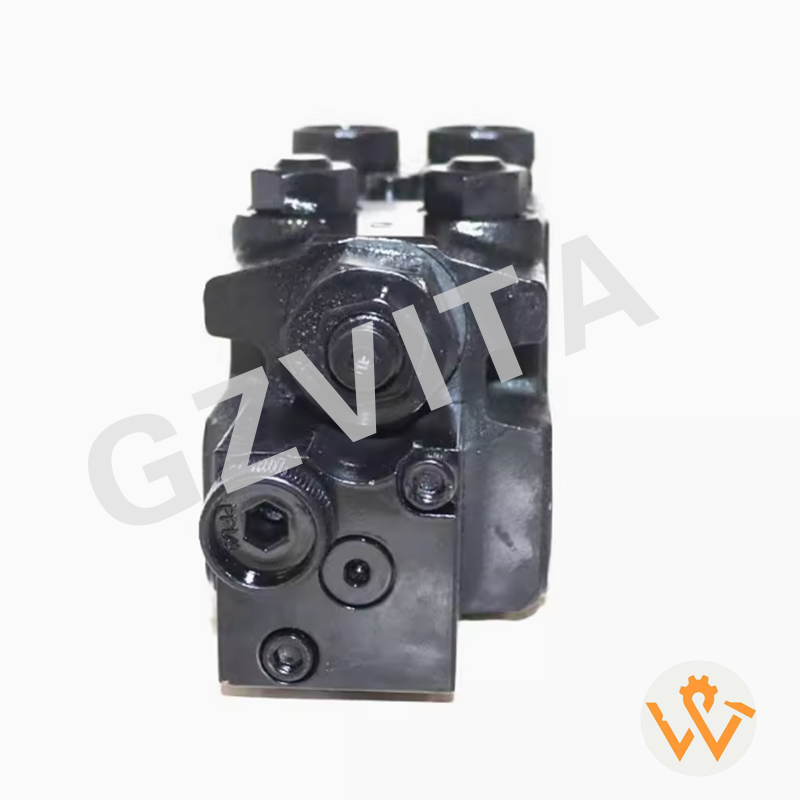
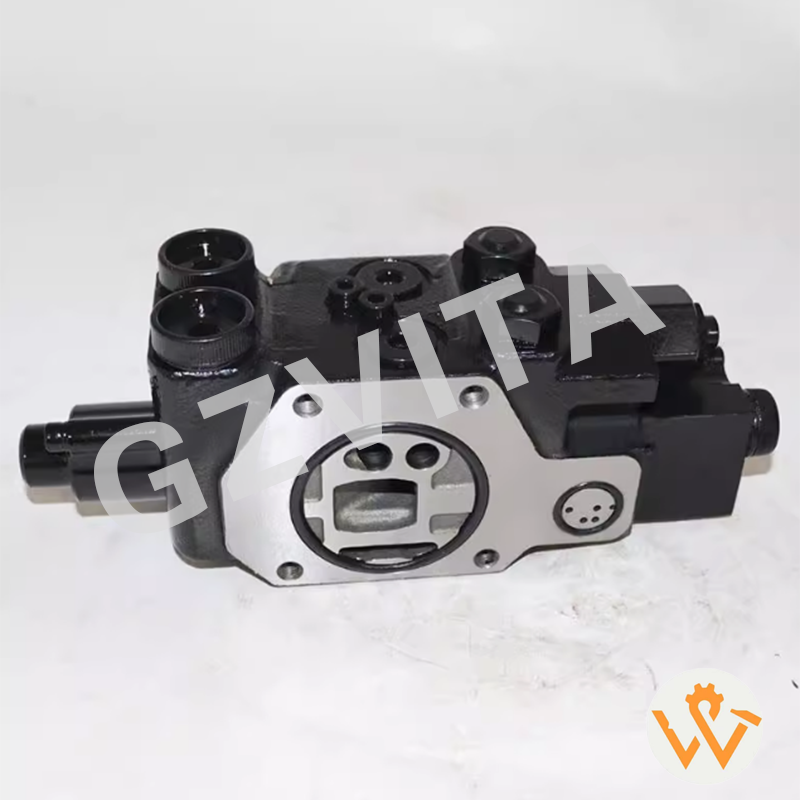
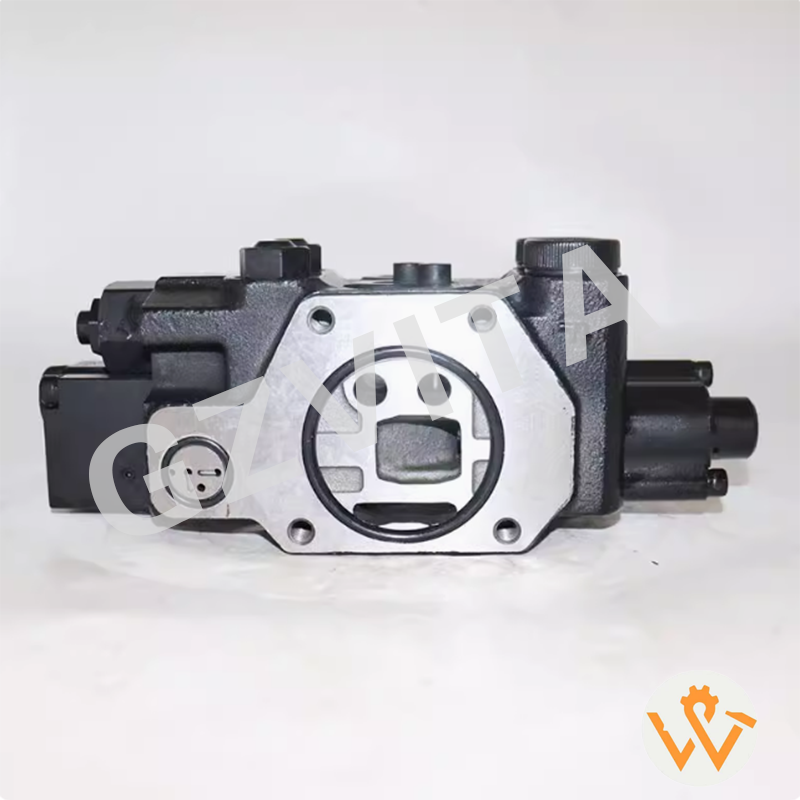
100201-02012 STAR ZEBRA Doosan DiWanlun Left Walking Valve Disc Assembly Valve Block Is Suitable for DX75-9C 80-9C Excavator

Main hydraulic control valve​ – Directs system flow to all functions.

Parallel hydraulic circuit design​ – Allows simultaneous operation of multiple functions.

Load-sensing system integration​ – Works with pumps to deliver on-demand flow.

Pressure compensator spools​ – Maintains consistent speed under varying loads.

Pilot-operated control​ – Uses low-pressure signals for precise valve actuation.

Independent metering control​ – Manages oil flow to both sides of cylinders.

Boom regeneration circuit​ – Improves lowering speed and efficiency.

Arm regeneration circuit​ – Enhances arm retraction speed and energy savings.

Swing priority function​ – Diverts flow to swing during combined operations.

Anti-cavitation valves​ – Prevents vacuum formation in cylinders.

Cross-line relief valves​ – Protects circuits from shock loads during abrupt stops.

Make-up valve function​ – Supplies oil to prevent vacuum during fast cylinder movement.

Attachment flow control (if equipped)​ – Regulates oil to auxiliary hydraulic lines.

Pressure cut-off adjustment​ – Controls maximum system pressure.

Joystick signal interface​ – Connects operator controls to hydraulic spools.

Fine control characteristics​ – Allows precise movements for grading and finishing.

Detent mechanism (for certain functions)​ – Locks valves for continuous operation.

Neutral bypass passage​ – Directs unused pump flow back to tank with minimal pressure.

Port relief valves​ – Protect individual cylinders from overpressure.

Load check valves​ – Hold cylinder positions when levers are in neutral.

Stackable modular design​ – Simplifies maintenance and function expansion.

Cast iron or ductile iron body​ – Provides durability and pressure resistance.

Hardened steel spools and sleeves​ – Ensures long service life with minimal leakage.

Integrated test ports​ – For system diagnostics and pressure measurement.

Float function capability​ – Allows attachment to follow ground contours.

Return line to hydraulic tank​ – Channels spent oil back for cooling and filtration.

Compatibility with load-sensing pumps​ – Forms efficient closed-center system.

Shock absorption design​ – Reduces hydraulic hammer during valve shifting.

Multi-function parallel operation​ – Enables smooth combined movements.

Core hydraulic management component​ – Essential for all excavator digging, lifting, and swing operations.

    How to choose the correct Fuel Pressure Sensor Assembly?

    Choosing the correct Common Rail Pressure Sensor for an excavator involves several important steps. Here’s a guide to help you make the right choice:

    Identify the Make and Model: Start by identifying the make, model, and year of the excavator. Different models may have different specifications for sensors.

    Check the Engine Specifications: The Common Rail Pressure Sensor is often specific to the engine type. Check the engine model and specifications, as the sensor must be compatible with the engine’s fuel system.

    Consult the Service Manual: Refer to the excavator’s service manual or technical documentation. This will provide detailed information about the required sensor specifications, including part numbers.

    OEM vs. Aftermarket:

    Decide whether you want to use an Original Equipment Manufacturer (OEM) part or an aftermarket part. OEM parts are typically more reliable but can be more expensive. Aftermarket parts may offer cost savings but ensure they meet quality standards.

    Check Connector Type and Pin Configuration:

    Ensure that the connector type and pin configuration of the sensor match the existing wiring harness in the excavator. Mismatched connectors can lead to installation issues.

    Pressure Range and Specifications:

     Verify the pressure range and specifications of the sensor. It should match the operational requirements of the common rail system in the excavator.

    Quality and Reliability:

    Look for sensors from reputable manufacturers known for quality and reliability. Reading reviews and seeking recommendations can help.

    Warranty and Support:

     Check if the sensor comes with a warranty and what kind of customer support is available. This can be important if you encounter issues after installation.

    Leave Your Message