Leave Your Message
Products Categories
Featured Products

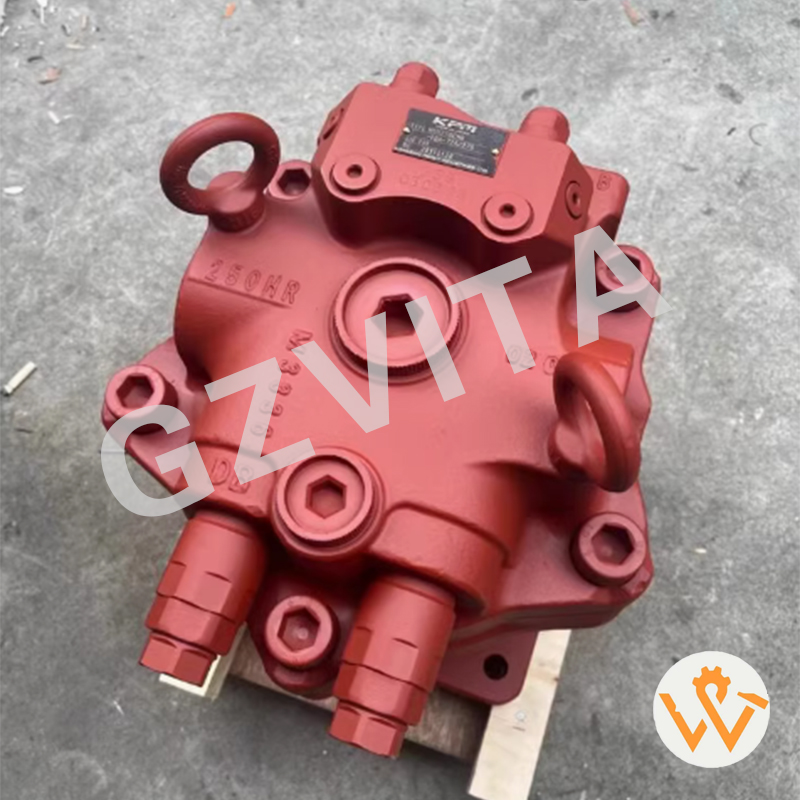
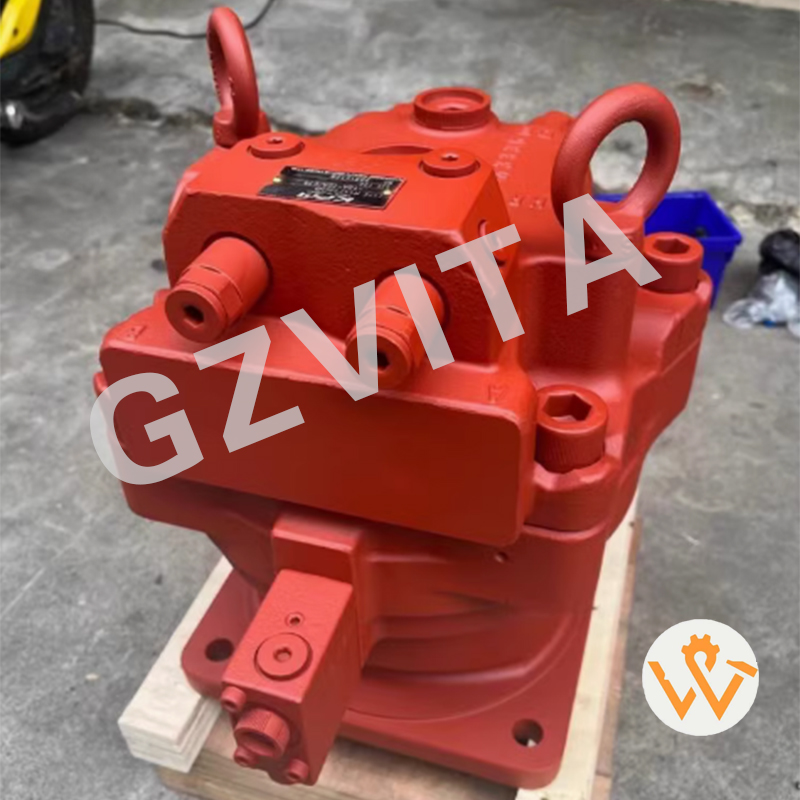
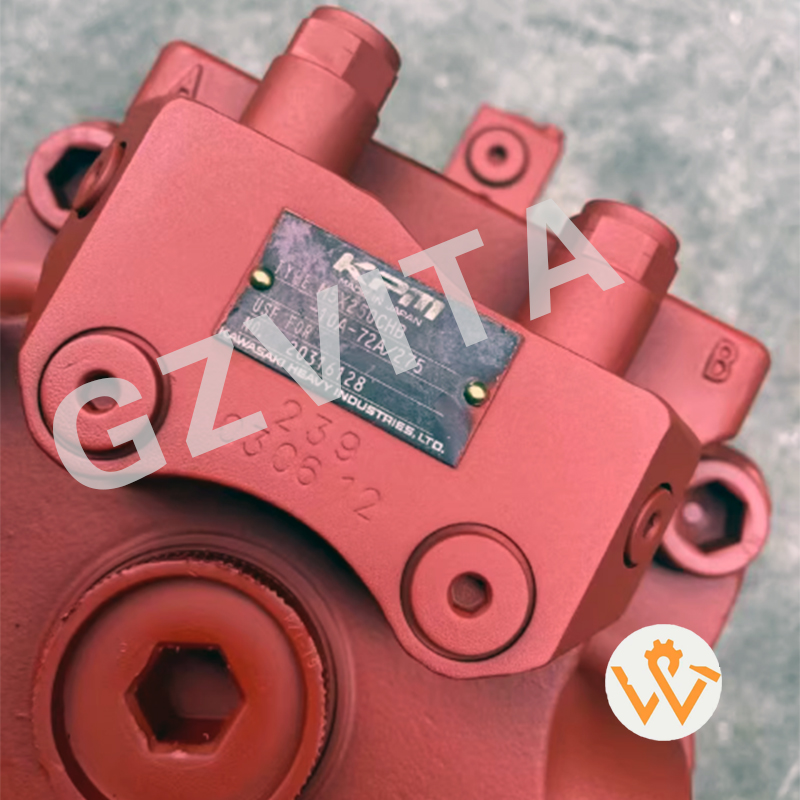
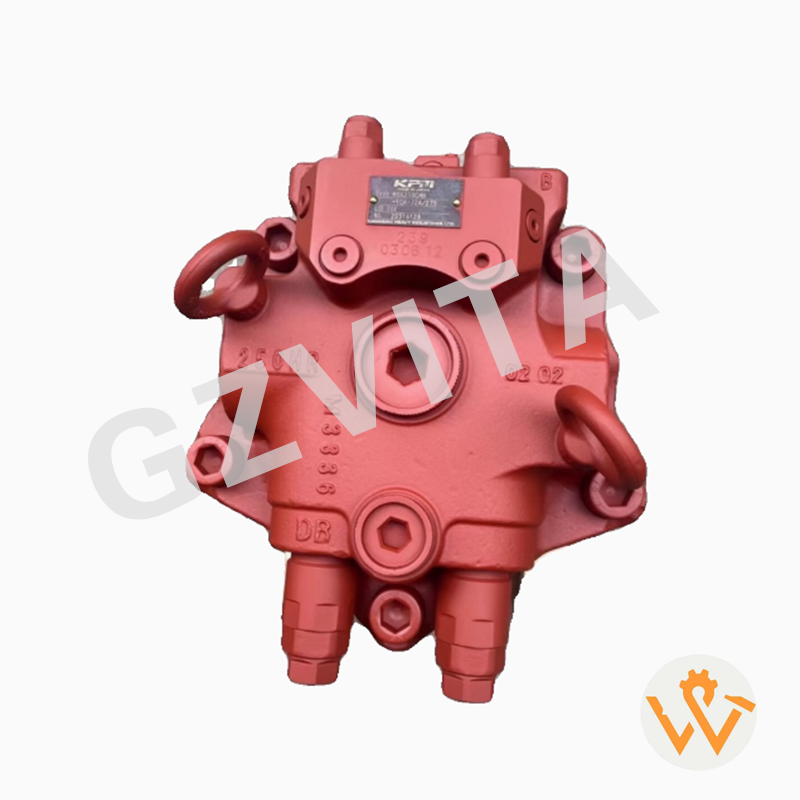
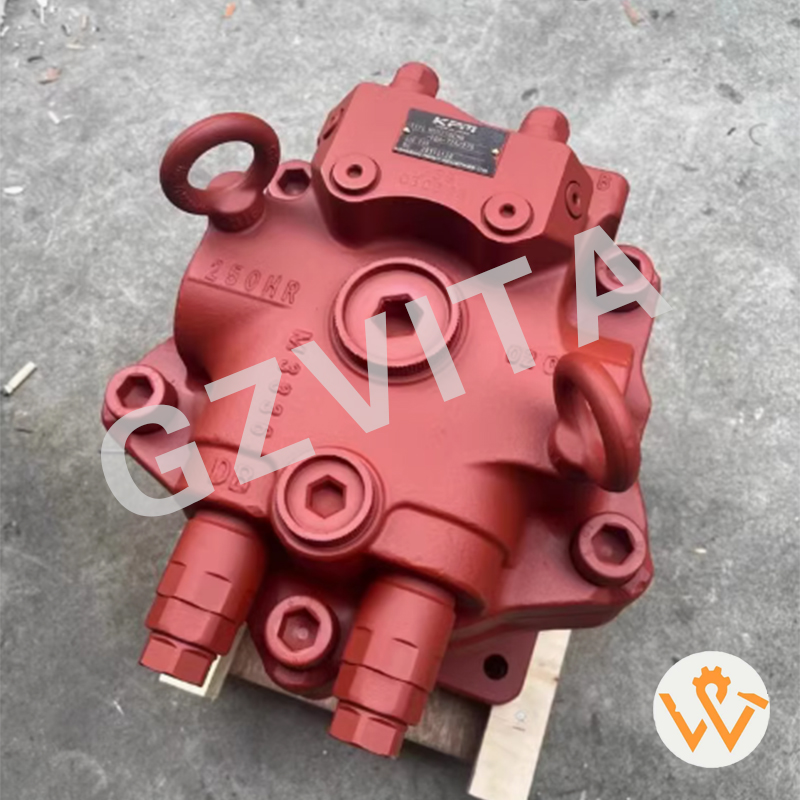
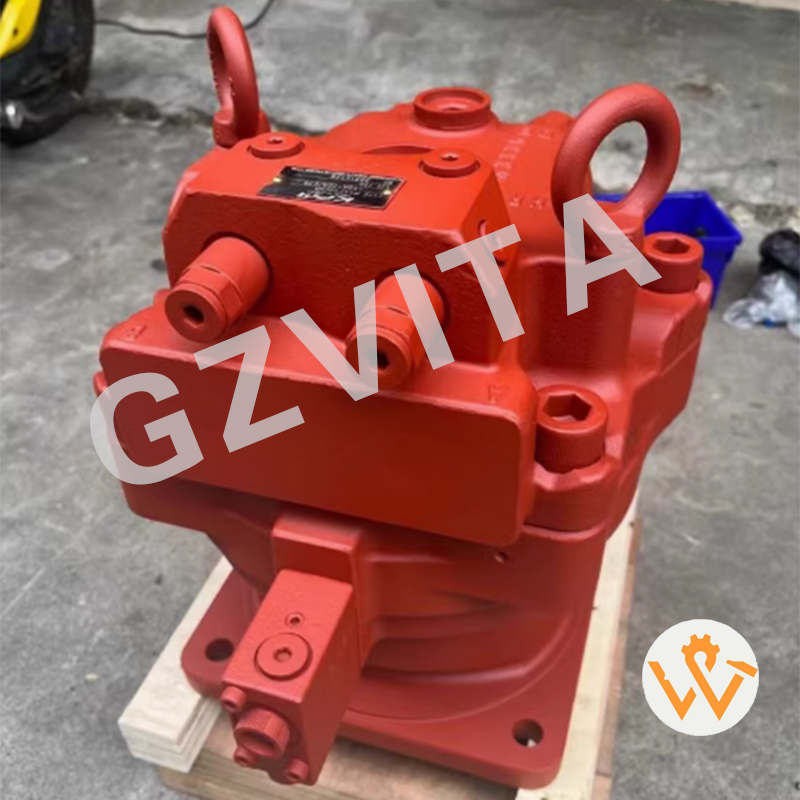
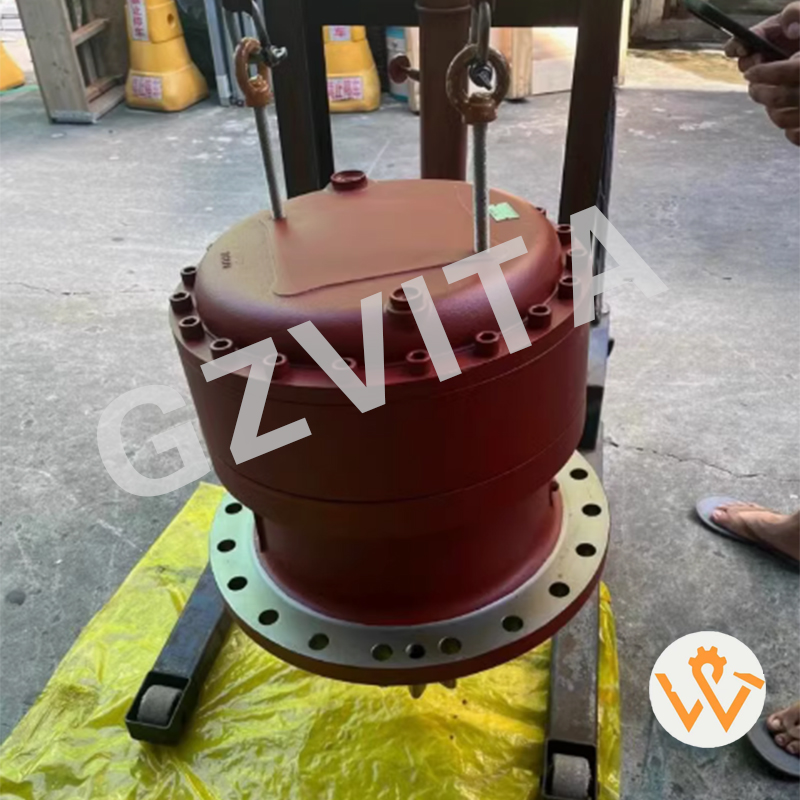
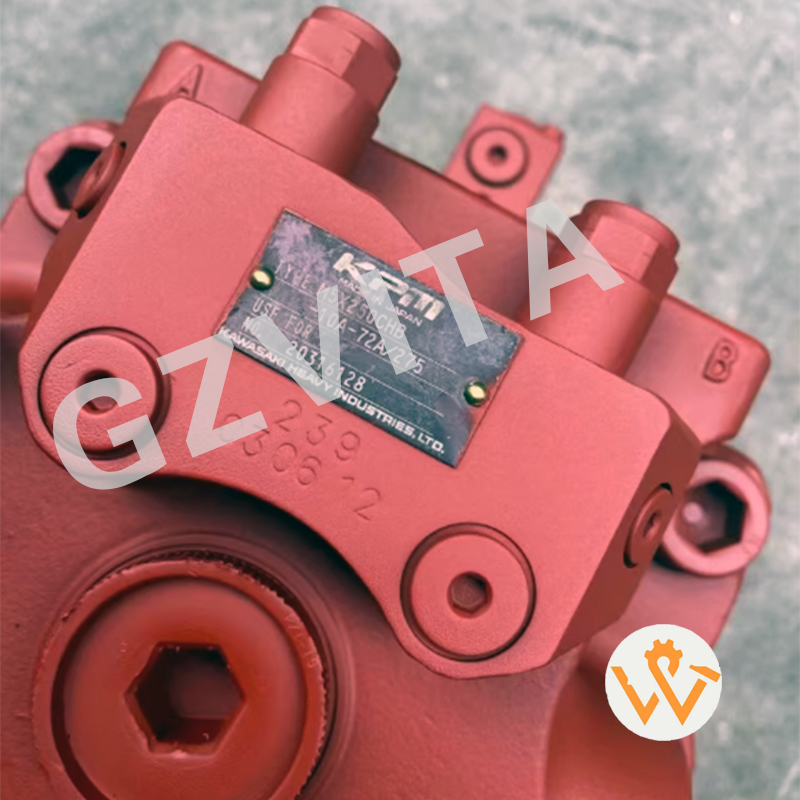
LG948E 950E 952E 956E Rotary pump Slewing Motor Swing Motor Gear Box Assy M5X250

Daily Inspection

Visual inspection for leaks – Check all connections, seals, and housing for hydraulic oil leaks.

Monitor swing performance – Note any slowing, jerking, or loss of power during rotation.

Listen for unusual noises – Grinding, whining, or knocking sounds may indicate wear.

Check pump mounting bolts – Ensure they are tight and secure to prevent misalignment.

Inspect drive coupling – Look for cracks, wear, or damage in the flexible coupling.

Monitor hydraulic oil temperature – Abnormal heat may indicate pump inefficiency.

Check case drain flow – Excessive leakage from the drain line suggests internal wear.

Verify system pressure – Use gauges to ensure swing circuit pressure is within specifications.

Inspect electrical connections – For electronically controlled pumps, ensure connectors are clean and tight.

Observe swing drift – Excessive drift when stopped may indicate pump or valve issues.

Check breather/filter cap – Ensure it is clean and functioning to prevent contamination.

Routine Maintenance

Maintain proper oil level – Check and top up hydraulic oil regularly.

Use recommended hydraulic oil – Follow manufacturer’s viscosity and quality specifications.

Change hydraulic filters – Replace at specified intervals to prevent contamination.

Monitor oil cleanliness – Perform oil analysis if possible to detect early wear.

Check pump alignment – Misalignment causes premature wear and vibration.

Inspect suction line – Ensure it is free of restrictions or air leaks.

Bleed air from the system – If pump operation is noisy or erratic.

Clean the pump exterior – Remove dirt and debris to improve heat dissipation.

Lubricate linkage points – If the pump has external control linkages.

Record operating hours – Schedule maintenance based on service intervals.

Inspect cooling system – Ensure the oil cooler is clean and functional.

Operation & Monitoring

Avoid prolonged holding – Do not hold the swing against an obstacle for extended periods.

Prevent shock loads – Avoid sudden, jerky swing movements.

Allow warm-up time – Operate at low speed initially in cold conditions.

Monitor swing motor performance – Issues may originate from the motor, not the pump.

Check related valves – Inspect swing relief and control valves for proper function.

Avoid cavitation – Ensure proper inlet conditions and oil viscosity.

Train operators – Teach proper swing operation techniques to reduce pump stress.

Follow manufacturer’s guidelines – Adhere to all specific inspection and maintenance procedures.

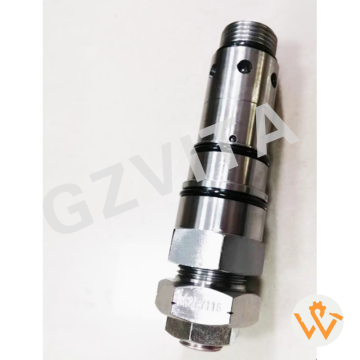
    The Importance of Valve GP-Ban 563-3958 for MH3040

    The Valve GP-Ban 563-3958 is a critical component in the hydraulic system of the CAT MH3040 material handler. This valve plays a significant role in controlling the flow and pressure of hydraulic fluid, which is essential for the efficient operation of the machine. Understanding the importance of this valve can help operators and maintenance personnel appreciate its role in the overall functionality and performance of the MH3040.

    Key Functions

    Flow Control: The Valve GP-Ban 563-3958 regulates the flow of hydraulic fluid to various components of the MH3040. By controlling the flow, it ensures that the hydraulic system operates smoothly and efficiently, allowing for precise movements of the machine’s attachments.

    Pressure Regulation: This valve is also responsible for maintaining the appropriate pressure levels within the hydraulic system. Proper pressure regulation is crucial for preventing system overloads, which can lead to equipment failure or damage.

    Safety Mechanism: The valve acts as a safety feature by preventing backflow and ensuring that hydraulic fluid only moves in the intended direction. This helps protect the hydraulic system from potential damage and enhances the overall safety of the machine.

    Impact on Performance

    The performance of the MH3040 is heavily reliant on the proper functioning of the Valve GP-Ban 563-3958. A malfunctioning valve can lead to a range of issues, including:

    Reduced Efficiency: If the valve fails to regulate flow or pressure effectively, it can result in sluggish operation or unresponsive controls, impacting productivity.

    Increased Wear and Tear: Inadequate pressure regulation can cause excessive strain on hydraulic components, leading to premature wear and potential breakdowns.

    Safety Risks: A faulty valve can compromise the safety of the operator and the surrounding environment, increasing the risk of accidents or equipment damage.

    Maintenance Considerations

    Regular inspection and maintenance of the Valve GP-Ban 563-3958 are essential to ensure its optimal performance. Operators should be vigilant for signs of wear, leaks, or irregularities in hydraulic performance. Timely replacement of the valve, when necessary, can prevent more significant issues and extend the lifespan of the hydraulic system.

    Leave Your Message