 +86 18578756148
Leave Your Message
-
CONTACT NUMBER
-
 CONTACT NUMBER
 -
 CONTACT NUMBER
 -
 CONTACT NUMBER
-
 CONTACT NUMBER
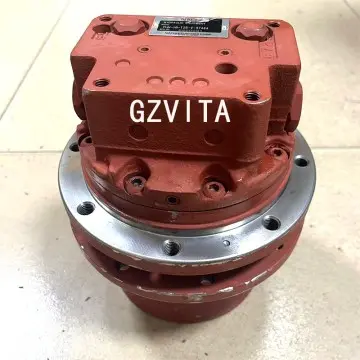
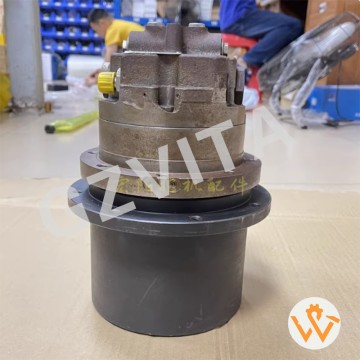
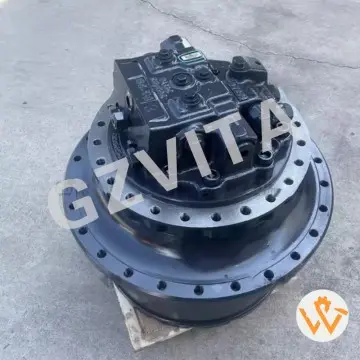
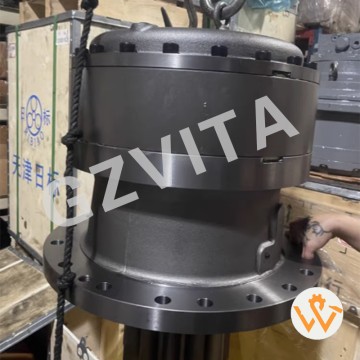
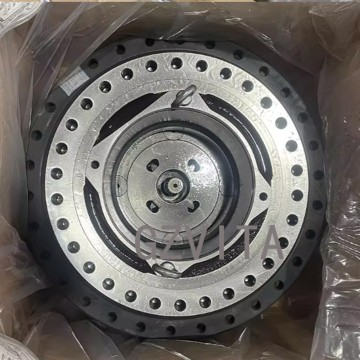
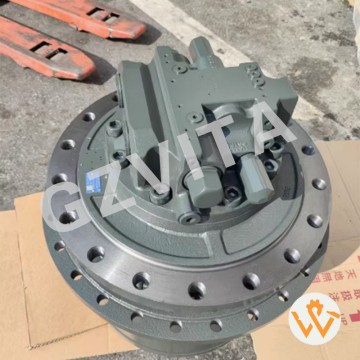
In the highly demanding and unforgiving environment of the maritime industry, the reliability of propulsion and auxiliary power systems is non-negotiable. The Final Drive for Marine Engine Support represents the ultimate mechanical link in translating raw engine power into functional, high-torque kinetic energy. Whether it is applied in dynamic positioning systems, heavy-duty marine winches, anchor handling tugs, or the core propulsion shafts of commercial vessels, the final drive assembly acts as the critical torque multiplier. Unlike standard terrestrial machinery, marine-grade final drives must operate under continuous, extreme loads while constantly resisting the corrosive effects of saltwater, high humidity, and extreme temperature fluctuations.
The current industrial landscape for marine engine support systems is undergoing a massive transformation. Driven by the International Maritime Organization (IMO) regulations regarding energy efficiency and emissions, modern marine vessels require propulsion systems that minimize energy loss. Consequently, the engineering behind the marine final drive has evolved from traditional, bulky gearsets to highly sophisticated, compact, and ultra-efficient planetary gear systems. The global market for these specialized maritime components is expanding rapidly, fueled by the resurgence in global shipping demands, the expansion of offshore renewable energy installations, and the modernization of naval defense fleets. Manufacturers are now heavily investing in advanced metallurgy, utilizing specialized titanium alloys and proprietary anti-corrosion ceramic coatings to ensure these final drives can achieve a lifespan that matches the vessel itself.
The supply chain for marine engine components requires unprecedented resilience. A failure in a final drive while a vessel is mid-ocean can result in catastrophic downtime, costing hundreds of thousands of dollars per day in delayed logistics. Therefore, the industrial standard has shifted towards "zero-defect" manufacturing tolerances. Companies providing Marine Engine Support Final Drives must adhere to rigorous classification society standards (such as DNV, ABS, and Lloyd's Register), ensuring every gear, bearing, and hydraulic seal is tested under simulated deep-sea pressures and dynamic load conditions.
Understanding the versatility of the Final Drive for Marine Engine Support requires a deep dive into its specific operational environments. The maritime sector is not monolithic; it encompasses a wide array of specialized vessels, each demanding unique torque and speed profiles from their final drive assemblies.
For ultra-large container vessels (ULCVs) and bulk carriers, the primary requirement is relentless, continuous operation. The auxiliary engines on these behemoths power massive hydraulic systems, deck cranes, and mooring winches. The final drives integrated into these marine engine support systems must handle extreme static loads when securing a 200,000-ton vessel to a dock, as well as dynamic loads when lifting 40-ton containers in rough sea states. Here, planetary final drives are favored for their load-distribution capabilities, ensuring that torque is spread evenly across multiple gear teeth to prevent mechanical shearing.
Offshore platforms rely heavily on Dynamic Positioning (DP) systems to maintain their exact coordinates over a drill site or wind turbine foundation, regardless of wind or wave action. The final drives supporting the thruster engines in these DP systems must offer instantaneous response times and absolute precision. Furthermore, the final drives used in the jack-up systems of these rigs must possess immense holding power. The integration of advanced hydraulic motors with high-reduction final drives allows these platforms to elevate thousands of tons of steel above the crashing waves safely and efficiently.
In military applications, stealth, reliability, and shock resistance are paramount. Final drives used in naval engine support must be acoustically dampened to reduce the vessel's sonar signature. They are engineered with strict shock-grade specifications to withstand underwater explosions and extreme evasive maneuvers. The materials used are often highly classified composites and alloys designed to operate even if the primary lubrication systems fail during combat scenarios.
Tugboats are the workhorses of the harbor, requiring immense "bollard pull" relative to their size. The azimuth thrusters on modern tugboats utilize specialized vertical and horizontal final drives that allow for 360-degree thrust vectoring. These final drives are subjected to violent, sudden changes in load as the tug pushes or pulls massive ships. The gearboxes must be incredibly robust to absorb these shock loads without transferring damaging vibrations back to the primary marine diesel engines.
The future of the Final Drive for Marine Engine Support is inherently tied to the digital revolution sweeping the maritime industry. Gone are the days when maintenance was purely reactive or based strictly on running hours. Today, the integration of Artificial Intelligence (AI) and the Internet of Things (IoT) is creating a new paradigm of "Smart Final Drives."
Modern marine final drives are increasingly being equipped with embedded micro-sensors that continuously monitor vibration signatures, acoustic emissions, oil temperature, and particulate contamination. This data is fed in real-time to onboard AI processors and transmitted via satellite to onshore engineering headquarters. By utilizing machine learning algorithms, companies can create a "Digital Twin" of the final drive. This AI model predicts microscopic gear wear and bearing fatigue months before a physical failure occurs. This allows ship operators to schedule maintenance precisely during planned port calls, effectively eliminating catastrophic at-sea breakdowns and drastically reducing operational expenditures (OPEX).
Another significant development trend is the push toward eco-friendly and highly compact designs. As marine engine rooms become more crowded with exhaust gas cleaning systems (scrubbers) and alternative fuel tanks (such as LNG or Ammonia), the spatial footprint allowed for engine support components is shrinking. Engineers are designing ultra-compact final drives that deliver 20-30% more torque density than previous generations. Furthermore, there is a strong industry shift towards utilizing biodegradable lubricants within these sealed final drive units, ensuring that in the rare event of a seal failure, the environmental impact on the marine ecosystem is minimized.
The convergence of advanced material science, precision manufacturing, and AI-driven condition monitoring ensures that the final drive will remain the unsung hero of marine engine support—silently and reliably powering the global maritime economy into a more efficient and sustainable future.
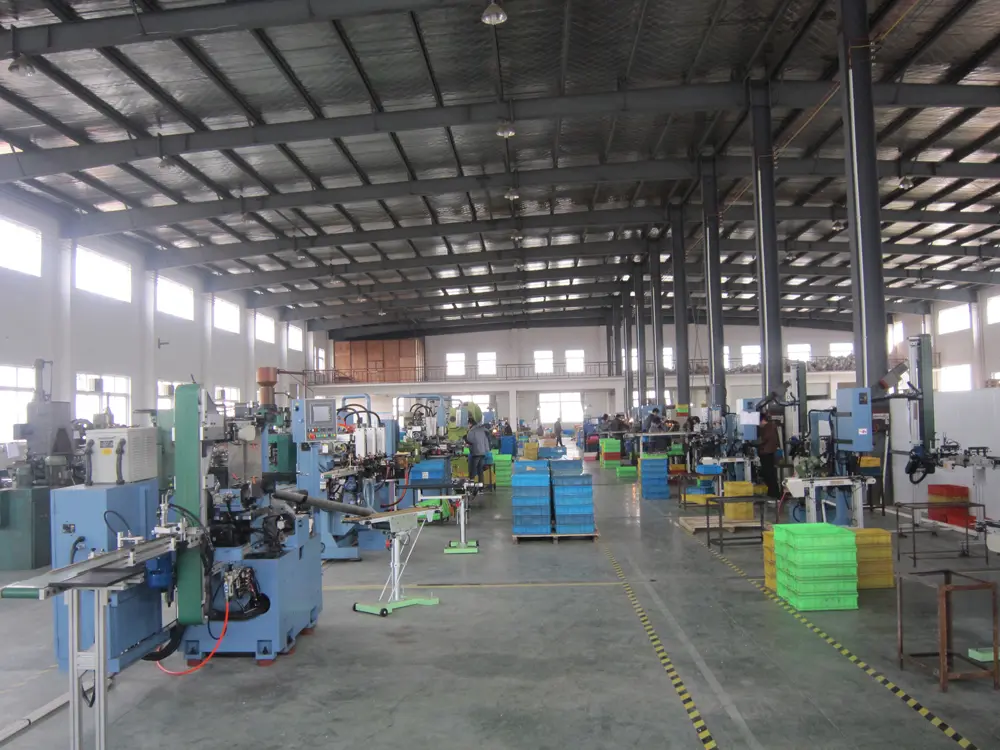
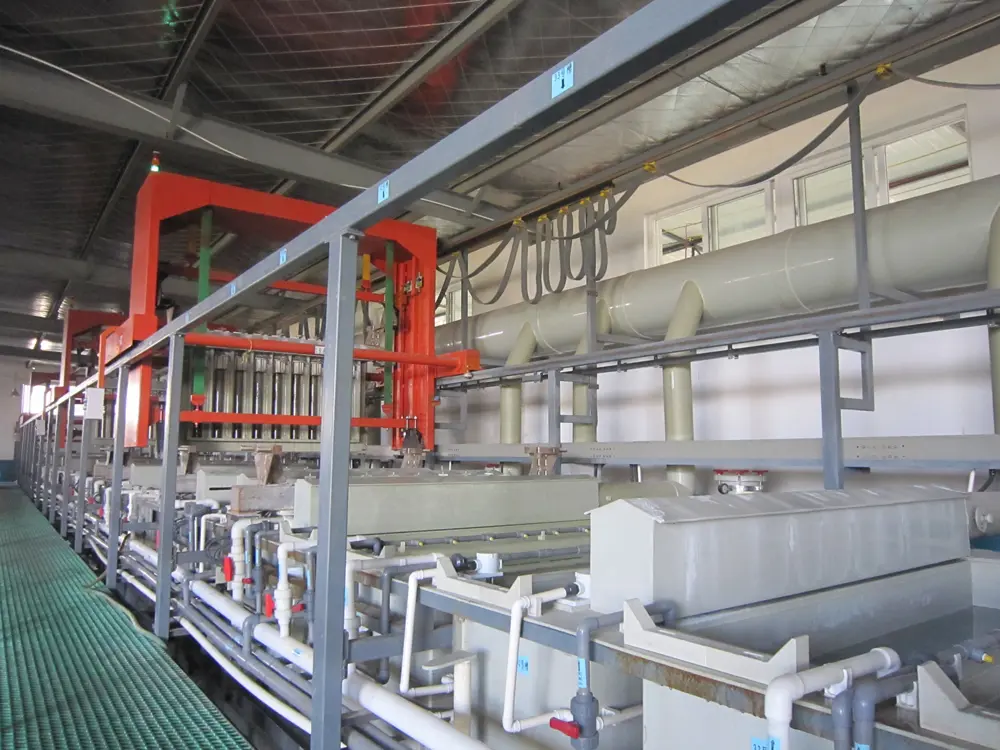
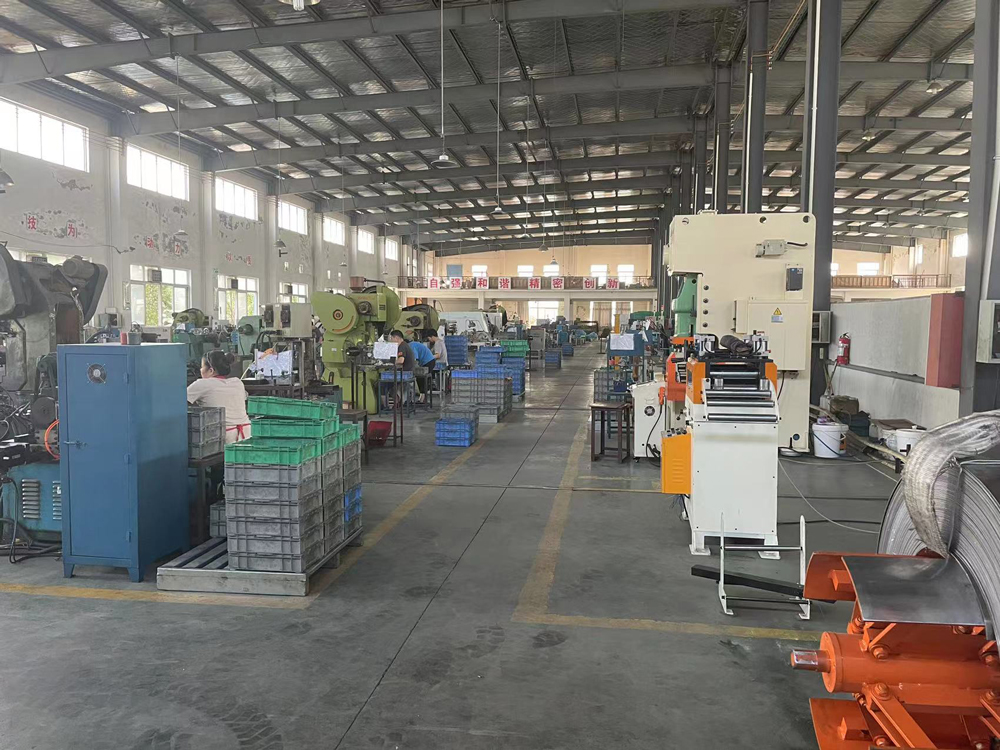
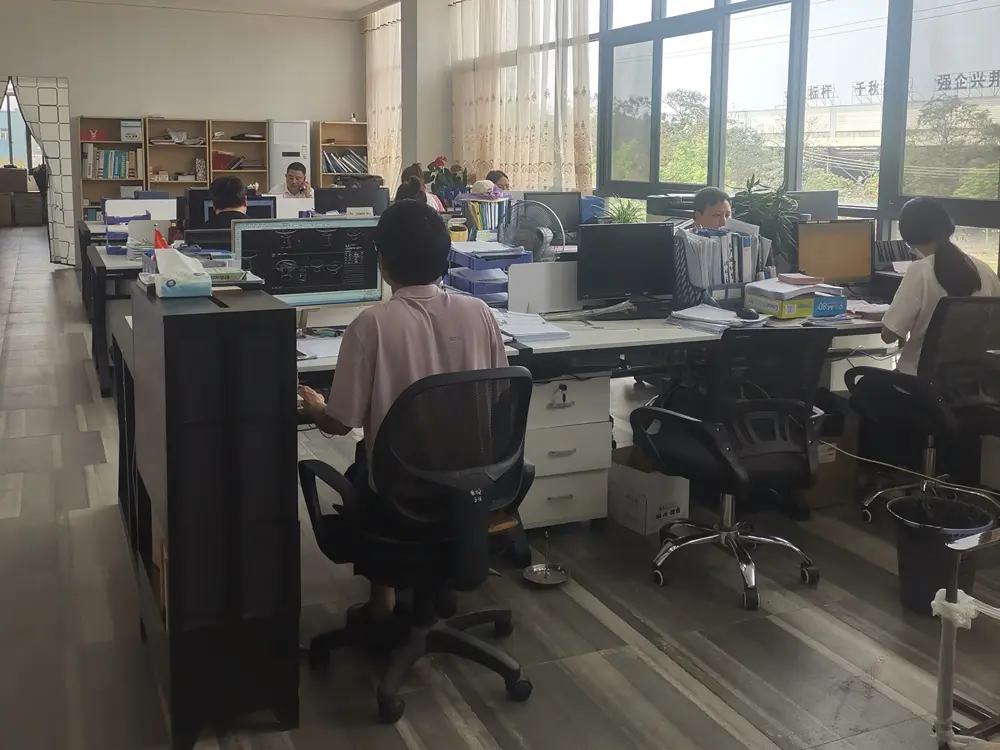
Guangzhou Vita Construction Machinery Co., Ltd. is one of the largest companies that combines factory production and foreign trade, extending its expertise into heavy-duty applications including marine engine support systems. The factory is located in Xiangyang City, Hubei Province, boasting more than 18,000 square meters of workshop space equipped with several advanced production machines. Our workforce of more than 278 well-trained, skilled workers and around 8 experienced engineers assures exceptional product quality as well as fast and accurate delivery for critical marine and industrial components.
We specialize in producing, developing, and selling a comprehensive range of heavy machinery parts that are highly adaptable for marine engine support. Such as engine assemblies, hydraulic pumps, final drives, electric generating sets, engine bearings (Main bearings, con Rod Bearing series), crankshafts, engine valves, gear pumps, cylinders, and all kinds of filters. While widely used in construction machinery (excavators, bulldozers), our robust components serve as reliable replacements for many types of heavy-duty machines, including marine auxiliary engines. The brands we support include Komatsu, Volvo, Sumitomo, Caterpillar, Kubota, Hitachi, John Deere, Kobelco, Hyundai, Kato, Sany, XCMG, SUNWARD, and other well-known brands.
In the fast-paced world of heavy industry and marine operations, the reliability and efficiency of your machinery can make or break a project. We understand that high-quality parts are essential for optimal performance. So we aim to provide top-notch machinery parts to keep our customer's operations running smoothly, even in the harshest marine environments.
To improve our service, we set up an engine maintenance development division. In addition to providing customers with engine assemblies and final drives, we can also help customers solve various technical problems encountered in the operation, alignment, and assembly of complex engine systems.
We have our own professional maintenance team equipped with advanced diagnostic tools. We can even be invited by customers to arrange for our technical specialists to go abroad to help customers repair engines and final drives on-site, minimizing critical downtime.
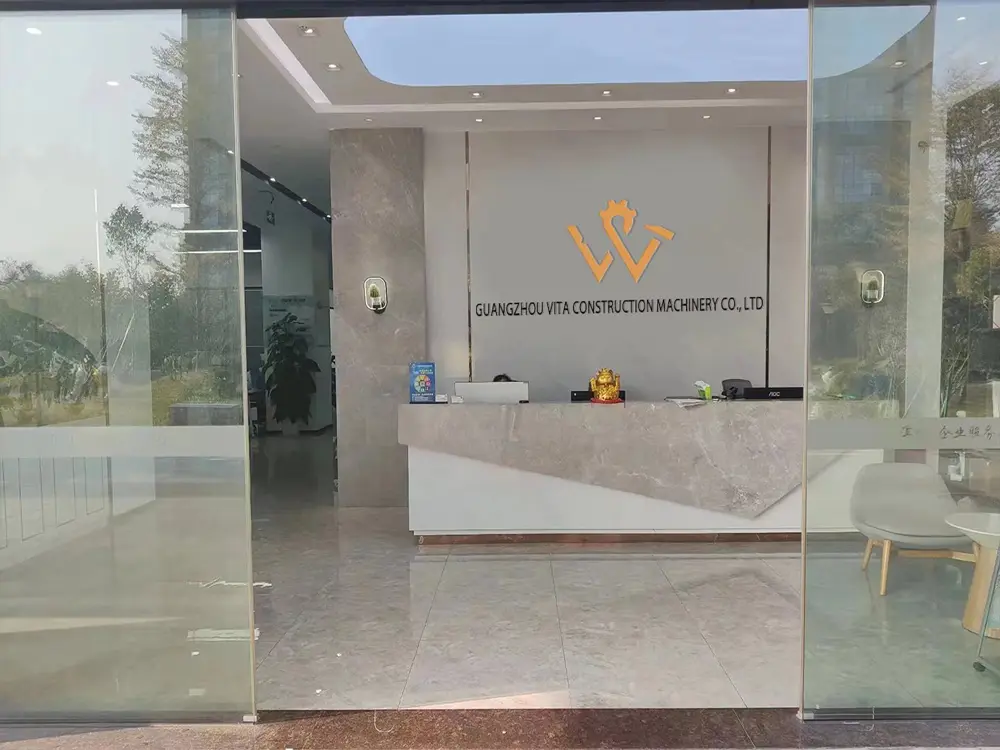
Take a glimpse into our state-of-the-art facilities where precision meets heavy-duty engineering.



Explore our full range of final drives, hydraulic pumps, and slewing motors adaptable for maritime applications.