 +86 18578756148
Leave Your Message
-
CONTACT NUMBER
-
 CONTACT NUMBER
 -
 CONTACT NUMBER
 -
 CONTACT NUMBER
-
 CONTACT NUMBER
In the highly demanding and rigorous environment of modern construction, the concept of construction fleet management has evolved from simple machinery tracking to comprehensive, data-driven lifecycle optimization. At the very heart of heavy machinery performance lies a component that is frequently overlooked yet absolutely critical: the flywheel housing. A Flywheel Housing For Construction Fleet Management serves as the foundational protective enclosure that bridges the engine block and the transmission system. It is not merely a piece of cast iron or aluminum; it is a meticulously engineered structural component designed to withstand immense torsional stress, extreme vibrations, and harsh environmental contaminants.
For fleet managers overseeing dozens or hundreds of excavators, wheel loaders, and bulldozers, the integrity of the flywheel housing directly correlates to the Total Cost of Ownership (TCO). When a flywheel housing fails—whether due to micro-fractures from continuous heavy loads, poor alignment, or material fatigue—the resulting downtime is catastrophic. It requires decoupling the engine and transmission, leading to massive labor costs and project delays. Therefore, selecting premium, precision-machined flywheel housings, such as those tailored for the CAT312B, 320B, and 320D series, is a strategic imperative for modern fleet operations aiming to maximize uptime and profitability.
📊The current industrial status of construction machinery components is experiencing a paradigm shift. Historically, parts procurement was reactive—fixing machinery only when a breakdown occurred. Today, the commercial landscape is dominated by proactive and predictive fleet management strategies. The global construction equipment market is expanding, driven by massive infrastructure projects and urbanization. Consequently, the demand for high-endurance replacement parts has skyrocketed. Fleet operators are no longer settling for sub-par aftermarket alternatives; they demand OEM-quality or superior components that guarantee longevity.
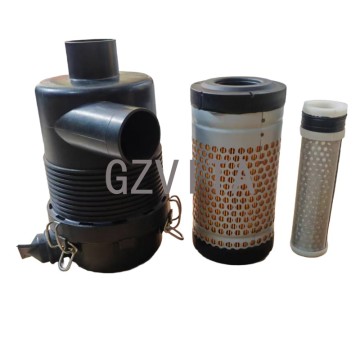
Within this ecosystem, the flywheel housing has become a focal point of quality assurance. The manufacturing of these components now involves advanced metallurgy, utilizing nodular cast iron or high-grade aluminum alloys to reduce weight while exponentially increasing tensile strength. Furthermore, the commercial sector is witnessing a consolidation where fleet managers prefer to partner with comprehensive manufacturers and suppliers who can provide end-to-end solutions—from the housing itself to the associated lip seals and air filter assemblies. This holistic approach ensures compatibility, reduces procurement friction, and establishes a reliable supply chain, which is vital when managing a diverse fleet of brands like Caterpillar, Komatsu, Kubota, and Volvo.
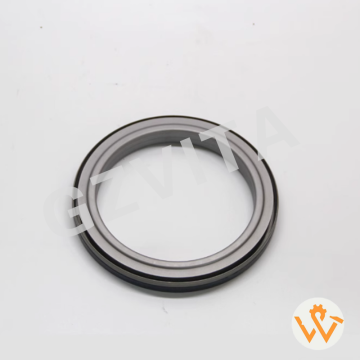
To truly understand the value of a high-quality Flywheel Housing For Construction Fleet Management, one must examine its deep application scenarios across various types of heavy machinery. Consider the operation of a heavy-duty excavator, such as the CAT320 series, working in a rocky quarry. The engine is constantly subjected to sudden load changes as the bucket strikes unyielding rock. These shockwaves travel directly through the drivetrain. The flywheel housing must absorb these kinetic impacts, maintaining absolute perfect alignment between the engine's crankshaft and the hydraulic pump drive. Even a millimeter of deflection can cause catastrophic wear on the bearings and lip seals (such as the 5I7660 CAT Original Flywheel Housing Lip Seal), leading to oil leaks and eventual engine seizure.
Similarly, in wheel loaders like the 910G operating in highly abrasive, dust-filled environments, the flywheel housing acts as an impenetrable fortress. It seals the sensitive clutch mechanisms or torque converters from external silica and debris. The integration of advanced sealing technologies within the housing architecture is paramount. Fleet managers must account for these specific environmental applications when establishing maintenance protocols. By utilizing robust housings that resist thermal expansion and contraction during continuous 24/7 operations, fleet operators can significantly extend the intervals between major overhauls, thereby keeping the machinery on the site and out of the repair shop.
🛡️As we look to the future, the intersection of mechanical engineering and Artificial Intelligence (AI) is set to revolutionize construction fleet management. The development trend is moving rapidly toward "Smart Components." While a flywheel housing is inherently a passive mechanical part, the future lies in the integration of IoT (Internet of Things) sensors directly embedded into or mounted onto the housing. These AI-driven sensors can monitor real-time vibration frequencies, acoustic emissions, and thermal gradients.
By analyzing this data through machine learning algorithms, fleet management software can predict exactly when a flywheel housing or its internal bearings are beginning to suffer from fatigue, long before a visible crack appears. This AI technology transforms the flywheel housing from a simple metal shield into a critical diagnostic hub for the entire powertrain. Furthermore, advancements in 3D scanning and automated CNC machining powered by AI ensure that every replacement housing manufactured meets microscopic tolerances. As these technologies become more accessible, fleet managers will be able to manage their assets with unprecedented precision, ensuring that inventory is stocked dynamically based on predictive AI models rather than static historical data.
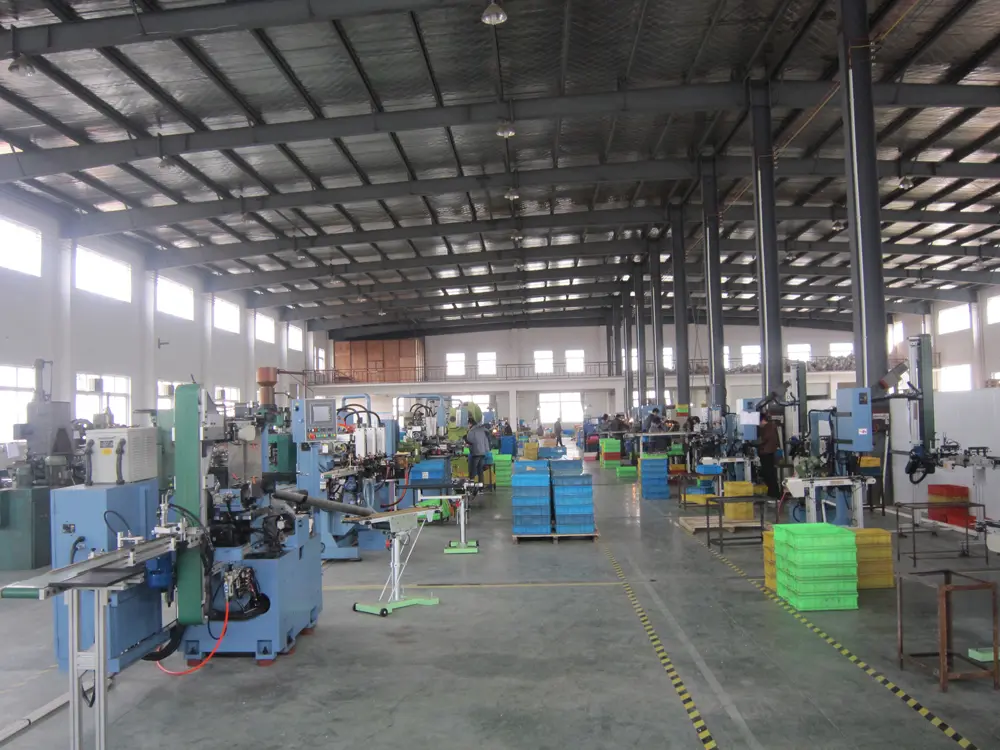
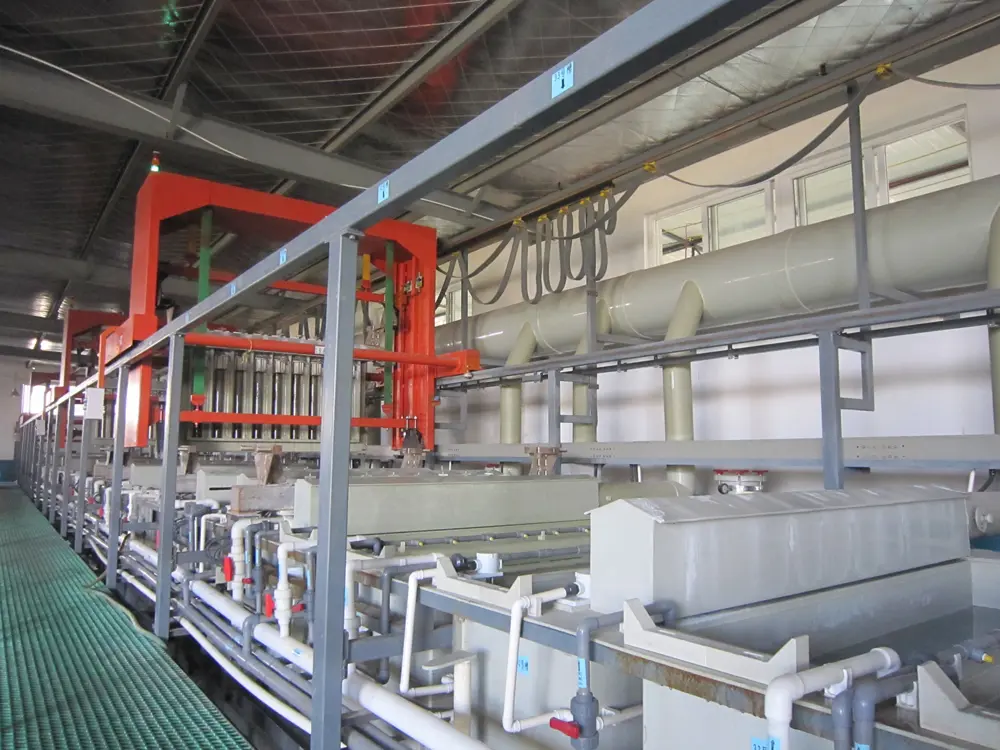
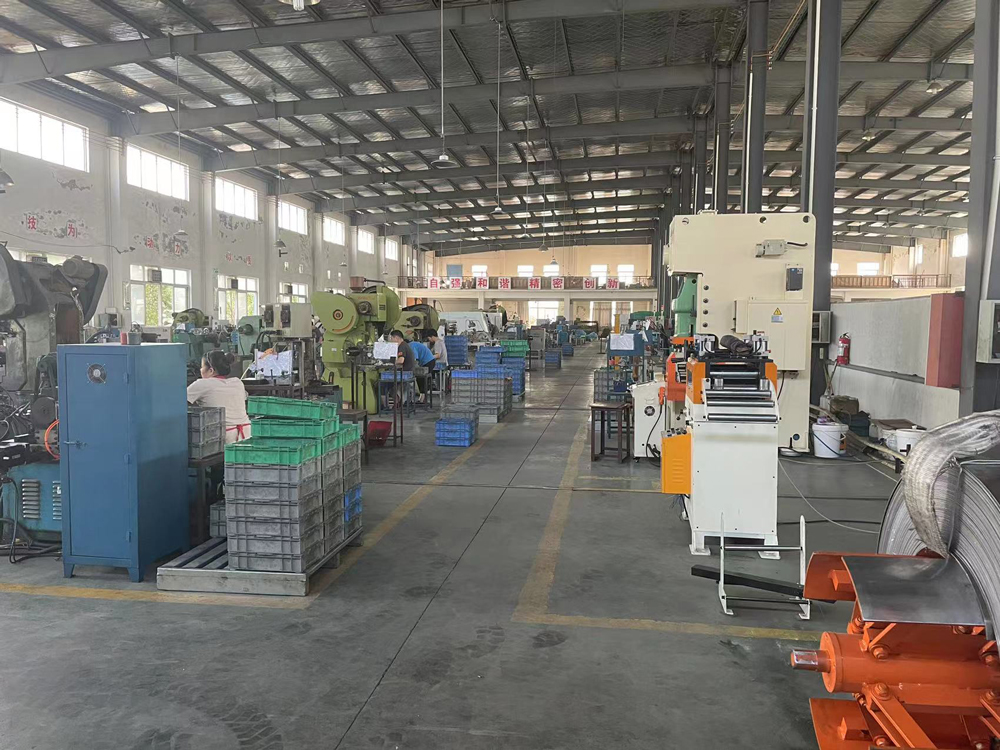
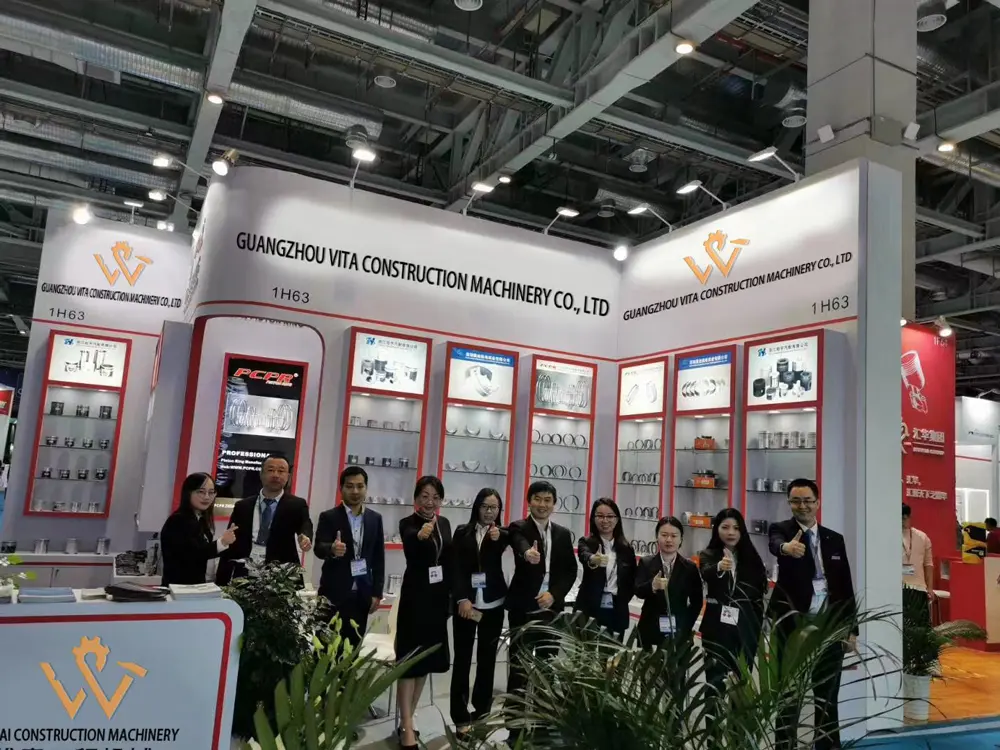
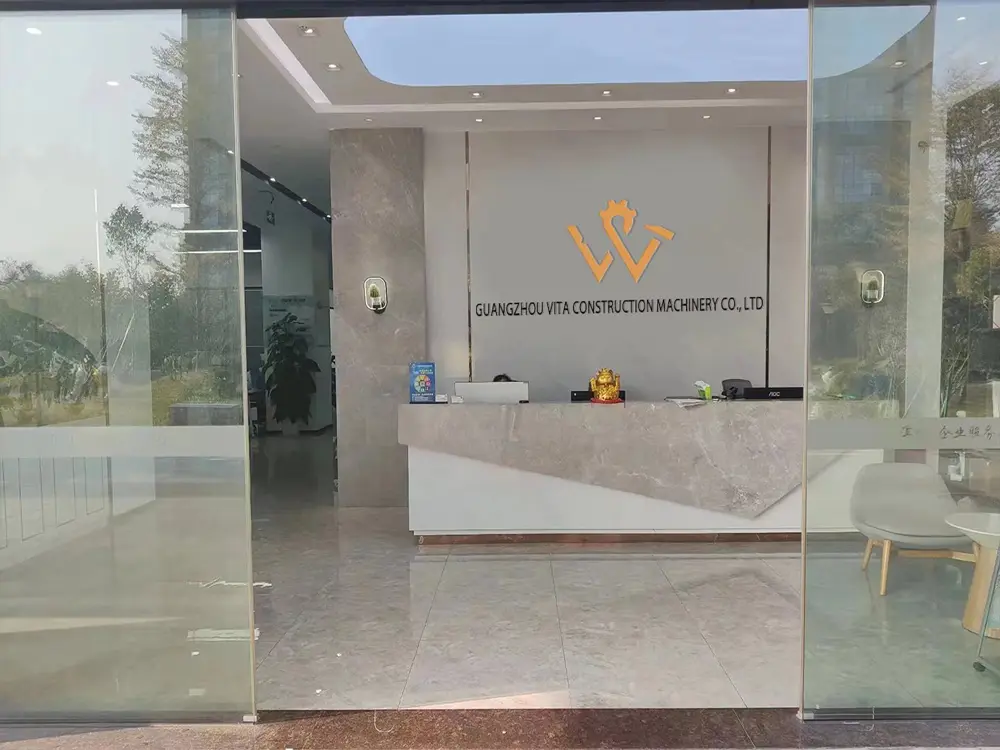
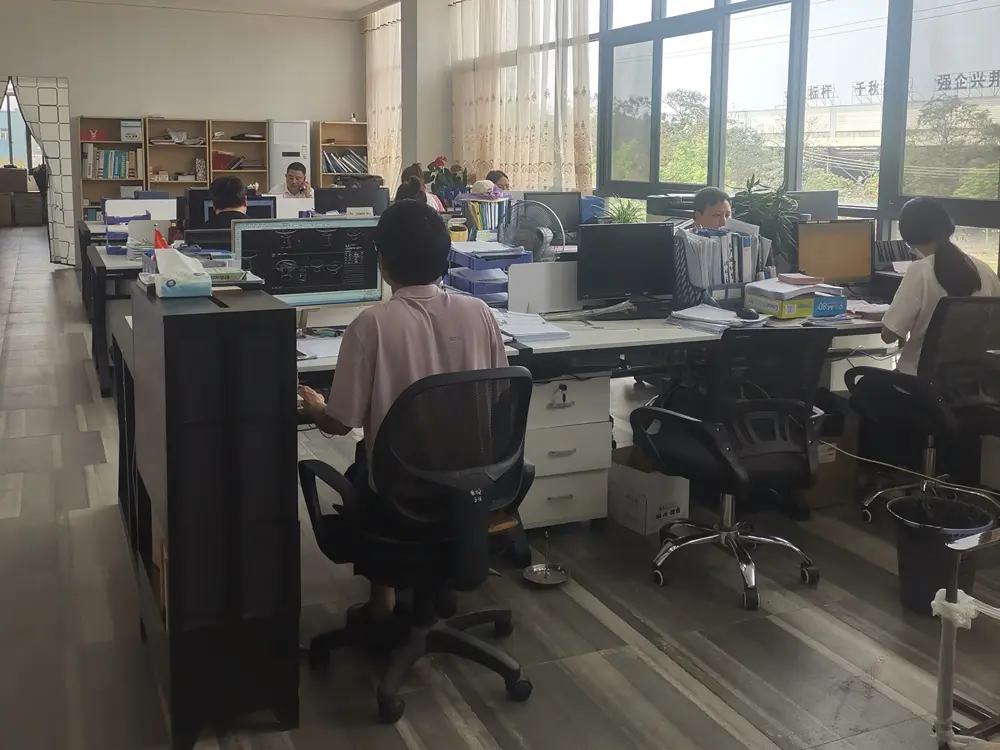
Guangzhou Vita Construction Machinery Co., Ltd. is one of the largest company that combines factory and foreign trade. The factory is located in Xiangyang City, Hubei Province, there are more than 18,000 square meters workshop with several advanced production machines, more than 278 well trained and skilled workers and around 8 experienced engineers assure the good product quality as well as fast and accurate delivery.
We specialize in producing, developing and selling the whole range of construction machinery parts. Such as engine assembly, hydraulic pump, final drive, electric generating set, engine bearing(Main bearings con Rod Bearing series), crankshafts, engine valves, gear pumps, cylinder, all kinds of filters, excavator bucket, undercarriage parts for excavator and bulldozer...which are used as replacement of many type of machines, the brand include Komatsu, Volvo, Sumitomo, Caterpillar, Kubota, Hitachi, John Deere, Kobelco, Hyundai, Kato, Sany, XCMG, SUNWARD, and other well-know brands.
In the fast-paced world of construction, the reliability and efficiency of your machinery can make or break a project. We understand that high-quality parts are essential for optimal performance. So we aims to provide top-notch construction machinery parts to make customer's machinery running smoothly.
To improve our service, we set up engine maintenance development, In addition to providing customers with engine assemblies, we can also help customers solve various technical problems encountered in the operation and assembly of engines.
We have our own professional maintenance team and can even be invited by customers to arrange for maintenance technicians to go abroad to help customers repair engines.