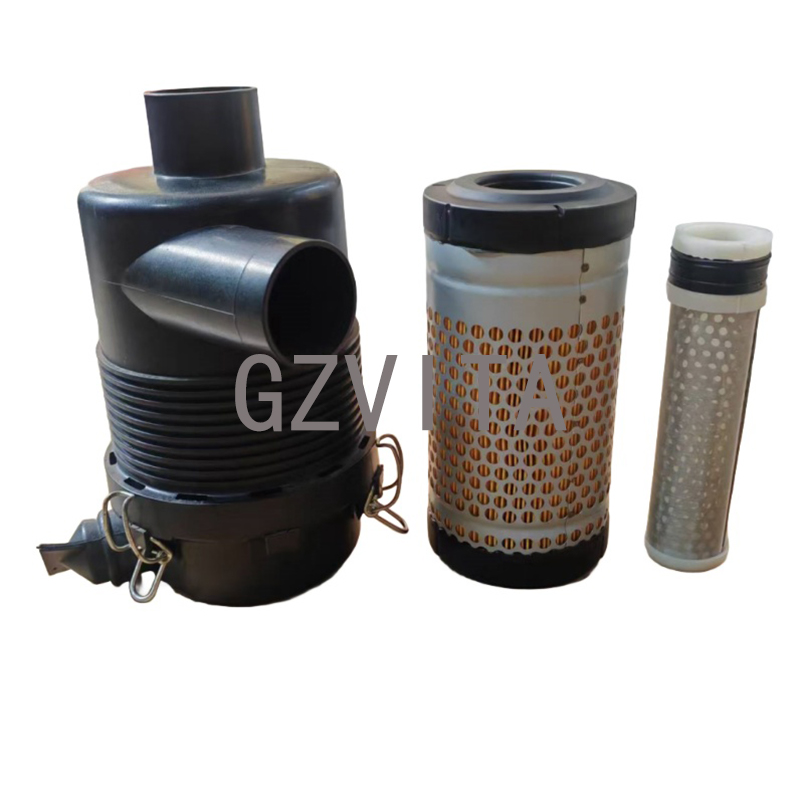
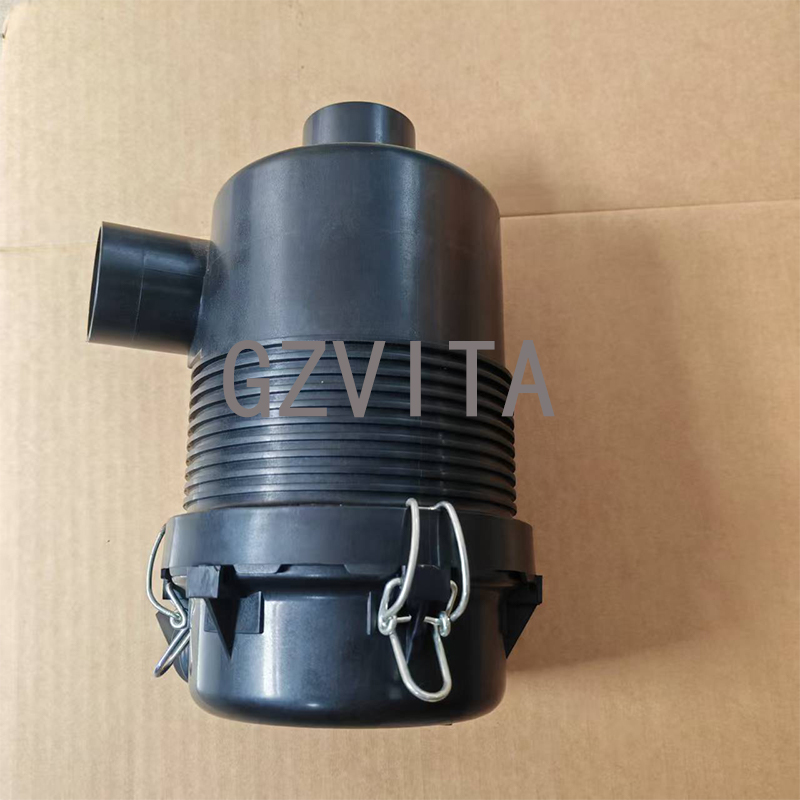
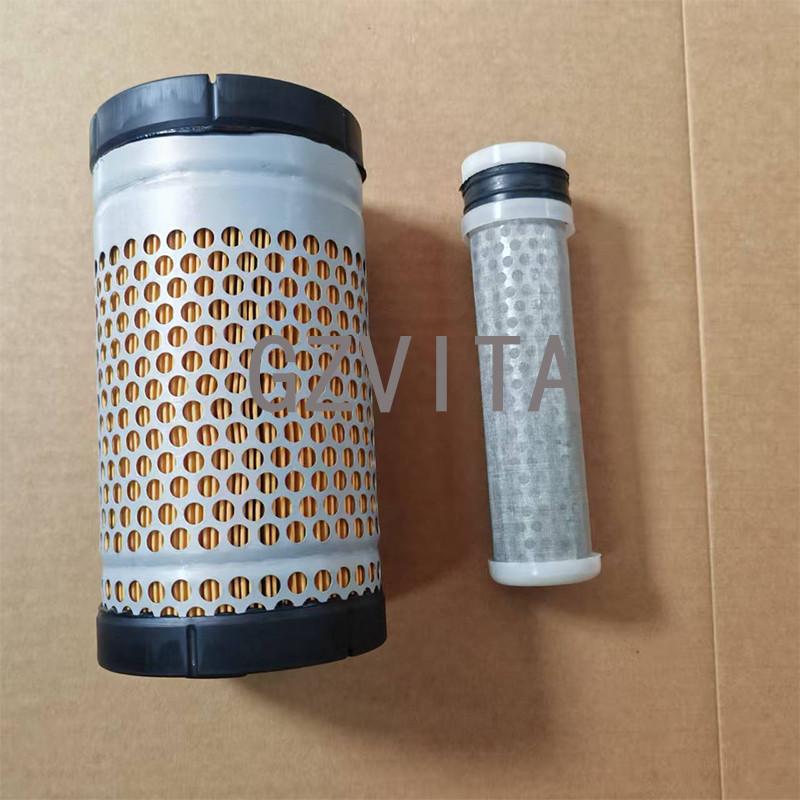
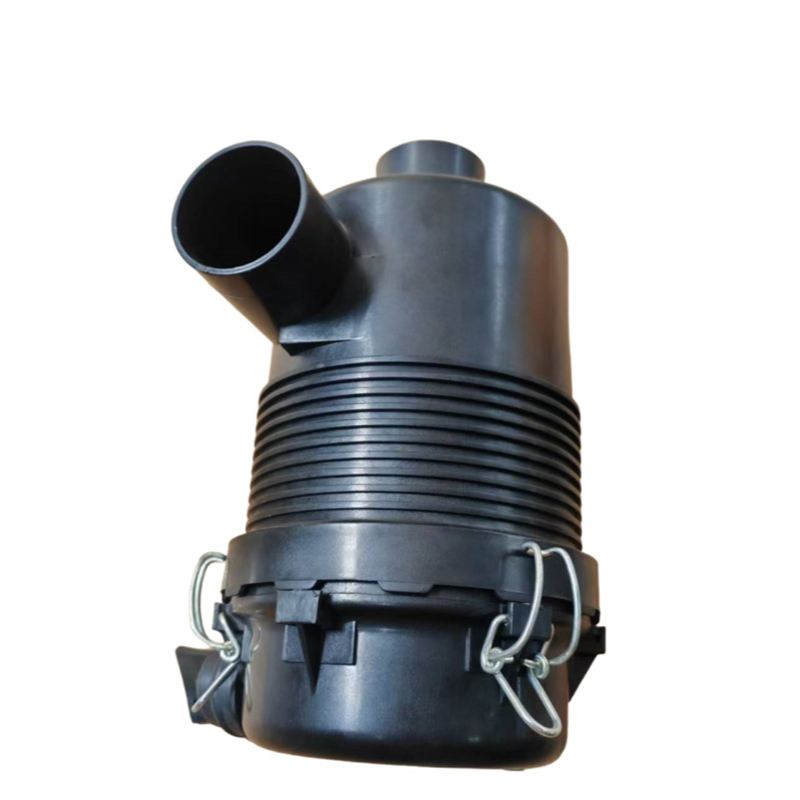
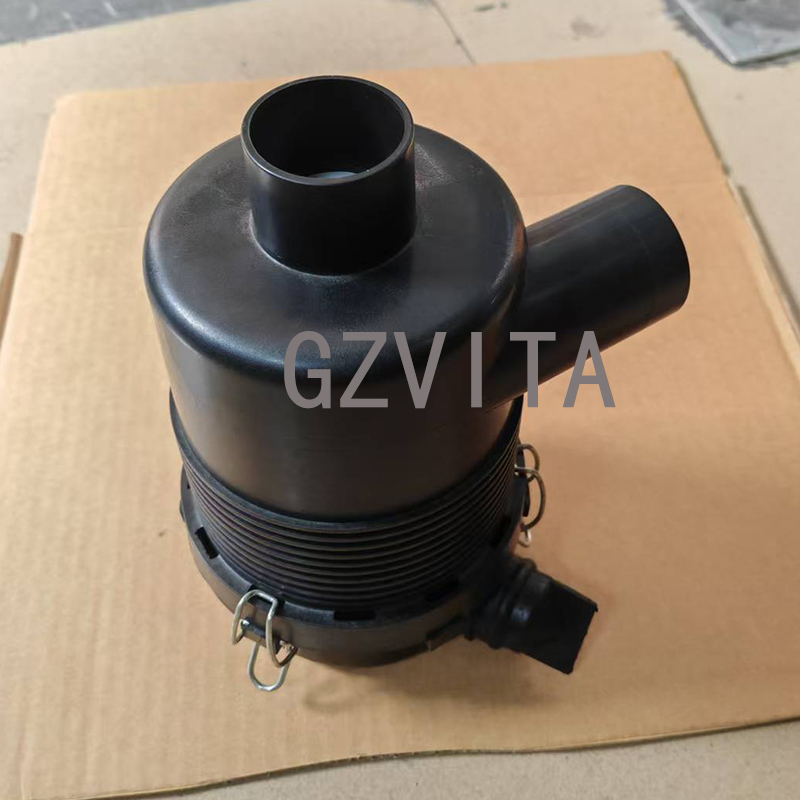
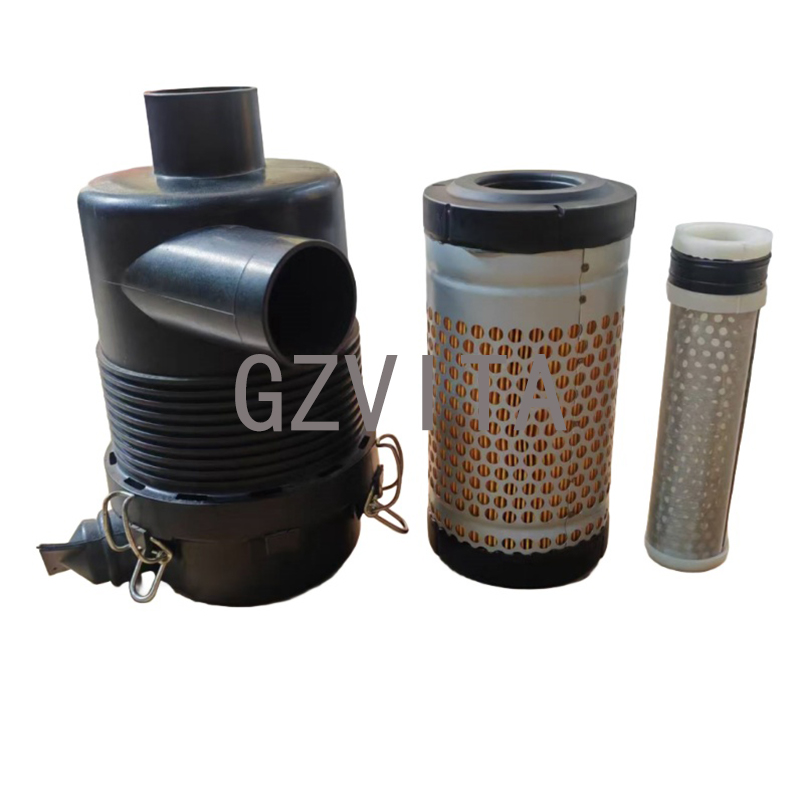
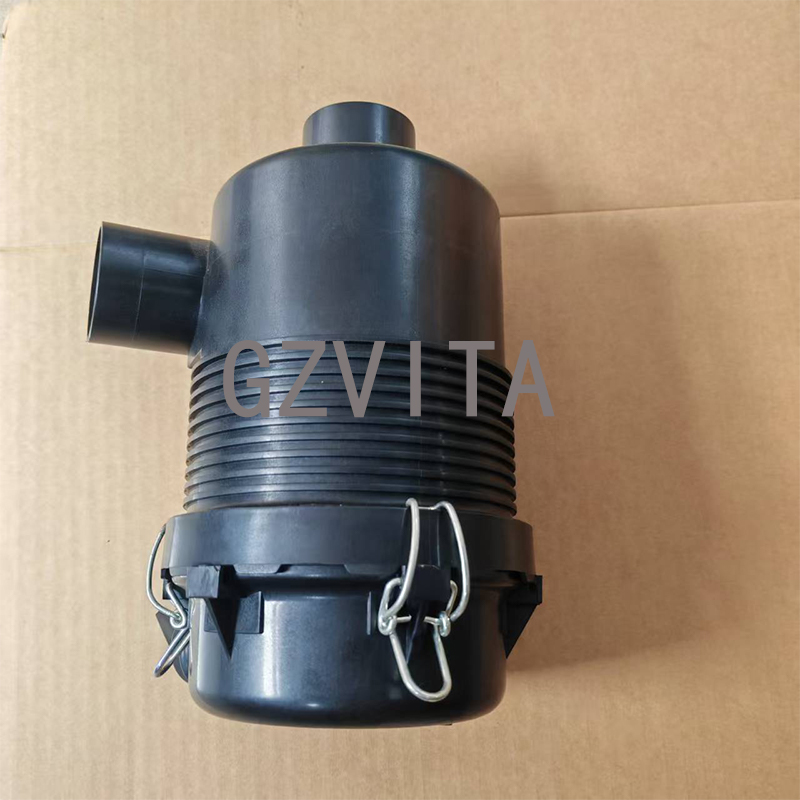
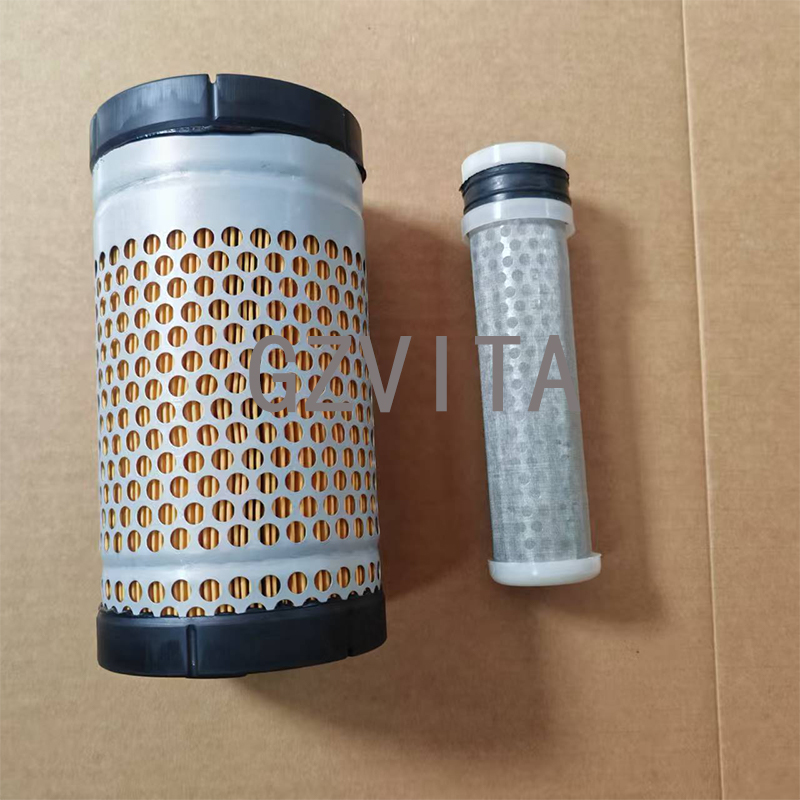
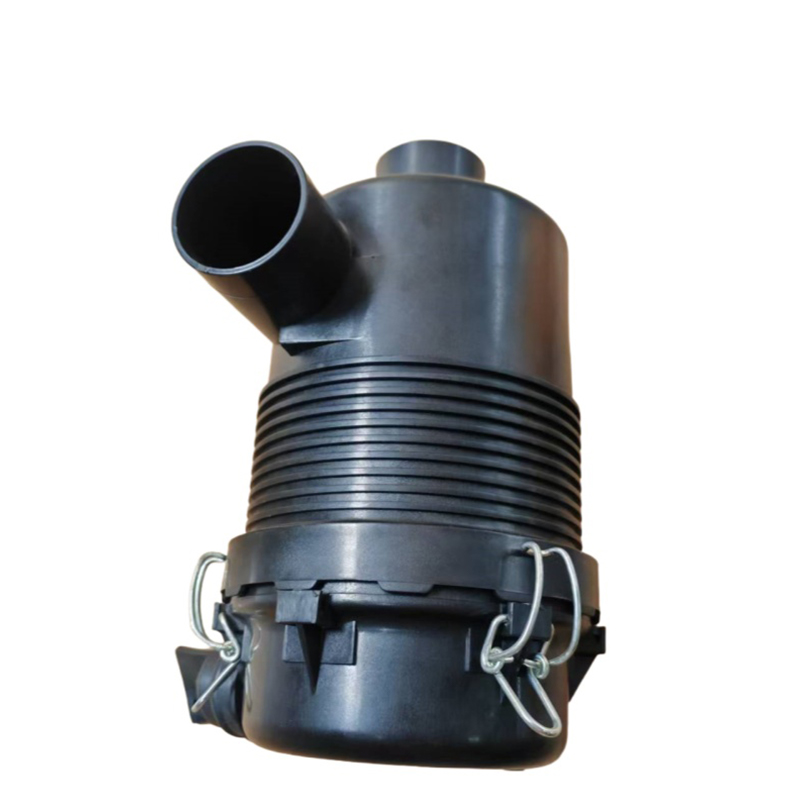
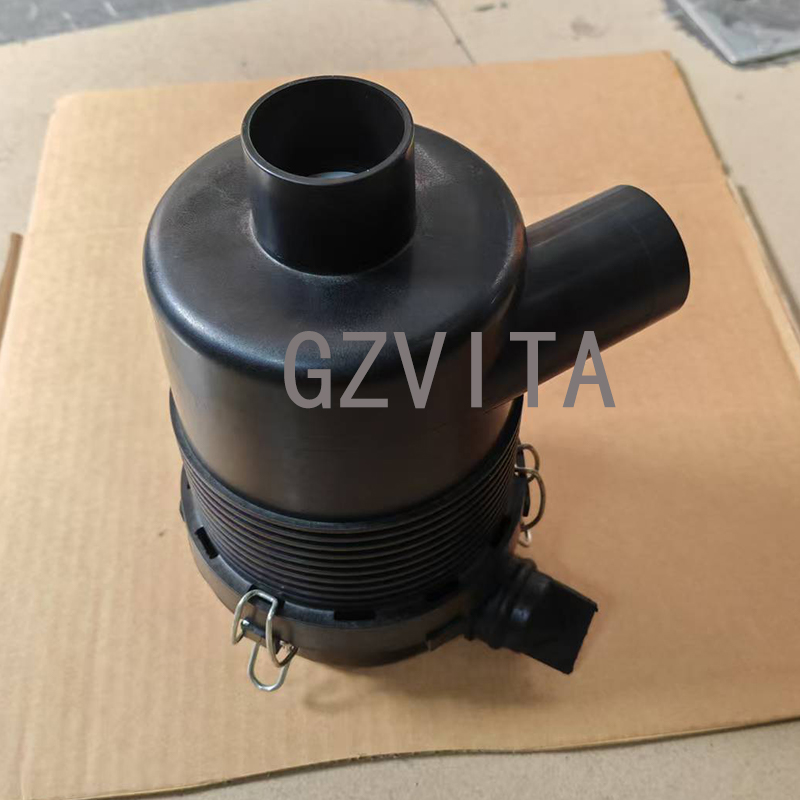
Primary air filtration - Removes dust and abrasive particles from intake air.
Engine protection - Prevents contaminants from entering the combustion chamber.
Dust particle capture - Traps dirt, sand, and soot before they reach the engine.
Ensuring clean airflow - Supplies filtered air for efficient combustion.
Preventing internal wear - Protects cylinder walls, pistons, and rings from abrasion.
Extending engine life - Reduces long-term wear and tear on internal components.
Maintaining compression - Helps preserve piston ring and cylinder liner integrity.
Optimizing fuel combustion - Allows precise air-fuel mixing for complete burning.
Reducing carbon deposits - Minimizes soot formation in cylinders and valves.
Improving fuel efficiency - Enables leaner and more efficient combustion.
Lowering emissions - Reduces particulate matter (PM) and smoke output.
Temperature moderation - Helps stabilize intake air temperature in some designs.
Moisture separation - Some designs help separate water droplets from humid air.
Reducing engine noise - Dampens certain intake pulsation and airflow noises.
Pressure drop management - Designed to minimize restriction to airflow.
Pre-filter stage - Many include a pre-cleaner for large debris.
Safety indicator - Some have a restriction gauge to signal when to service.
Fire prevention - Can act as a flame trap in case of backfire.
Insect and debris barrier - Prevents leaves, insects, or litter from entering.
Maintaining turbocharger health - Protects turbo impeller blades from damage.
Oil bath filtration (older models) - Uses oil to trap particles in some systems.
Pollen filtration - Removes airborne pollen and fine organic matter.
Mold spore prevention - Reduces biological contaminants in the intake.
Ensuring EGR system efficiency - Provides clean air for exhaust gas recirculation.
Supporting sensor accuracy - Protects MAF or MAP sensors from contamination.
Preventing intake valve deposits - Reduces buildup on valve stems and seats.
Maintaining idle stability - Ensures consistent air supply for smooth idling.
Cold start aid - In some systems, it houses pre-heater or intake heater elements.
Rain and snow ingestion prevention - Designed to resist water entry.
Fuel vapor management - In closed systems, it integrates with crankcase ventilation.
Dust storage capacity - Holds captured dust until service.
Vibration resistance - Mounted to withstand engine vibrations.
Heat resistance - Materials tolerate underhood temperatures.
Chemical resistance - Withstands exposure to oils and fuels.
Serviceability design - Allows easy filter inspection and replacement.
Seal integrity - Gaskets prevent unfiltered air bypass.
Housing protection - Shields the filter element from physical damage.
Resonator function - Some housings are tuned to reduce specific frequency noise.
Airflow direction control - Guides air smoothly into the intake manifold.
Water drain provision - Some have drains to expel accumulated moisture.
Winter/summer mode adjustment - Older systems may have a cold weather intake pre-heat.
Supporting aftertreatment systems - Clean air is crucial for DPF and SCR function.
Preventing intercooler contamination - In turbocharged engines, keeps the intercooler clean.
Reducing maintenance frequency - Protects engine oil from becoming contaminated as quickly.
Corrosion prevention - Less abrasive particles mean less corrosion in intake tracts.
Altitude compensation support - Provides consistent air density measurement for ECM.
Reducing exhaust valve wear - Indirectly by ensuring clean combustion.

 +86 18578756148