 +86 18578756148
Leave Your Message
-
CONTACT NUMBER
-
 CONTACT NUMBER
 -
 CONTACT NUMBER
 -
 CONTACT NUMBER
-
 CONTACT NUMBER
In the complex and highly demanding world of power generation, the mechanical integrity of every component dictates the overall reliability of the system. Among these vital components, the Flywheel Housing serves as the fundamental structural bridge connecting the generator's prime mover (typically a diesel or gas engine) to the alternator. For power generator maintenance professionals, understanding the profound impact of this component is non-negotiable. The flywheel housing is not merely a protective casing; it is a precision-engineered structural element responsible for maintaining absolute concentricity and alignment between the engine crankshaft and the alternator rotor.
During routine or emergency generator maintenance, inspecting the flywheel housing for micro-fractures, concentricity deviations, and mounting face wear is critical. Even a misalignment of a few thousandths of an inch can induce severe torsional vibration, leading to premature bearing failure, crankshaft fatigue, and ultimately, catastrophic generator breakdown. As global reliance on continuous power supply grows—driven by data centers, healthcare facilities, and automated manufacturing—the standards for flywheel housing manufacturing and maintenance have reached unprecedented levels of precision. Modern maintenance protocols now heavily emphasize the structural integrity of these housings, ensuring that the immense rotational forces and thermal stresses generated during continuous prime power operation are safely managed.
Furthermore, the flywheel housing plays a crucial role in containing the flywheel itself, providing a mounting point for the starter motor, and often housing essential sensors such as magnetic pickups for engine speed monitoring. Any degradation in the housing's material due to thermal cycling or operational vibration can compromise the entire sensor array, leading to inaccurate telemetry and potential system shutdowns. Therefore, sourcing high-quality, perfectly machined replacement housings is a top priority for maintenance engineers worldwide.
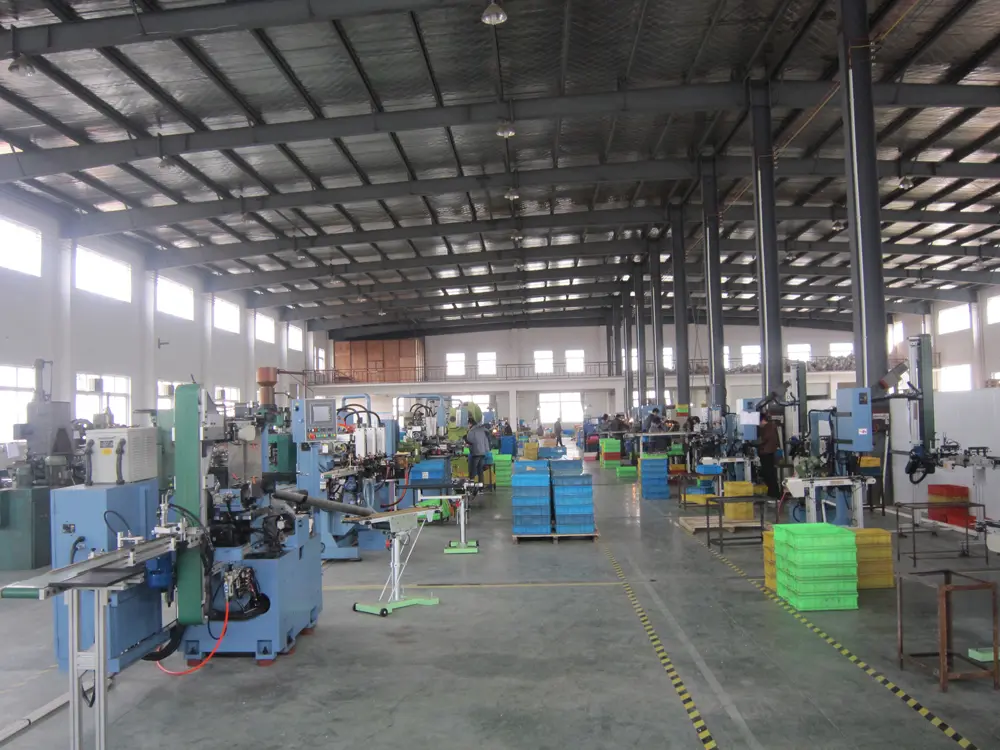
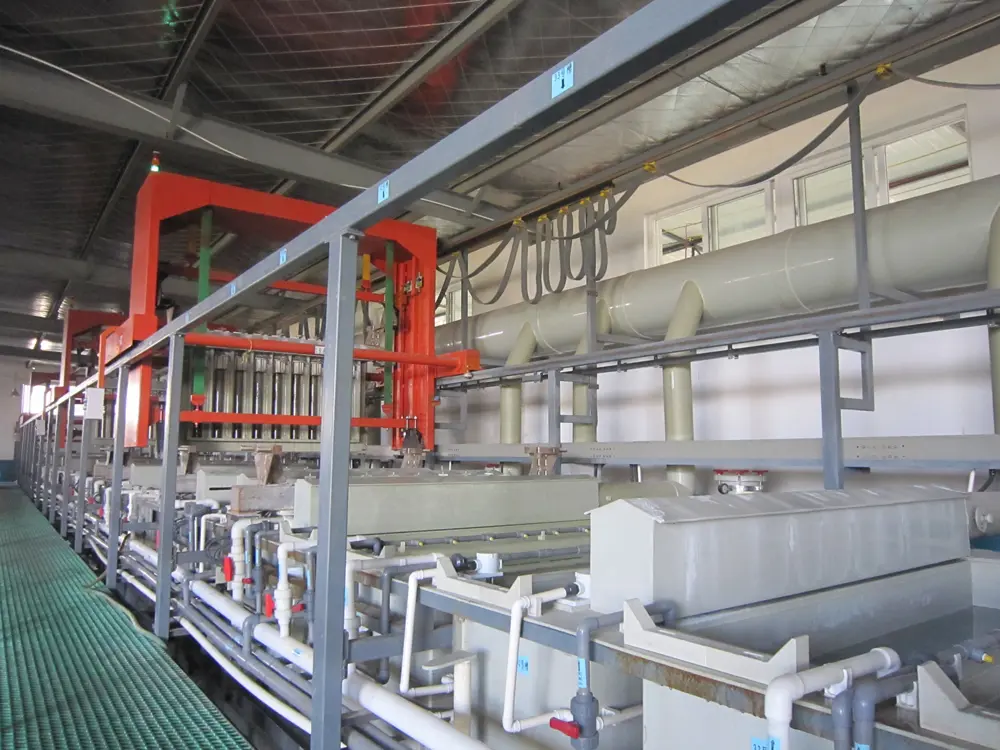
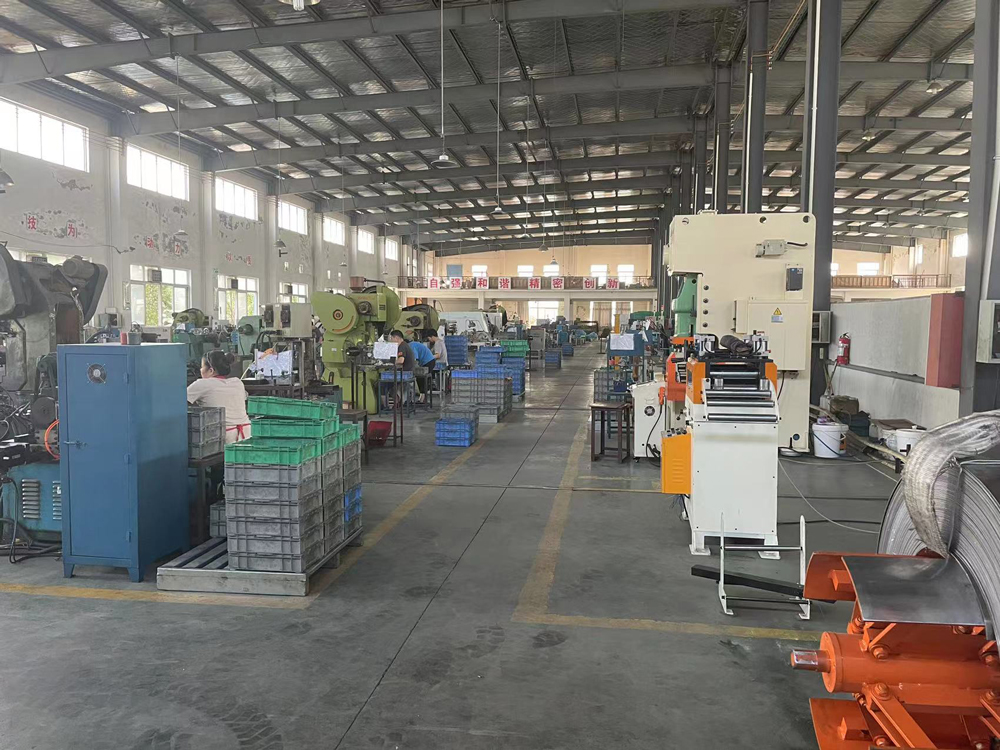
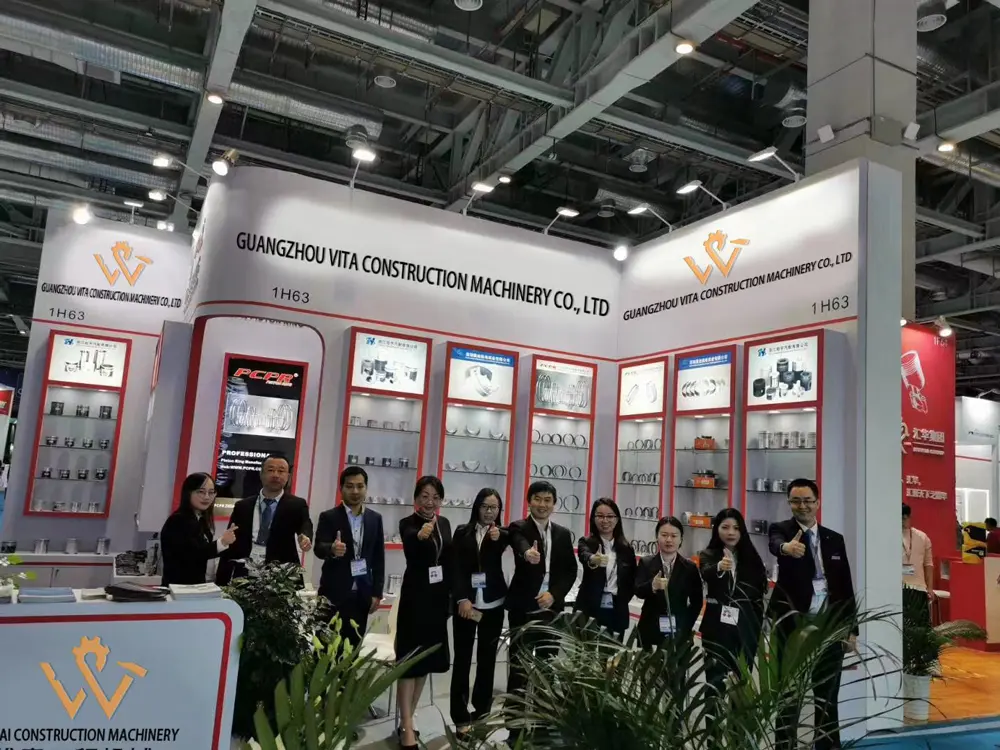
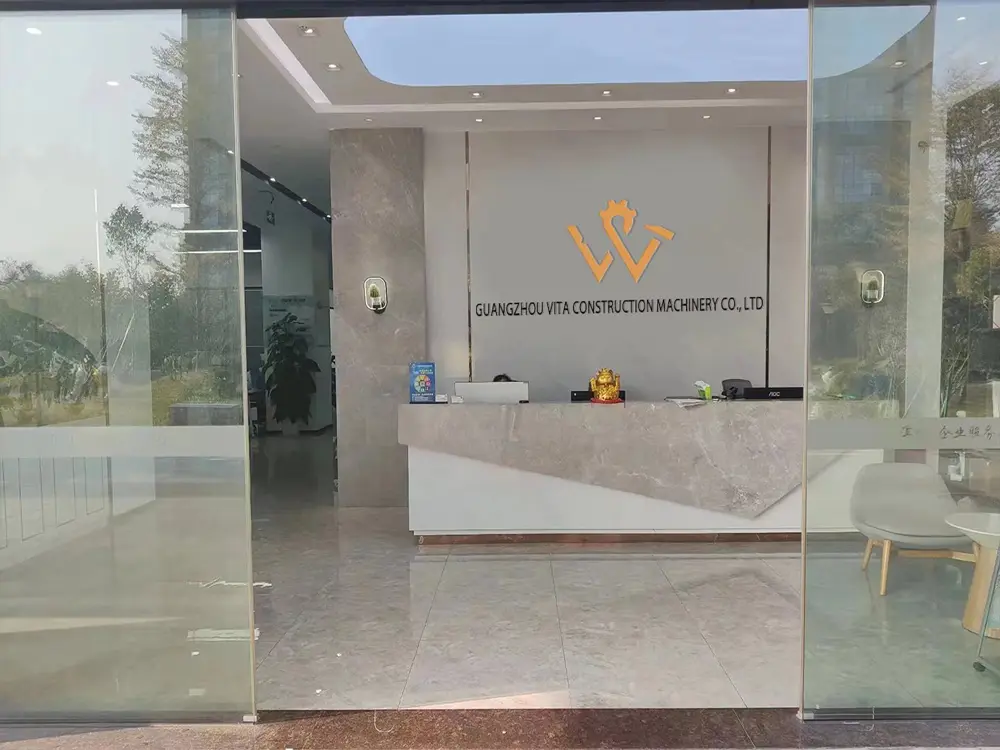
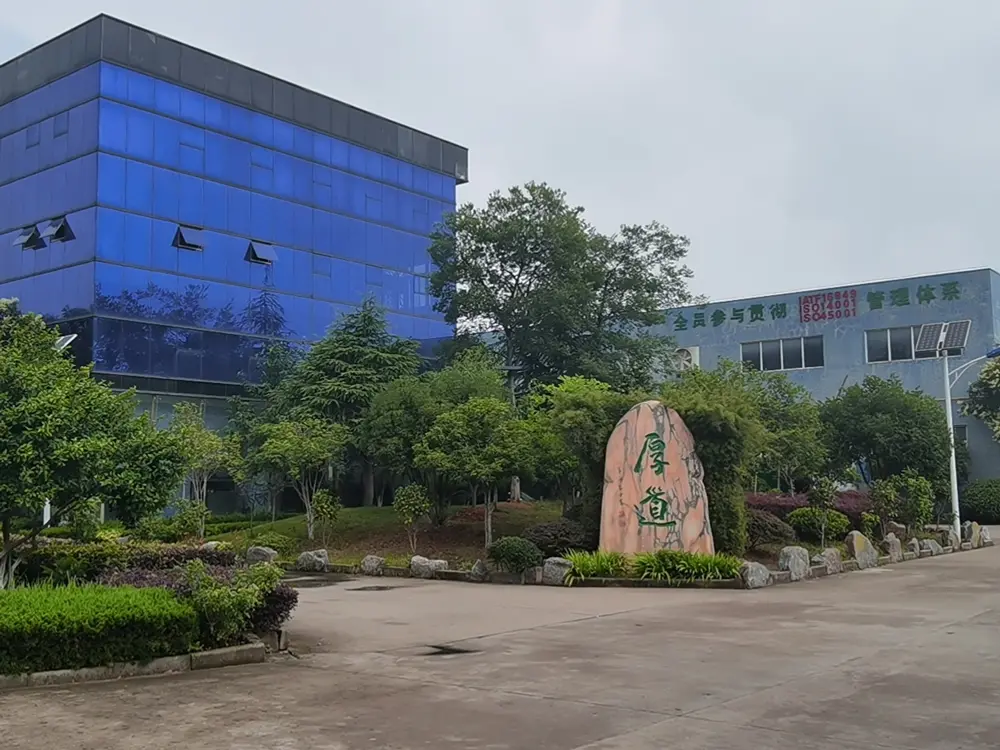
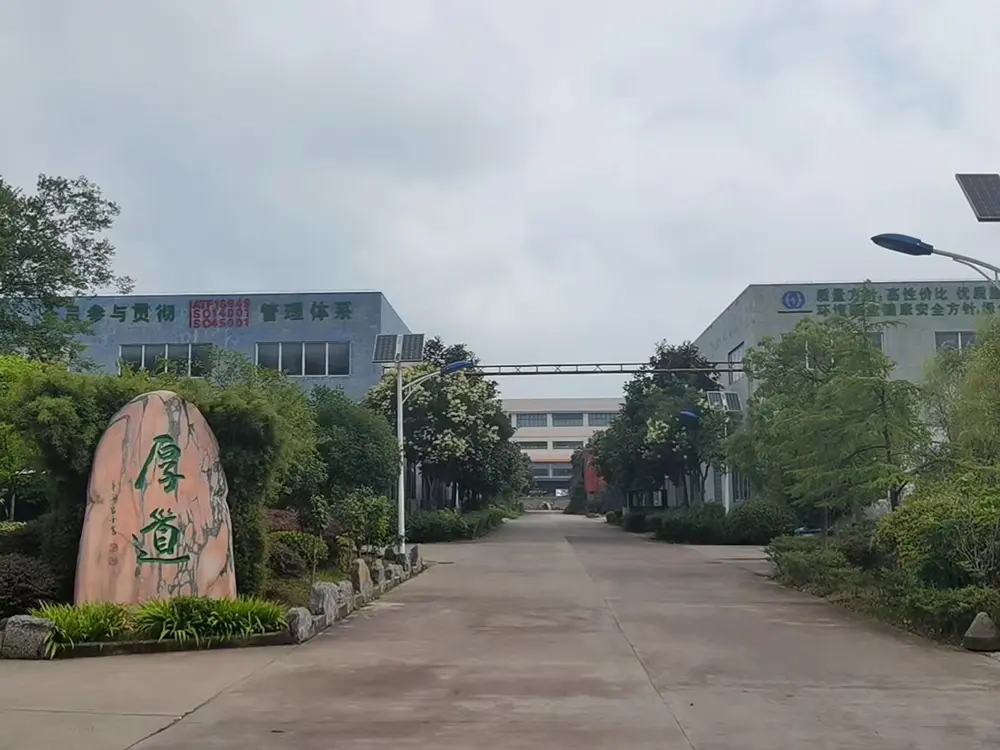
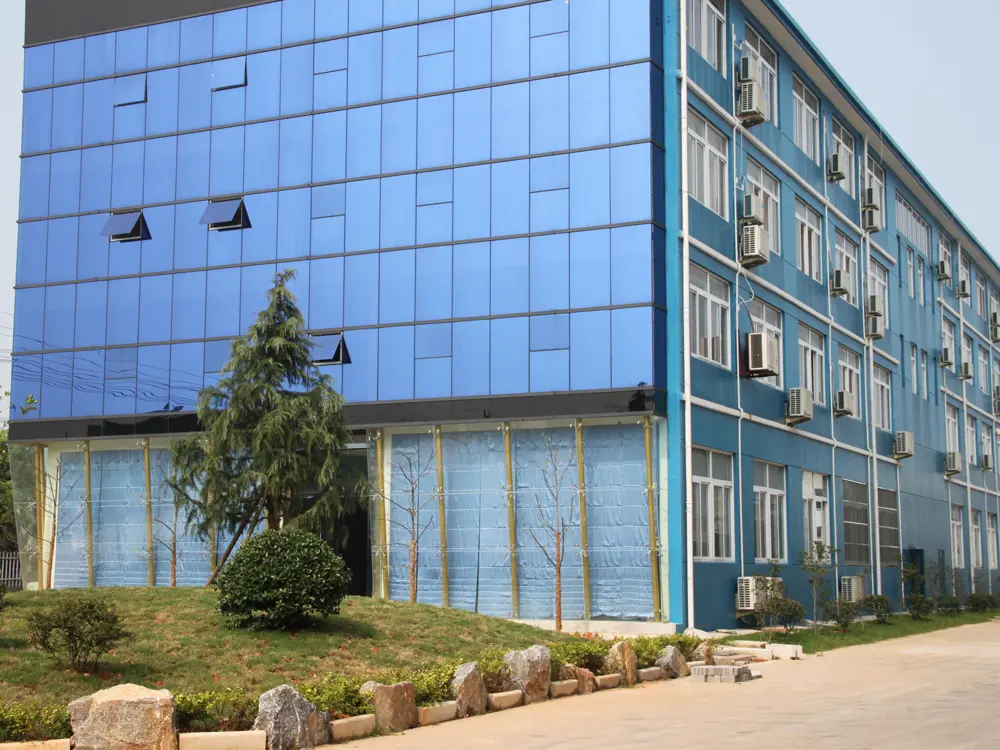
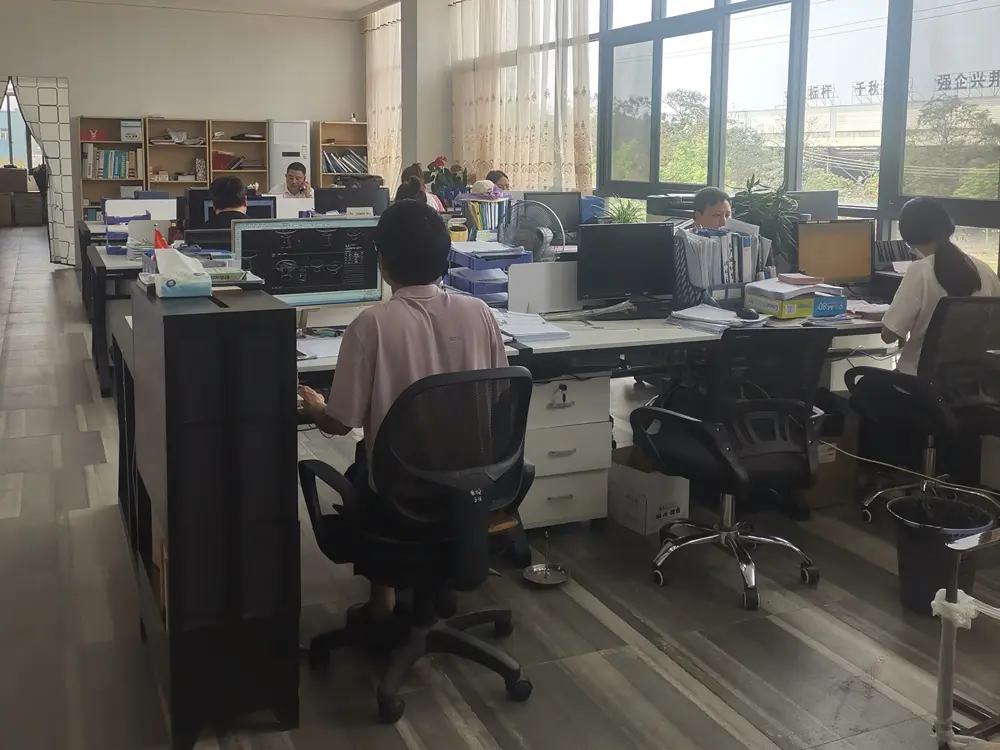
Guangzhou Vita Construction Machinery Co., Ltd. is one of the largest companies that seamlessly combines factory production and foreign trade. Our state-of-the-art factory is located in Xiangyang City, Hubei Province, encompassing more than 18,000 square meters of workshop space equipped with several advanced production machines. With a dedicated workforce of more than 278 well-trained, skilled workers and around 8 highly experienced engineers, we assure exceptional product quality alongside fast and accurate delivery for global markets.
We specialize in producing, developing, and selling a comprehensive range of construction machinery and power generation parts. Our extensive portfolio includes engine assemblies, hydraulic pumps, final drives, electric generating set components (including precision flywheel housings), engine bearings, crankshafts, engine valves, gear pumps, cylinders, and all kinds of filters. These parts serve as premium replacements for a multitude of machine types across well-known brands such as Komatsu, Volvo, Sumitomo, Caterpillar, Kubota, Hitachi, John Deere, Kobelco, Hyundai, Kato, Sany, XCMG, SUNWARD, and many others.
In the fast-paced world of power generation and construction, the reliability and efficiency of your machinery can make or break a project. We understand that high-quality parts are essential for optimal performance. Our stringent quality control aims to provide top-notch parts to keep our customer's machinery running smoothly under the harshest conditions.
To continually improve our service, we have established a dedicated engine maintenance development division. In addition to providing customers with premium engine assemblies and flywheel housings, we actively assist customers in solving complex technical problems encountered during the operation, alignment, and assembly of power generators.
We pride ourselves on having our own professional maintenance team. Beyond remote support, we can even be invited by clients to arrange for our expert maintenance technicians to travel abroad, providing hands-on assistance to help customers repair engines and align critical components on-site.
Global Supply Chain Dynamics The commercial landscape for generator maintenance components has witnessed a massive shift in recent years. With the exponential growth of cloud computing, telecommunications, and renewable energy integration, the demand for reliable backup power has skyrocketed. Consequently, the aftermarket for heavy-duty components like the flywheel housing has expanded into a multi-billion dollar industry. Original Equipment Manufacturers (OEMs) and high-tier aftermarket suppliers are continuously battling to provide parts that meet exact SAE (Society of Automotive Engineers) standards. The standardization of SAE housing sizes (from SAE 00 to SAE 6) ensures interoperability, but it also means that manufacturing tolerances must be universally tight across the globe.
Material Science and Metallurgy Industrially, the manufacturing of flywheel housings has transitioned from traditional sand casting to more advanced metallurgical processes. Most heavy-duty generator flywheel housings are cast from high-grade nodular iron (ductile iron) or specialized cast aluminum alloys. Nodular iron is favored for prime power generators running in continuous operation due to its superior tensile strength and ability to absorb low-frequency vibrations. Conversely, aluminum alloys are increasingly utilized in mobile or telecommunication standby generators where weight reduction is critical. The industrial status today dictates that suppliers must provide complete metallurgical traceability to ensure that the housing will not suffer from fatigue cracking after thousands of hours of thermal expansion and contraction.
Economic Impact of Maintenance From a commercial perspective, the cost of a replacement flywheel housing is miniscule compared to the financial devastation caused by generator downtime. In a data center, a power failure lasting just a few minutes can result in millions of dollars in lost revenue and data corruption. Therefore, procurement managers and maintenance directors are shifting away from purely cost-based purchasing toward value-based purchasing. They demand parts that offer guaranteed longevity, backed by rigorous CMM (Coordinate Measuring Machine) inspection reports. This commercial reality has elevated the status of specialized component manufacturers who can deliver OEM-level quality without the exorbitant lead times often associated with original factory parts.
In off-grid mining operations and massive construction sites, generators serve as the primary source of electricity. These machines operate 24/7 in some of the most unforgiving environments on Earth, subjected to extreme dust, abrasive particles, and massive temperature fluctuations. The flywheel housing in these applications must maintain a perfect seal to prevent silica dust from infiltrating the bell housing and destroying the rear main engine seal or the alternator coupling. Maintenance in these scenarios often involves replacing the housing if structural warping occurs due to sustained high-load thermal stress. High-grade cast iron housings are mandatory here to withstand the immense torque loads of heavy industrial alternators.
Data centers require "Five Nines" (99.999%) reliability. Standby generators in these facilities might sit idle for months but must spool up to full load within seconds of a grid failure. This sudden transition from ambient temperature to maximum operating temperature places an incredible sudden thermal shock on the engine block and the flywheel housing. Maintenance protocols in data centers require non-destructive testing (NDT) of the flywheel housing to check for micro-fissures. If a housing fails during a startup sequence, the resulting vibration will instantly trip the generator's safety sensors, causing a catastrophic facility blackout. Precision-machined housings with perfectly flat mating surfaces are critical to ensure vibration-free startup.
Marine generators operate in a highly corrosive, high-humidity, and saline environment. Furthermore, they are subjected to the constant pitch and roll of the vessel, which introduces unique gyroscopic forces onto the generator's rotating assembly. The flywheel housing in a marine application must not only align the engine and alternator but also serve as a rigid mounting point that resists these dynamic maritime forces. Maintenance overhauls for marine generators frequently involve replacing the flywheel housing due to galvanic corrosion or stress fractures caused by hull vibration. Specialized anti-corrosive coatings and marine-grade alloys are essential for these specific maintenance scenarios.
Rental generator sets are towed across highways and deployed in varied locations, from outdoor concerts to disaster relief zones. The constant transportation subjects the generator frame and the engine-to-alternator coupling to severe road shocks and torsional twisting. The flywheel housing bears the brunt of these forces. Maintenance teams for rental fleets frequently inspect the housing mounting ears and bolt threads for stress damage. Lightweight yet highly durable aluminum housings are often preferred in this sector to keep towing weights within legal limits while providing the necessary structural rigidity.
The future of power generator maintenance and component manufacturing is rapidly evolving, driven by the integration of Artificial Intelligence (AI) and the Internet of Things (IoT). Traditionally, flywheel housing maintenance was purely reactive or based on strict hourly schedules. Today, the industry is shifting towards Predictive Maintenance. Modern flywheel housings are increasingly being designed with pre-machined ports for smart sensors. These IoT-enabled piezoelectric sensors continuously monitor multi-axis vibration, acoustics, and thermal gradients directly at the engine-alternator coupling point.
AI algorithms analyze this continuous stream of telemetry data in the cloud. By utilizing machine learning, the system can detect microscopic changes in the vibration signature of the flywheel housing—an early indicator of bearing wear, coupling degradation, or housing fatigue—months before a physical failure occurs. This allows maintenance teams to order replacement housings and schedule downtime precisely when it is most cost-effective, revolutionizing the commercial logistics of power generation maintenance.
In the manufacturing sector, AI is transforming how flywheel housings are produced. Advanced Generative Design software is being used to optimize the structural webbing of the housings, removing unnecessary material to reduce weight while actually increasing torsional rigidity. Furthermore, AI-driven CNC machining centers self-correct tool wear in real-time, ensuring that every housing produced maintains flawless concentricity and zero-tolerance mating surfaces. As we look to the future, the integration of AI-driven manufacturing and IoT-enabled predictive maintenance will ensure that power generators achieve unprecedented levels of reliability and efficiency.
Take a glimpse into our advanced manufacturing facilities where precision engineering meets rigorous quality control. Our workshops are designed to handle large-scale production while maintaining the meticulous standards required for generator maintenance components.