Leave Your Message
Products Categories
Featured Products

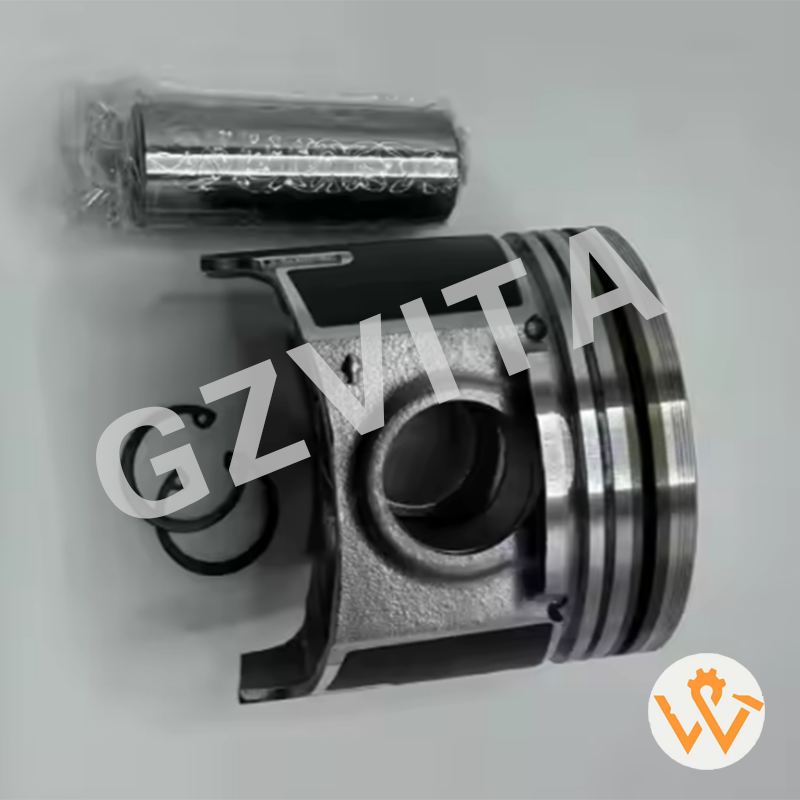
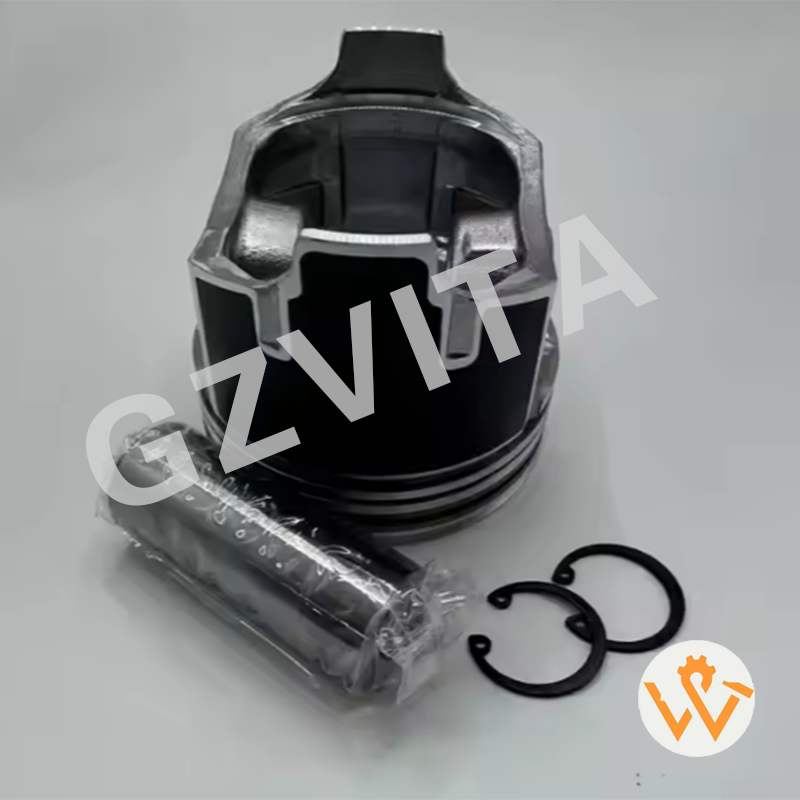
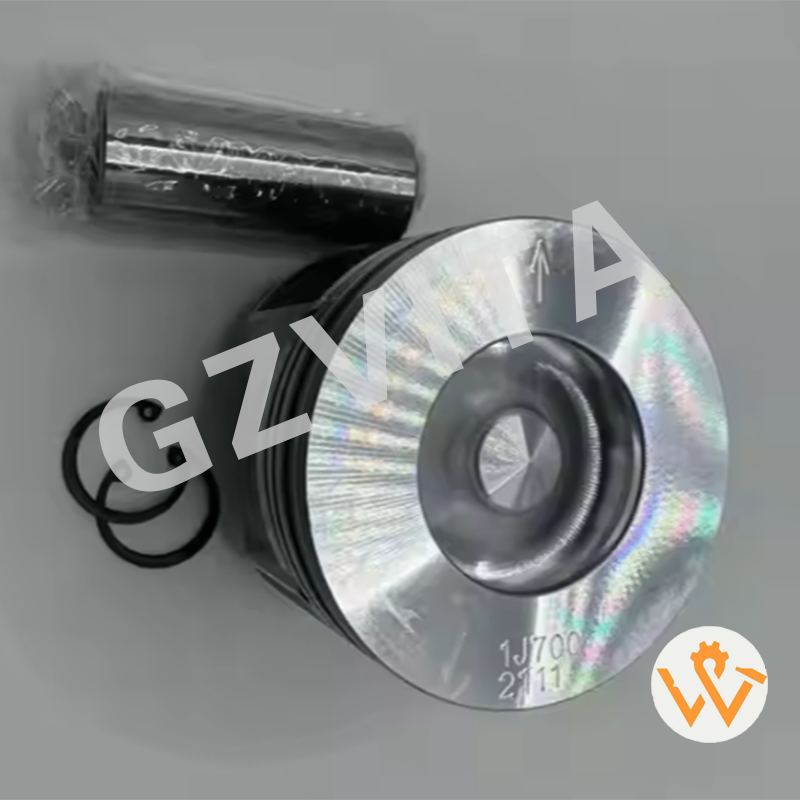
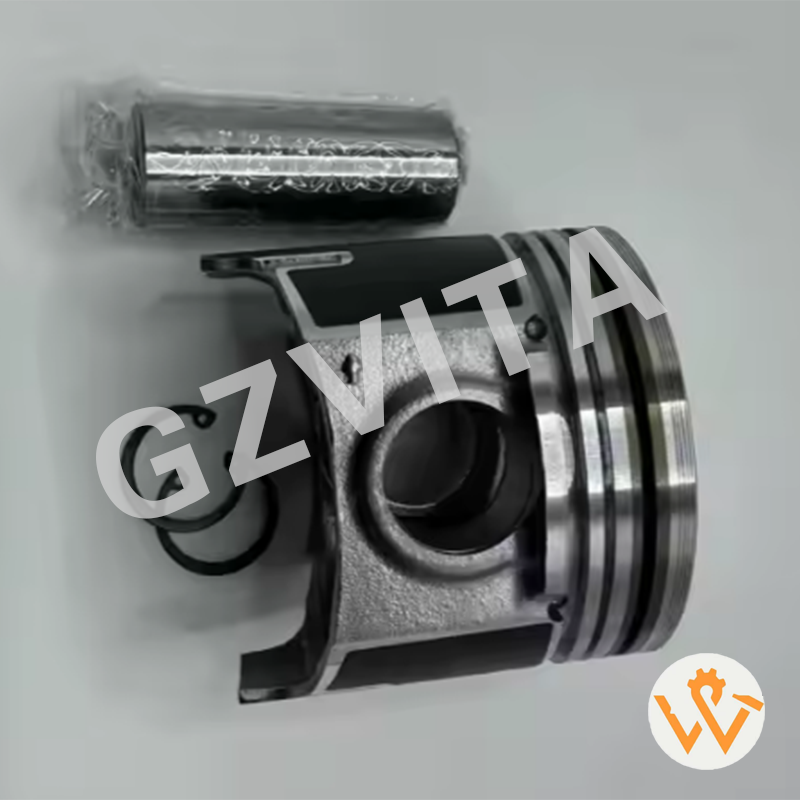
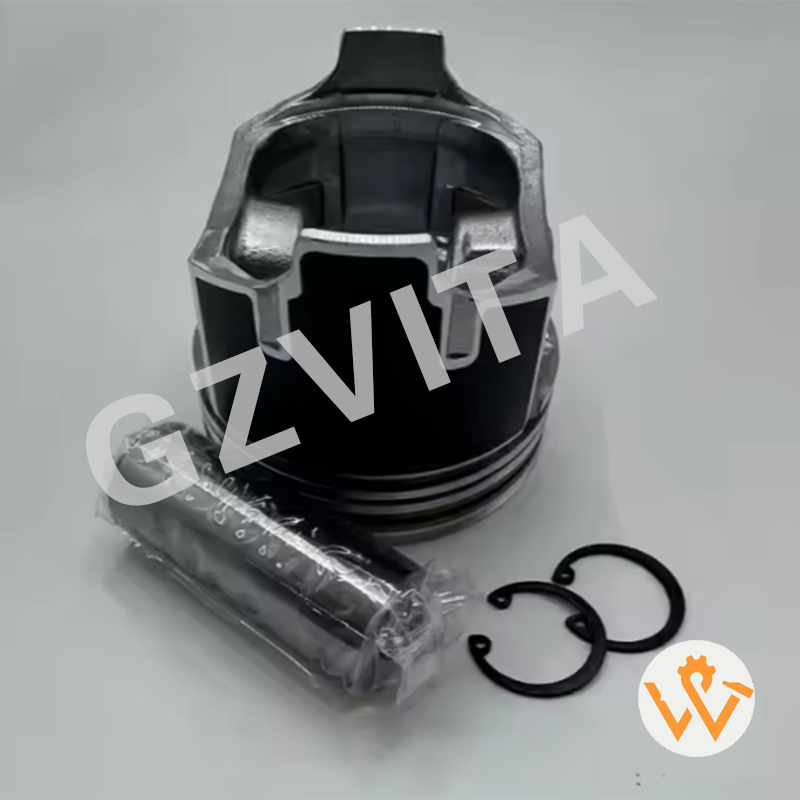
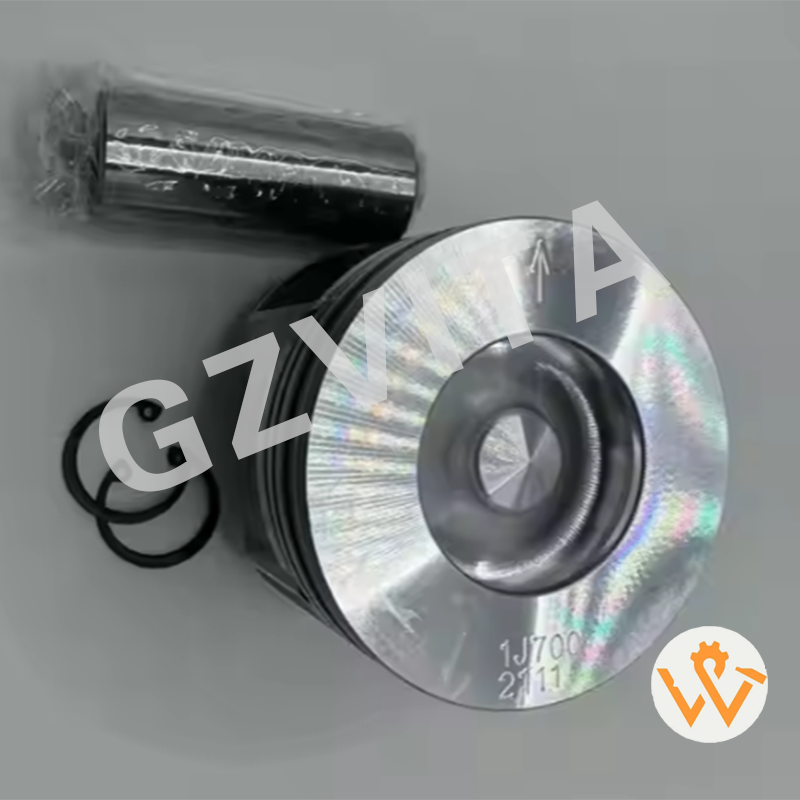
High quality piston bushing for Kubota V2607 piston 1J700-21110 power cultivator V2607 V2607T 1J700-21110

1.
High-strength aluminum alloy​ - Primary material for most pistons.

2.
Precision cast aluminum​ - Common method for producing complex piston shapes.

3.
Forged aluminum​ - Used in high-performance or heavy-duty models for superior strength.

4.
Excellent thermal conductivity​ - Aluminum efficiently transfers heat from the crown.

5.
Low density​ - Keeps reciprocating mass low, improving engine responsiveness.

6.
Good wear resistance​ - With appropriate surface treatments and ring coatings.

7.
High silicon aluminum alloy​ - Silicon particles enhance strength and reduce thermal expansion.

8.
Hypereutectic alloy​ - Contains over 12% silicon for durability and low expansion.

9.
Eutectic alloy​ - Contains around 12% silicon, a common balance of properties.

10.
Precision-machined​ - To exact tolerances for optimal fit and performance.

11.
Anodized surface treatment​ - On some models, for increased surface hardness.

12.
Hard anodizing​ - Creates a ceramic-like layer on the piston crown or skirt.

13.
Nickel-ceramic coated crown​ - For thermal barrier and wear protection.

14.
Molybdenum-coated skirt​ - Reduces friction during the break-in period.

15.
Graphite-coated skirt​ - Acts as a solid lubricant for smooth initial operation.

16.
Phosphate coating​ - Helps retain oil and improves break-in.

17.
Tin-plated skirt​ - Another friction-reducing treatment for run-in.

18.
Forged under high pressure​ - Aligns the metal grain structure for strength.

19.
Heat-treated (T6 condition)​ - Solution heat treated and artificially aged for peak strength.

20.
Solution heat treatment​ - Enhances the alloy's mechanical properties.

21.
Artificial aging​ - Stabilizes the material after heat treatment.

22.
Precision grinding​ - For critical surfaces like the ring grooves and pin bore.

23.
Machined ring grooves​ - To exact specifications for proper ring seating.

24.
Hard anodized ring grooves​ - In some designs, to prevent groove wear and microwelding.

25.
Cast iron top ring insert​ - In some heavy-duty pistons, to reinforce the top ring groove.

26.
Ni-Resist insert​ - A nickel-iron alloy insert for extreme durability in the top ring land.

27.
Cooling gallery design​ - Internal oil passages for crown cooling, enabled by specific casting techniques.

28.
Asymmetric skirt design​ - Compensates for thermal expansion and thrust forces.

29.
Cam-ground profile​ - The skirt is slightly oval when cold, becoming round at operating temperature.

30.
Controlled thermal expansion​ - Alloy composition is designed to match cylinder bore expansion rates.

31.
High fatigue strength​ - Resists cracking under repeated combustion pressures.

32.
Good machinability​ - Allows for precise and efficient manufacturing.

33.
Homogeneous microstructure​ - Ensures consistent properties throughout the piston.

34.
Low coefficient of thermal expansion​ - Critical for maintaining proper clearances.

35.
Lightweight​ - Essential for high-speed engine efficiency and low vibration.

    When assembling a foot pedal valve for mini excavators, there are several important considerations and notices to keep in mind to ensure proper installation and functionality:

    1. Read the Manual: Always refer to the manufacturer’s assembly manual for specific instructions related to the foot pedal valve. This will provide detailed guidance tailored to the specific model.

    2. Check Components: Before starting the assembly, verify that all components are present and in good condition. This includes the foot pedal, valve body, seals, springs, and any necessary fasteners.

    3. Clean Work Area: Ensure that the assembly area is clean and free of debris. Contaminants can affect the performance of the valve and lead to malfunctions.

    4. Proper Orientation: Pay attention to the orientation of the foot pedal valve during assembly. Incorrect positioning can lead to improper operation or damage to the components.

    5. Lubrication: Apply appropriate lubrication to moving parts as specified in the manual. This helps reduce friction and wear during operation.

    6. Tightening Specifications: Follow the recommended torque specifications for tightening bolts and screws. Over-tightening can damage components, while under-tightening can lead to leaks or operational issues.

    7. Seal Installation: Ensure that all seals and O-rings are properly installed to prevent hydraulic fluid leaks. Check for any signs of wear or damage before installation.

    8. Testing: After assembly, conduct a thorough test of the foot pedal valve to ensure it operates smoothly and responds correctly. Check for any leaks or unusual noises.

    9. Safety Precautions: Always wear appropriate personal protective equipment (PPE) during assembly. Be cautious of sharp edges and moving parts.

    10. Documentation: Keep a record of the assembly process, including any issues encountered and how they were resolved. This can be helpful for future reference or troubleshooting.

    By following these notices during the assembly of the foot pedal valve, you can help ensure that it functions correctly and reliably in the mini excavator.

    Leave Your Message