Leave Your Message
Products Categories
Featured Products

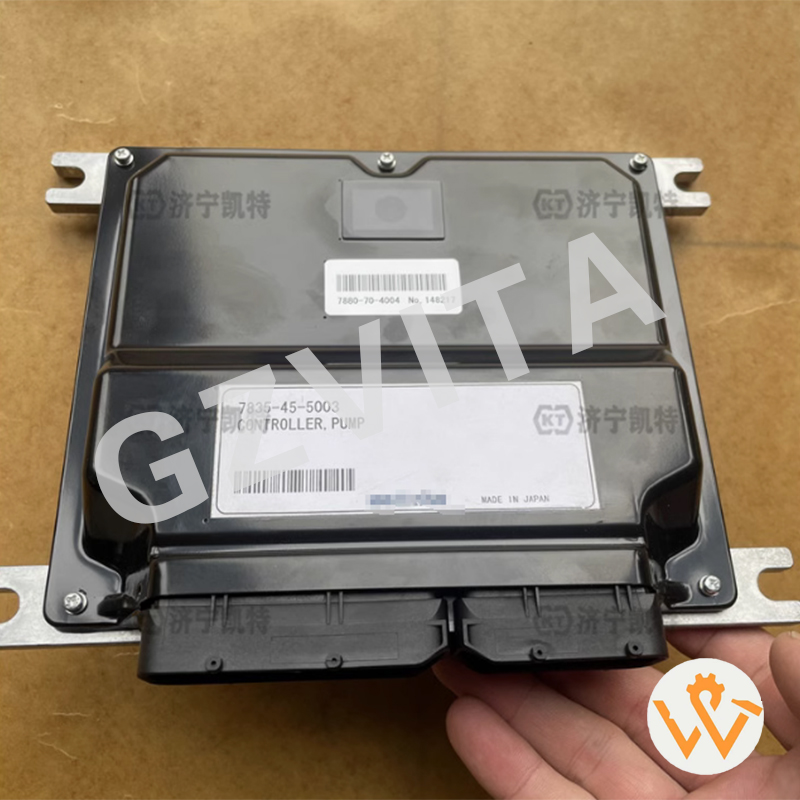
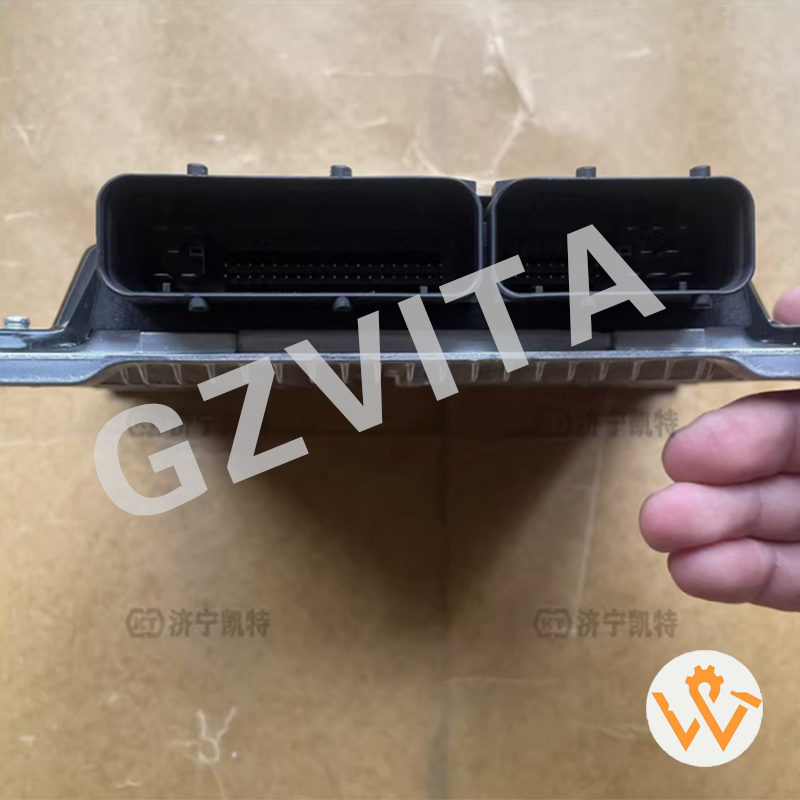
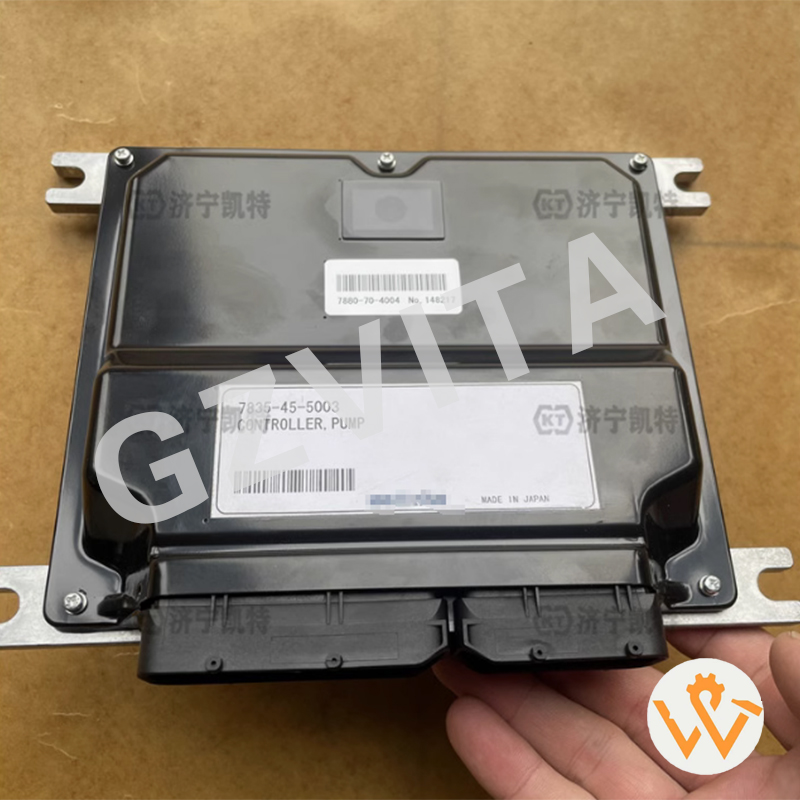
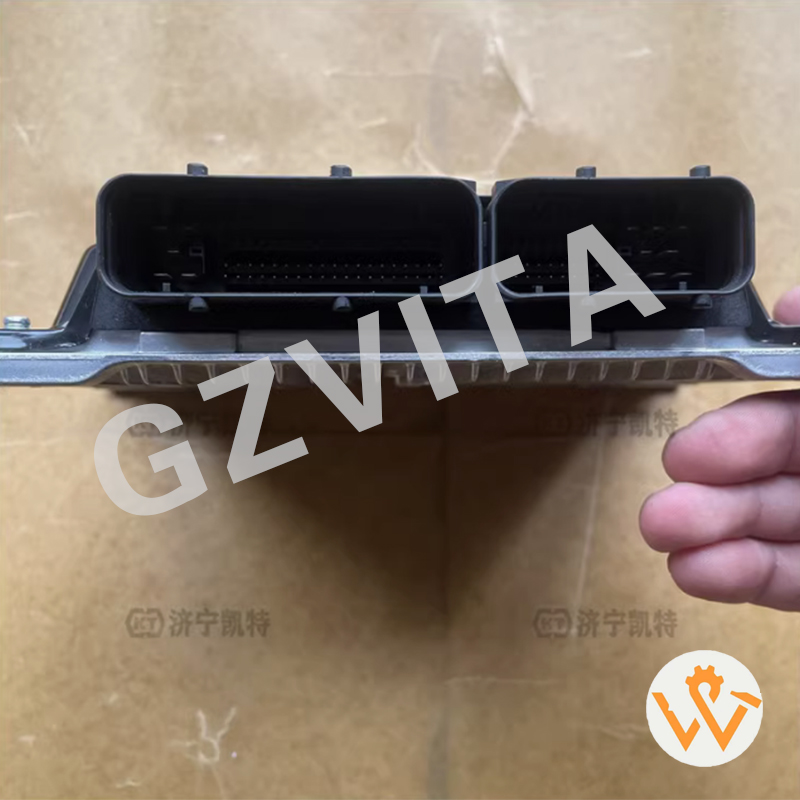
Excavator Part PC300-8MO PC360-8MO Pump Controller 7835-45-5002 7835-45-5003

Central processing unit (CPU)​ – Executes control algorithms and logic.

Sensor signal acquisition​ – Collects data from all machine sensors.

Analog-to-digital conversion​ – Converts sensor analog signals to digital values.

Input signal conditioning​ – Filters and scales raw sensor inputs.

Controller Area Network (CAN) management​ – Manages high-speed data bus communication.

J1939 protocol implementation​ – Standardized communication for engine and components.

Hydraulic pump control​ – Calculates and outputs commands to pump regulators.

Engine ECU communication​ – Exchanges data with engine control unit for power management.

Load sensing system processing​ – Calculates hydraulic demand and optimizes pump flow.

Operator command interpretation​ – Processes joystick, pedal, and switch inputs.

Power mode logic​ – Implements Eco, Standard, and Power mode algorithms.

Work mode selection​ – Controls patterns like Digging, Lifting, etc.

Closed-loop control​ – Compares target and actual values (e.g., pressure, speed) for adjustment.

Fault detection and diagnosis (FDD)​ – Monitors system parameters for abnormalities.

Diagnostic Trouble Code (DTC) storage​ – Logs fault codes and freeze frame data.

Warning and alert generation​ – Activates visual/audible alarms for operators.

Data logging​ – Records operational data (hours, fuel, events) for analysis.

Immobilizer function​ – Interfaces with security systems to enable/disable machine.

Parameter customization​ – Allows authorized adjustment of machine settings.

Display driver​ – Generates graphics and data for the monitor screen.

Keypad/interface management​ – Processes inputs from the operator's control panel.

Attachment control logic​ – Manages optional hydraulic attachments.

Pump torque limiting​ – Prevents engine stall by limiting hydraulic power demand.

Engine speed governing​ – Sends desired RPM signals to the engine ECU.

Auto-idle function​ – Lowers engine speed when controls are neutral.

Grade assist logic (if equipped)​ – Calculates and maintains blade or boom angle.

Safety interlock processing​ – Enables functions only when conditions are safe (e.g., seat switch).

Software-based calibration​ – Stores calibration data for sensors and actuators.

Fail-safe strategy execution​ – Limits machine function to a safe state upon critical faults.

System integration hub​ – Acts as the primary coordinator for all electronic subsystems.

    The introduction of a foot pedal for Komatsu excavators

    The introduction of a foot pedal for Komatsu excavators typically refers to the addition of a foot-operated control system that enhances the operator’s ability to manage various functions of the excavator. Here are some key points regarding the foot pedal system in Komatsu excavators:

    Enhanced Control: The foot pedal allows operators to control functions such as the boom, arm, and bucket more efficiently. This can lead to smoother operation and improved precision when performing tasks like digging, lifting, or grading.

    Ergonomics: Foot pedals can improve operator comfort by reducing the need for constant hand movement. This ergonomic design helps minimize fatigue during long working hours, allowing for better focus and productivity.

    Multi-Functionality: Some Komatsu excavators may feature multi-function foot pedals that can control multiple functions simultaneously. This allows for more complex operations, such as moving the machine while simultaneously operating the bucket.

    Safety Features:

    Modern excavators often come equipped with safety features that prevent accidental activation of the foot pedal controls. This ensures that the machine operates safely and reduces the risk of accidents.

    Customization

    Depending on the model, operators may have the option to customize the foot pedal settings to suit their preferences and working style, enhancing overall efficiency.

    Training and Familiarization

    Operators may require training to become familiar with the foot pedal controls, especially if they are transitioning from traditional hand-operated controls. Understanding how to use the foot pedal effectively can significantly improve operational efficiency.

    In summary

    the introduction of a foot pedal for Komatsu excavators enhances control, ergonomics, and safety, making it a valuable feature for operators. It allows for more efficient and precise operation, contributing to improved productivity on construction and excavation sites.

    Leave Your Message