
 +86 18578756148





0102030405

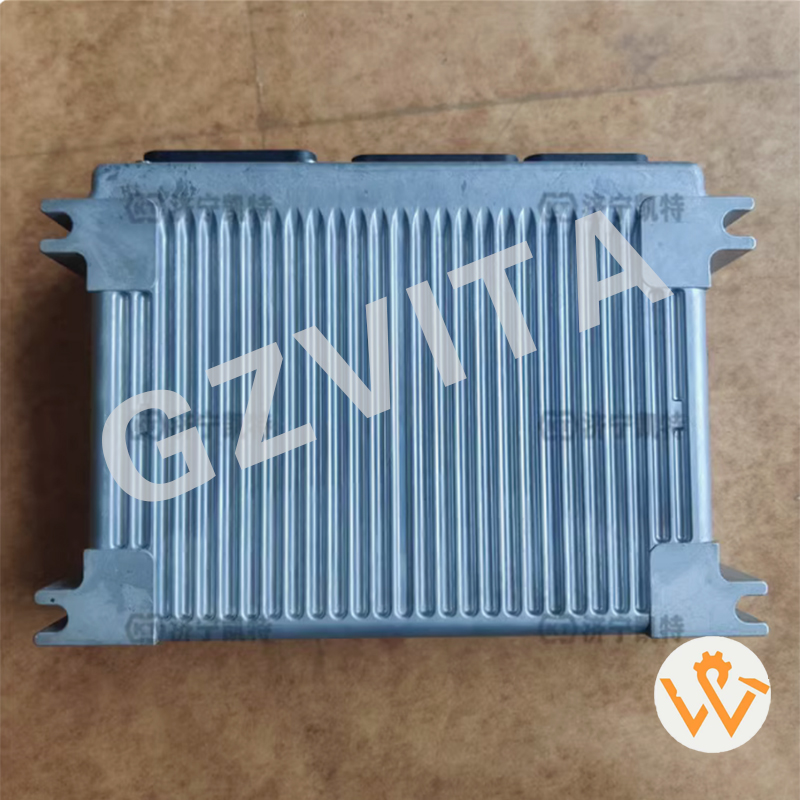
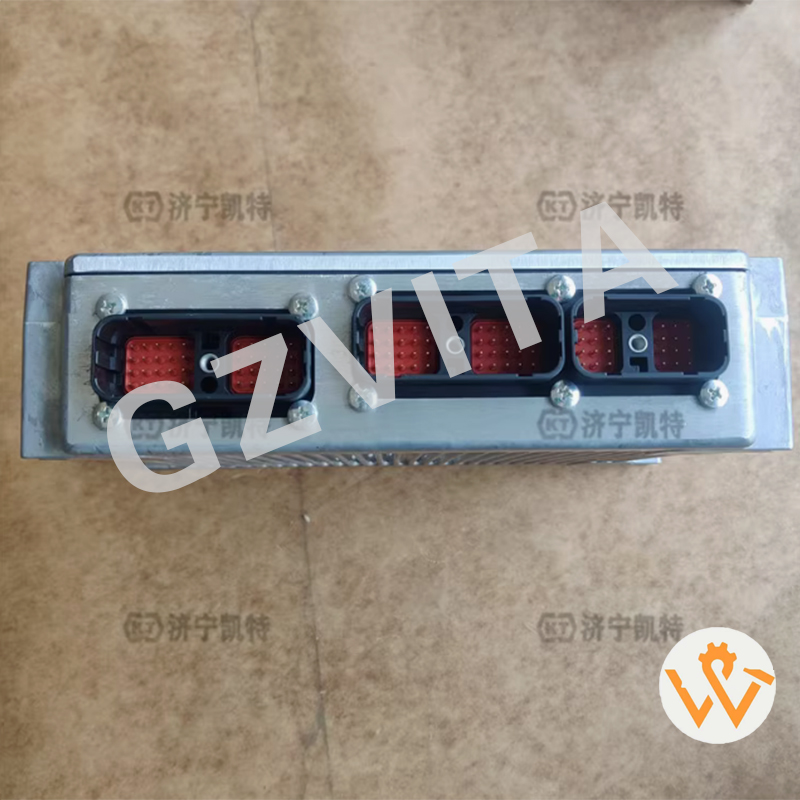
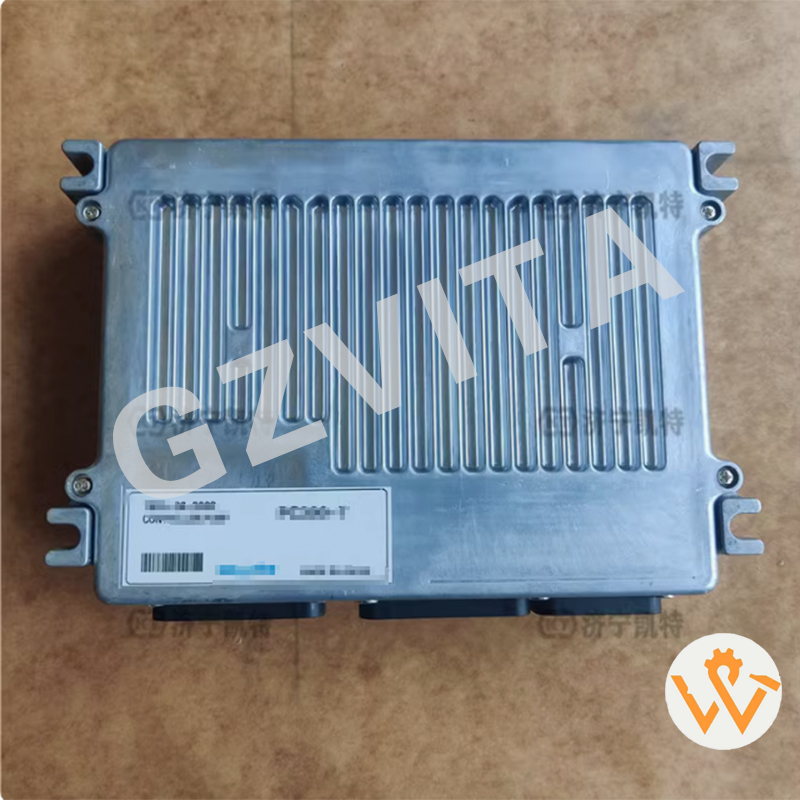
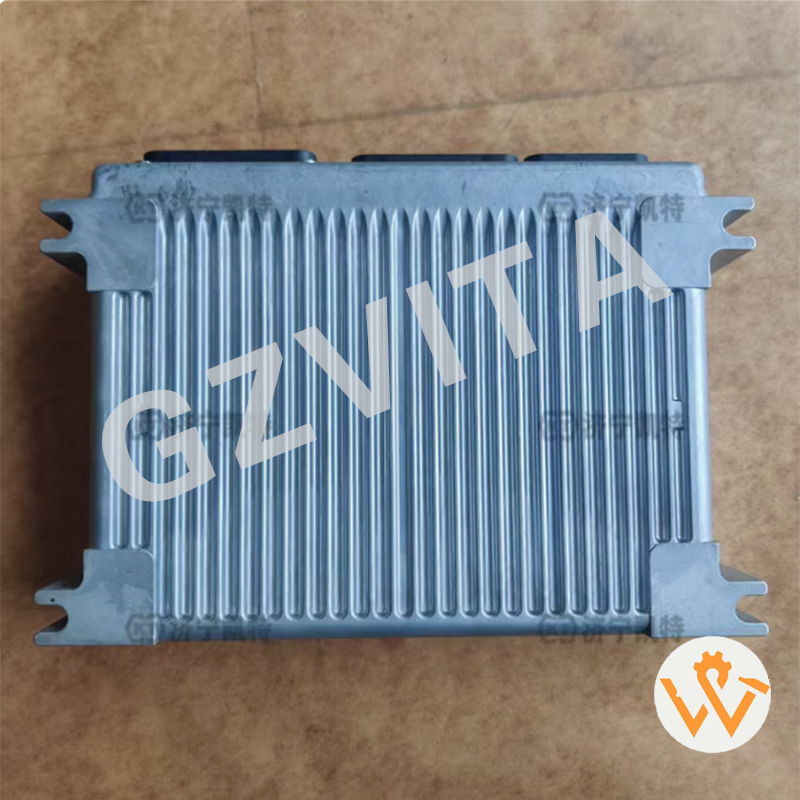
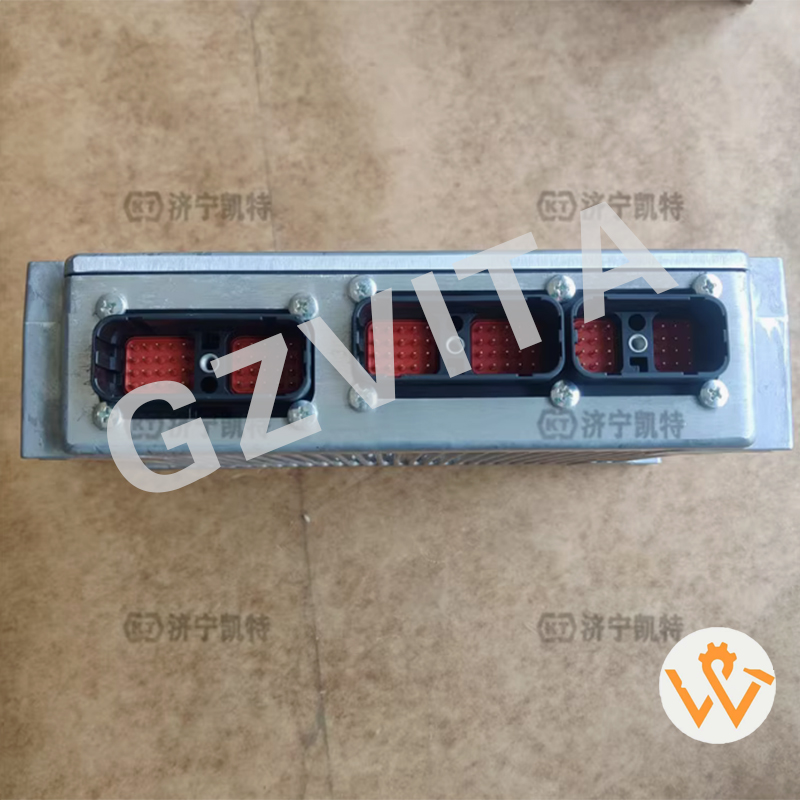
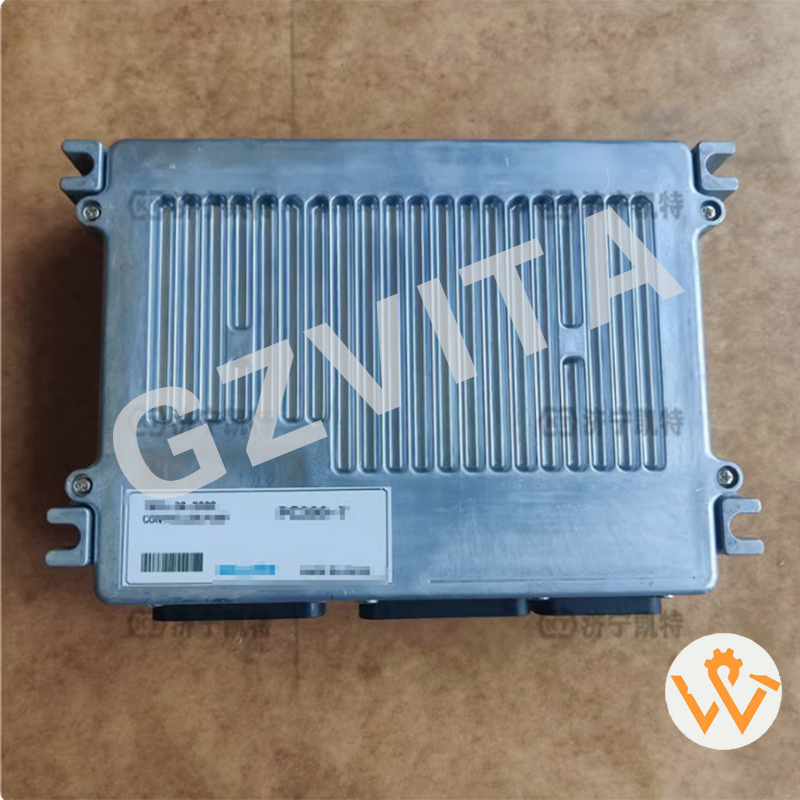
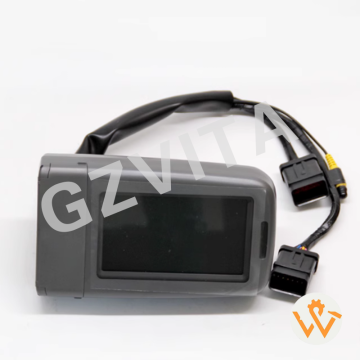
High Quality Controller 7835-26-2003 7835262003 for Komatsu PC300-7 PC350-7 PC360-7 Excavator
How to choose the correct Fuel Pressure Sensor Assembly?
Choosing the correct Common Rail Pressure Sensor for an excavator involves several important steps. Here’s a guide to help you make the right choice:
Identify the Make and Model: Start by identifying the make, model, and year of the excavator. Different models may have different specifications for sensors.
Check the Engine Specifications: The Common Rail Pressure Sensor is often specific to the engine type. Check the engine model and specifications, as the sensor must be compatible with the engine’s fuel system.
Consult the Service Manual: Refer to the excavator’s service manual or technical documentation. This will provide detailed information about the required sensor specifications, including part numbers.
OEM vs. Aftermarket:
Decide whether you want to use an Original Equipment Manufacturer (OEM) part or an aftermarket part. OEM parts are typically more reliable but can be more expensive. Aftermarket parts may offer cost savings but ensure they meet quality standards.
Check Connector Type and Pin Configuration:
Ensure that the connector type and pin configuration of the sensor match the existing wiring harness in the excavator. Mismatched connectors can lead to installation issues.
Pressure Range and Specifications:
Verify the pressure range and specifications of the sensor. It should match the operational requirements of the common rail system in the excavator.
Quality and Reliability:
Look for sensors from reputable manufacturers known for quality and reliability. Reading reviews and seeking recommendations can help.
Warranty and Support:
Check if the sensor comes with a warranty and what kind of customer support is available. This can be important if you encounter issues after installation.