
 +86 18578756148






0102030405

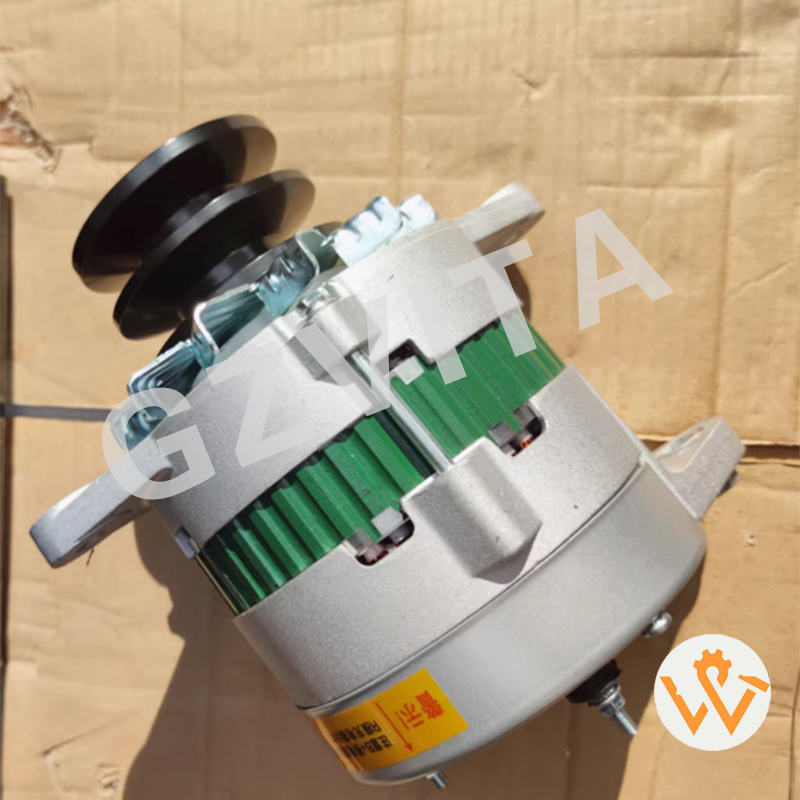
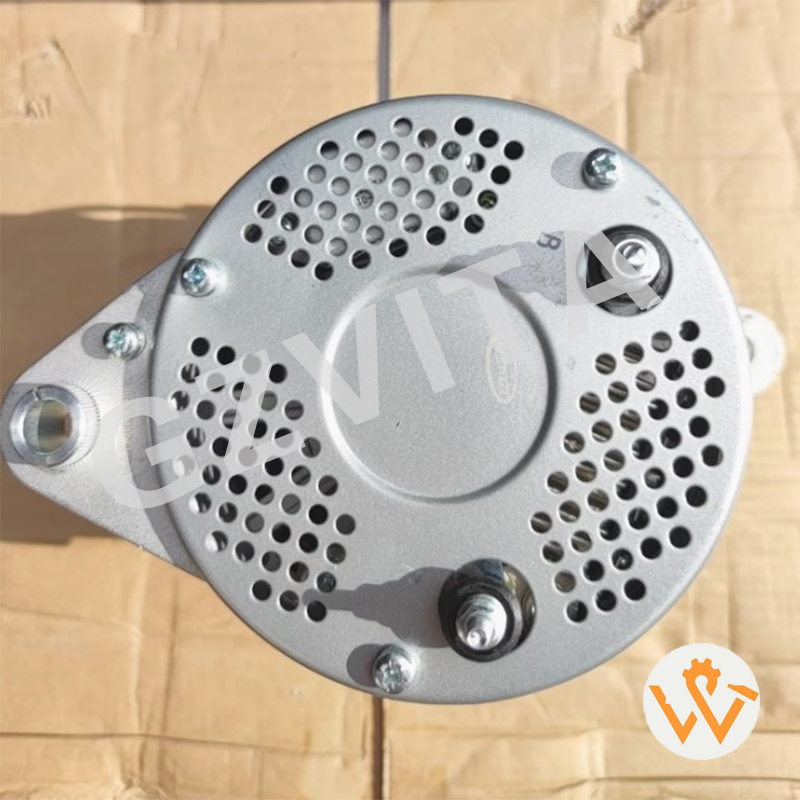
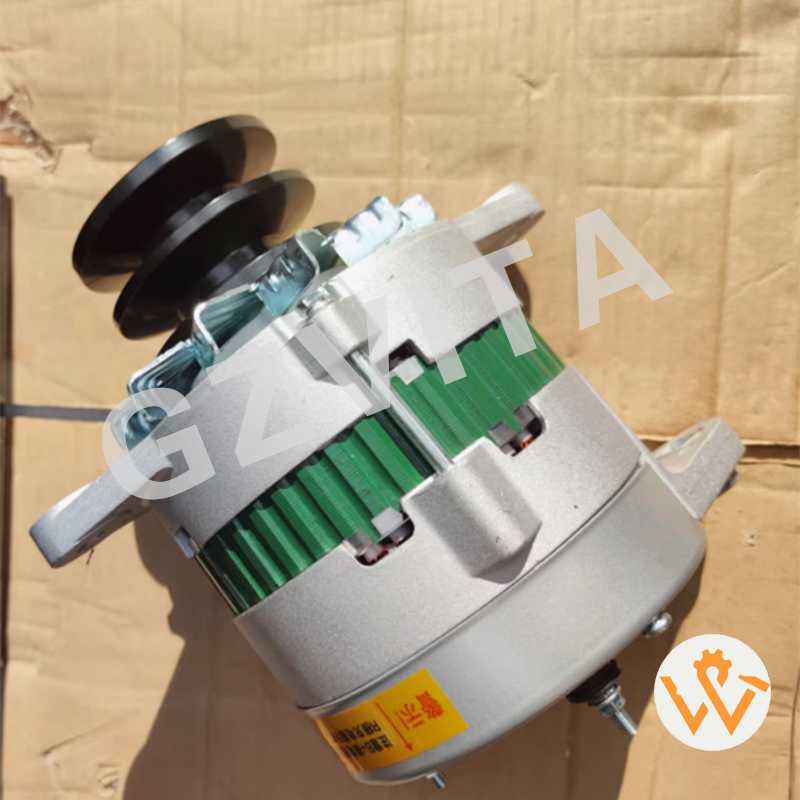
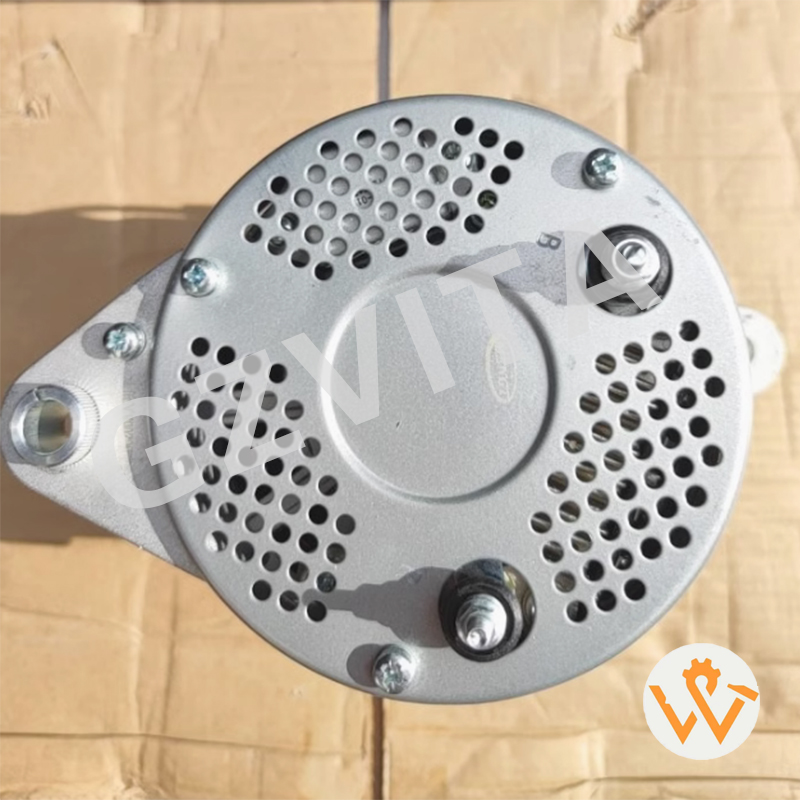
PC450-8 Engine Alternator 600-825-5151 600-825-5150 for Komatsu SAA6D125E-5
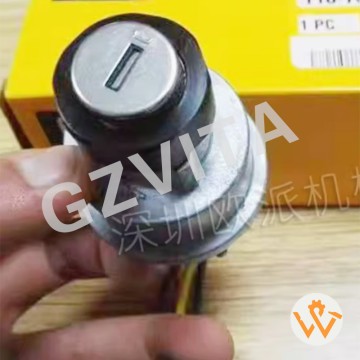
The introduction to starting switch for Komatsu machinery
The starting switch for Komatsu machinery is a crucial component that allows the operator to start the engine and engage the machine’s electrical systems. Here’s an introduction to its features and functions:
Functionality: The starting switch is responsible for initiating the engine start sequence. When the operator turns the key or presses the switch, it sends an electrical signal to the starter motor, allowing the engine to crank and start.
Design: The starting switch is typically designed to be durable and resistant to harsh operating conditions, such as dust, moisture, and vibrations commonly found in construction and heavy machinery environments.
Types:
Keyed Switch: Many Komatsu machines use a keyed ignition switch, which requires a specific key to start the engine, providing an added layer of security.
Push Button Switch: Some newer models may feature a push-button start system, which can be more convenient and quicker to use.
Safety Features:
The starting switch often includes safety mechanisms to prevent accidental starting. This may involve requiring the operator to engage the brake or ensure that the machine is in neutral before the engine can be started.
Maintenance:
Regular inspection of the starting switch is important to ensure reliable operation. Signs of wear, such as difficulty turning the key or intermittent starting issues, may indicate that the switch needs to be replaced.
Installation:
Replacing a starting switch typically involves disconnecting the battery, removing the old switch, and installing the new one according to the manufacturer’s specifications. It’s advisable to consult the machine’s service manual for specific instructions.