
 +86 18578756148






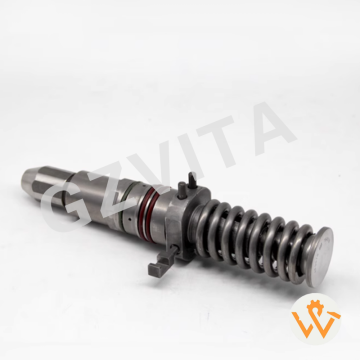
0102030405

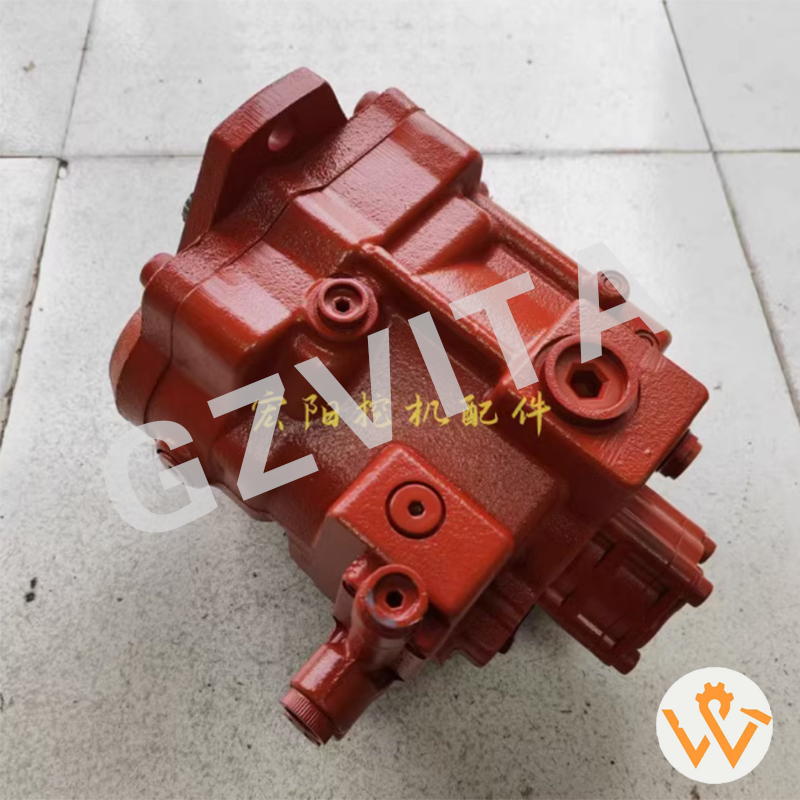
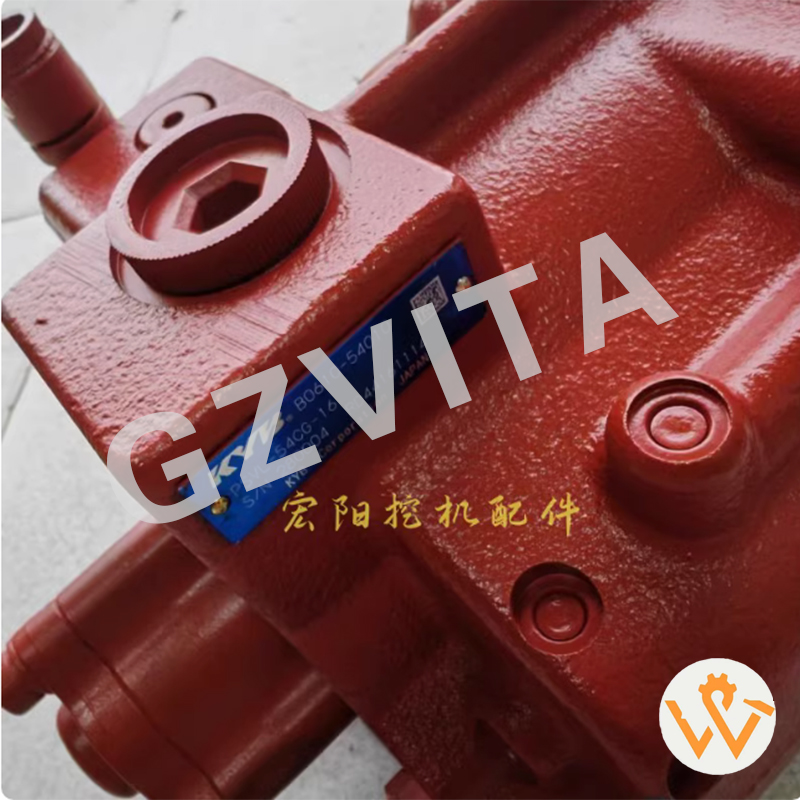
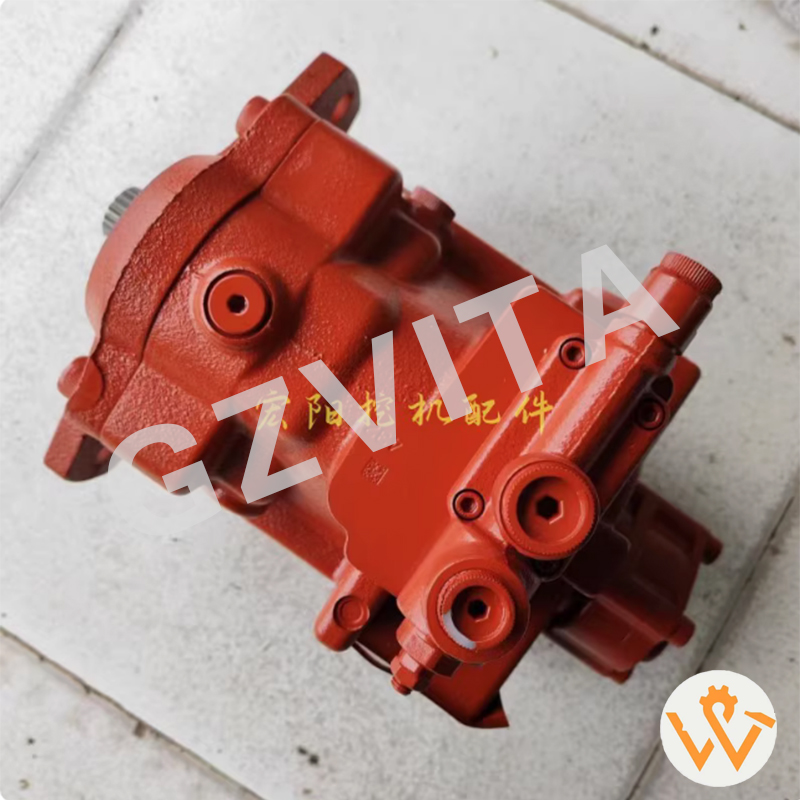
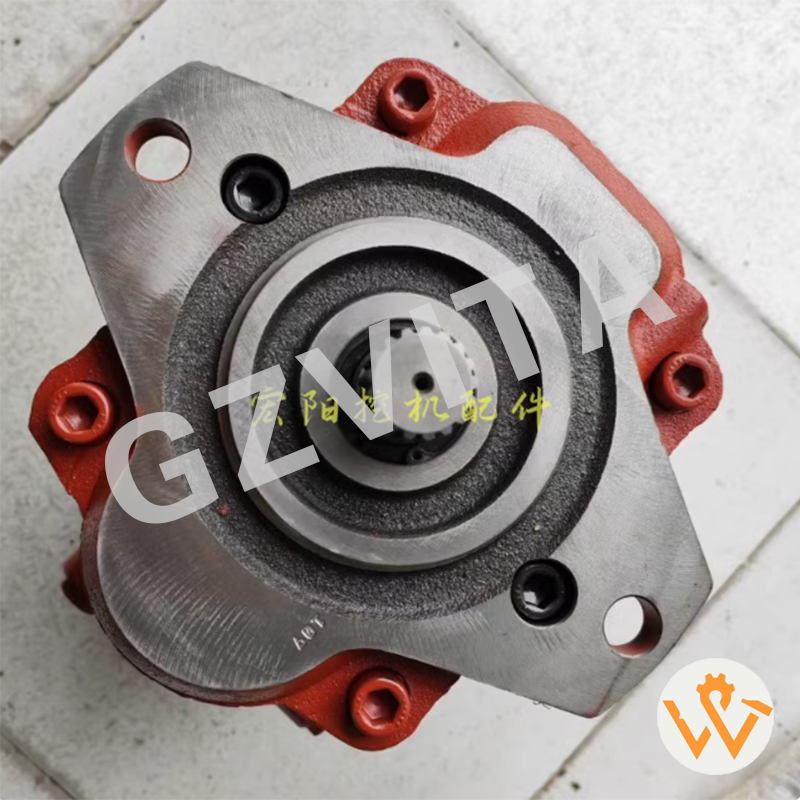
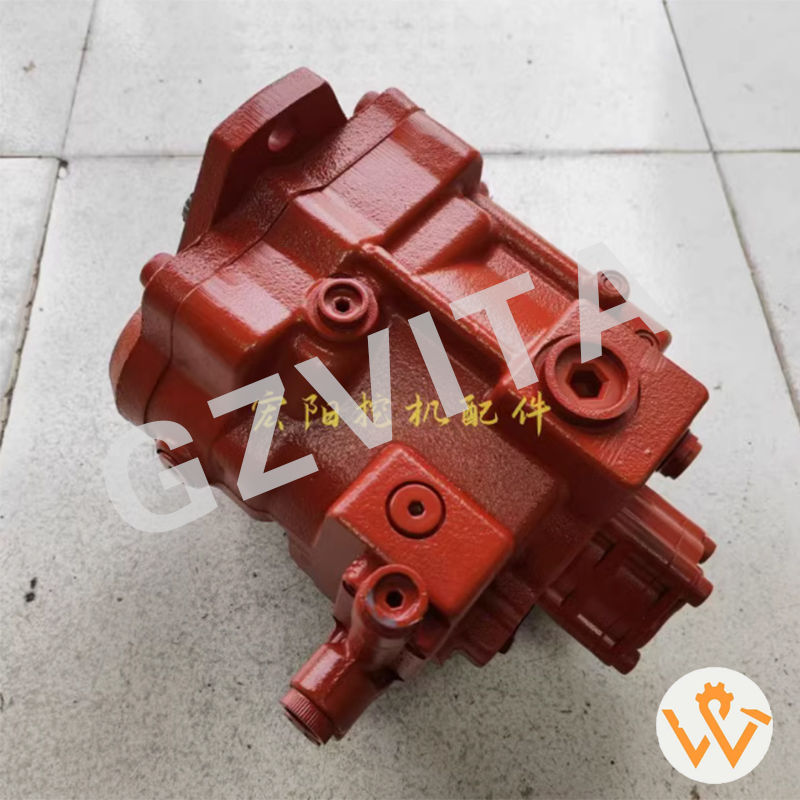
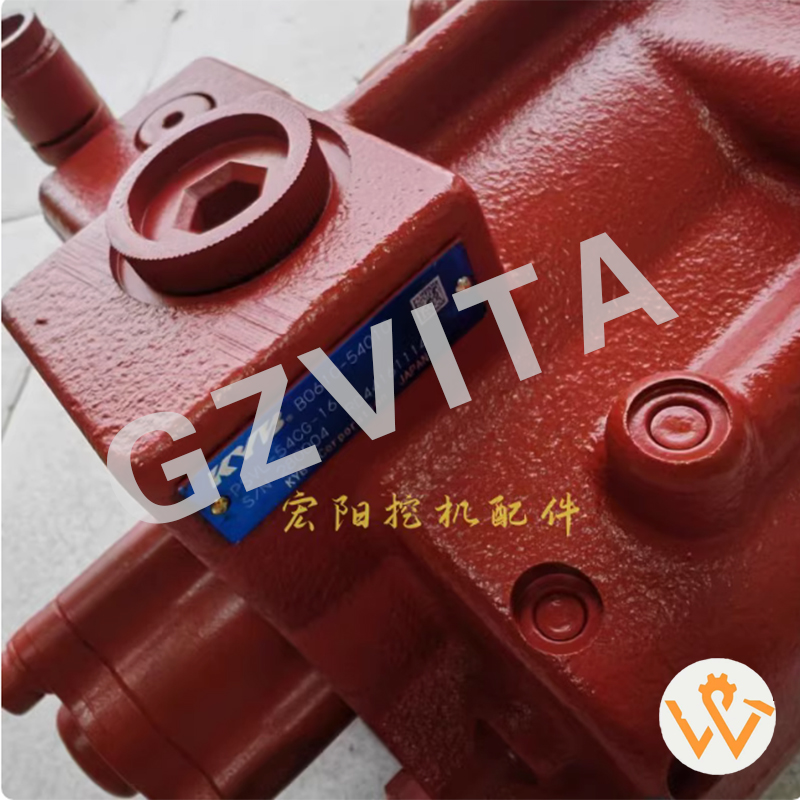
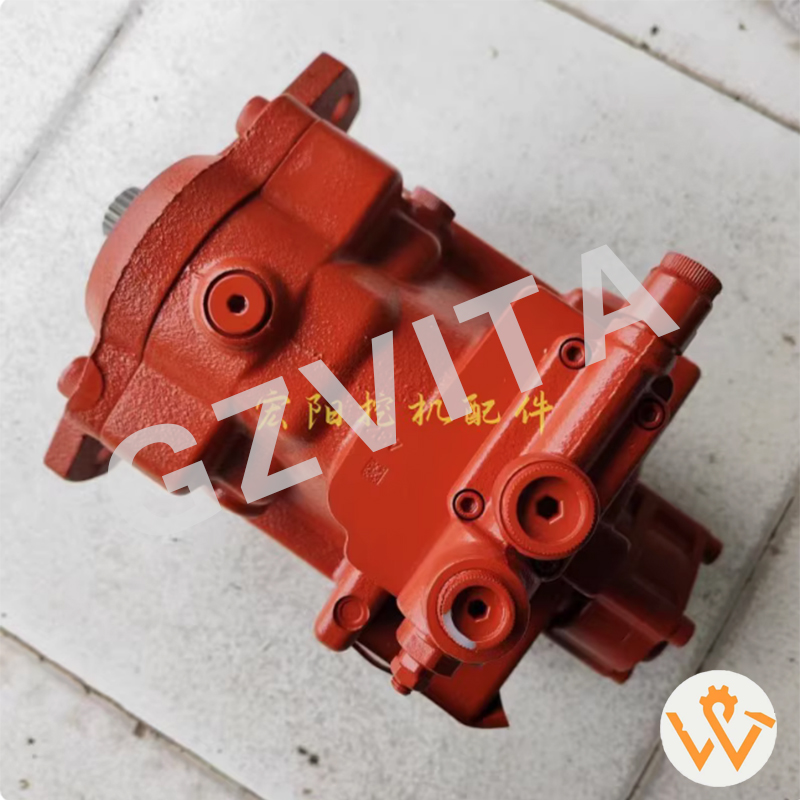
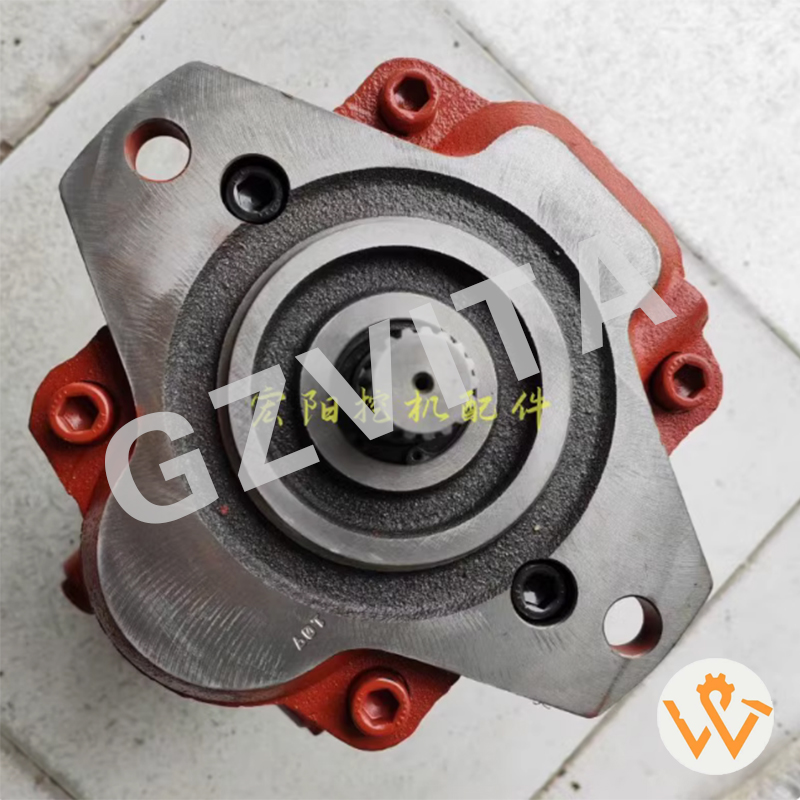
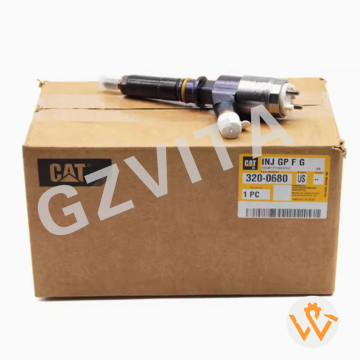
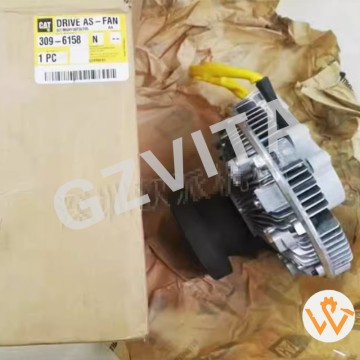
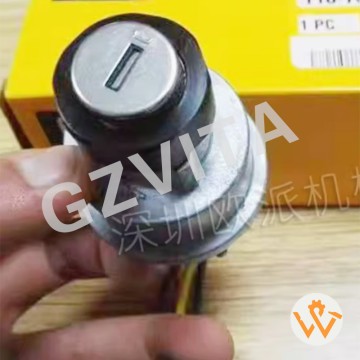
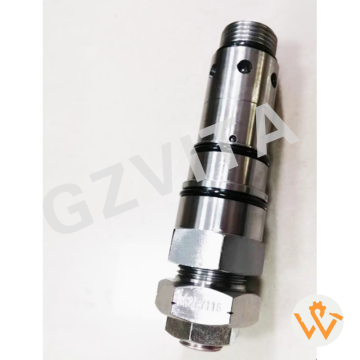
Kubota Excavator KX151 155 161 Large Pump PSVL-54CG Hydraulic Pump Plunger Pump RD441-61114
Product Introduction
Engine belts are crucial components in an internal combustion engine, playing several vital roles that contribute to the overall functionality and efficiency of the vehicle. Here are some key points highlighting their importance:
Power Transmission: Engine belts, such as the serpentine belt and timing belt, are responsible for transferring power from the engine’s crankshaft to various components, including the alternator, water pump, power steering pump, and air conditioning compressor. This power transfer is essential for the operation of these systems.
Timing and Synchronization: The timing belt (or chain) ensures that the engine’s camshaft and crankshaft rotate in sync. This synchronization is critical for the proper timing of the engine’s intake and exhaust valves, which affects engine performance, efficiency, and emissions. A failure in the timing belt can lead to severe engine damage.
Cooling System Functionality: The water pump, which is often driven by a belt, circulates coolant through the engine and radiator to maintain optimal operating temperatures. A malfunctioning belt can lead to overheating, which can cause significant engine damage.
Accessory Operation: Belts drive various accessories that enhance vehicle comfort and functionality, such as the power steering pump (which assists in steering), the air conditioning compressor (which provides cabin cooling), and the alternator (which charges the battery and powers electrical systems).
Maintenance Indicators: Engine belts can serve as indicators of engine health. Signs of wear, such as cracks, fraying, or glazing, can signal the need for replacement. Regular inspection and maintenance of belts can prevent unexpected failures and costly repairs.
Fuel Efficiency: A well-functioning belt system contributes to the overall efficiency of the engine. If belts are worn or loose, they can cause additional strain on the engine, leading to decreased fuel efficiency and increased emissions.
Cost-Effectiveness: Regular maintenance and timely replacement of engine belts can prevent more significant issues down the line, saving vehicle owners from expensive repairs and extending the life of the engine and its components.
In summary, engine belts are essential for the proper operation of various engine components, ensuring that the vehicle runs smoothly and efficiently. Regular inspection and maintenance of these belts are crucial for vehicle reliability and performance.
Product Display
-
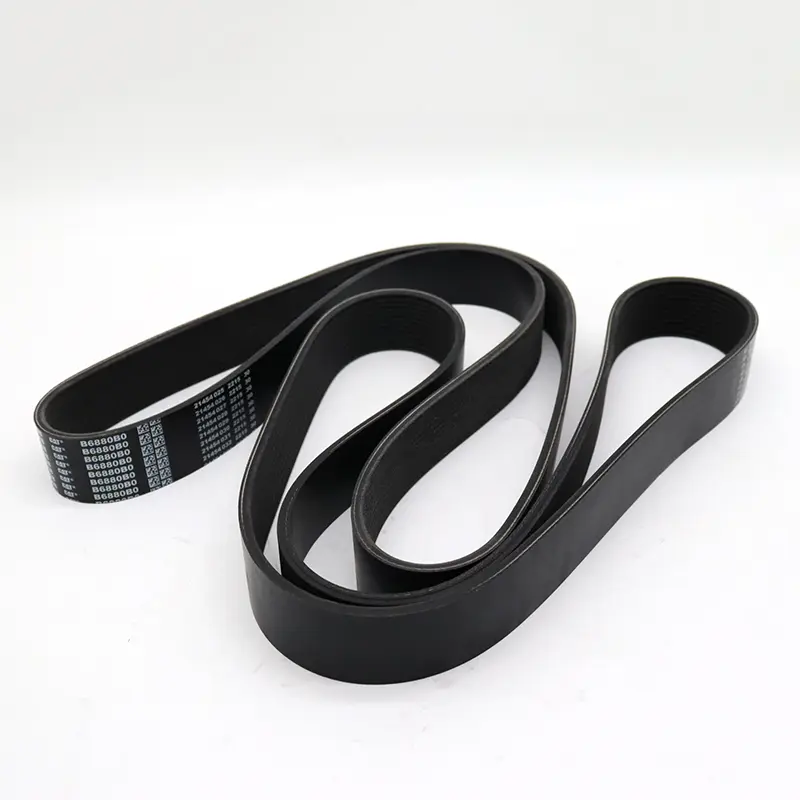
CAT Fan Belt Engine Belt1
-
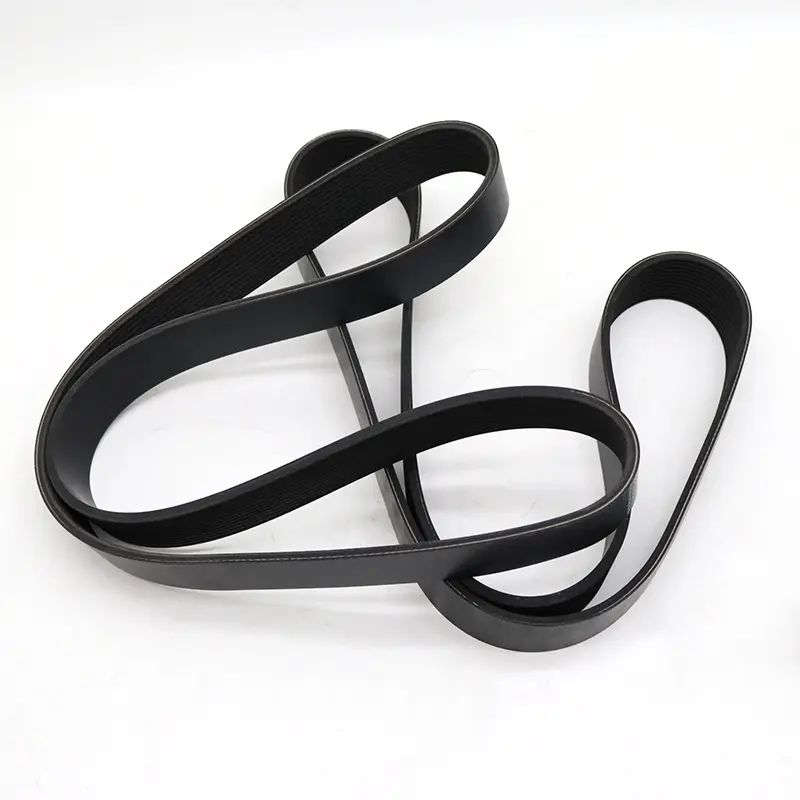
CAT Fan Belt Engine Belt2
-
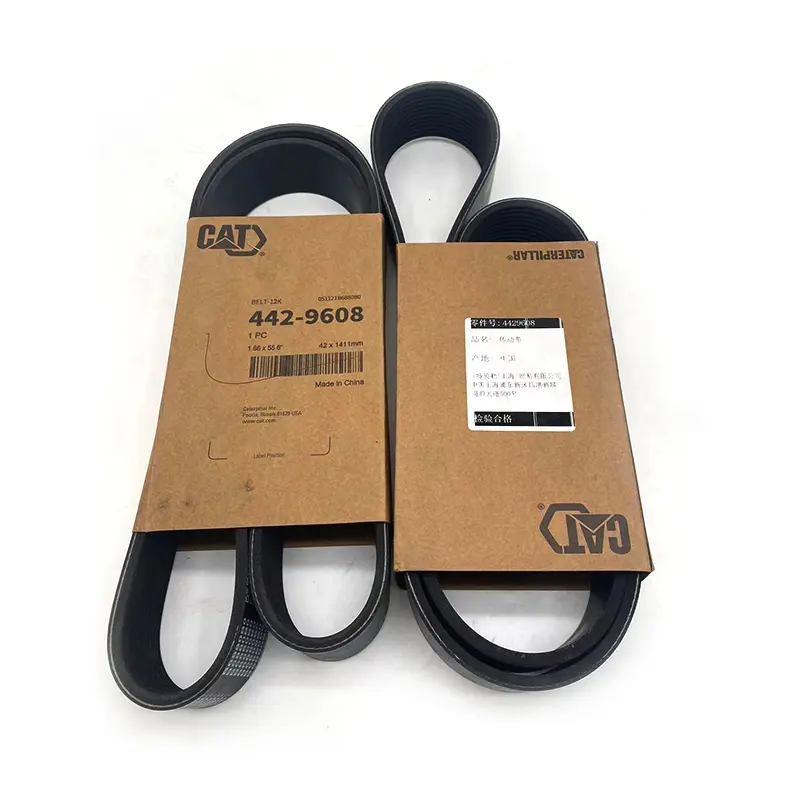
CAT Fan Belt Engine Belt3