Leave Your Message
Products Categories
Featured Products

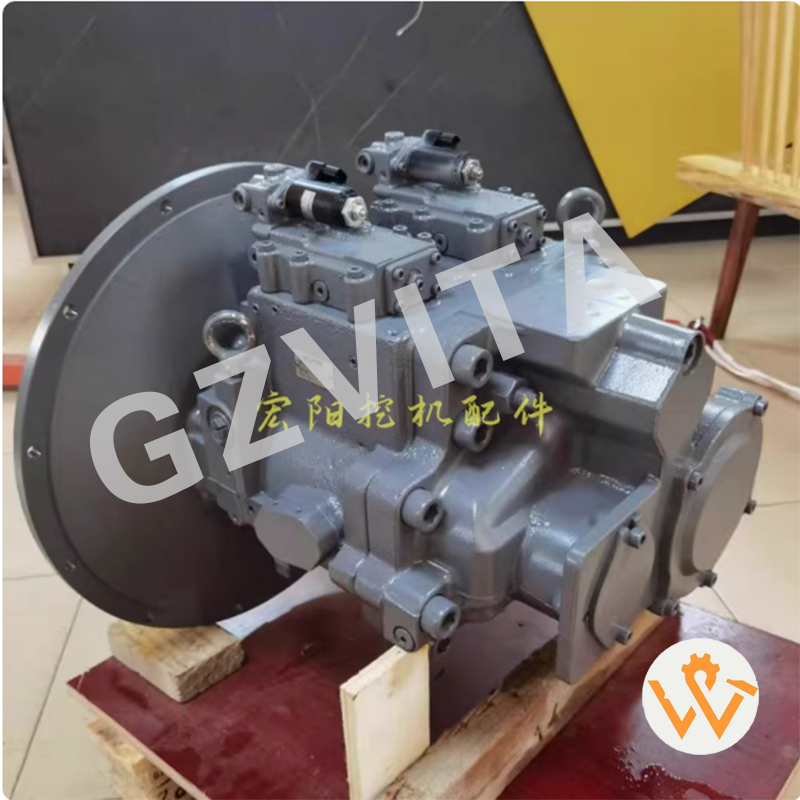
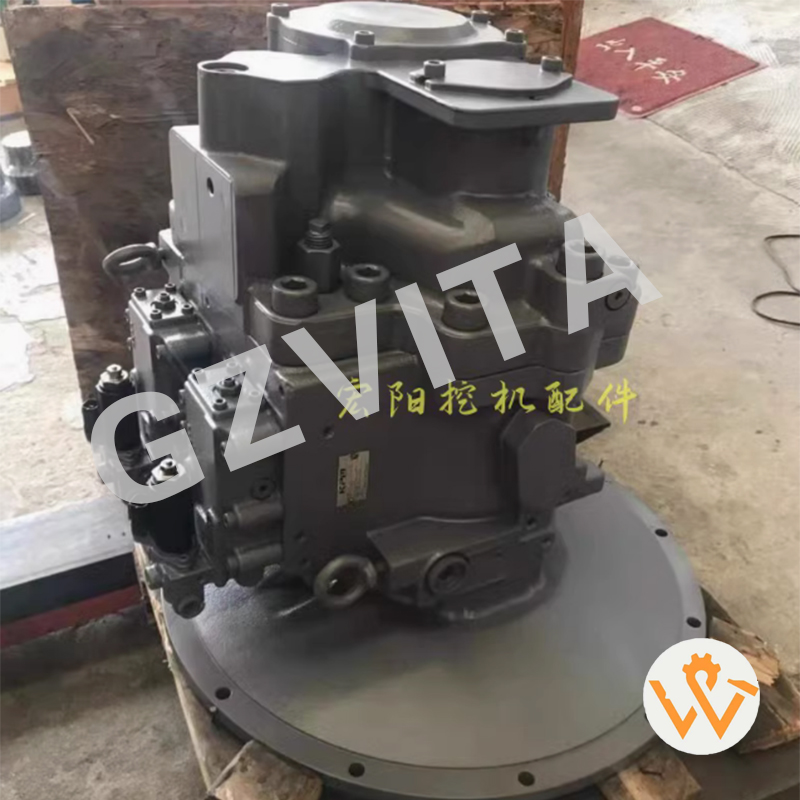
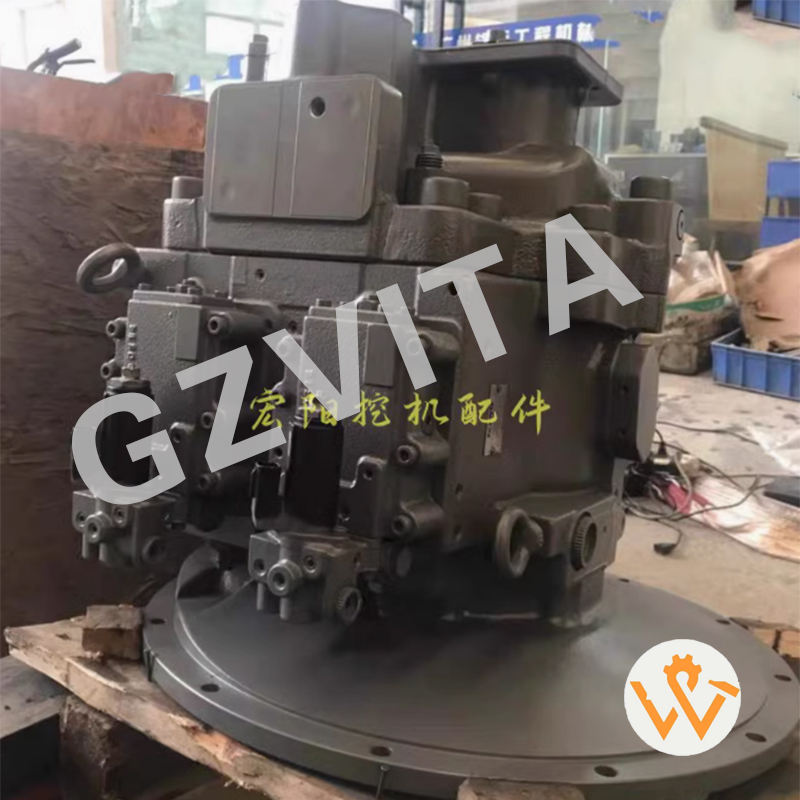
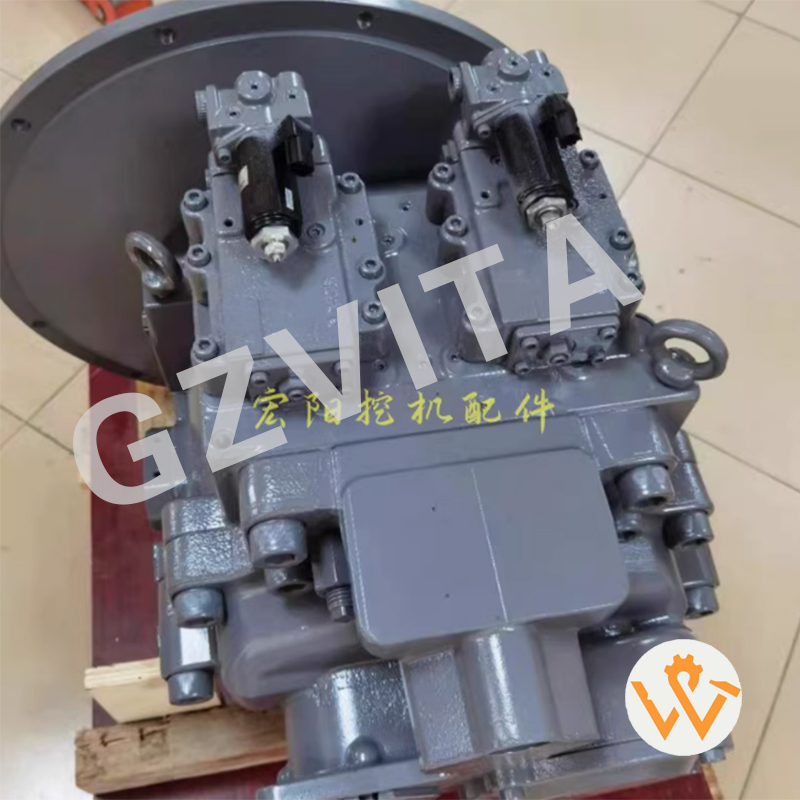
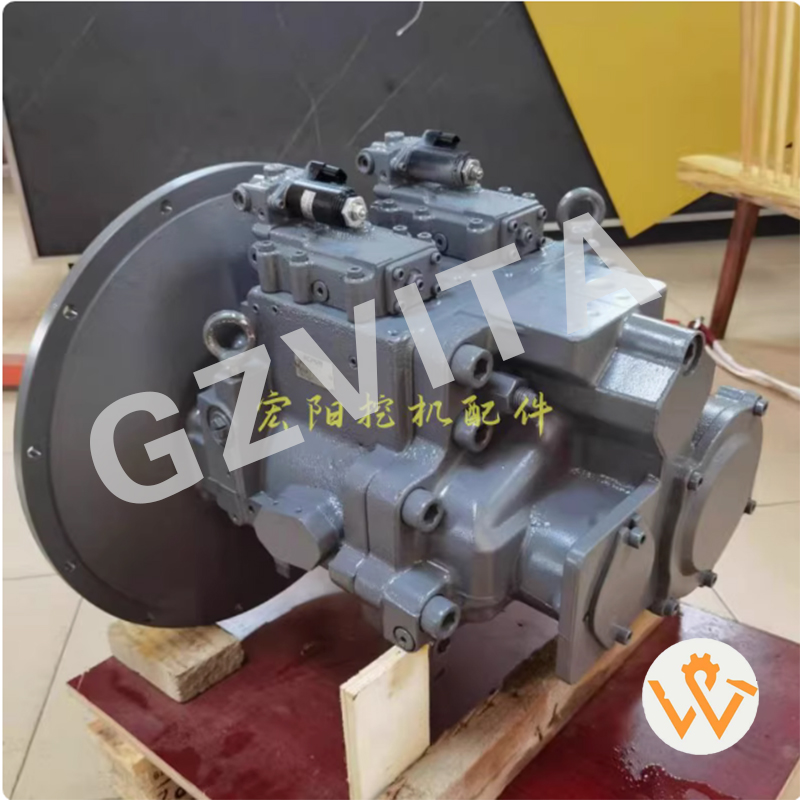
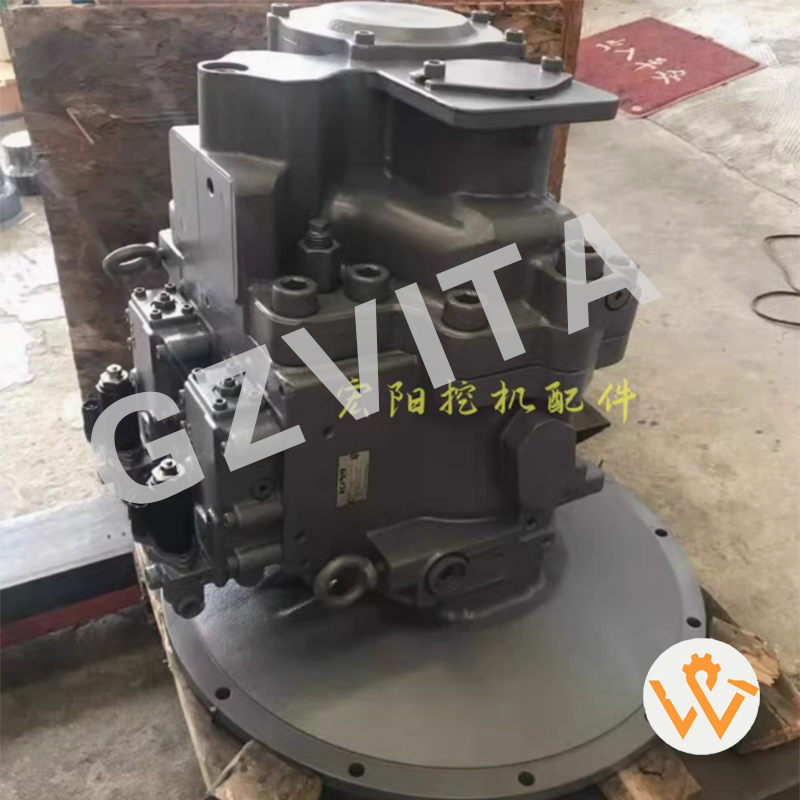
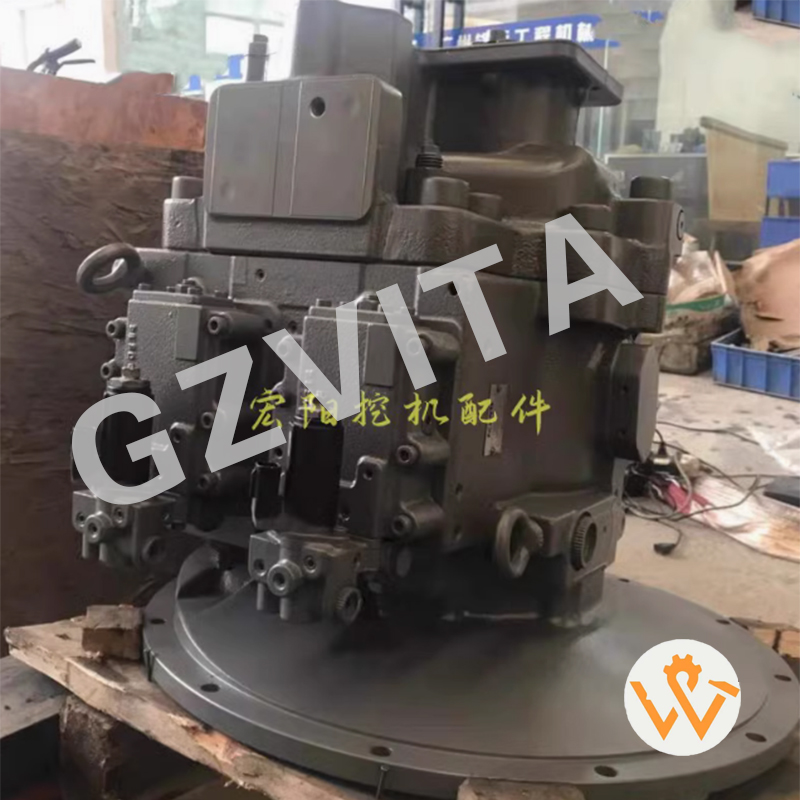
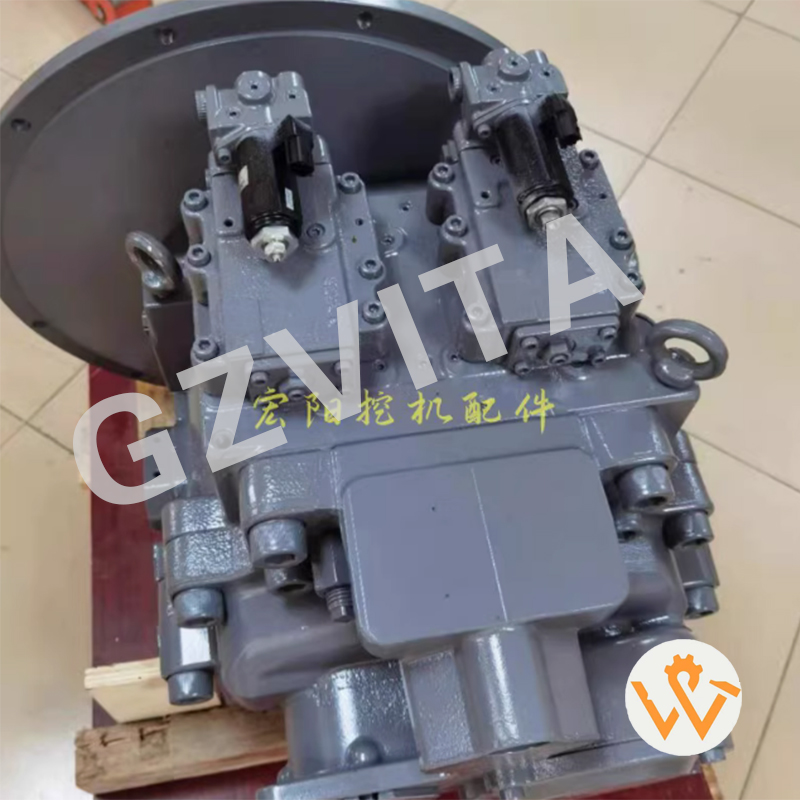
ZAX450 ZAX470 490-5A Hydraulic Main Pump K5V200DTP-OE11 Pumps SK450-6

Daily visual inspection – Check for external leaks, cracks, or damage.

Monitor hydraulic oil level – Ensure it is within the recommended range before operation.

Check oil temperature – Avoid operation beyond the specified temperature limit.

Listen for abnormal noises – Unusual sounds may indicate cavitation or internal wear.

Inspect pump mounting bolts – Ensure they are tight and secure.

Verify drive coupling condition – Look for wear, cracks, or misalignment.

Check suction lines and filters – Prevent restrictions or air ingress.

Monitor system pressure – Use gauges to detect abnormal fluctuations.

Inspect case drain line – Ensure it is unobstructed and not leaking excessively.

Maintain oil cleanliness – Change filters regularly and use clean oil.

Avoid dry running – Always prime the pump before starting.

Warm up the system – Operate at low pressure and flow in cold conditions.

Prevent contamination – Keep the reservoir and fill area clean.

Check for overheating – Monitor pump housing temperature during operation.

Avoid prolonged operation at maximum pressure – Reduce stress on the pump.

Inspect hoses and fittings – Look for wear, leaks, or loose connections.

Verify proper belt tension – For belt-driven pumps, ensure correct tension.

Monitor oil condition – Look for discoloration, foam, or contamination.

Check for air in the system – Bleed air if foaming or erratic operation occurs.

Ensure adequate ventilation – Prevent heat buildup around the pump.

Follow manufacturer’s operating limits – Adhere to pressure and flow specifications.

Use recommended hydraulic oil – Follow viscosity and grade requirements.

Avoid sudden pressure spikes – Operate controls smoothly to prevent shocks.

Inspect electrical connections – For electric-driven pumps, ensure secure wiring.

Record operating hours – Schedule maintenance based on service intervals.

Check alignment – Ensure the pump is properly aligned with the drive source.

Monitor pump vibration – Excessive vibration may indicate imbalance or wear.

Test relief valve function – Verify proper pressure relief during operation.

Keep maintenance records – Document inspections, repairs, and part replacements.

Train operators – Ensure they understand proper pump operation and early warning signs of failure.

    Introduction to Excavator Cab Rear view Mirrors

    The rear view mirror in an excavator cab is a critical component that enhances safety and operational efficiency. Here’s an overview of its importance, features, and functionality:

    1. Safety Enhancement

    Visibility: The rear view mirror provides the operator with a clear view of the area behind the excavator, which is essential for safe maneuvering, especially in tight spaces or crowded job sites.

    Blind Spot Reduction: It helps reduce blind spots, allowing the operator to be more aware of their surroundings and any potential hazards, such as other machinery, personnel, or obstacles.

    2. Operational Efficiency

    Improved Awareness: By providing a broader field of vision, the rear view mirror allows operators to monitor their work area more effectively, leading to better decision-making and increased productivity.

    Enhanced Communication: In some cases, the rear view mirror can facilitate communication with ground personnel, helping to coordinate movements and operations more effectively.

    3. Design and Features

    Adjustable Angles: Many excavator cab mirrors are designed to be adjustable, allowing operators to customize the angle for optimal visibility based on their seating position and the specific job site conditions.

    Wide-Angle and Convex Options: Some mirrors are designed as wide-angle or convex mirrors, which provide a broader view of the surroundings, further enhancing safety.

    Durability: Rear view mirrors are typically constructed from durable materials to withstand harsh working conditions, including vibrations, dust, and impacts.

    4. Integration with Other Systems

    Camera Systems: In modern excavators, rear view mirrors may be integrated with camera systems that provide real-time video feeds to the operator, offering an even clearer view of the rear and sides of the machine.

    Display Screens: Some advanced excavators feature display screens that can show images from rear view cameras, further enhancing visibility and safety.

    5. Regulatory Compliance

    Safety Standards: The inclusion of rear view mirrors in excavator design is often mandated by safety regulations to ensure that operators have the necessary visibility to operate machinery safely.

    Leave Your Message