Leave Your Message

What Is the Best China Arm Cylinder for Global Buyers?

Choosing the best China Arm Cylinder for global buyers is not a matter of selecting the lowest quotation. It requires evidence, engineering judgment, and careful supplier verification. The right cylinder must match the machine’s load, stroke, mounting geometry, operating pressure, speed, temperature, and working environment.

Anthony Esposito, PE, author of Fluid Power with Applications, stated, “Hydraulic system performance depends on matching components to the application, not simply choosing the largest component.” This principle remains highly practical. A heavy excavator cylinder needs different materials and sealing arrangements than a compact agricultural actuator. Bore diameter, rod strength, chrome thickness, weld quality, and seal compatibility all influence service life.

Details matter.

Experienced buyers should request dimensional drawings, pressure-test records, material certificates, and inspection data. They should also confirm whether the manufacturer follows suitable ISO standards, maintains traceability, and supports international fittings and replacement seals. A factory video is useful, but it is not proof of consistent production. Independent inspection can reveal surface defects, incorrect tolerances, or weak welding before shipment.

A reliable China Arm Cylinder supplier should explain its testing process clearly. It should discuss fatigue cycles, corrosion protection, packing methods, and warranty limits without vague promises. Still, no supplier is perfect. Even a well-qualified factory may deliver inconsistent batches when specifications remain unclear. This is where many purchasing plans fail.

Global buyers should compare engineering capability, quality control, communication, and lifetime cost together. The best choice may not be the cheapest cylinder. It is the one that performs predictably under real working conditions.
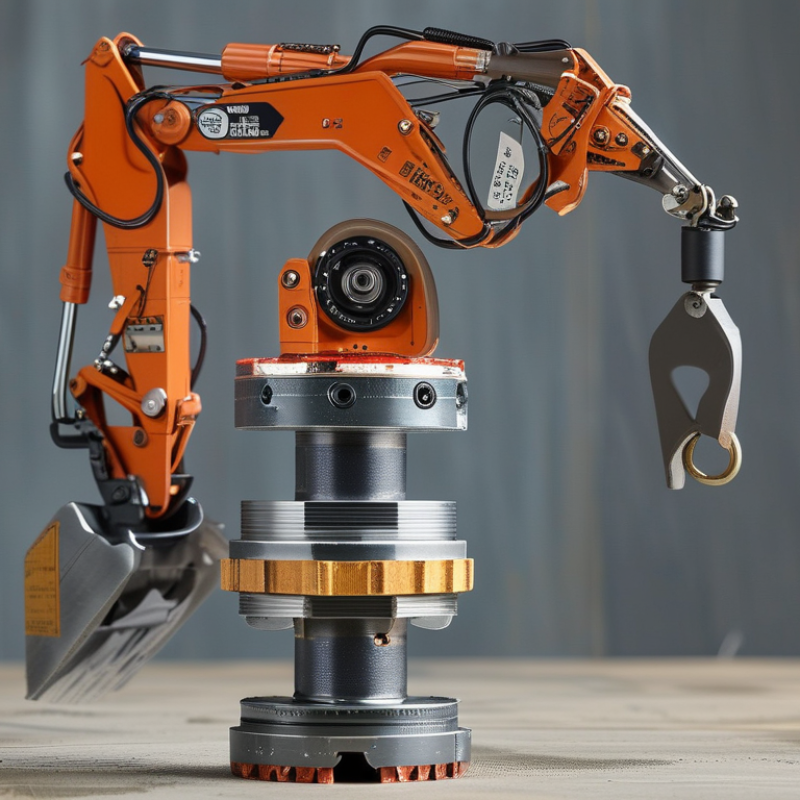
What Is the Best China Arm Cylinder for Global Buyers?

What Defines the Best China Arm Cylinder for Global Buyers?

The best China arm cylinder for global buyers is defined by verified performance, not a low purchase price. MarketsandMarkets valued the global hydraulic cylinders market at about USD 14.4 billion in 2024. Its forecast reaches nearly USD 19.7 billion by 2029. This growth increases pressure on suppliers to prove quality, consistency, and service capability.

Pressure matters. A suitable cylinder should match the excavator’s working pressure, stroke, pin diameter, and mounting space. Buyers should request material certificates, pressure-test records, and dimensional inspection reports. ISO 6020/2 and ISO 6022 provide useful international references for hydraulic cylinder dimensions and performance. However, certification alone does not guarantee dependable field operation. Factory discipline matters too.

During inspection, check the rod surface for uniform chrome plating and visible pitting. Examine weld beads around the barrel and mounting eyes. Ask how seals are selected for temperature, dust, and hydraulic-fluid compatibility. A reliable supplier should provide batch traceability and clear replacement-seal information. The 2024 Global Construction Equipment Market analysis from Off-Highway Research also highlights the importance of after-sales support in equipment ownership costs. Buyers should therefore evaluate response time, spare-part availability, and technical communication.

A polished rod is not proof of excellence. It is only one clue. In my experience, small alignment errors can create uneven seal wear and early leakage. No inspection method is perfect. The strongest choice combines documented testing, practical engineering judgment, and honest discussion about operating conditions.
How to Match an Arm Cylinder to Excavator Requirements

Choosing the best China arm cylinder starts with the excavator, not the supplier’s catalog. Match the cylinder’s bore, rod diameter, stroke, and mounting dimensions to the machine’s original specifications. A small mismatch can cause weak digging force, uneven movement, or premature seal damage. Measure the pin diameter and center-to-center length carefully. Hydraulic pressure matters too. The cylinder must safely handle the excavator’s working pressure, including short pressure spikes during heavy digging.

Consider the jobsite before selecting materials. Quarry work may require stronger rod protection, while muddy construction sites demand reliable sealing and corrosion resistance. Check the rod surface hardness, seal material, tube thickness, and weld quality. Ask for pressure-test records, dimensional drawings, and inspection details. These documents show more than polished product photos. Still, paperwork is not everything. In my experience, a cylinder can meet specifications yet perform poorly when installation alignment is ignored. Bent pins, worn bushings, and contaminated oil can create problems that look like cylinder failure.

Tips: Compare the replacement cylinder with the original unit before ordering. Confirm stroke length under full retraction and extension. Request spare seal information and a clear warranty process. Keep hydraulic oil clean during installation. A clean work area helps. If the excavator works in cold regions, check low-temperature seal performance. If the machine operates continuously, allow a safety margin instead of selecting the minimum rated capacity. That extra margin may cost more, but repeated downtime usually costs more.

Which Materials and Manufacturing Features Matter Most?

For global buyers, an arm cylinder should be judged by material quality, not appearance alone. The barrel commonly uses honed steel tubing with a consistent inner surface. Honing reduces friction and protects the seals during repeated movement. The piston rod needs strong alloy steel, accurate grinding, and a corrosion-resistant chrome layer. Chrome alone is not enough. Poor adhesion can create peeling, scoring, and hydraulic leakage. A polished cylinder may still wear quickly.

Manufacturing accuracy matters just as much as the steel grade. Controlled heat treatment improves strength and reduces deformation under load. Incorrect treatment can leave the rod brittle or too soft. CNC machining should keep piston, rod, and barrel alignment within tight tolerances. Weld areas deserve close inspection because shallow penetration may fail under pressure. Ask for dimensional reports, weld inspection records, and pressure-test results. Small errors become expensive problems.

Seal material must match temperature, fluid type, and working pressure. Polyurethane may handle abrasion well, while other compounds perform better in high heat. Contamination is another practical concern. Tiny metal particles can damage a new seal within weeks. A reliable manufacturer should provide batch traceability and clear test data. Paperwork helps, but it is not proof by itself. Buyers should compare actual cycle testing, surface measurements, and repair feedback. I may sound overly cautious, yet a thicker rod is not automatically better. Design balance matters more than weight.

How to Evaluate Quality, Compatibility, and Service Support

What Is the Best China Arm Cylinder for Global Buyers?

How to Evaluate Quality, Compatibility, and Service Support

A suitable arm cylinder starts with machine compatibility, not price. Check bore diameter, rod diameter, stroke length, pin spacing, port position, and operating pressure. A small mismatch can cause uneven movement, seal damage, or frame stress. ISO 6020/2 offers useful dimensional guidance for hydraulic cylinders, but it does not guarantee field performance. Buyers should still request pressure-test records and material certificates.

Market scale makes verification more important. KHL’s 2024 Yellow Table reported global construction equipment sales of about US$243.4 billion in 2023. Many machines work in dust, rain, and unstable temperatures. Therefore, cylinder quality depends on chrome thickness, rod straightness, welding control, seal selection, and corrosion protection. Ask for cycle-test results, not only polished photographs. A cylinder may look excellent and still fail after a few months. That uncomfortable possibility deserves attention.

Tips: Compare the cylinder against the original drawing. Confirm seal availability in your region. Request a traceable serial number, test pressure, warranty terms, and response times. Service support should include installation guidance and replacement seals. A lower purchase price may become expensive when downtime, freight, and customs delays are included. I would also inspect three random units, because one sample can hide inconsistent production.

How to Compare Suppliers, Costs, and Export Readiness

What Is the Best China Arm Cylinder for Global Buyers?

Choosing a China-made arm cylinder requires more than comparing the lowest unit price. Start with the machine’s bore, rod diameter, stroke, mounting points, and working pressure. Ask suppliers for dimensional drawings, material details, seal specifications, and pressure-test records. A clear drawing often reveals problems before production starts.

Compare the full landed cost, not just the factory quotation. Include tooling, protective packing, inspection, freight, insurance, import duties, and possible replacement parts. One overlooked detail is port configuration. A small mismatch can delay installation and create extra machining costs. My own comparison sheet once missed packaging volume. That mistake changed the freight estimate significantly.

Export readiness also separates dependable suppliers from capable but unprepared workshops. Check whether the supplier provides stable English documentation, serial traceability, commercial invoices, packing lists, and inspection reports. Confirm the agreed Incoterm and production lead time in writing. Request photos of finished cylinders, crate protection, and test equipment. Better suppliers explain their quality process instead of promising perfection. They should also discuss warranty limits, claim evidence, and response times. Do not rely on factory photos alone. A video call from the production floor may reveal more. Still, remote checks have limits. An independent pre-shipment inspection can provide stronger evidence before payment and dispatch.