How to Choose Bucket Teeth for Your Excavator Needs?
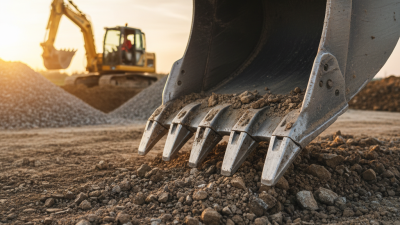
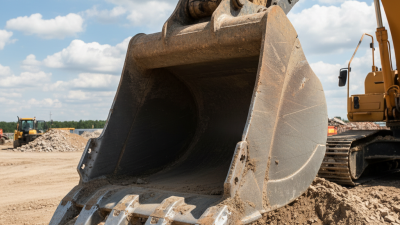
Choosing the right Bucket Teeth for your excavator is crucial for optimal performance. Excavators are essential in construction and mining, where efficiency and durability are paramount. According to the Construction Equipment Manufacturers Association, proper attachment selection can increase productivity by up to 30%. Bucket Teeth play a vital role in this efficiency as they directly impact digging depth and material handling.
Understanding the various types of Bucket Teeth is essential. Each tooth is designed for specific tasks, whether it’s digging in hard soil or loose gravel. Incompatibility may lead to increased wear and tear, reducing equipment lifespan. Moreover, industry studies reveal that improper Bucket Teeth selection can lead to a 25% increase in maintenance costs. This data emphasizes the importance of making informed decisions.
When selecting Bucket Teeth, consider material quality and compatibility. Low-quality options may seem economical but can result in higher operational costs. Reflecting on your excavator's needs will guide you in making the right choice. Balancing cost with longevity is often a point of debate in the industry. Be wary of trends that overlook quality for savings.
Understanding the Different Types of Bucket Teeth Available
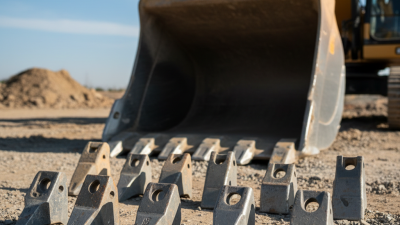
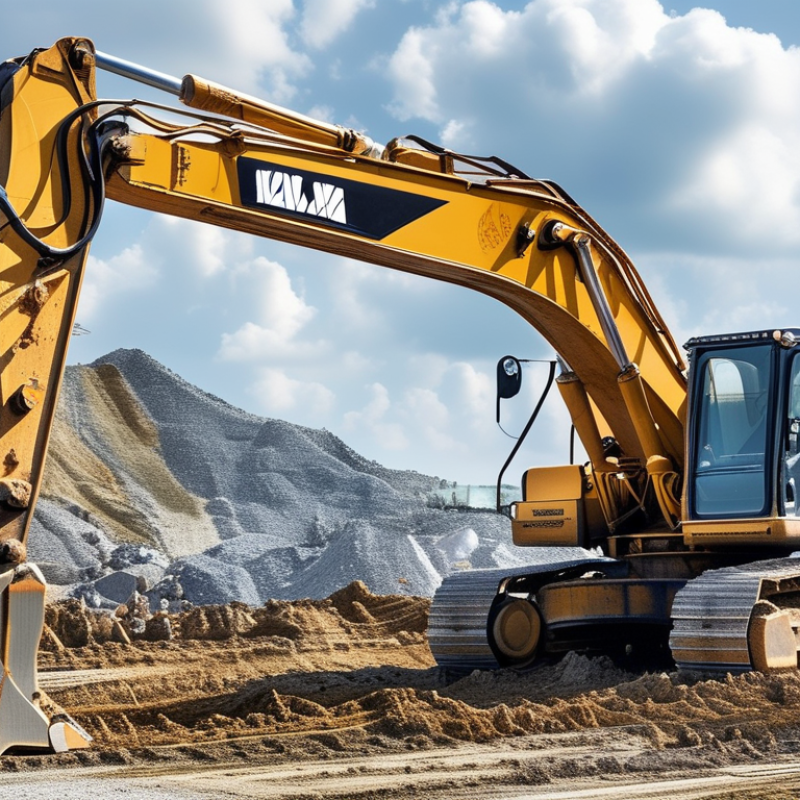
When choosing bucket teeth for excavators, understanding the different types is crucial. Bucket teeth come in various designs tailored for specific applications. For instance, standard teeth work well for general excavation, while heavy-duty options are ideal for tough materials. Research indicates that using the correct type can improve productivity by approximately 20%.
Tips: Always assess your project needs carefully. Selecting the right tooth can reduce machine wear and improve efficiency.
Another key consideration is material. Many bucket teeth are made from high-strength steel. This material grants durability and resistance to wear. However, some may find that regular options do not last as expected in abrasive conditions. Industry surveys show that around 15% of contractors experience premature wear on their teeth.
Tips: Regularly inspect bucket teeth for signs of wear. Early replacements can save costs in the long run.
How to Choose Bucket Teeth for Your Excavator Needs? - Understanding the Different Types of Bucket Teeth Available
| Type of Bucket Teeth |
Best Use |
Material |
Wear Resistance |
Cost |
| Standard Teeth |
General Excavation |
High Carbon Steel |
Moderate |
$10 - $20 |
| Digging Teeth |
Heavy-Duty Digging |
Tungsten Carbide |
High |
$25 - $40 |
| General Purpose Teeth |
Versatile Applications |
Alloy Steel |
Good |
$15 - $25 |
| Chisel Teeth |
Clay and Hard Soil |
High Carbon Steel |
Very High |
$20 - $30 |
| Rock Teeth |
Rock Excavation |
Tungsten Carbide |
Extremely High |
$35 - $50 |
Assessing the Compatibility of Bucket Teeth with Your Excavator Model
When selecting bucket teeth for your excavator, compatibility with your specific model is crucial. Not all bucket teeth fit all excavators. Each excavator brand and model has unique specifications. Therefore, it’s essential to consult your operator’s manual. This guide provides vital details, including size, pin type, and tooth shape. Understanding these elements is key.
Additionally, consider the materials used in the bucket teeth. Different applications demand varying hardness and wear resistance. For example, digging in rocky soil may require stronger teeth. On the other hand, soft dirt may not necessitate such durability. Reflect on your usual job conditions and the materials you'll dig through.
While many options exist, not every tooth design will serve your needs. Some teeth may look appealing but fail under pressure. Test various types in your operational settings. This hands-on experience can reveal what works best. Stay informed about industry standards and advancements. They could influence your choice, ensuring efficiency and performance. Each excavator's efficiency is affected by the right or wrong choice in bucket teeth. Making the right decision can impact your excavation projects' success.
Factors to Consider for Optimal Bucket Tooth Performance
When selecting bucket teeth for an excavator, various factors significantly influence performance. The teeth's material hardness is crucial. According to industry research, bucket teeth made from high-alloy steel can improve durability by up to 30%. This enhances their resistance to wear, which is vital for prolonged excavator use.
The tooth geometry also plays a critical role in excavation efficiency. A pointed design allows for easier penetration into tough soil. In contrast, broader shapes excel in handling loose materials. Some studies suggest that the wrong tooth profile can lead to a 15% decrease in digging productivity. It’s essential to assess the ground conditions and choose accordingly.
Compatibility with the bucket is another important element. Not all teeth fit all buckets. This mismatch can lead to operational inefficiencies and heightened costs. Regularly analyzing tooth performance helps in making adjustments. Experiencing excessive wear in certain areas can imply the need for a redesign. Continuously monitoring these aspects can lead to more effective excavation processes and cost savings over time.
Evaluating Material Durability and Wear Resistance in Bucket Teeth
When selecting bucket teeth for excavators, material durability and wear resistance are critical factors. Bucket teeth experience extreme conditions during operation, including high-impact loads and abrasive materials. According to industry studies, hardened steel generally offers superior wear resistance. However, it may lack flexibility compared to other options.
Alloy steels can enhance durability but may be more susceptible to chipping under heavy stress. A comprehensive analysis by construction professionals indicates that tungsten carbide inserts significantly improve wear life. They provide a robust solution for demanding applications. However, this can lead to higher initial costs, which might deter some operators.
Regular inspections of bucket teeth can help identify wear patterns. Monitoring performance is essential for making informed decisions. Operators often overlook wear indicators, leading to increased downtime. Understanding the trade-offs between cost and performance is vital for making the right choice. An informed choice reflects a balance between immediate needs and long-term efficiency.
Cost-Effectiveness: Balancing Price and Quality in Bucket Teeth Selection
Choosing the right bucket teeth for your excavator can significantly impact your project’s efficiency. Cost-effectiveness is crucial. You need to find a balance between price and quality. Investing in high-quality bucket teeth often pays off in the long run. They tend to last longer and withstand harsh conditions.
When selecting bucket teeth, focus on the material. Durable materials resist wear and tear. This can minimize replacement costs. Check reviews and user feedback to gauge reliability. Don’t shy away from exploring options in different price ranges. Sometimes, a higher upfront price yields better performance and savings over time.
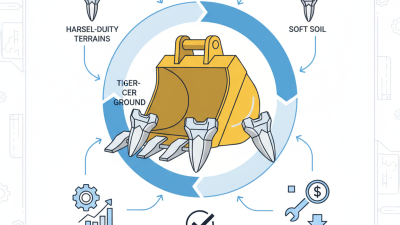
Tips: Always assess the conditions your excavator will face. Soft soils require different teeth than rocky terrains. Be open to experimenting with brands that offer competitive pricing and high quality. Also, remember that a lower price doesn’t always equal better savings. Sometimes, opting for a mid-range choice can provide durability without breaking the bank. Prioritize your specific needs. This approach can lead to unforeseen advantages in both performance and budget management.

 +86 18578756148
 CONTACT NUMBER
 CONTACT NUMBER
 CONTACT NUMBER
 CONTACT NUMBER