Why Are Bucket Teeth Essential for Heavy Equipment Operations?
In the realm of heavy equipment operations, "Bucket Teeth" play a critical role in enhancing efficiency and productivity. Renowned industry expert, John Smith, asserts, “The right bucket teeth can make all the difference on the job site.” His observation underscores the indispensable nature of these components.
Bucket Teeth serve as the frontline warriors against tough materials, allowing machines to dig, scoop, and clear with maximum precision. When properly selected, they improve performance and reduce wear on equipment. However, choosing the wrong type can lead to downtimes and increased operational costs. It's essential to match the right bucket teeth with the specific tasks at hand. For instance, digging in rocky soil requires a different tooth design than for soft clay.
Despite their importance, many operators overlook the nuances of selection. This often leads to inefficient operations and premature wear. Addressing this oversight can enhance both productivity and safety on job sites. Awareness and understanding of Bucket Teeth can lead to better choices and ultimately drive successful outcomes.
The Functionality of Bucket Teeth in Excavation Tasks
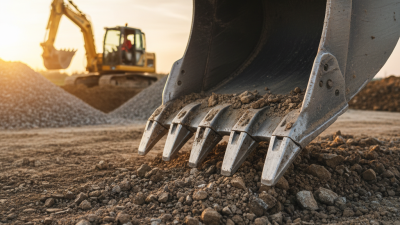
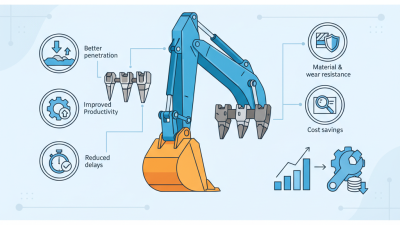
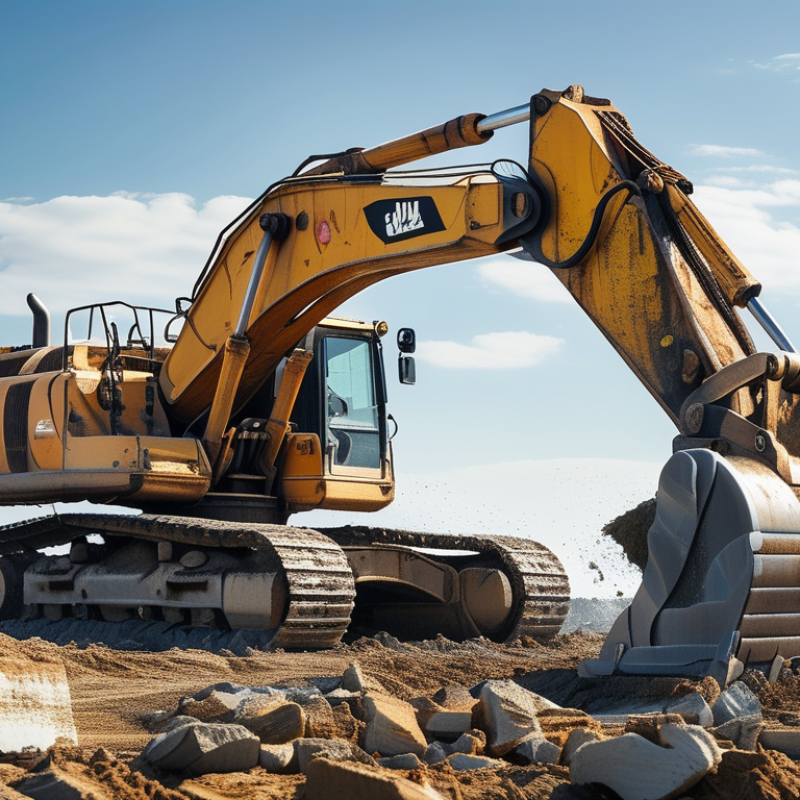
Bucket teeth play a crucial role in excavation tasks. They are the leading edge of a bucket, designed to penetrate the ground efficiently. Their design allows heavy machinery to break through tough soils and rocks. This function enhances the productivity of excavators and loaders in construction sites.
The materials used in bucket teeth also matter. They are often made from alloy steel, providing durability and wear resistance. However, not all bucket teeth are created equal. The wrong type of teeth can lead to excessive wear on the bucket, causing delays and increased costs. Operators must select the appropriate teeth based on the specific conditions of the job site.
Monitoring the condition of bucket teeth is essential. Worn or damaged teeth can negatively impact performance and lead to safety issues. Regular inspections help ensure optimal functionality.
In conclusion, understanding the importance of bucket teeth enables operators to make informed decisions for more efficient excavation tasks.
Types of Bucket Teeth Used in Heavy Equipment
Bucket teeth play a crucial role in heavy equipment operations. They enhance digging efficiency and improve material handling. Different types of bucket teeth serve various functions in construction, mining, and landscaping. Choosing the right kind ensures optimal performance and longevity.
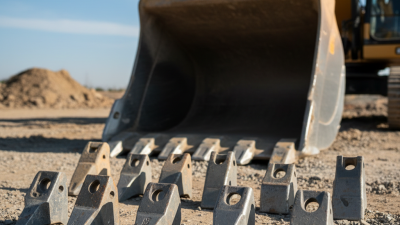
There are several types of bucket teeth. Standard teeth are versatile and commonly used for general excavation. They feature a pointed shape, ideal for penetrating hard surfaces. Flat teeth, on the other hand, provide a broader surface. They work well for moving loose materials and grading tasks. Furthermore, toothed designs offer better gripping on uneven terrain. Users often face the challenge of selecting the right tooth for the job.
Tips: Regular inspection of bucket teeth is essential. Look for signs of wear and tear. Replace them promptly to avoid damaging the bucket. Additionally, consider the material being handled. Different materials may require specialized teeth for effective operation. Keeping a well-maintained inventory ensures you’re always prepared.
Why Are Bucket Teeth Essential for Heavy Equipment Operations? - Types of Bucket Teeth Used in Heavy Equipment
| Type of Bucket Tooth |
Application |
Material |
Advantages |
| Standard Tooth |
General Excavation |
High Carbon Steel |
Versatile and Cost-Effective |
| Heavy-Duty Tooth |
Rock and Tough Terrain |
Tungsten Carbide |
Durability and Reduced Wear |
| Penetration Tooth |
Soft Soil Excavation |
Alloy Steel |
Improved Penetration and Performance |
| Fang-Type Tooth |
Dredging and Material Handling |
Hardened Steel |
Optimal for Material Grab |
| Rock Chisel Tooth |
Breaking Hard Ground |
Special Alloy Steel |
Effective in Aggressive Applications |
Impact of Bucket Teeth on Equipment Efficiency
Bucket teeth play a crucial role in the efficiency of heavy equipment operations. These components are designed to penetrate and break up materials effectively. The right bucket teeth can drastically reduce the time required to complete tasks. This efficiency directly translates to lower operating costs and increased productivity on job sites.
However, the impact of worn or improperly selected bucket teeth can be significant. Operators might experience slower digging speeds or more material spillage. This not only hinders productivity but also increases fuel consumption. Regularly assessing and replacing bucket teeth ensures optimal performance and minimizes downtime. It’s a simple yet often overlooked aspect of heavy machinery maintenance.
Choosing the correct bucket teeth involves understanding the specific requirements of the task at hand. Different materials require different types of teeth for maximum effectiveness. A mismatch can lead to inefficiency and increased wear on the equipment. This emphasizes the need for consistent evaluation and adjustment to operational strategies. Workers need to reflect on their choices and learn from past mistakes.
Maintenance Practices for Bucket Teeth Longevity
Bucket teeth are vital for heavy equipment operations. They enhance digging efficiency and improve material handling. However, they can wear out quickly without proper care. Implementing effective maintenance practices is crucial for their longevity.
Regular inspection is key. Operators should check for cracks, wear, and deformation frequently. This helps identify issues early, preventing costly breakdowns. Using the right tools for replacement also plays a significant role. Improper tools can cause further damage.
Tips for maintaining bucket teeth include keeping them clean. Dirt and debris can cause accelerated wear and tear. Lubricating joints can prevent rust and extend the life of the teeth. Lastly, storing equipment in a dry area can protect against moisture damage.
Neglecting maintenance only leads to more significant problems later. Equipment downtime can be expensive. By fostering a culture of care and attention, operators can ensure their bucket teeth serve longer and perform better.
Choosing the Right Bucket Teeth for Specific Job Requirements
Choosing the right bucket teeth is critical for operational efficiency in heavy equipment tasks. Various types of bucket teeth serve specific functions. For instance, blunt teeth are great for soft, loose materials. In contrast, pointed teeth excel in digging through hard dirt or rock. According to industry reports, using the appropriate teeth can improve digging performance by up to 30%. This difference can significantly affect productivity on a job site.
Consider job requirements carefully. If you are working in diverse soil conditions, utilizing interchangeable teeth is wise. It allows you to adapt to changing conditions. Data shows that mismatched teeth can lead to increased wear on buckets and machinery. This can shorten equipment lifespan and raise maintenance costs. Sometimes, the chosen teeth do not meet the demands of the job, resulting in inefficient performance.
While many may overlook this aspect, the right selection can save time and resources. In some settings, operators report wasting as much as 25% of operational time due to improper equipment setups. Balancing performance needs and cost is essential. Understanding specific job conditions will guide the selection process. Remember, the wrong choice can lead to frustration and decreased efficiency.
Bucket Teeth Performance Comparison
This chart illustrates the performance comparison of various bucket teeth types based on their efficiency index. Choosing the right bucket teeth is crucial for optimizing heavy equipment operations according to specific job requirements.

 +86 18578756148
 CONTACT NUMBER
 CONTACT NUMBER
 CONTACT NUMBER
 CONTACT NUMBER