How to Choose the Best Bucket Teeth for Your Needs?
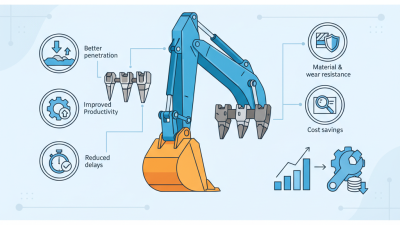
Choosing the right bucket teeth can significantly impact your project's efficiency. These components play a vital role in excavators and other heavy machinery. The right bucket teeth enhance performance, reduce wear, and minimize maintenance costs.
When selecting bucket teeth, consider factors like material, shape, and design. Each project may require a different set based on soil types and tasks. Many users overlook compatibility with their equipment. This can lead to inefficiencies and increased costs.
Bucket teeth come in various styles. Some are designed for harder materials, while others work best in soft soil. Understand your needs before making a choice. It’s easy to assume one size fits all, but this isn’t always true. Investing time in research pays off. Reliable sources often provide insights tailored to your specific requirements.
Understanding Bucket Teeth Types and Their Applications
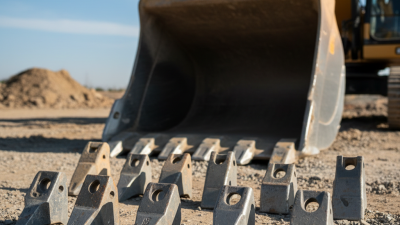
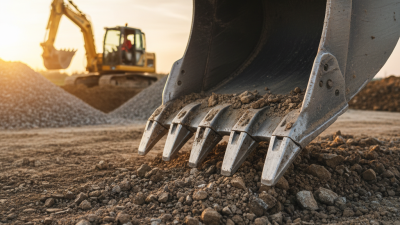
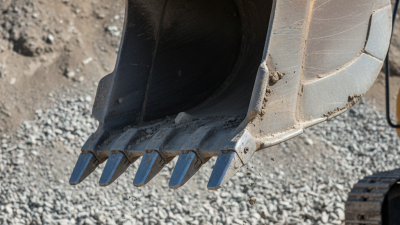
When selecting the right bucket teeth, it's essential to understand the different types available. Each type serves a specific purpose and application. For instance, sharp teeth are ideal for digging into hard surfaces. They penetrate the ground effectively and provide efficiency in tough tasks. On the other hand, flat teeth work best for grading and smoothing surfaces. They distribute weight evenly, allowing for better balance and control.
Different industries utilize various bucket teeth based on their unique requirements. Construction often demands rugged teeth that can withstand heavy wear and tear. In contrast, landscaping projects require softer materials, making it crucial to choose teeth that won’t damage the surrounding environment. Additionally, it’s vital to consider compatibility with the equipment. Mismatched teeth can lead to operational inefficiencies.
Moreover, selecting bucket teeth is not always straightforward. Many factors can affect the choice, such as soil type, weather conditions, and the specific machinery in use. It’s a process of trial and error for many operators. They often must adapt their choices based on experiences during projects. Reflecting on past jobs can provide insights into what works best for future tasks.
Assessing Material Durability for Bucket Teeth Selection
When selecting bucket teeth, material durability stands as a crucial factor. Various materials offer different strengths and lifespans. For instance, studies show that high-strength steel can enhance durability by up to 30% compared to standard alternatives. This is significant for heavy machinery used in construction and mining. Each job site presents unique challenges that necessitate careful evaluation of material properties.
Tungsten carbide tips are another effective option due to their hardness. Reports indicate that they can last up to three times longer than traditional steel teeth. However, they come at a higher cost, which may not fit every budget. Evaluating operational demands will shed light on whether the extended lifespan justifies the investment.
The reality is, even the most durable bucket teeth can face rapid wear in abrasive conditions. Observations show that soil type and moisture levels significantly impact tooth longevity. This variability means that regular inspections and adjustments are vital. Focusing solely on durability may overlook important factors, such as compatibility with existing equipment. Making informed choices includes understanding the full scope of operational conditions to ensure optimal performance.
Evaluating Compatibility with Equipment and Attachments
Choosing the right bucket teeth begins with understanding their compatibility with your equipment. Different models of excavators and loaders have specific requirements. Not all teeth fit every machine. This can lead to inefficiencies. Aligning the bucket teeth with your machine is vital for performance.
Check the specifications of your attachments. Consider the shape and size of the teeth. Mismatched teeth can cause excessive wear and tear. This results in more frequent replacements. Compatibility issues can also impact your project timeline. For instance, if teeth break or wear down too quickly, it slows down the work.
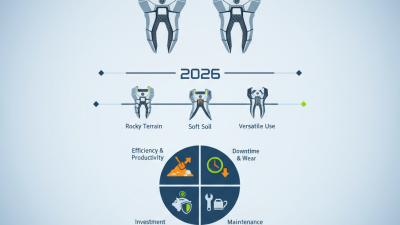
Evaluate your usage conditions. Different jobs require different teeth styles. Do you work in rocky terrain or soft soil? A tooth designed for one environment may not perform well in another. Reflect on your past experiences. Have you faced challenges with certain teeth? Learning from these can drive better choices moving forward.
Bucket Teeth Compatibility with Equipment
This chart illustrates the compatibility scores of different bucket teeth with various types of equipment. The scores range from 1 to 10, indicating how suitable each type of bucket teeth is for the respective equipment. As seen in the chart, backhoe bucket teeth score the highest, while dozer bucket teeth score the lowest in terms of compatibility.
Considering Cost-effectiveness and Budgets for Bucket Teeth
When selecting bucket teeth, balancing cost and performance is crucial. According to industry reports, around 30-40% of total equipment costs are attributed to wear parts like bucket teeth. Therefore, understanding their life cycle can help in making a budget-friendly choice. Higher initial costs often lead to greater durability and performance, meaning fewer replacements in the long run.
Tips: Assess the working conditions of your excavator. Tough environments may require hard-wearing materials, while lighter tasks may accept lower-cost options. Investing in quality can reduce downtime and increase productivity, ultimately saving money.
The ideal approach involves analyzing your specific needs. Regularly evaluate performance data and replace worn teeth before they cause damage to buckets. This proactive maintenance can prevent costly repairs, which often exceed the price of quality bucket teeth. Balancing budget constraints with performance needs is not always straightforward, and experience can significantly influence decision-making.
Maintaining and Replacing Bucket Teeth: Best Practices
Maintaining bucket teeth is crucial for efficient operations. Regular inspections help identify wear and tear. If you notice chips or cracks, it may be time for replacement. Worn teeth can increase operational costs. Ignoring them leads to more significant damage.
Tips: Inspect your bucket teeth at least once a month. Look for uneven wear or abnormal shapes. These are signs that replacement is needed.
Replacing bucket teeth involves a few simple steps. Use the right tools to remove old teeth carefully. Check the attachment pins to ensure they are secure. Misaligned teeth can cause operational issues. When installing new teeth, make sure they fit snugly.
Tips: Always follow safety guidelines. Wear gloves and goggles when handling bucket teeth. Keep your work area organized to avoid accidents. Regular maintenance routines prevent unexpected downtimes.

 +86 18578756148
 CONTACT NUMBER
 CONTACT NUMBER
 CONTACT NUMBER
 CONTACT NUMBER