10 Essential Tips for Choosing Cylinder Seal Kits for Your Projects?
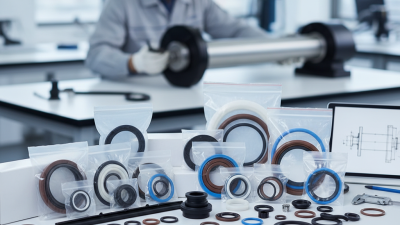
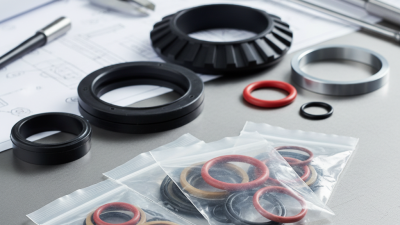
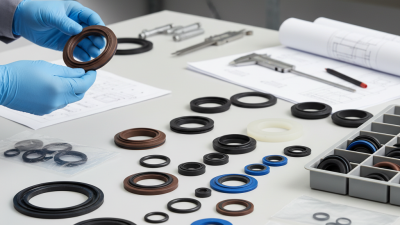
Choosing the right Cylinder Seal Kits is crucial for ensuring the longevity and performance of hydraulic and pneumatic systems. According to industry reports, approximately 30% of equipment failures stem from improper sealing solutions. This underscores the importance of selecting high-quality kits that match specific project needs. With a diverse market offering various materials and sizes, making an informed choice can be daunting.
Expertise shows that understanding the application is vital. For instance, temperature and pressure requirements can significantly affect seal performance. A common mistake is not accounting for these factors, leading to premature failures. Data indicates that using the wrong seals can result in up to 25% increased operational costs over time due to leaks and maintenance.
Therefore, it’s essential to evaluate not just the specifications but also the reliability of suppliers. The reputation of manufacturers plays a pivotal role in the durability of Cylinder Seal Kits. Not all products meet industry standards. Engaging with authentic sources and reviewing performance tests can provide deeper insights. Ultimately, thoughtful selection can greatly enhance project outcomes, reducing future challenges in system efficiency and performance.
Understanding the Importance of Cylinder Seal Kits in Project Success
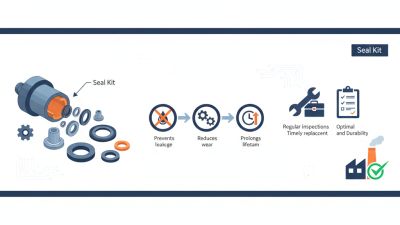
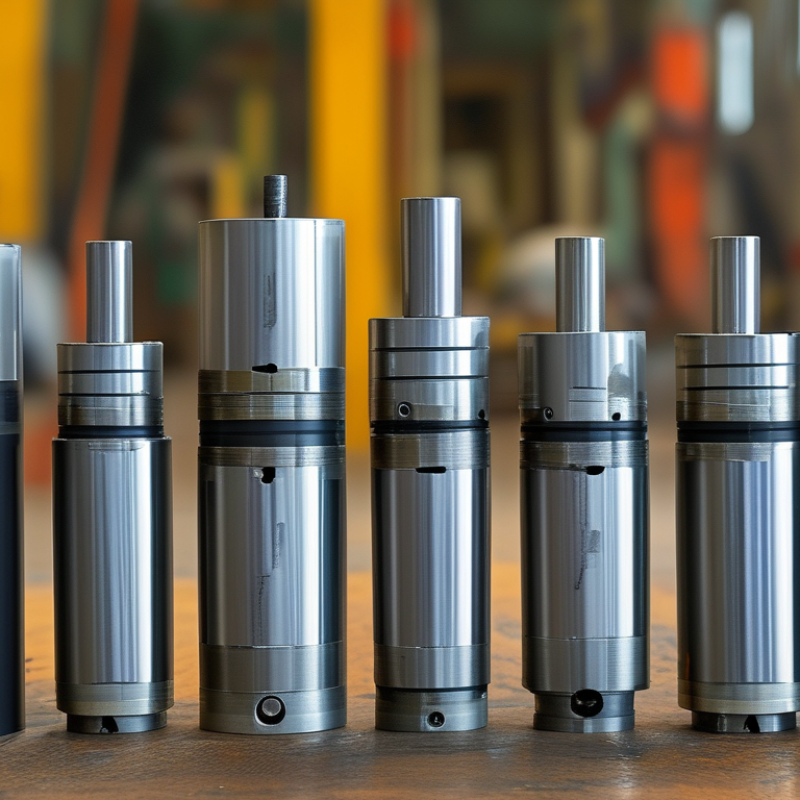
Cylinder seal kits are vital to the success of various engineering and industrial projects. When choosing these kits, one must understand their pivotal role in ensuring fluid containment and preventing leaks. A report from the International Fluid Power Society indicates that up to 30% of equipment failures can be traced back to seal issues. This highlights the need for high-quality seals in hydraulic and pneumatic systems.
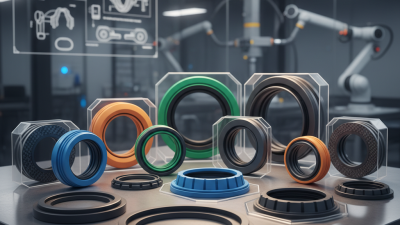
Selecting the right cylinder seal kit involves assessing material compatibility, tolerances, and operational conditions. For example, high temperatures or corrosive environments necessitate specific materials like polyurethane or fluorocarbon. A survey by the Sealing Solutions Group pointed out that improper selection of seal materials led to 25% of project delays last year. This statistic emphasizes the critical nature of informed decisions when procuring seals.
Another consideration is the installation process. A poorly installed seal can compromise its functionality, leading to system inefficiencies or failures. Training on installation techniques is often overlooked but essential. In a study by the American Society of Mechanical Engineers, 40% of technicians noted challenges due to inadequate training. This reflects the need for proper guidance and resources when handling cylinder seal kits.
Key Considerations for Selecting the Right Material for Seal Kits
When selecting the right material for cylinder seal kits, several factors come into play. Understanding the operating environment is crucial. This includes temperature ranges, pressure levels, and exposure to chemicals. For instance, elastomers like Nitrile, which perform well in standard petroleum applications, may fail under extreme temperatures. A report by the Seal and Gasket Manufacturers Association indicates that 25% of seal failures stem from material incompatibility with the working medium.
Another vital consideration is the potential wear and tear. Certain materials, such as Polyurethane, offer excellent abrasion resistance. Using the wrong material can lead to premature wear, impacting project efficiency. Industry studies reveal that incorrect seal selection can increase maintenance costs by up to 30%. Reflecting on past projects may highlight material choices that turned out to be suboptimal.
Additionally, sealing material's elasticity and compressibility are essential for achieving a good seal. Low-quality materials often exhibit poor resilience, which can lead to leaks and failures. Investing time in research can help avoid consequences like equipment downtime or unexpected repairs. Although the right choice might seem straightforward, it's often complex. Always seek expert guidance and review data reports for reliable insights.
Assessing Compatibility with Existing Equipment and Systems
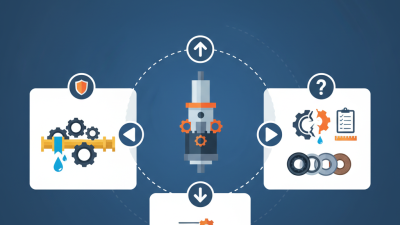
Choosing the right cylinder seal kits is crucial for project success. One key factor is compatibility with existing equipment and systems. You need to assess the specifications of your machinery. Every detail counts. The size, shape, and material of the seals must match perfectly. Any mismatch can lead to leaks or failures.
Consider the operational conditions of your equipment. High temperatures or extreme pressures may influence seal performance. Not all seals are created equal. Some materials perform better under specific conditions. Testing various options may be necessary. It’s wise to consult with experts who understand these nuances.
Evaluating compatibility involves more than physical attributes. Pay attention to installation requirements and maintenance habits. Complexity in installation processes can lead to errors. Sometimes, the ideal seal may not be the easiest to install. Balance cost-effectiveness with reliability. Investing in quality now can prevent costly repairs down the line. Always remember: thorough assessments today lead to smoother operations tomorrow.
Evaluating the Durability and Performance Ratings of Seal Kits
When selecting cylinder seal kits, evaluating durability and performance ratings is crucial. Quality seal kits directly affect the longevity of your machinery. A seal unable to withstand pressure may lead to leaks and costly downtime. Look for kits made from high-quality materials designed for specific applications.
One essential tip is to check the manufacturer's specifications. Do the materials show resistance to wear and temperature fluctuations? High-performance ratings often indicate robust construction, but not all products live up to their claims. Research user reviews and test results. This can provide insights into real-world performance.
Another consideration is compatibility with your equipment. Not every seal kit fits all machines. Ensuring proper fit is critical for optimal function. It's also wise to balance cost with quality. Cheaper kits might seem attractive but can lead to more frequent replacements or failures. Strive for a balance that prioritizes reliability over short-term savings.
Budgeting and Cost Considerations in Choosing Cylinder Seal Kits
When selecting cylinder seal kits, budgeting is often a critical factor. The average cost of cylinder seal kits can vary widely, ranging from $20 to over $500, depending on the specifications and materials. A study by the International Association of Sealing and Gasket Manufacturers noted that improper budgeting can lead to overspending or, worse, purchasing suboptimal kits. It’s crucial to evaluate both immediate and long-term costs.
Understanding material selection is essential. Rubber, polyurethane, and PTFE are common options, each with distinct price points. A report from the Society of Automotive Engineers indicated that PTFE seals tend to be about 30% more expensive than rubber options. However, they can offer longer service life, which saves money over time. It's important to weigh initial costs against durability and performance.
Many users overlook additional expenses such as shipping and installation. These costs can add 15-25% to the total project budget. Plus, discrepancies in performance during installation can lead to costly rework. Thus, refining the budgeting process is vital for achieving successful outcomes in projects involving cylinder seal kits. It’s a balancing act between cost savings and ensuring quality.

 +86 18578756148
 CONTACT NUMBER
 CONTACT NUMBER
 CONTACT NUMBER
 CONTACT NUMBER