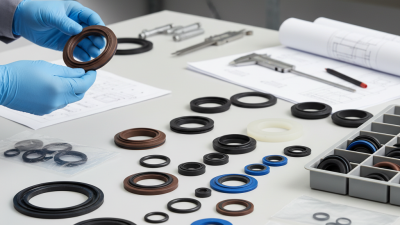
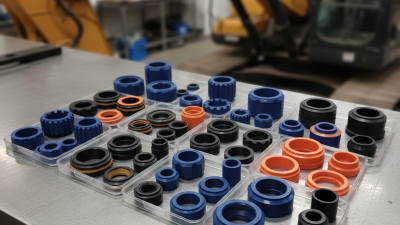
Top Cylinder Seal Kits for Optimal Performance and Durability?
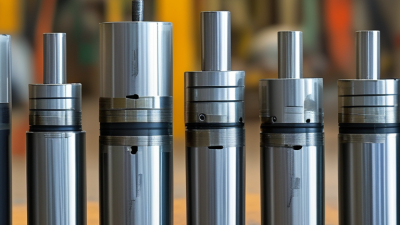
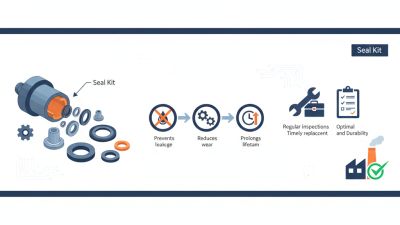
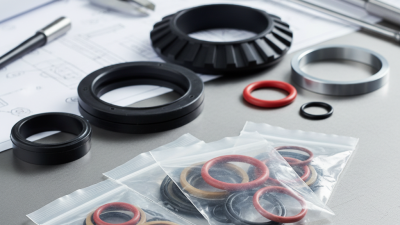
In the world of machinery and automotive applications, cylinder seal kits play a critical role in ensuring optimal performance and durability. These specialized kits provide the necessary sealing solutions to prevent fluid leaks and maintain pressure within hydraulic systems. The right cylinder seal kit can dramatically extend the lifespan of machinery, enhancing operational efficiency.
Choosing the best cylinder seal kits can be challenging. With countless options available, one must consider material quality, compatibility, and brand reputation. Many users report that choosing inferior kits leads to premature failure. These failures result in costly downtime and repairs, making educated decisions essential.
Expert knowledge reveals that investing in high-quality cylinder seal kits is vital for both performance and long-term reliability. However, not all kits are created equal. It's important to weigh the pros and cons of various products. This reflection on options can guide users towards better choices, ultimately leading to improved machinery performance.
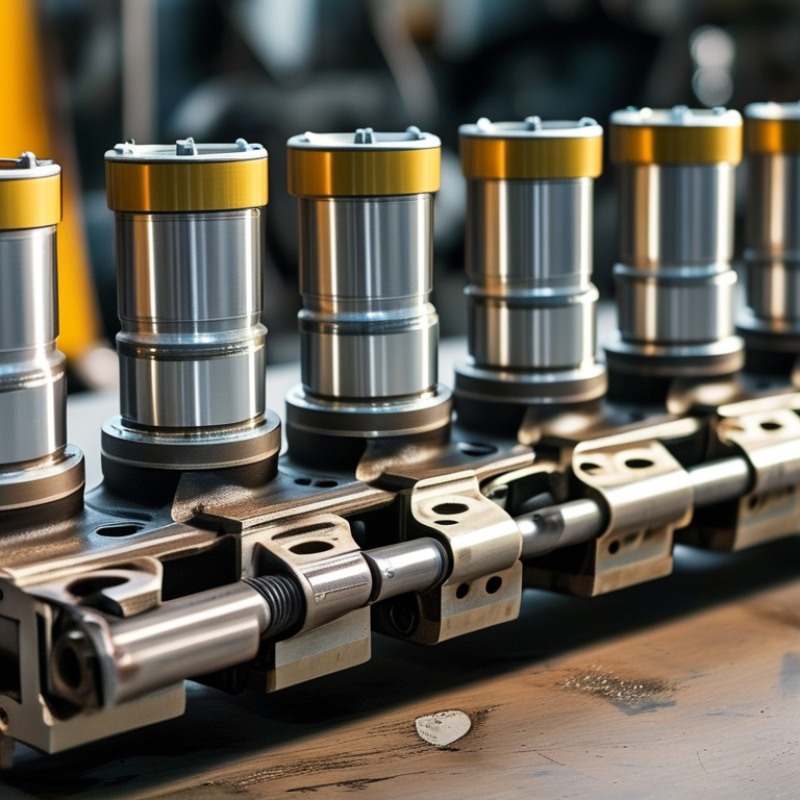
Top Cylinder Seal Kits for Enhanced Engine Performance
When it comes to enhancing engine performance, using quality cylinder seal kits is essential. These kits play a vital role in ensuring that engines operate smoothly. A well-sealed engine is less likely to experience leaks. This helps maintain optimal pressure and minimizes wear on internal components. Over time, seals can degrade. This leads to poor performance and potential engine damage.
Choosing the right materials in a cylinder seal kit can make a big difference. High-quality materials resist heat and pressure. This resilience extends the lifespan of engine components. However, not all products on the market are equal. Some may promise high performance but fail to deliver. It's important to research and consult experts when selecting seal kits.
Regular maintenance checks are crucial for maintaining engine health. Routine inspections can reveal early signs of wear. Replacing seals proactively can prevent more costly repairs. While investing in seal kits enhances performance, it’s worth considering the overall engine condition. A balanced approach ensures reliability and longevity in any engine system.
Top Cylinder Seal Kits for Optimal Performance and Durability
| Kit Type |
Material |
Temperature Rating (°C) |
Pressure Rating (psi) |
Compatibility |
| Standard Seal Kit |
Nitrile Rubber |
-30 to 100 |
1500 |
Universal |
| High-Temp Seal Kit |
Fluoroelastomer |
-20 to 200 |
2000 |
Racing Engines |
| Oil Seal Kit |
Silicone |
-40 to 150 |
1000 |
Passenger Vehicles |
| Heavy Duty Seal Kit |
Polyurethane |
-30 to 110 |
3000 |
Commercial Vehicles |
| Custom Seal Kit |
EPDM |
-40 to 120 |
1500 |
Custom Applications |
Key Features to Look for in Cylinder Seal Kits
When selecting a cylinder seal kit, there are several key features to consider for optimal performance. The material quality is paramount. High-quality materials resist wear and tear better. A report by the Society of Automotive Engineers indicates that seals made from advanced elastomers can last 30% longer than standard options. This results in fewer replacements and lower maintenance costs.
Another critical feature is the precision of the seals. Precision-engineered seals ensure proper fitting. This minimizes leakage, which is vital for efficient operation. According to a study from the American Society of Mechanical Engineers, a mere 1% increase in leakage can lead to up to a 5% drop in engine performance.
Additionally, temperature and pressure ratings are essential. Kits designed to withstand extreme conditions can significantly enhance durability. For instance, kits rated for high temperatures can operate effectively in environments exceeding 200°C. This versatility makes them suitable for various applications, from automotive to industrial machinery. Therefore, it’s essential to evaluate the specifications that match your specific requirements closely. Each feature contributes to the overall reliability of the cylinder seal kit.
Comparison of Popular Cylinder Seal Kits on the Market
When evaluating cylinder seal kits, durability is paramount. A recent industry report highlighted that approximately 80% of machinery failures stem from seal-related issues. This emphasizes the importance of selecting kits that provide optimal performance and longevity. Several options on the market are engineered with advanced materials that withstand extreme pressures and temperatures, leading to significantly less wear.
A comparison of popular cylinder seal kits reveals variances in composition and design. Elasticity and resilience are critical factors that affect how seals perform over time. Some kits feature multi-material compositions aimed at improving resistance to oil and heat. Research shows that such seals can extend the lifecycle of equipment by up to 25%. However, not all products maintain these standards, and poor-quality kits can lead to premature failures, which may cost companies time and resources.
Real-world testing has demonstrated inconsistent results across different kits. A notable study indicated that while some seals perform admirably in initial conditions, they quickly degrade under continuous operation. This unpredictability can challenge operators who require reliable equipment. Therefore, it's essential to consider detailed specifications and user reviews, even if they are not perfect reflections of performance. Investing time in researching the right seal kit can pay off in long-term efficiency.
Installation Tips for Optimal Performance of Seal Kits
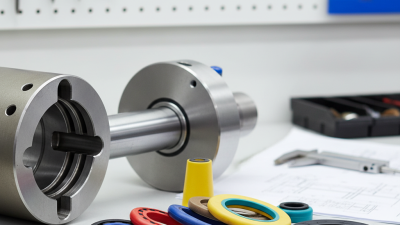
When installing cylinder seal kits, proper techniques are essential for optimal performance and durability. A well-executed installation can extend the lifespan of your equipment. Start by cleaning the installation area thoroughly. Remove all old seals and debris. Use a soft cloth to wipe down surfaces. This step is crucial to prevent contamination during the process.
After cleaning, inspect the new seals for any visible damage. Avoid using damaged seals, as they can lead to leaks and operational failure. When fitting the seals, ensure they are aligned correctly. Misalignment can cause excessive wear. Use lubricant specifically designed for seal installation, as it helps reduce friction. Apply it evenly, avoiding excessive amounts that can cause seal slippage.
Lastly, tighten components to the manufacturer's specifications. Over-tightening can damage seals and lead to issues. Check for leaks after installation. A small leak can signal installation problems. If issues arise, revisit your steps and ensure all procedures were followed accurately. Continuous learning and observation during installation improve your skills over time.
Top Cylinder Seal Kits for Optimal Performance and Durability
This chart compares the performance metrics of various cylinder seal kits based on user satisfaction, durability rating, and installation ease.
Maintenance Practices to Extend the Life of Cylinder Seal Kits
Proper maintenance of cylinder seal kits is crucial for optimal performance and longevity. Regular inspections help identify wear and tear early. According to industry reports, worn seals can reduce system efficiency by up to 30%. This not only affects output but can also lead to costly repairs if not addressed promptly.
Ensure you clean the sealing surfaces regularly. Dirt and grime can cause premature failure. Lubrication is essential, but be cautious. Over-lubricating can trap contaminants. Aim for a balanced approach that minimizes wear while ensuring smooth movement.
Tip: Use a lint-free cloth for cleaning surfaces. This prevents debris contamination.
Storage conditions also play a role in the lifespan of seal kits. Avoid exposing seals to extreme temperatures or humidity. Industry data shows that improper storage can shorten the lifespan by 20%. Always store in a controlled environment.
Tip: Inspect seals before installation. Look for any signs of damage. This simple step can prevent unnecessary failures.

 +86 18578756148
 CONTACT NUMBER
 CONTACT NUMBER
 CONTACT NUMBER
 CONTACT NUMBER