 +86 18578756148
Leave Your Message
-
CONTACT NUMBER
-
 CONTACT NUMBER
 -
 CONTACT NUMBER
 -
 CONTACT NUMBER
-
 CONTACT NUMBER
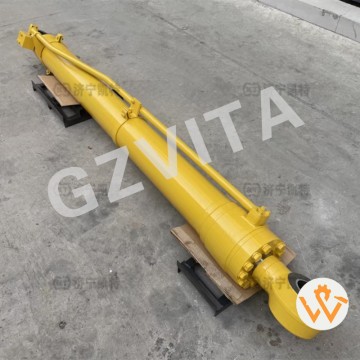
The construction machinery industry is undergoing a profound transformation, moving rapidly from traditional mechanical and purely hydraulic systems to sophisticated electro-hydraulic architectures. At the very heart of this revolution is the Bucket Cylinder For Excavator Electronic Control. This critical component acts as the primary muscle for the excavator's digging, lifting, and grading capabilities. However, with the integration of electronic control units (ECUs), proportional valves, and advanced sensory feedback loops, the humble bucket cylinder has been elevated into a highly intelligent, precision-driven instrument.
Historically, an excavator's bucket cylinder relied on the operator's manual manipulation of pilot valves to direct hydraulic fluid. While effective, this method was highly dependent on operator skill, prone to energy waste, and limited in micro-precision. Today, electronic control systems intercept the operator's input (often via electronic joysticks), process it through an onboard computer, and actuate electro-proportional valves to deliver the exact pressure and flow required by the bucket cylinder. This results in unprecedented accuracy, reduced mechanical wear, and significantly enhanced fuel efficiency.
The integration of electronic control into bucket cylinders is not merely an incremental upgrade; it is a foundational requirement for the future of autonomous and semi-autonomous construction equipment. By digitizing the hydraulic flow, manufacturers can implement features such as grade assist, payload weighing, and virtual boundaries (e-fencing), fundamentally altering how earthmoving tasks are executed on modern job sites.
From a commercial standpoint, the global market for electro-hydraulic components in construction machinery is experiencing exponential growth. Fleet managers and construction firms are under immense pressure to reduce operational costs, lower carbon footprints, and complete projects within tighter deadlines. The Bucket Cylinder For Excavator Electronic Control directly addresses these pain points.
Currently, top-tier machinery brands such as Komatsu, Caterpillar, Volvo, and Hitachi have standardized electronic control systems in their medium and large excavator series. The commercial landscape is characterized by a high demand for aftermarket replacement parts that are fully compatible with these advanced OEM systems. Suppliers who can provide high-quality, sensor-ready bucket cylinders and associated electronic distribution valves are gaining significant market share. The shift has also spawned a lucrative niche in retrofitting older machines with electro-hydraulic conversion kits, allowing smaller contractors to benefit from intelligent machine control without investing in entirely new fleets.
Furthermore, stringent global emission regulations (such as Tier 4 Final and Stage V) force manufacturers to optimize engine loads. Because the hydraulic pump draws power directly from the engine, an electronically controlled bucket cylinder that demands fluid only when necessary—eliminating parasitic energy loss—plays a vital role in meeting these stringent environmental compliance standards.
Modern bucket cylinders equipped with electronic sensors constantly monitor pressure spikes, stroke length, and fluid temperature. AI algorithms analyze this data to predict seal failures or metal fatigue before they occur, drastically reducing costly unplanned downtime.
Via CAN bus networks, the bucket cylinder's operational data is transmitted to cloud-based fleet management systems. This IoT integration allows owners to monitor the digging force and cycle times remotely, optimizing machine deployment across multiple sites.
Integrated Linear Variable Differential Transformers (LVDTs) inside the cylinder provide real-time position feedback to the ECU. This enables semi-autonomous functions like auto-grading and prevents structural damage through automated end-of-stroke cushioning.
The development trajectory of the Bucket Cylinder For Excavator Electronic Control is heavily intertwined with the rise of Artificial Intelligence and Machine Learning in heavy industry. One of the most significant trends is the move towards Independent Metering Valves (IMV). Unlike traditional spools that link the meter-in and meter-out flows, electronic control allows for independent regulation. This means the bucket cylinder can regenerate hydraulic fluid internally during a lowering or dumping motion, drastically reducing the load on the main hydraulic pump and saving up to 15% in fuel consumption.
Another emerging trend is the integration of haptic feedback into the electronic joysticks. As the bucket cylinder encounters hard rock or compacted soil, the electronic control system calculates the resistance based on hydraulic pressure and translates it into physical feedback on the operator's joystick. This restores the "feel" of the machine that was sometimes lost in early fly-by-wire systems, ensuring operators can work delicately around buried utilities or perform precise grading tasks without visual confirmation.
Looking ahead, the holy grail of this technology is fully autonomous excavation. For an AI to dig a trench to exact specifications, it requires absolute, deterministic control over the bucket cylinder. The electronic control systems currently being deployed are laying the groundwork for this future, providing the micro-millimeter precision required for robotic earthmoving.
The true value of a Bucket Cylinder For Excavator Electronic Control is best understood through its application in complex, demanding environments. The technology transcends basic digging, enabling excavators to perform tasks that were previously impossible or required manual labor.
In dense urban environments, excavators often work in close proximity to buried gas lines, fiber optic cables, and water mains. A traditional hydraulic system relies entirely on the operator's visual depth perception and reaction time. With electronic control, the bucket cylinder can be integrated with 2D or 3D GPS machine control systems. The operator can set a "virtual floor" or e-fence. When the bucket cylinder reaches the predetermined depth just inches above a critical utility line, the electronic system automatically halts the cylinder's extension, regardless of the operator's joystick input. This fail-safe precision prevents catastrophic accidents and costly utility strikes.
In large-scale mining, cycle times and payload optimization dictate profitability. Electronically controlled bucket cylinders facilitate automated "return-to-dig" functions. Once the operator dumps a load into a haul truck, a single button press commands the ECU to retract the bucket cylinder and position the boom and arm to the exact optimal angle for the next scoop. Furthermore, by monitoring the pressure within the bucket cylinder, the onboard computer calculates the exact weight of the material in the bucket in real-time. This ensures haul trucks are loaded to their maximum safe capacity without overloading, optimizing the entire logistical chain of the mine.
For dredging operations or digging in toxic environments, operators are often removed from the cabin and control the excavator remotely. The latency and lack of physical feedback in remote operations make traditional hydraulics dangerous and inefficient. A Bucket Cylinder For Excavator Electronic Control compensates for this by utilizing closed-loop control algorithms. The electronic valves adjust hundreds of times per second to maintain smooth, predictable bucket movements, even when operating deep underwater where water pressure and currents dynamically alter the resistance against the bucket.
When shaping embankments, creating drainage swales, or restoring natural waterways, the angle and depth of the bucket must be maintained with extreme accuracy. Electro-hydraulic systems allow for "grade assist" modes. The operator simply controls the speed of the arm drawing inward, while the electronic control system automatically adjusts the bucket cylinder and boom cylinder to keep the bucket edge perfectly aligned with the target slope. This eliminates the need for manual grade checking and allows even novice operators to achieve expert-level finishing work.
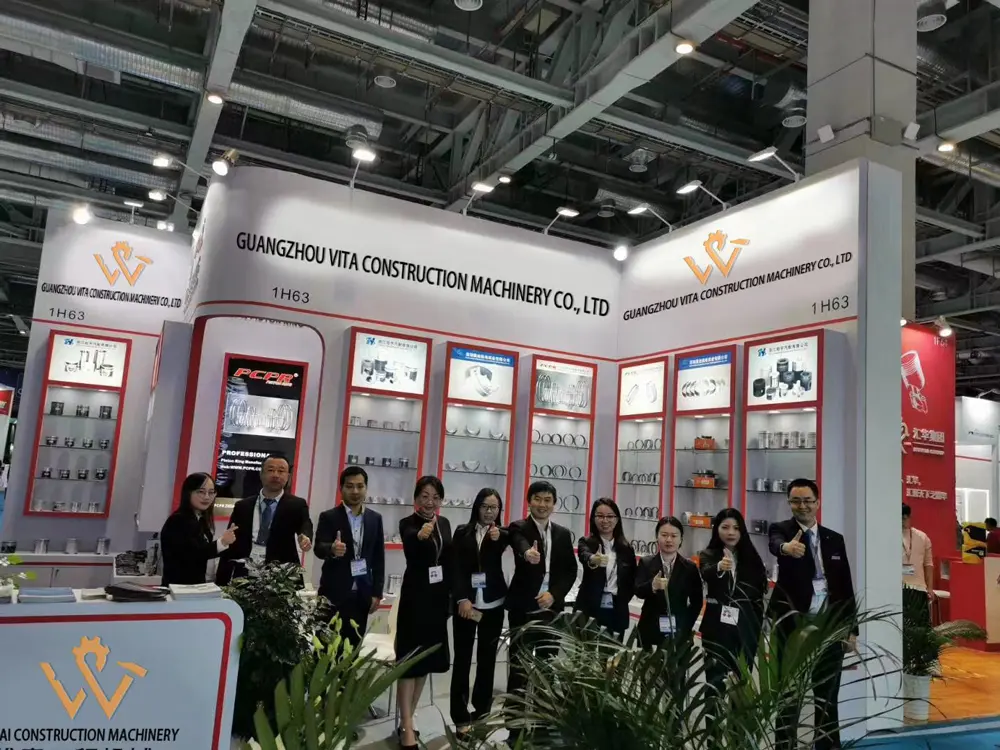
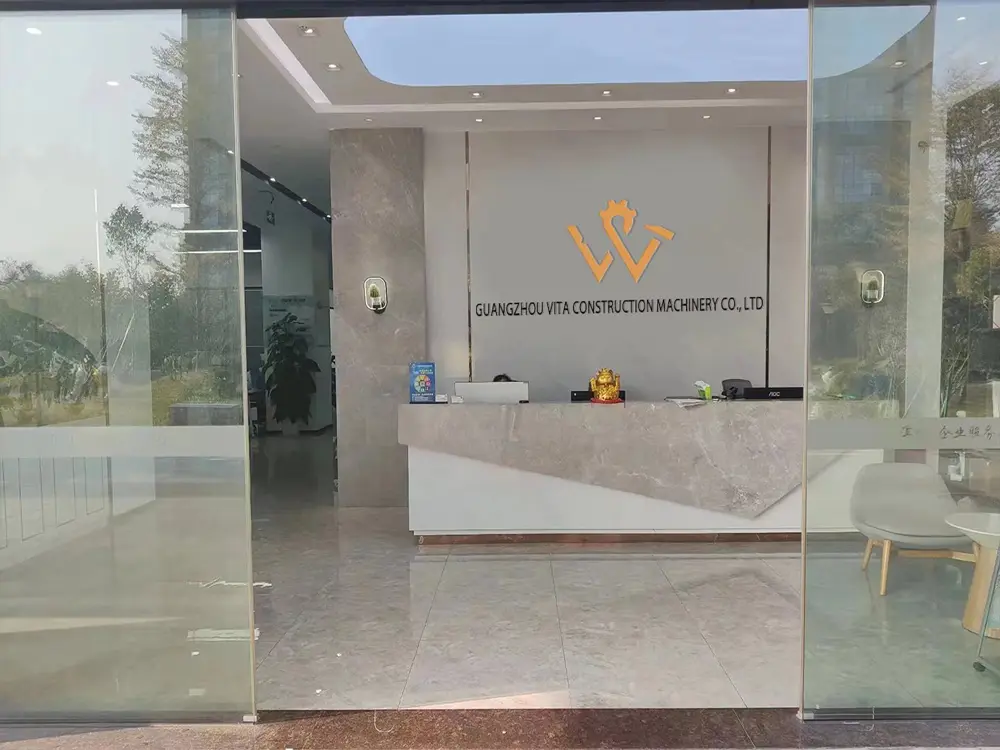
To support the massive global demand for advanced excavator components, including the Bucket Cylinder For Excavator Electronic Control, robust manufacturing and engineering capabilities are required. Guangzhou Vita Construction Machinery Co., Ltd. stands as one of the largest enterprises seamlessly combining factory production with international trade.
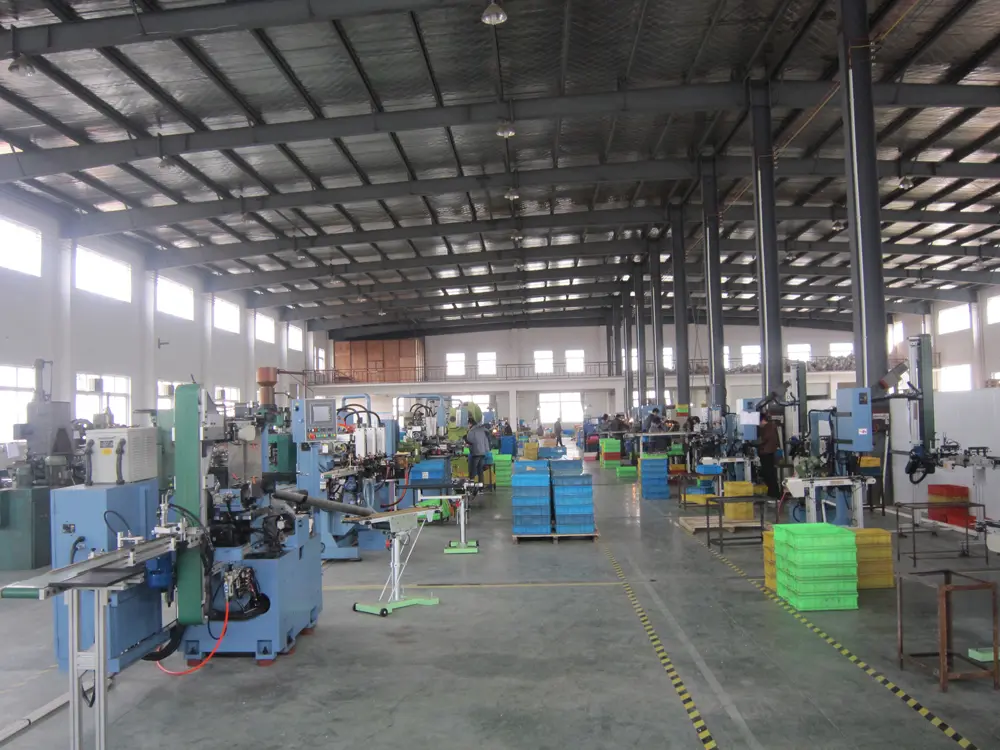
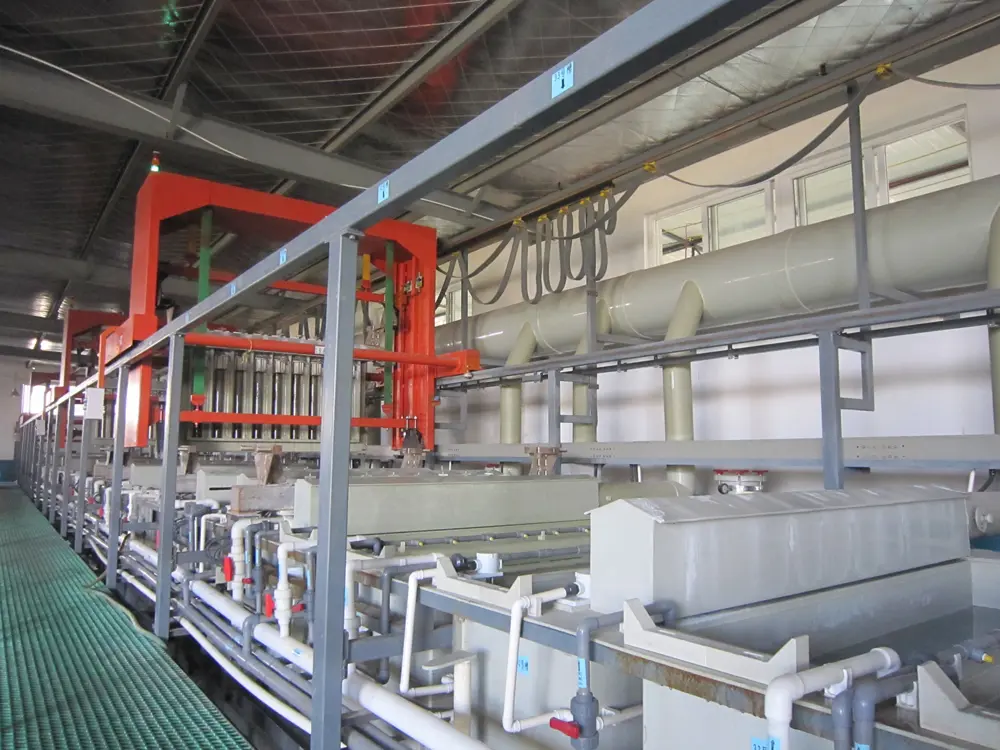
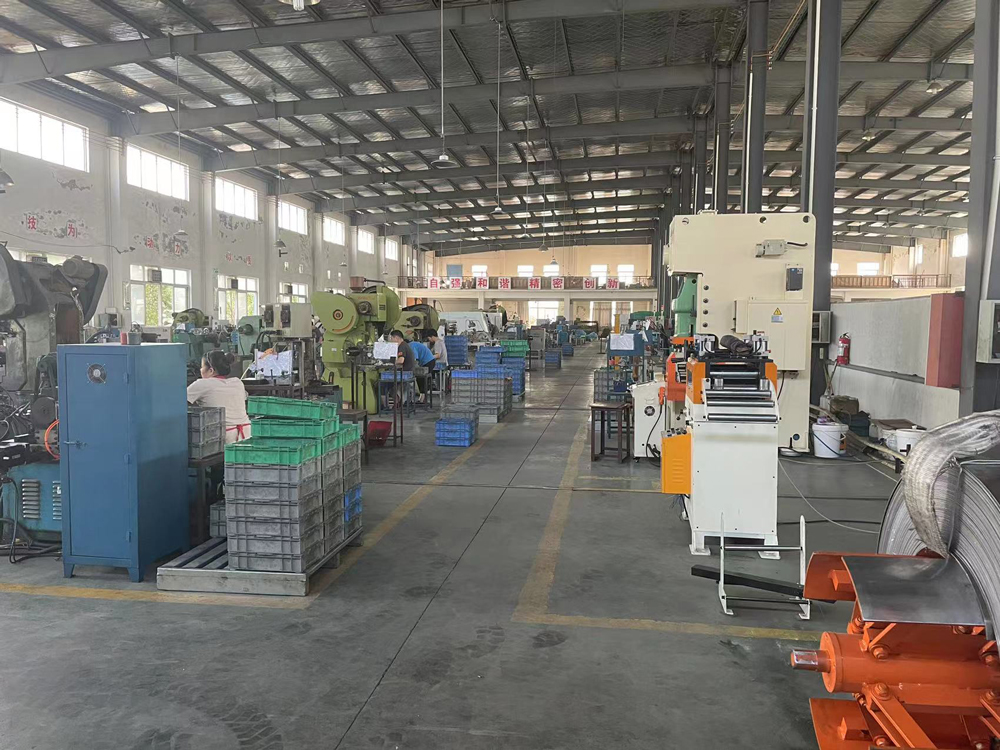
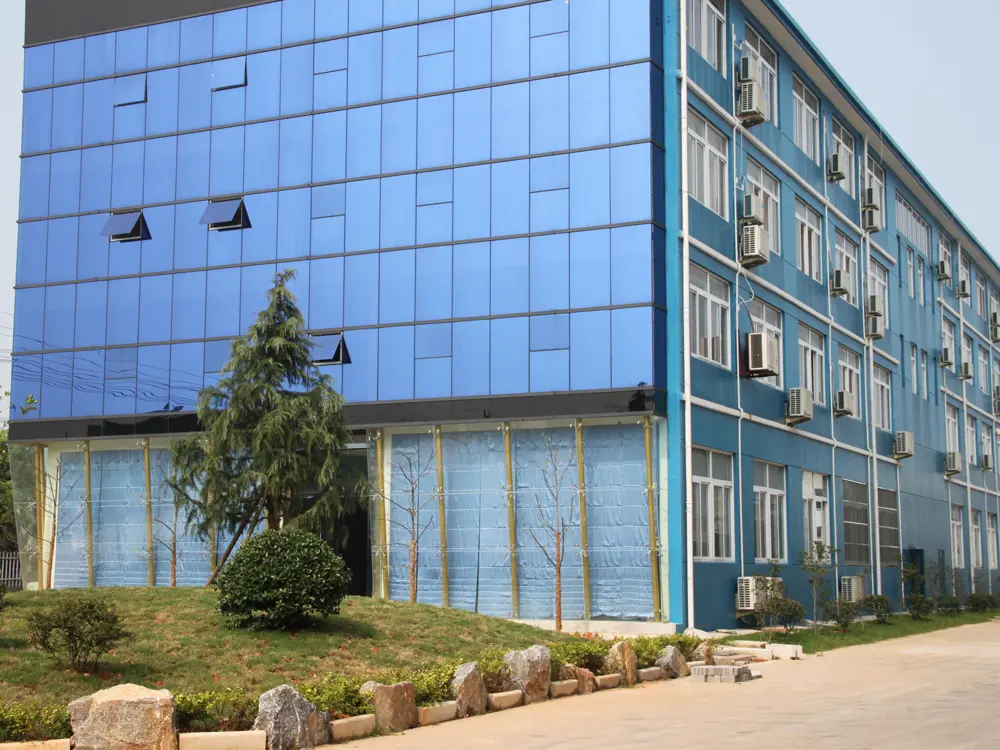
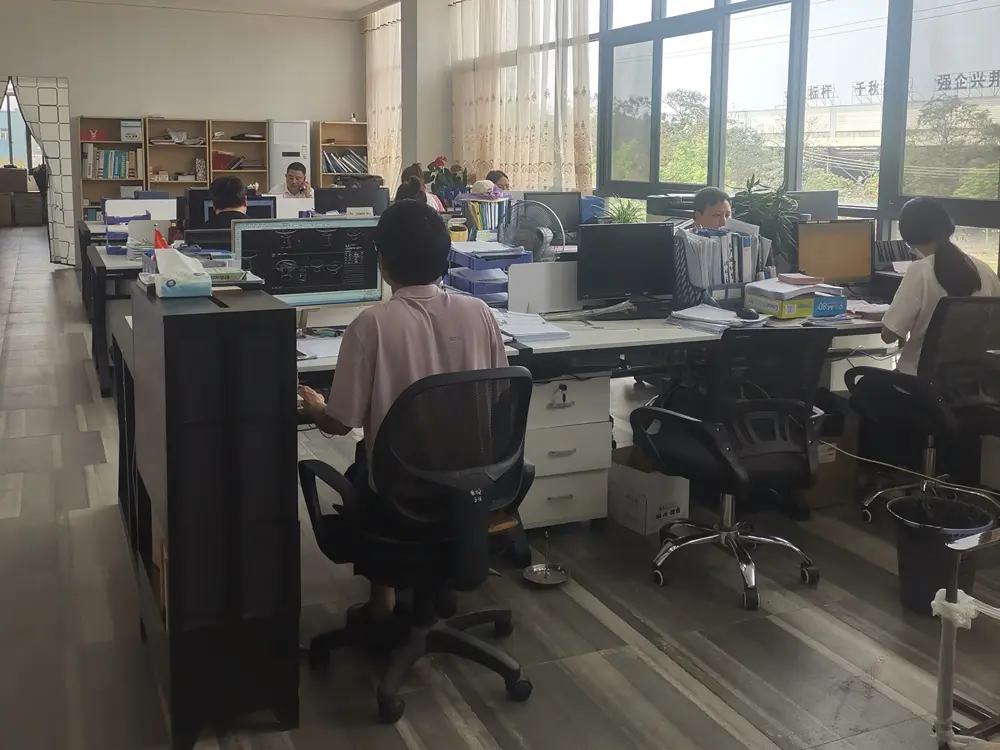
Located in Xiangyang City, Hubei Province, our state-of-the-art factory spans over 18,000 square meters. Equipped with advanced production machinery, operated by over 278 well-trained, skilled workers, and guided by a team of around 8 experienced engineers, we ensure uncompromising product quality alongside fast, accurate delivery. We specialize in producing, developing, and selling a comprehensive range of construction machinery parts.
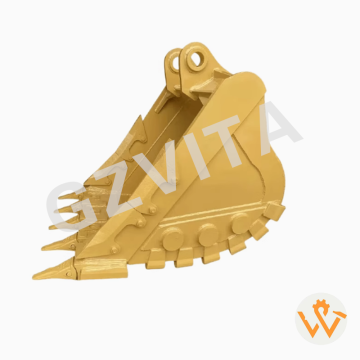
Our product portfolio extends beyond intelligent cylinder systems. We provide engine assemblies, hydraulic pumps, final drives, electric generating sets, engine bearings, crankshafts, engine valves, gear pumps, cylinders, all kinds of filters, excavator buckets, and undercarriage parts. These serve as premium replacements for world-renowned brands including Komatsu, Volvo, Sumitomo, Caterpillar, Kubota, Hitachi, John Deere, Kobelco, Hyundai, Kato, Sany, XCMG, SUNWARD, and many others.
In the fast-paced world of construction, the reliability and efficiency of your machinery can make or break a project. We understand that high-quality parts are essential for optimal performance. We aim to provide top-notch construction machinery parts to keep our customers' machinery running smoothly and intelligently.
To continuously improve our service, we have established an engine and hydraulic maintenance development center. Beyond providing components, we assist customers in solving complex technical problems encountered during the operation, electronic calibration, and assembly of modern machinery.
We boast our own professional maintenance team. We offer unparalleled support, and can even arrange for our elite maintenance technicians to travel abroad, assisting clients directly on-site with engine repairs and electro-hydraulic system troubleshooting.