Leave Your Message
Products Categories
Featured Products

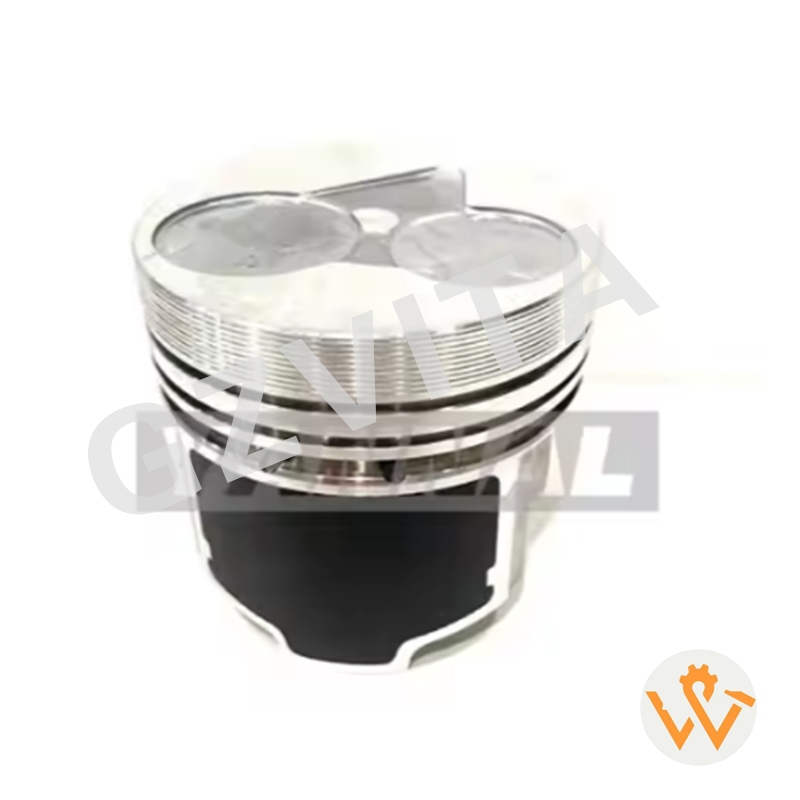
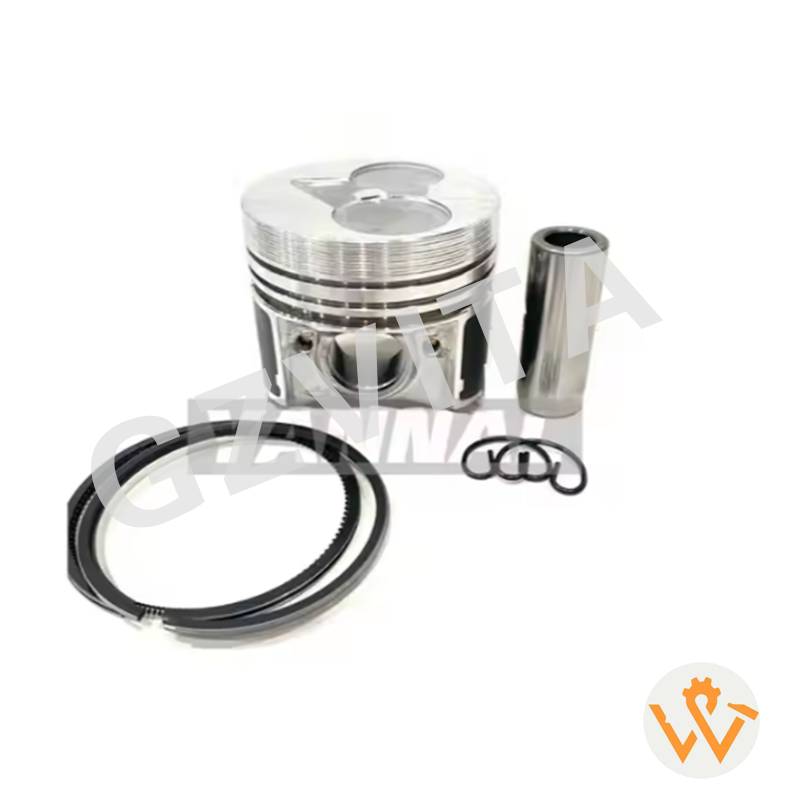
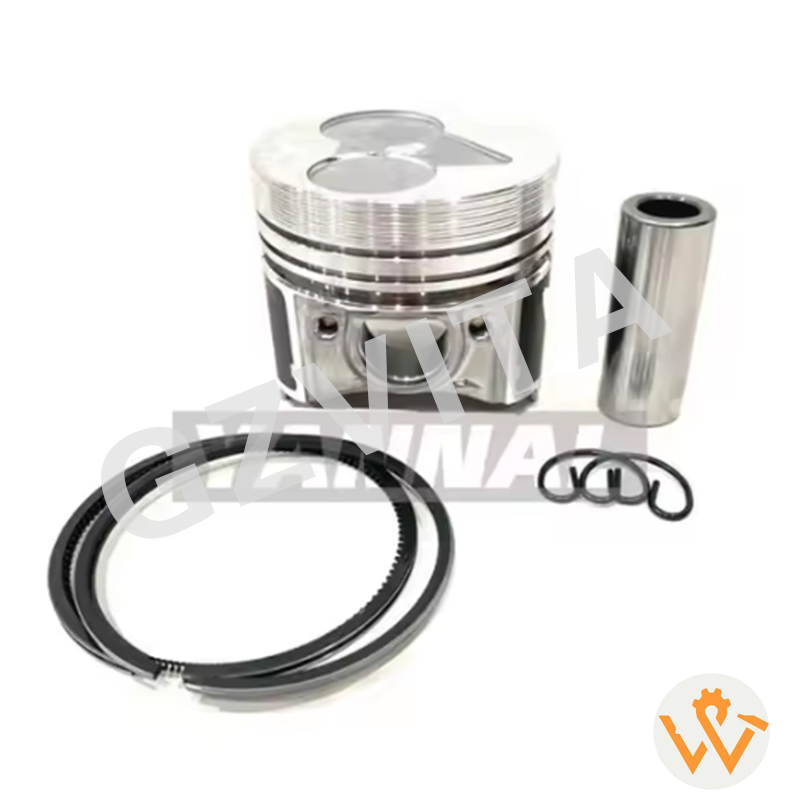
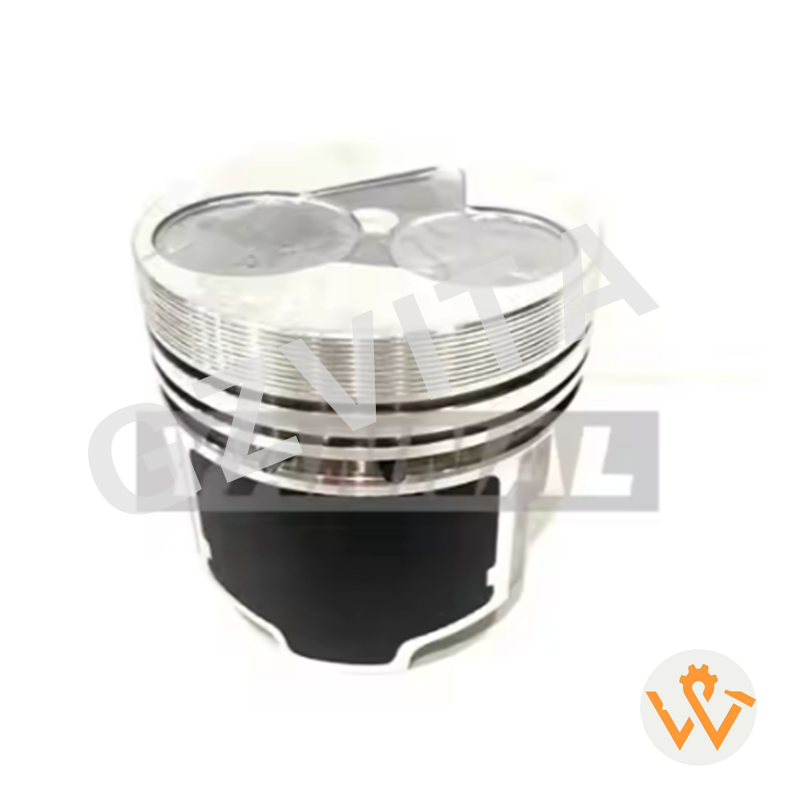
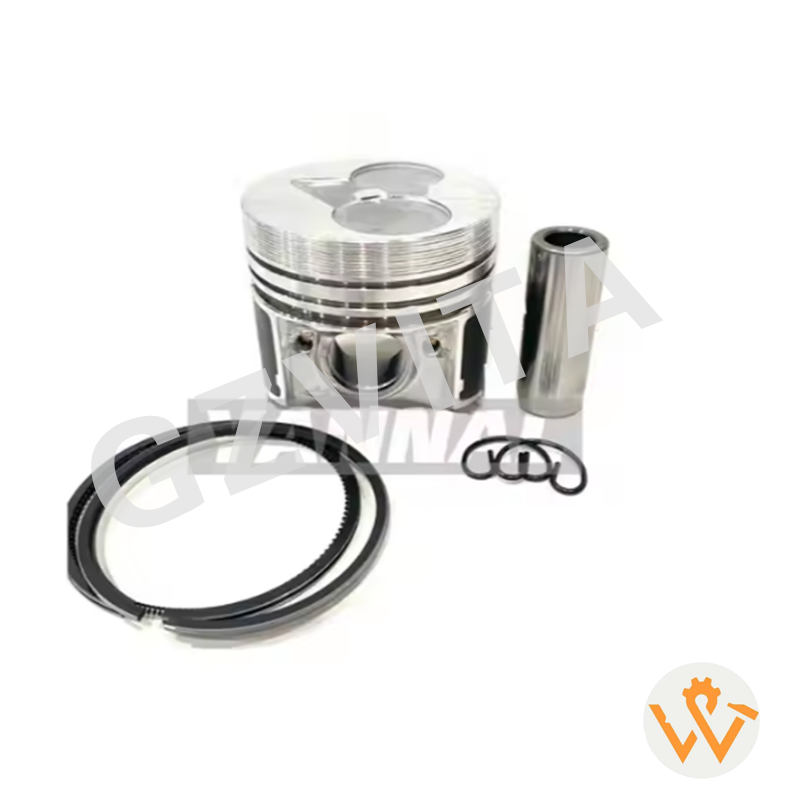
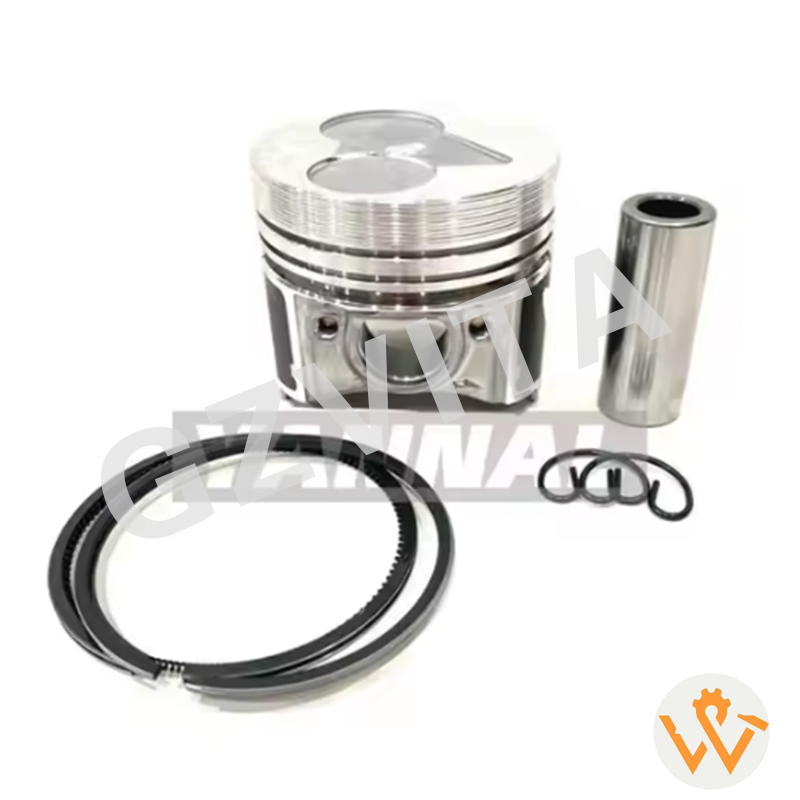
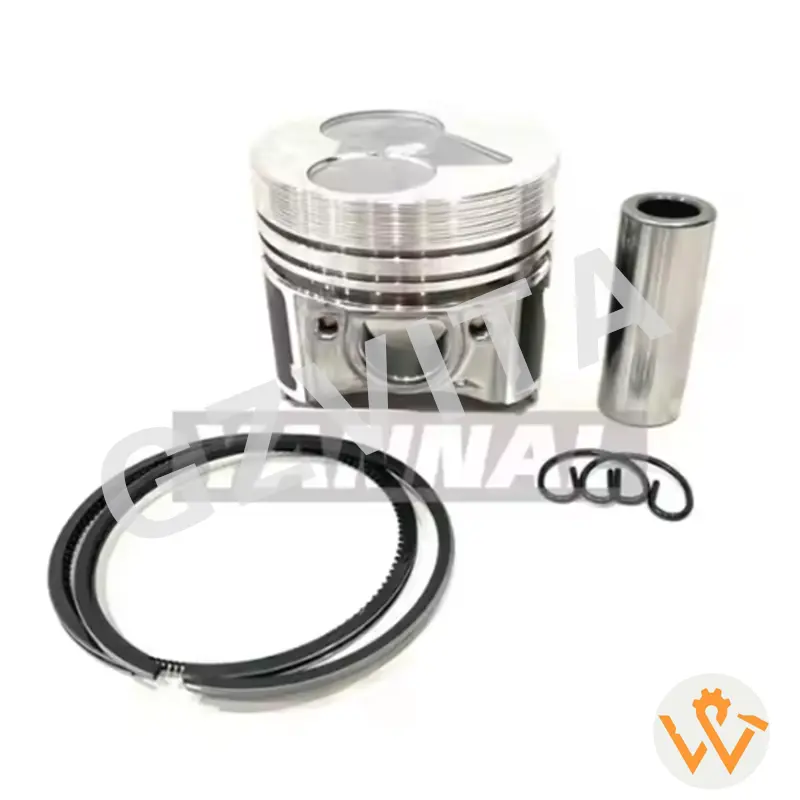
D722 Engine Piston 16851-21114 16851-21113 16851-21112 16645-21110 For Kubota Tractor Excavator Turn Mowers

Cleanliness is paramount; the engine block cylinder bores, piston, and all related components must be surgically clean and free of debris.

Thoroughly clean and inspect the cylinder bores​ for any scoring, taper, or out-of-round condition before installation.

The piston ring grooves must be completely free of carbon deposits and varnish​ to allow rings to seat and function properly.

Use a ridge reamer to remove the carbon ridge​ at the top of the cylinder bore from previous wear; failure to do so can damage new rings and pistons.

Verify the piston-to-cylinder wall clearance​ with a micrometer and bore gauge, ensuring it matches the manufacturer's exact specification.

Check ring end-gap​ for each compression and oil control ring in its respective cylinder, filing the ends if necessary to achieve the specified clearance.

All connecting rods and rod bolts must be inspected for straightness, and bolts must be new or certified for reuse.

Ensure the piston pin is the correct fit​ for the piston and connecting rod, with the specified clearance (snug slip-fit or press-fit).

The wrist pin retaining clips (circlips) must be new​ and fully seated in their grooves.

Lubricate all components liberally with assembly lube or clean engine oil​ immediately prior to installation to prevent dry start-up.

Always install piston rings one at a time using a proper ring expander tool​ to avoid scratching or distorting the rings and piston.

The ring markings (dots, "TOP" stamps, etc.) must face upward​ toward the crown of the piston, unless otherwise specified.

Stagger the ring end gaps​ around the piston circumference as per the manufacturer's diagram (typically 120 or 180 degrees apart).

Never align the ring gaps with the piston pin bore or perpendicular to it, as this is a common path for blow-by.

For oil control rings, ensure the expander (spacer) ends butt together and do not overlap, and the scraper rails are correctly seated.

The gap of the oil ring rails should be positioned on the opposite side of the expander gap.

Double-check that rings move freely in their grooves​ without binding after installation.

Ensure the ring side clearance​ (between the ring and the groove) is within specification using a feeler gauge.

For performance engines, always follow the specific ring manufacturer's gap and orientation instructions, which may differ from OEM.

Never roll the rings onto the piston from the side; this can permanently twist or damage the rings.

Identify the front of the piston​ (usually marked with an arrow, notch, or "FRONT").

The piston must be installed with the front mark facing the front of the engine​ (towards the timing cover).

For offset piston pins, ensure the correct side faces the major thrust side​ of the cylinder wall (typically marked or specified).

Verify the connecting rod and cap are matched pairs​ and installed in their original cylinder; they are not interchangeable.

Rod bearing shells must be the correct size and properly seated​ in the rod and cap, with locating tabs engaged.

The bearing bore in the rod and cap must be spotlessly clean and dry​ before inserting the bearing shell.

When pressing the wrist pin, use a proper fixture and controlled press​ to ensure alignment and prevent distorting the rod.

Always install new piston pin retaining circlips​ and ensure they are fully seated in the groove all around.

For full-floating pins, ensure the pin moves freely​ and install new spiral locks or circlips as specified.

    Notes for Installing Engine Pistons

    Installing engine pistons is a critical step in engine assembly or overhaul. Proper installation is essential for ensuring optimal engine performance, efficiency, and longevity. Here are important notes and steps to consider during the installation of engine pistons:

    Key Considerations Before Installation

    Safety First:
    Ensure the engine is turned off and cool. Wear safety glasses and gloves to protect yourself during the installation process.

    Gather Tools and Materials:
    You will need a variety of tools, including a torque wrench, piston ring compressor, socket set, and possibly a piston pin tool. Have the new pistons, piston rings, and any necessary gaskets or seals ready.

    Consult the Service Manual:
    Always refer to the specific service manual for your engine model for detailed instructions, torque specifications, and any specific procedures related to piston installation.

    Installation Steps

    Prepare the Engine Block:
    Clean the cylinder bores thoroughly to remove any debris, old oil, or contaminants. Inspect the cylinder walls for wear or damage.

    Install Piston Rings:
    Before installing the pistons, install the piston rings onto each piston. Ensure that the rings are oriented correctly according to the manufacturer’s specifications. Use a piston ring compressor to compress the rings for easier installation into the cylinder.

    Lubricate the Pistons:
    Apply a light coat of engine oil to the piston skirts and the piston rings. This lubrication helps reduce friction during installation and initial startup.

    Position the Piston:
    Align the piston with the corresponding cylinder. Ensure that the piston is oriented correctly, with the markings (if any) facing the front of the engine or as specified by the manufacturer.

    Insert the Piston:
    Carefully slide the piston into the cylinder bore. Use the piston ring compressor to help guide the piston into the cylinder without damaging the rings. Gently tap the piston with a soft mallet if necessary, but avoid excessive force.

    Install the Piston Pin:
    Once the piston is in place, install the piston pin (also known as the wrist pin) through the piston and connecting rod. Ensure that the pin is properly seated and secured with retaining clips or circlips.

    Torque the Connecting Rod Bolts:
    Follow the manufacturer’s specifications for torque settings and the correct sequence for tightening the connecting rod bolts. This is crucial for ensuring a secure connection between the piston and the connecting rod.

    Repeat for Remaining Pistons:
    Repeat the above steps for each piston in the engine, ensuring that each one is installed correctly and securely.

    Final Checks:
    After all pistons are installed, check for any signs of misalignment or improper installation. Ensure that all retaining clips are in place and that the connecting rod bolts are torqued to specifications.

    Post-Installation Considerations

    Inspect for Clearance: After installation, check for proper clearance between the pistons and the cylinder walls. This is important for preventing scuffing and ensuring smooth operation.

    Lubricate the Engine: Before starting the engine, ensure that the oil system is primed and that the engine is adequately lubricated.

    Follow Break-In Procedures: After installation, follow the manufacturer’s recommended break-in procedures for the engine to ensure proper seating of the piston rings and optimal performance.

    Product Display

    • D722 Engine Piston 16851-21114 For Kubota Tractor Excavator Turn Mowers

      D722 Engine Piston 16851-21114 For Kubota Tractor Excavator Turn Mowers

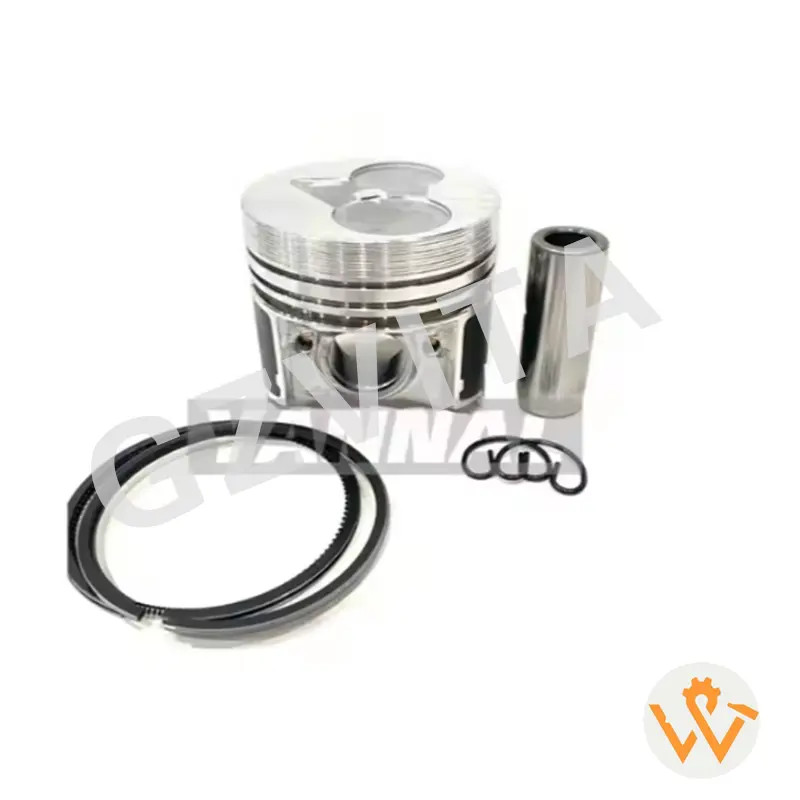
    • D722 Engine Piston 16851-21114 For Kubota Tractor Excavator Turn Mowers(01)

      D722 Engine Piston 16851-21114 For Kubota Tractor Excavator Turn Mowers(01)

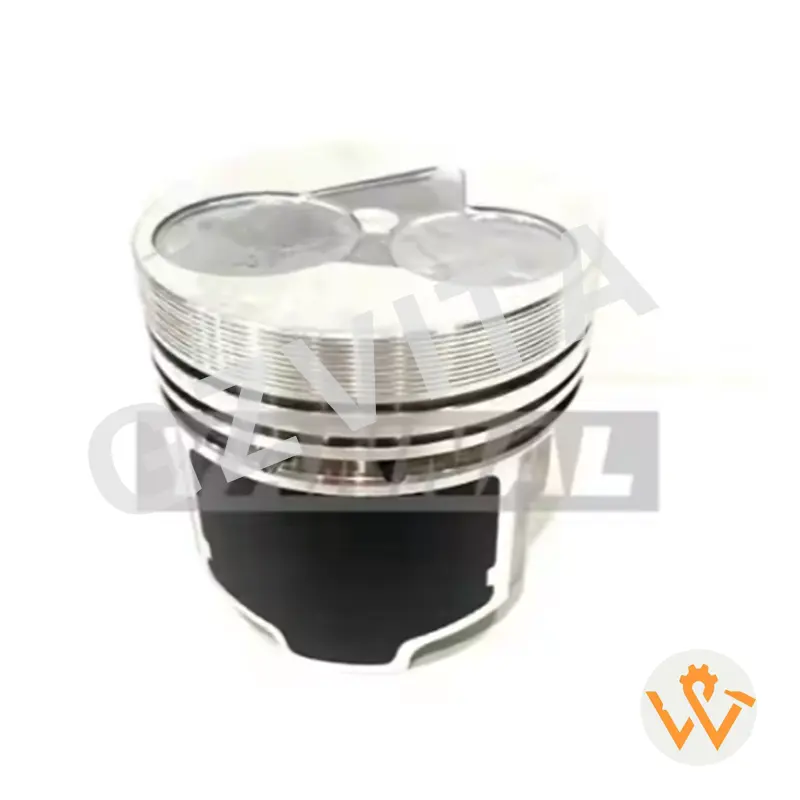
    • D722 Engine Piston 16851-21114 For Kubota Tractor Excavator Turn Mowers (02)

      D722 Engine Piston 16851-21114 For Kubota Tractor Excavator Turn Mowers (02)

    Leave Your Message