
 +86 18578756148
Leave Your Message
-
CONTACT NUMBER
-
 CONTACT NUMBER
 -
 CONTACT NUMBER
 -
 CONTACT NUMBER
-
 CONTACT NUMBER
OEM-grade fuel injectors, pumps, and filters engineered for peak performance in demanding engine rebuild applications.
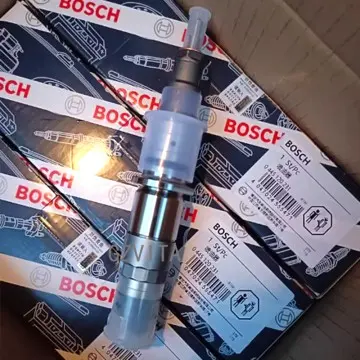
Bosch Original Fuel Injector 0445120059 0445120231 For Cummins Engine Rebuilding
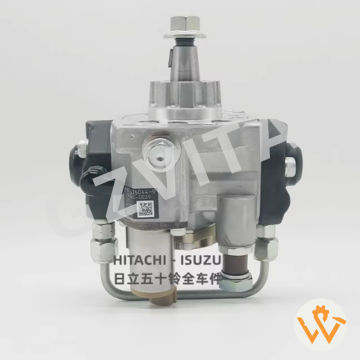
Genuine 8-97306044-9 Fuel Injection Pump 294000-0039 High Pressure Oil Pump for ISUZU 4HK1 Engine Rebuild
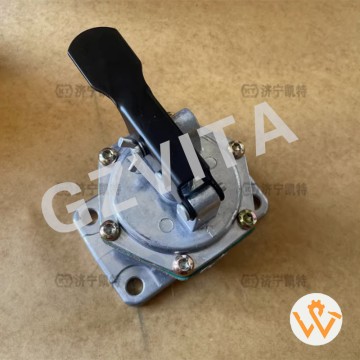
PC400-7 PC400-8 PC450-8 6D140 6D125 Engine Fuel Feed Pump Priming Pump for Heavy-Duty Engine Rebuilding

Sany Excavator Fuel Tank Cover Cap For Sany 55 65 75 85 95 135 155 215 365 485
Understanding the critical role of fuel filtration in restoring and sustaining peak engine performance across industrial sectors.
When it comes to heavy-duty engine rebuilding, the fuel filter is far more than a routine maintenance component — it is a precision-engineered guardian that determines the long-term health, efficiency, and reliability of the entire powertrain. In industries ranging from large-scale construction and mining to agricultural operations, maritime logistics, and power generation, the quality of the fuel supply directly governs engine longevity and operational uptime.
Heavy-duty diesel engines — found in excavators, bulldozers, cranes, mining haul trucks, marine vessels, and stationary generators — operate under extreme thermal and mechanical stress. Any contamination in the fuel supply, whether particulate debris, water, microbial growth, or oxidation by-products, can cause catastrophic damage to precision fuel injection systems, high-pressure common rail pumps, and sensitive injector nozzles. This is why selecting the right fuel filter during an engine rebuild is not optional — it is a foundational engineering decision.
🔧 Key Insight: Industry data indicates that up to 70% of diesel engine failures in heavy-duty applications are attributable to fuel contamination. A high-performance fuel filter installed during engine rebuilding can extend engine service life by 30–50% and reduce unplanned downtime by over 40%.
The global market for heavy-duty engine rebuild parts — including fuel filters, injectors, and fuel pumps — has experienced robust growth over the past decade. Driven by aging machinery fleets, rising new equipment costs, and a global push toward maximizing the operational life of existing assets, the engine rebuild sector is projected to surpass USD 18 billion by 2028, with fuel system components representing one of the fastest-growing sub-segments.
In developing economies across Southeast Asia, South Asia, the Middle East, and Africa, where infrastructure investment is surging, the demand for cost-effective engine rebuild solutions is particularly acute. Contractors and fleet operators managing large inventories of Komatsu, Caterpillar, Hitachi, Volvo, and Hyundai machinery are increasingly turning to specialist suppliers who can provide OEM-grade fuel filtration and injection components at competitive prices — without compromising on performance or reliability.
Meanwhile, in mature markets such as North America, Europe, and Japan, stringent environmental regulations (including Tier 4 Final and EU Stage V emissions standards) are pushing engine rebuild workshops to adopt ultra-high-efficiency fuel filtration systems capable of removing particles as small as 2–4 microns. These regulatory pressures are accelerating innovation in filter media technology, housing design, and integration with electronic fuel management systems.
Modern heavy-duty fuel filters increasingly incorporate multi-stage filtration media — combining primary coalescing layers for water separation with secondary synthetic fiber matrices for sub-micron particulate capture. This dual-stage approach is now standard in Tier 4 and Stage V engine rebuilds.
IoT-enabled fuel filter systems with embedded differential pressure sensors and wireless data transmission are emerging in premium fleet management applications. Real-time filter condition monitoring allows predictive maintenance, eliminating guesswork and preventing catastrophic injector damage.
As fleets transition to B20–B100 biodiesel blends and HVO (Hydrotreated Vegetable Oil), fuel filter media and seal compounds must be reformulated to resist accelerated degradation and microbial contamination — a critical consideration in engine rebuild specifications today.
Leading filter manufacturers are developing high-capacity filter elements capable of 500+ hour service intervals in heavy-duty applications — reducing total cost of ownership for fleet operators while maintaining filtration efficiency above 98.7% at 4 microns.
Nano-fiber filter media technology, originally developed for aerospace applications, is now entering the heavy-duty diesel sector. These ultra-fine fibers achieve superior dirt-holding capacity and filtration efficiency while maintaining low restriction — ideal for high-pressure common rail systems.
Recyclable filter housings, reduced-waste filter element designs, and closed-loop fluid recovery systems are gaining traction as OEMs and rebuild specialists respond to ESG (Environmental, Social, Governance) commitments from major construction and mining clients.
Key figures shaping the global heavy-duty fuel filtration and engine rebuild market.
From construction sites to underground mines — where precision fuel filtration makes the critical difference.
Excavators, wheel loaders, motor graders, and compactors operating in dusty, high-vibration environments place extreme demands on fuel systems. During engine rebuilds for machines like Komatsu PC400, Hitachi ZX330, or Caterpillar 336, replacing the fuel filter assembly with OEM-spec components is mandatory to protect newly installed injectors and high-pressure pumps from particulate damage. Fuel filter selection must account for the specific micron rating, flow rate, and housing pressure rating of each engine platform.
Underground mining haul trucks and surface drilling rigs operate in environments with extreme dust concentrations, temperature swings, and fuel quality variability. Engine rebuilds in this sector demand fuel filters with enhanced water separation capabilities (often with integrated water-in-fuel sensors) and high dirt-holding capacity to maintain adequate service intervals between filter changes in remote locations where maintenance access is limited.
Combine harvesters, tractors, and forestry machines running John Deere, AGCO, or CNH engines frequently encounter fuel contamination from on-farm storage tanks. Engine rebuild programs for agricultural fleets must prioritize fuel filters with superior coalescing efficiency to handle water contamination from condensation in large storage tanks — a leading cause of injector corrosion and premature pump failure in this sector.
Marine diesel engines powering vessels, offshore platforms, and port equipment require fuel filtration systems engineered to handle marine-grade diesel with elevated sulfur content and high susceptibility to microbial contamination in warm tropical waters. Fuel filter rebuilds for marine applications typically specify stainless steel housings, high-pressure ratings (up to 10 bar), and biocide-compatible filter media to prevent algae and bacteria growth in fuel systems.
Diesel generator sets providing backup or primary power to data centers, hospitals, and industrial facilities require fuel filters capable of maintaining fuel cleanliness to ISO 4406 cleanliness code 16/14/11 or better — even after extended standby periods. Engine rebuild specifications for gensets increasingly include duplex filter housings that allow filter changes without engine shutdown, maximizing availability for critical power applications.
Long-haul trucking fleets operating Cummins ISX, Detroit DD15, or Volvo D13 engines face fuel quality challenges across diverse geographic markets. Fleet rebuild programs targeting 1,000,000+ km engine life require fuel filters with proven performance across a wide range of ULSD (Ultra-Low Sulfur Diesel) and biodiesel blend qualities, combined with robust housing designs that resist vibration fatigue over extended service periods.
A technical guide for procurement specialists, fleet engineers, and rebuild workshop managers.
The single most important specification is the absolute filtration rating (β-ratio) of the filter element. High-pressure common rail (HPCR) injection systems operating at pressures of 1,600–2,500 bar require fuel cleanliness levels that demand filters with absolute ratings of β₃(c) ≥ 200 or better. Older mechanical injection systems are more tolerant, but fitting a higher-efficiency filter never hurts — it only extends component life.
Filter housings must be rated for the maximum fuel system pressure, including surge pressures during cold starts. For modern HPCR systems, this typically means housings rated to 10–15 bar on the supply side. Using an undersized housing risks catastrophic failure and fuel system contamination with metallic debris.
Water contamination is the number one cause of injector corrosion and premature pump failure. Select filters with integrated water separation stages achieving >95% water removal efficiency, and always specify filters with water-in-fuel (WIF) sensor ports for modern engine management systems that require this data for fault monitoring.
For remote or high-utilization applications, select filter elements with the highest available dirt-holding capacity to maximize service intervals. Premium synthetic filter media can offer 2–3× the dirt-holding capacity of standard cellulose elements at equivalent restriction levels.
Always verify that replacement fuel filters are validated against OEM cross-reference specifications for the specific engine platform being rebuilt. Using non-validated filters risks voiding rebuild warranties and may result in inadequate filtration for the specific flow rates and pressure drops of the target engine.
💡 Pro Tip: When rebuilding engines for emission-regulated markets (Tier 4 / Stage V), always specify fuel filters that are validated for use with ULSD (≤15 ppm sulfur) and are compatible with up to B20 biodiesel blends — even if current fuel specifications don't require it. Future fuel supply flexibility is a key consideration for long-term fleet planning.
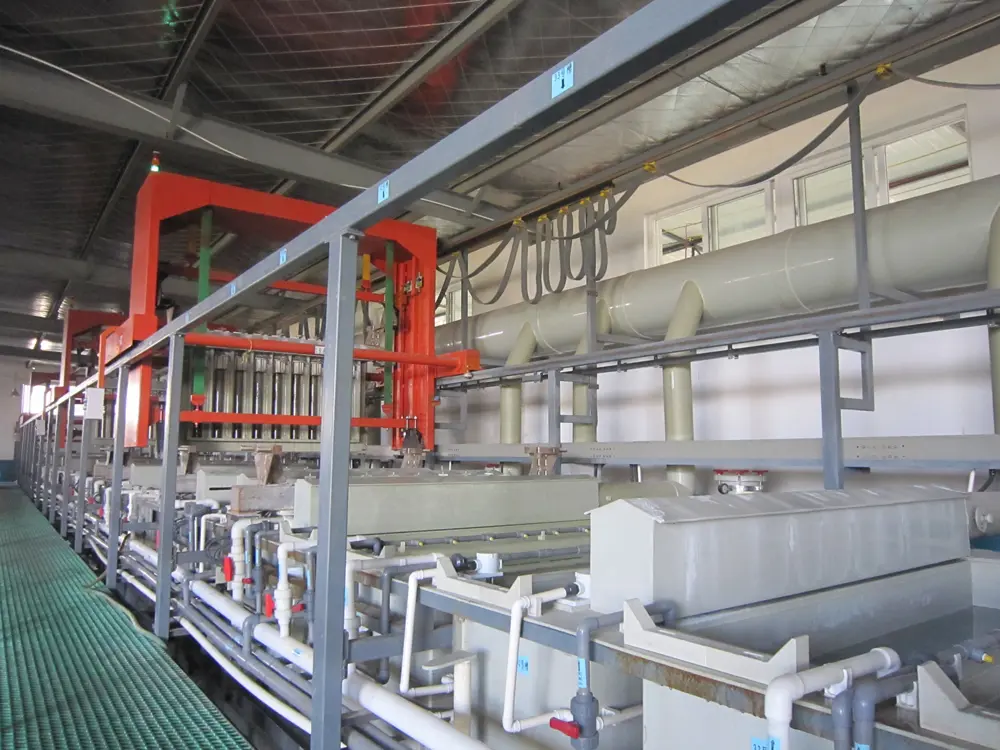
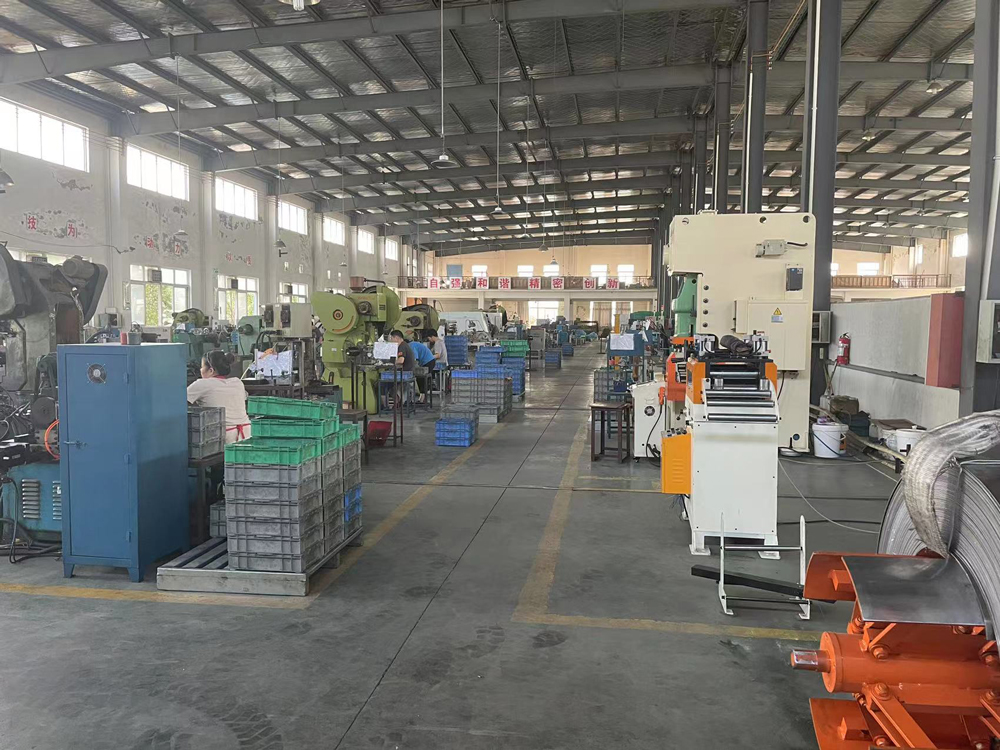
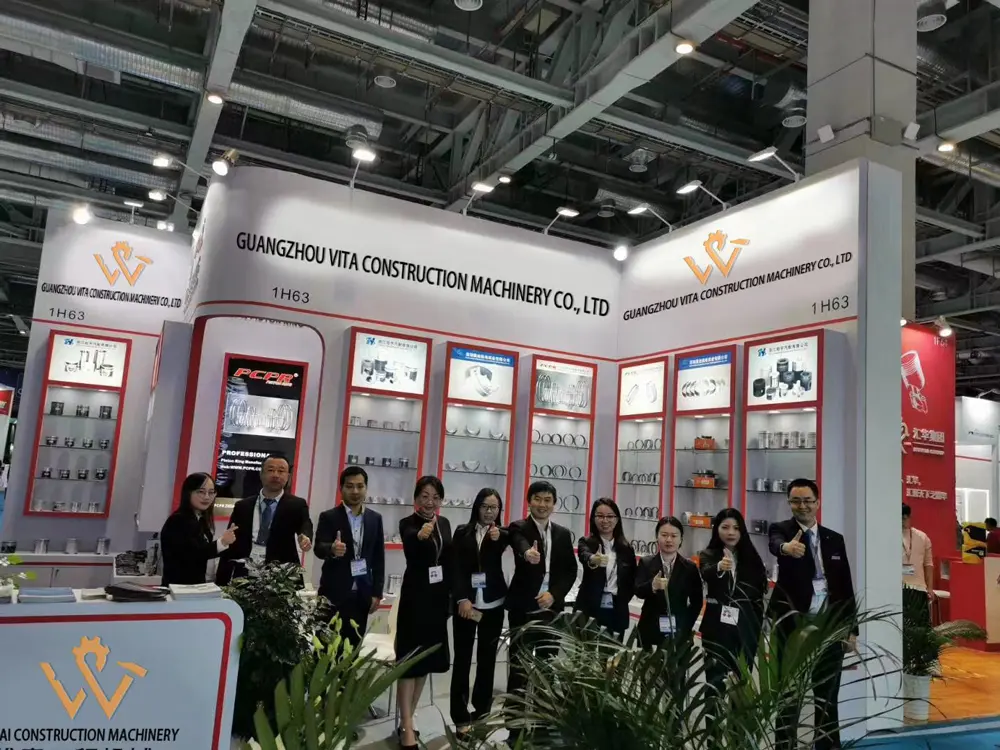
Guangzhou Vita Construction Machinery Co., Ltd. is one of the largest companies that combines factory and foreign trade. The factory is located in Xiangyang City, Hubei Province, with more than 18,000 square meters of workshop space, several advanced production machines, more than 278 well-trained and skilled workers, and around 8 experienced engineers — assuring excellent product quality as well as fast and accurate delivery.
We specialize in producing, developing, and selling the whole range of construction machinery parts — including engine assemblies, hydraulic pumps, final drives, electric generating sets, engine bearings (main bearings and con rod bearing series), crankshafts, engine valves, gear pumps, cylinders, all kinds of filters, excavator buckets, and undercarriage parts for excavators and bulldozers.
Our products serve as replacements for many types of machines from leading brands including Komatsu, Volvo, Sumitomo, Caterpillar, Kubota, Hitachi, John Deere, Kobelco, Hyundai, Kato, Sany, XCMG, SUNWARD, and other well-known global brands.
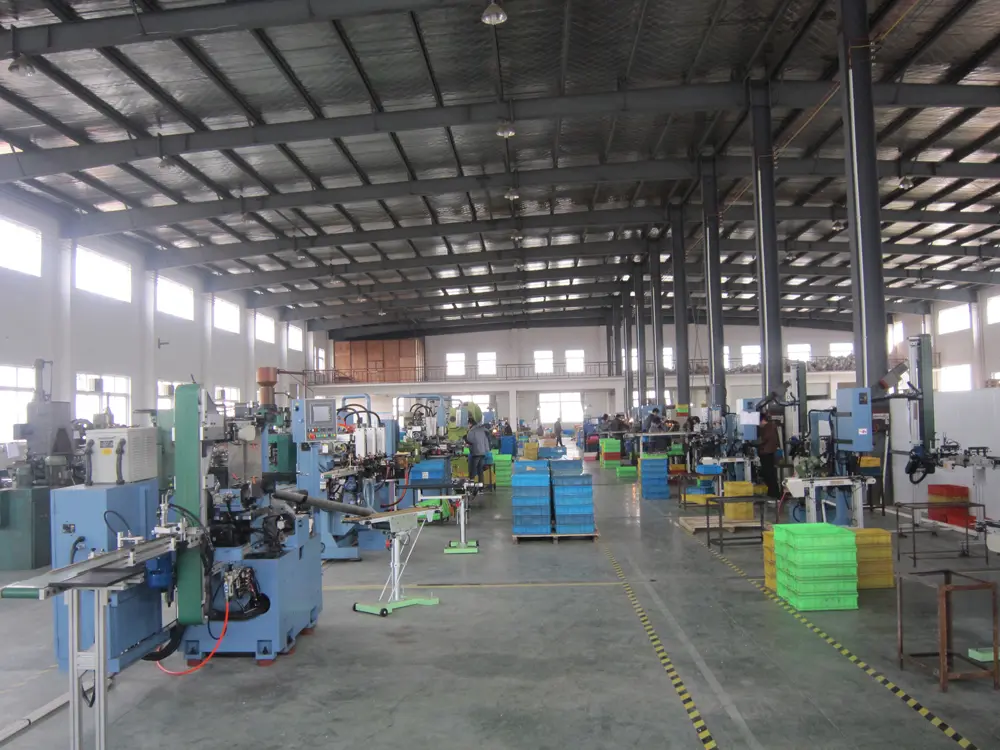





Why global fleet operators and engine rebuild specialists choose Vita Construction Machinery as their preferred fuel system components partner.
In the fast-paced world of construction, the reliability and efficiency of your machinery can make or break a project. We understand that high-quality parts are essential for optimal performance. So we aim to provide top-notch construction machinery parts — including precision fuel filters and injection components — to keep your machinery running smoothly through every engine rebuild cycle.
To improve our service, we have established an engine maintenance development division. In addition to providing customers with engine assemblies and fuel system components, we can also help customers solve various technical problems encountered in the operation and assembly of engines — from fuel filter selection to high-pressure injection system diagnostics.
We have our own professional maintenance team and can even be invited by customers to arrange for maintenance technicians to travel internationally to help customers repair engines on-site — providing comprehensive support for complex heavy-duty engine rebuild projects anywhere in the world.
OEM-compatible fuel filters, injectors, pumps, and ancillary components for all major heavy-duty engine platforms.
Bosch Original Fuel Injector 0445120059 0445120231 For Cummins Engine Rebuilding
Genuine 8-97306044-9 Fuel Injection Pump 294000-0039 High Pressure Oil Pump for ISUZU 4HK1 Engine Rebuild
PC400-7 PC400-8 PC450-8 6D140 6D125 Engine Fuel Feed Pump Priming Pump for Heavy-Duty Engine Rebuilding
Sany Excavator Fuel Tank Cover Cap For Sany 55 65 75 85 95 135 155 215 365 485
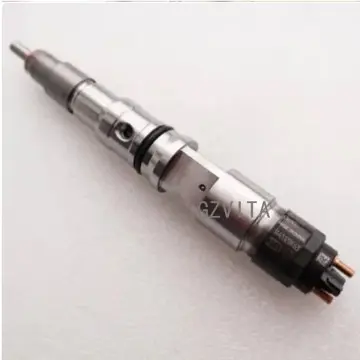
Cummins QSB7 Liugong Loader Engine Fuel Injector Nozzle G5317323 0445120383 for Heavy-Duty Engine Rebuilding
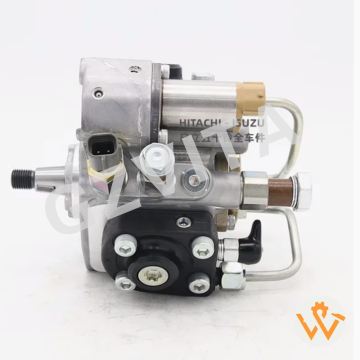
Kingcat 8-98091565-1 294050-0105 Fuel Injection Pump 6HK1 HP4 for Isuzu Hitachi ZX330-3 Engine Rebuilding
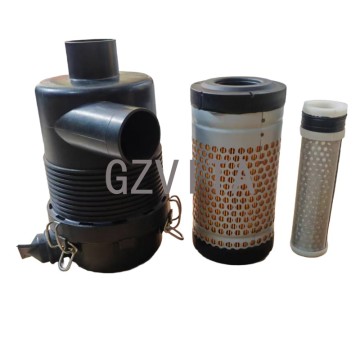
Kubota 15 20 Series Air Filter Housing Assembly 1G994-11013 16296-11013 D1105 for Engine Rebuilding
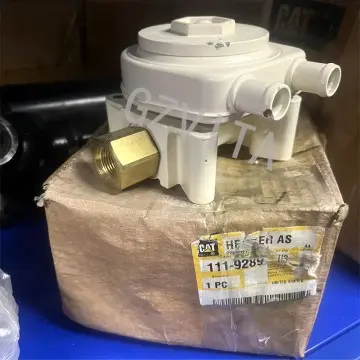
Coolant and Fuel Heater 111-9289 For CAT D9R 773E Heavy-Duty Engine Rebuilding