
 +86 18578756148






0102030405

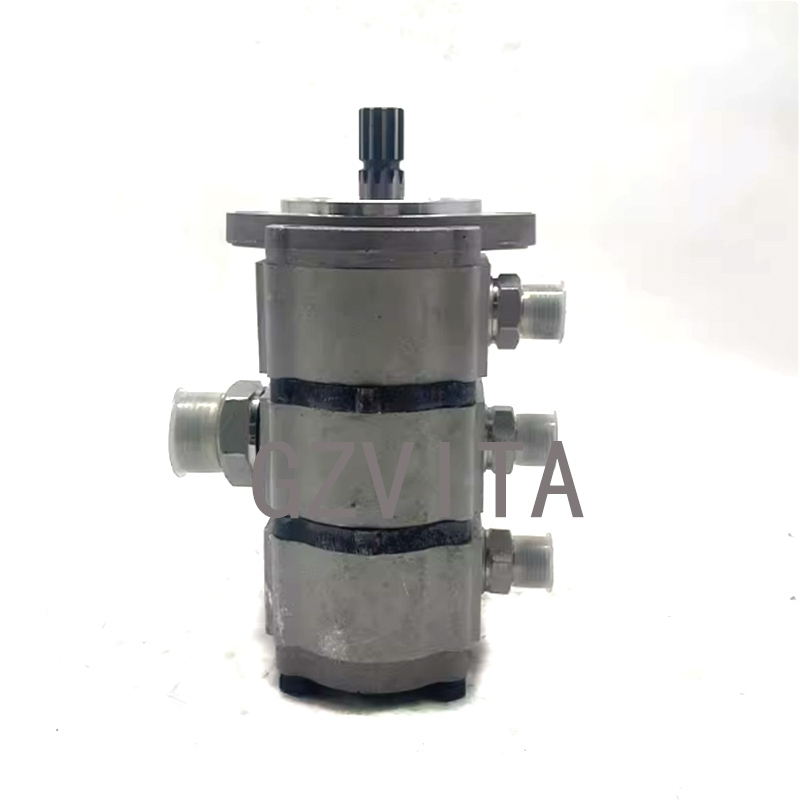
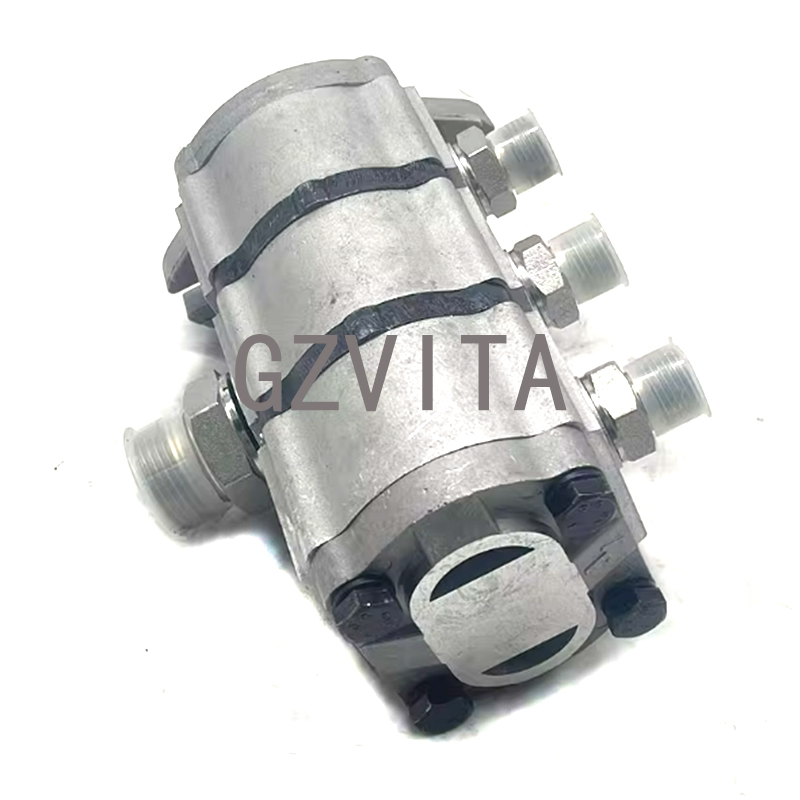
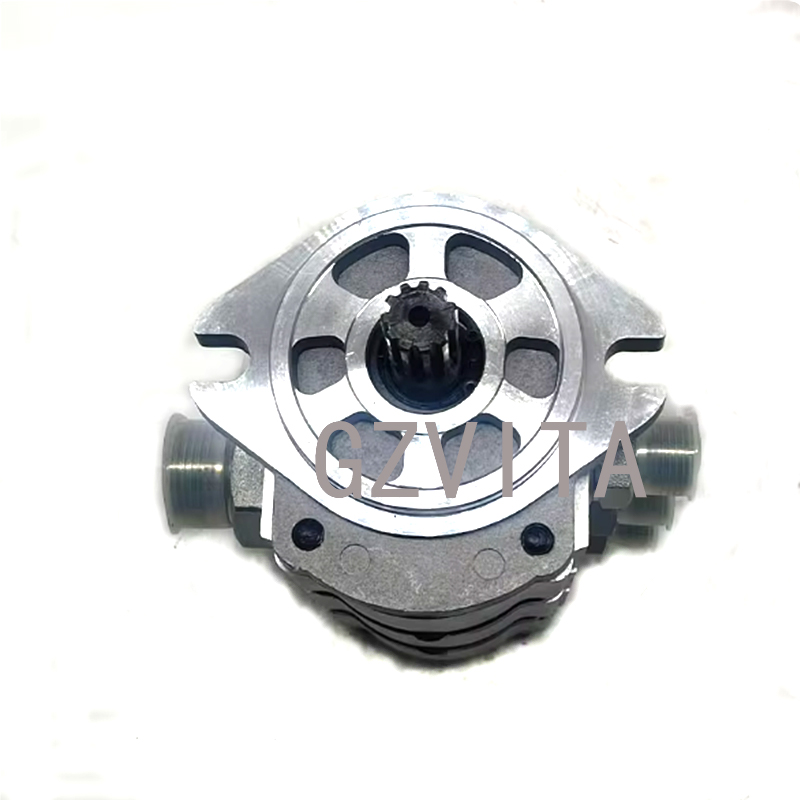
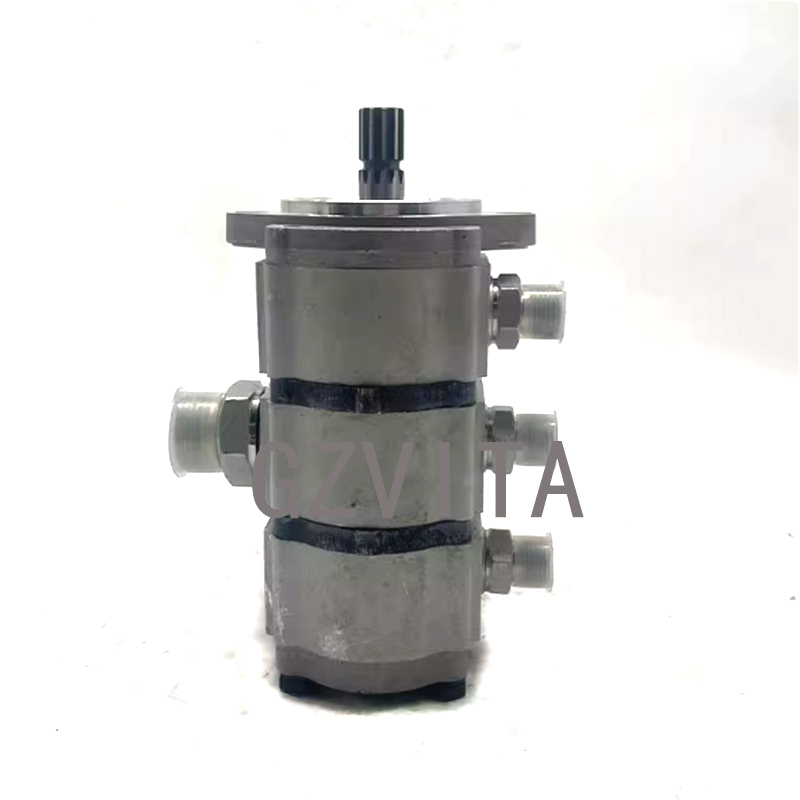
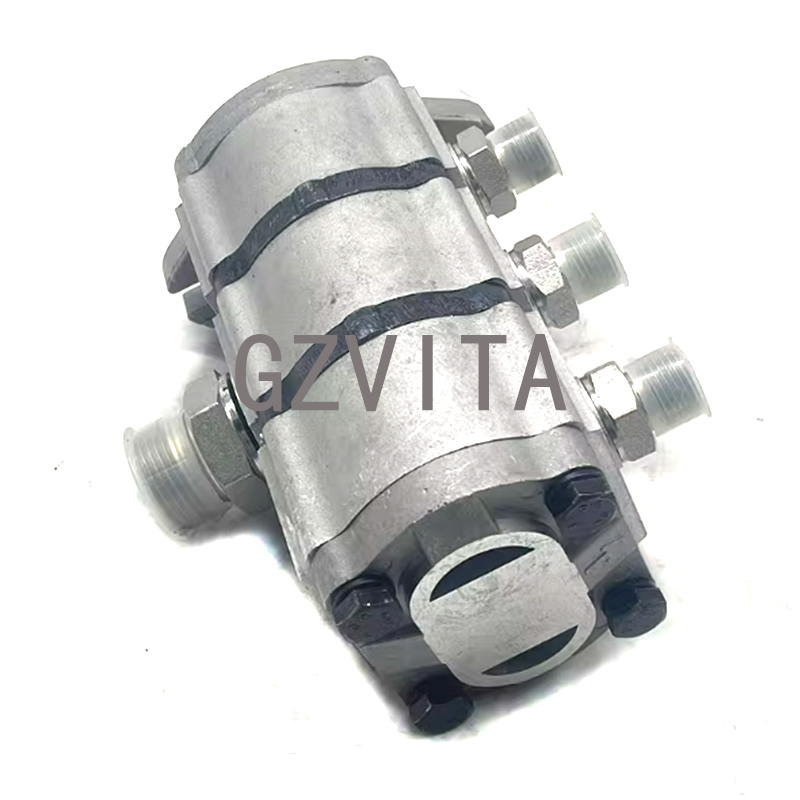
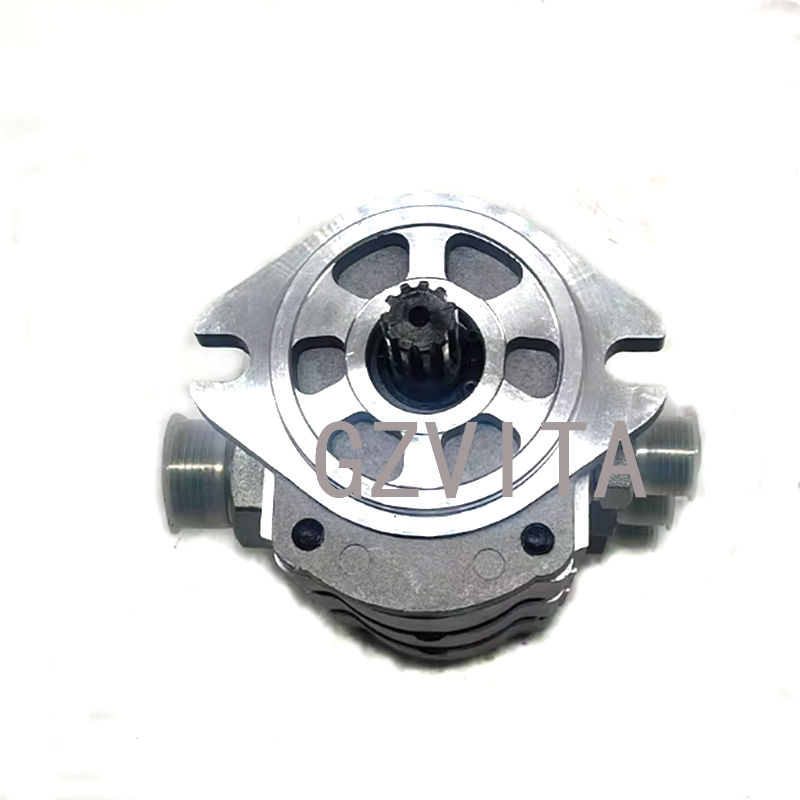
Excavator Parts: Bobcat E17 E20 DX19 DX20 Hydraulic Pump Main Pump Gear Pump Assembly Main Hydraulic
The nameplate on a hydraulic pump is a critical component in construction machinery for several reasons:
Identification: The nameplate provides essential information about the pump, including the manufacturer, model number, and serial number. This information is crucial for identifying the specific pump type and its specifications.
Specifications: It typically lists key specifications such as flow rate, pressure rating, and power requirements. This information helps operators and maintenance personnel understand the pump’s capabilities and limitations, ensuring it is used correctly within its operational parameters.
Maintenance and Service:
The nameplate often includes maintenance guidelines, service intervals, and lubrication requirements. This information is vital for keeping the pump in good working condition and prolonging its lifespan.
Compatibility:
Knowing the pump’s specifications helps in determining compatibility with other hydraulic components in the system, such as hoses, valves, and actuators. This is essential for ensuring efficient and safe operation.
Safety:
The nameplate may include safety warnings and operational guidelines. Adhering to these instructions is crucial for preventing accidents and ensuring the safety of operators and other personnel.
Regulatory Compliance:
In many regions, equipment must meet specific regulatory standards. The nameplate can provide information necessary for compliance with these regulations, including certifications and standards met by the pump.
Troubleshooting:
In the event of a malfunction, the nameplate can assist technicians in diagnosing issues by providing critical information about the pump’s design and operational parameters.
Replacement Parts:
When repairs are needed, the nameplate information is essential for ordering the correct replacement parts, ensuring that the pump can be restored to its original functionality.
In summary
the hydraulic pump nameplate is a vital resource for ensuring proper operation, maintenance, and safety of construction machinery. It serves as a reference point for technicians, operators, and safety personnel, facilitating efficient and effective use of hydraulic systems.