Leave Your Message
Products Categories
Featured Products

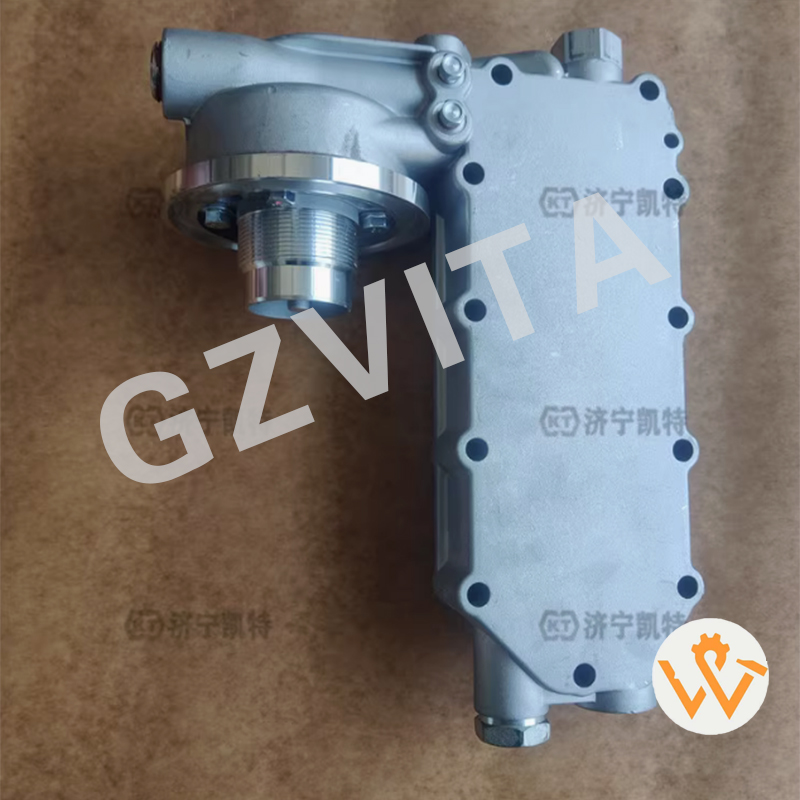
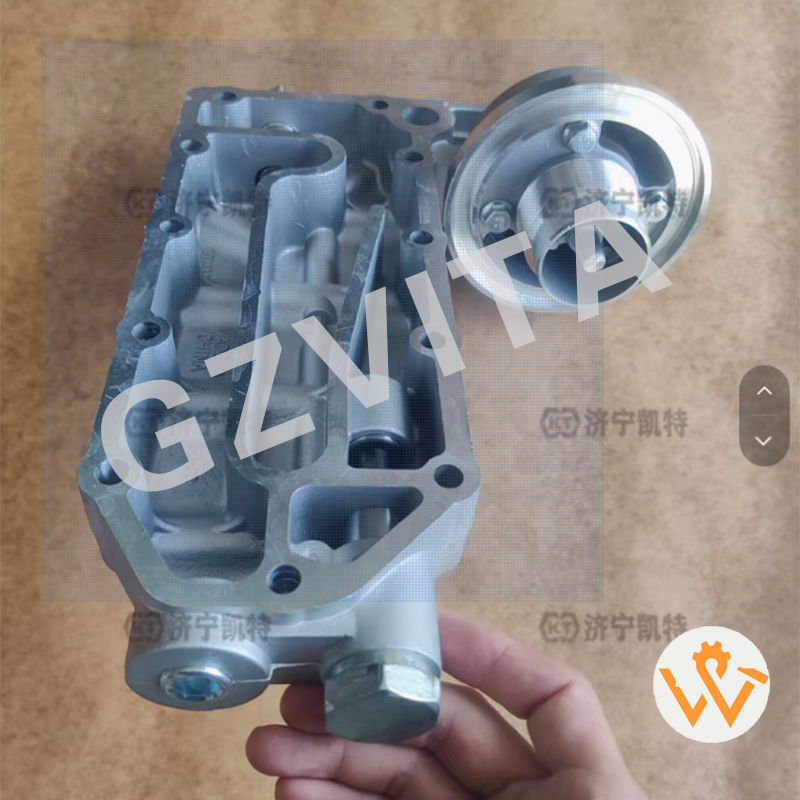
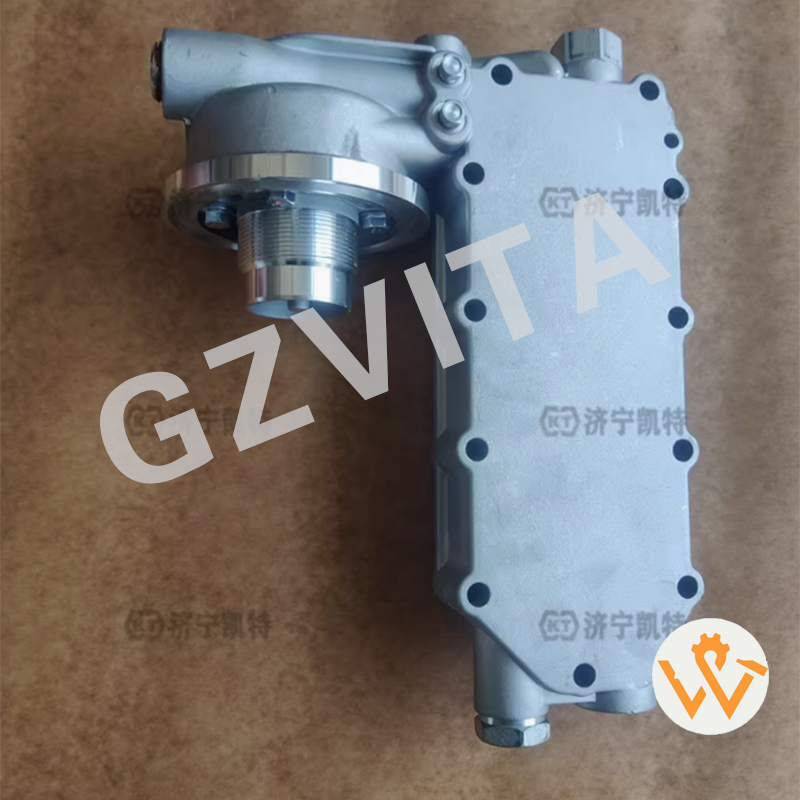
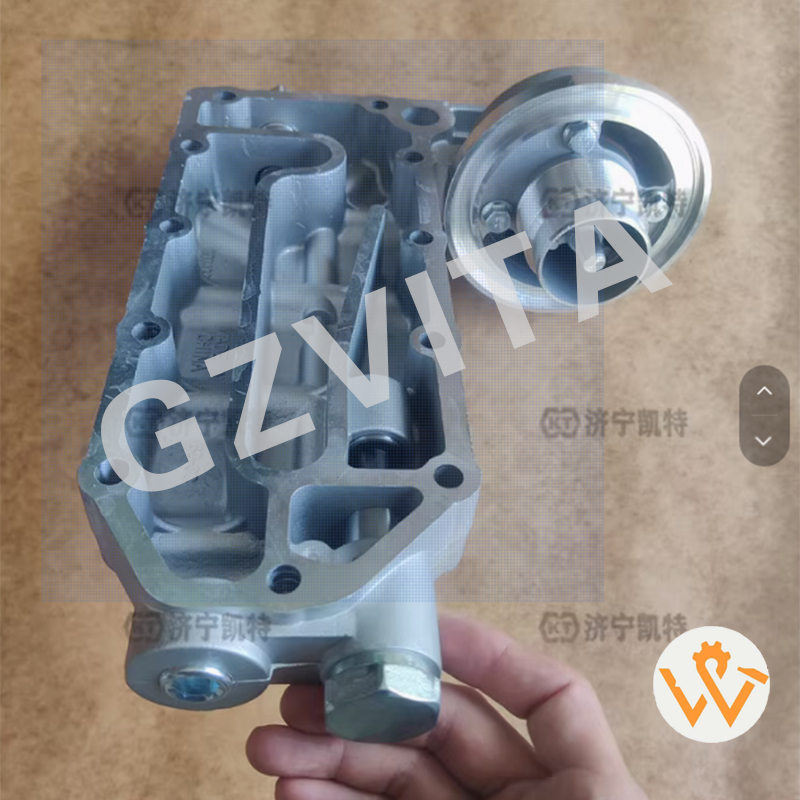
Genuine Parts OEM Engine Parts PC360-8 PC380-10MO SAA6D114E-3A Lubricating Cooler Core 6743-61-2210

Aluminum alloy core – Primary heat transfer material (typically 3003/5052 alloy).

Brazed aluminum fins – High-surface-area fins for efficient heat dissipation.

Aluminum header tanks/end caps – For oil inlet/outlet distribution.

Stainless steel tube inserts – At critical connection points for wear resistance.

Brass or copper-nickel alloy tubes – In some heavy-duty variants for corrosion resistance.

High-frequency welded fins – Bonded to tubes for optimal thermal conductivity.

Epoxy-coated aluminum – Optional corrosion protection on external surfaces.

Zinc-chromate primer – Anti-corrosion coating on bare aluminum.

Silicon gasket material – For sealing between core and tanks.

Nitrile rubber seals – For port connections and mounting brackets.

Steel mounting brackets – For secure engine block attachment.

Anodized aluminum surface – Enhanced corrosion and wear resistance.

Polyamide plastic side plates – In some designs for structural support.

Brass drain plug – For oil drainage during service.

Copper-based brazing alloy – Joins fins, tubes, and headers (e.g., CuP-6).

Phosphated steel fasteners – For corrosion-resistant assembly.

Glass-reinforced plastic end tanks – In lighter-weight composite designs.

Nickel-plated steel fittings – For enhanced corrosion protection at ports.

Extruded aluminum tubes – Seamless construction for pressure integrity.

Corrugated aluminum fin design – Turbulence-enhancing geometry for better cooling.

Pressure-resistant alloy core – Rated for engine oil system pressure (typically 4-8 bar).

Lead-free solder materials – For environmental compliance in brazing.

Powder-coated steel brackets – Durable finish on mounting components.

High-purity aluminum – Minimizes impurities for optimal heat transfer.

Silicon-bronze alloy brazing filler – Used in high-strength joints.

Stainless steel reinforcement bands – On large-core radiators for vibration resistance.

Aluminum-silicon alloy fins – Improved strength at elevated temperatures.

Electro-galvanized steel parts – For brackets and protective covers.

Fluorocarbon coating – Optional hydrophobic coating for debris shedding.

    Which kind material is good for radiator cap?

    When it comes to radiator caps, the materials used are important for ensuring durability, heat resistance, and proper sealing.

    Common materials for radiator caps include:

    Metal (usually aluminum or brass):

     These materials are often used for their strength and heat resistance. Metal caps can withstand high temperatures and pressures, making them a reliable choice.

    Plastic:

    Some radiator caps are made from high-quality, heat-resistant plastics. While they are lighter and can be more cost-effective, they may not be as durable as metal caps under extreme conditions.

    Rubber or silicone seals:

    Regardless of the main material, many radiator caps incorporate rubber or silicone seals to ensure a tight fit and prevent leaks. These materials are essential for maintaining pressure within the cooling system.

    In general, a metal radiator cap is often considered the best option for durability and performance, but high-quality plastic caps can also be effective if designed properly. Always ensure that the radiator cap you choose is compatible with your vehicle’s specifications.

    The shape of the radiator cap

    The shape of a radiator cap is designed to fit securely onto the radiator neck and to create a proper seal to maintain pressure within the cooling system. Here are some common characteristics of radiator cap shapes:


    Circular Shape: Most radiator caps are circular, allowing them to fit snugly onto the radiator neck. This shape helps distribute pressure evenly.

    Dome or Flat Top: Some radiator caps have a dome-shaped top, which can help with pressure release. Others may have a flat top, depending on the design of the vehicle’s cooling system.

    Notched or Grooved Edges: Many radiator caps feature notches or grooves around the edges to provide a better grip for easy installation and removal.

    Size Variations: Radiator caps come in various sizes to fit different radiator necks, so it’s important to choose one that matches the specifications of your vehicle.

    Leave Your Message