
 +86 18578756148











0102030405


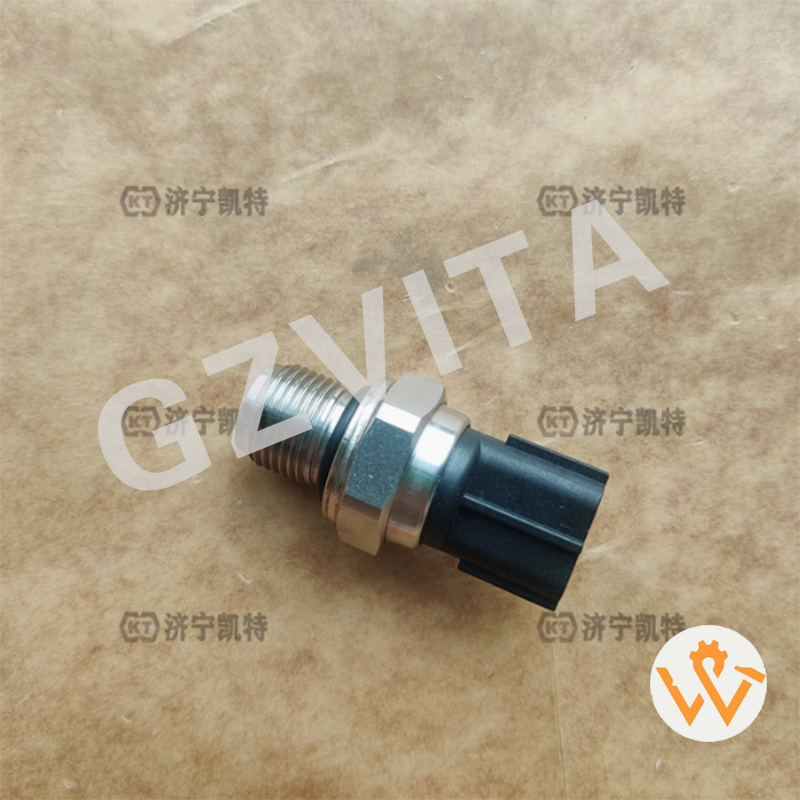

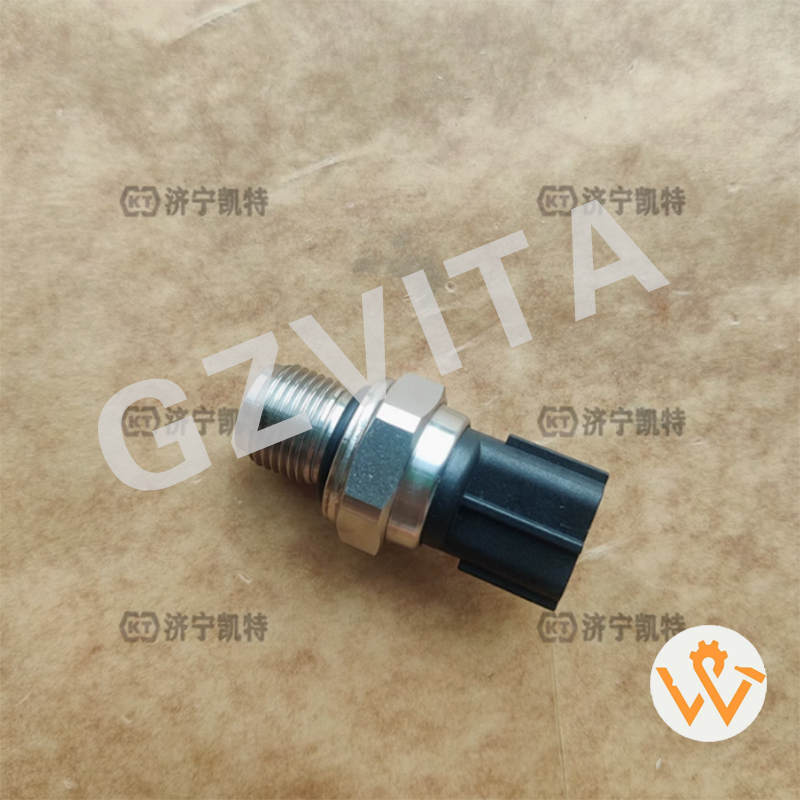
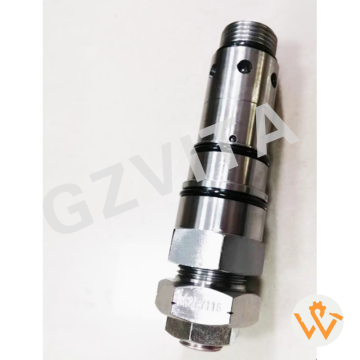
7861-93-1812 New High Pressure Sensor for KOMATSU PC200-8 PC210-8 PC240-8 PC300-8 Models
Introduction to Excavator Cab Rear view Mirrors
The rear view mirror in an excavator cab is a critical component that enhances safety and operational efficiency. Here’s an overview of its importance, features, and functionality:
1. Safety Enhancement
Visibility: The rear view mirror provides the operator with a clear view of the area behind the excavator, which is essential for safe maneuvering, especially in tight spaces or crowded job sites.
Blind Spot Reduction: It helps reduce blind spots, allowing the operator to be more aware of their surroundings and any potential hazards, such as other machinery, personnel, or obstacles.
2. Operational Efficiency
Improved Awareness: By providing a broader field of vision, the rear view mirror allows operators to monitor their work area more effectively, leading to better decision-making and increased productivity.
Enhanced Communication: In some cases, the rear view mirror can facilitate communication with ground personnel, helping to coordinate movements and operations more effectively.
3. Design and Features
Adjustable Angles: Many excavator cab mirrors are designed to be adjustable, allowing operators to customize the angle for optimal visibility based on their seating position and the specific job site conditions.
Wide-Angle and Convex Options: Some mirrors are designed as wide-angle or convex mirrors, which provide a broader view of the surroundings, further enhancing safety.
Durability: Rear view mirrors are typically constructed from durable materials to withstand harsh working conditions, including vibrations, dust, and impacts.
4. Integration with Other Systems
Camera Systems: In modern excavators, rear view mirrors may be integrated with camera systems that provide real-time video feeds to the operator, offering an even clearer view of the rear and sides of the machine.
Display Screens: Some advanced excavators feature display screens that can show images from rear view cameras, further enhancing visibility and safety.
5. Regulatory Compliance
Safety Standards: The inclusion of rear view mirrors in excavator design is often mandated by safety regulations to ensure that operators have the necessary visibility to operate machinery safely.