Essential Tips for Sourcing Cylinder Seal Kits Globally?
In the global market for Cylinder Seal Kits, sourcing effectively is critical. According to a report by MarketResearchFuture, the demand for hydraulic seals is projected to grow at a CAGR of 4.5% from 2022 to 2028. Industry experts, like Dr. John Richards, emphasize that "successful global sourcing requires a deep understanding of regional suppliers." This underlines the importance of strategic selection in various markets.
Navigating international suppliers can be challenging. Differences in standards and quality control complicate sourcing efforts. Reliability in the supply chain remains a key concern for many businesses. Companies must consider logistics, local regulations, and supplier reputation. Transparency in these areas builds trust and can prevent costly delays.
Additionally, finding the right fit for Cylinder Seal Kits means understanding technical specifications. An expert once noted, “Many buyers overlook the importance of thorough product research before committing.” This reflects a common pitfall in the industry. It’s essential to balance cost savings with quality assurance, creating a reliable supply chain. The journey may not be perfect, but attention to these details can lead to success.
Understanding Cylinder Seal Kits: Key Components and Types
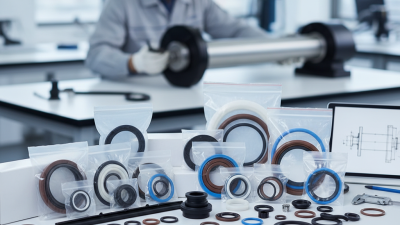
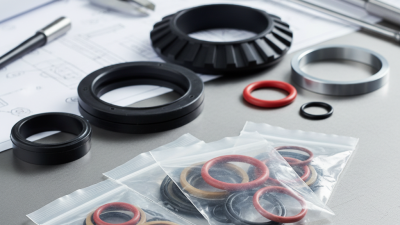
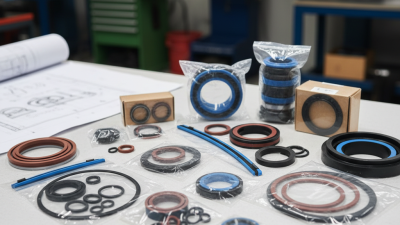
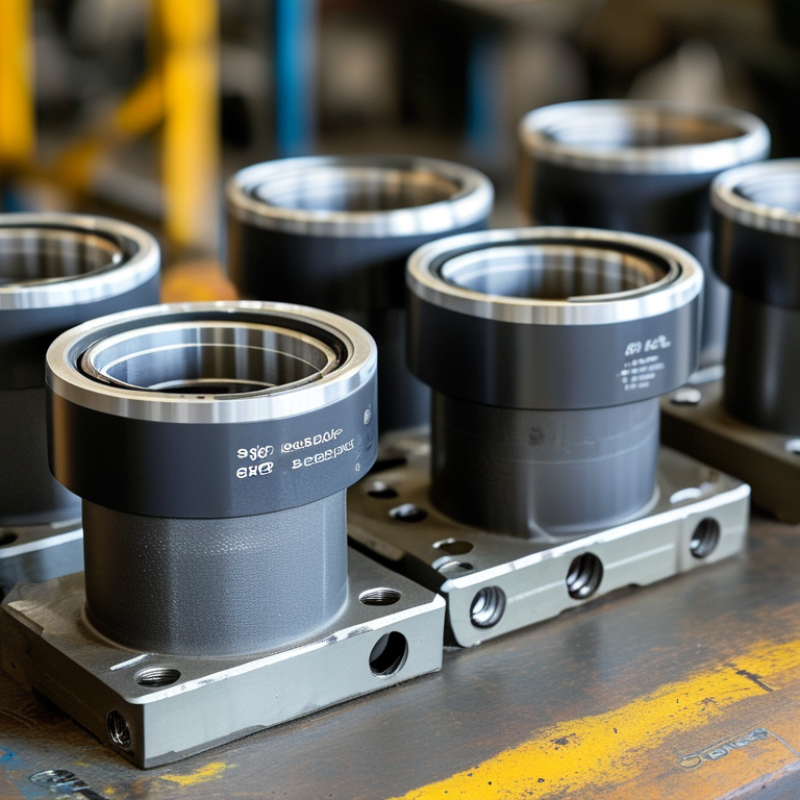
Understanding cylinder seal kits is crucial for various industries. These kits typically include seals, O-rings, and backing rings. The selection of the right type is essential for optimal functionality. Rotating seals, for instance, are designed to withstand high speeds and pressures. They are common in hydraulic applications. Static seals, on the other hand, prevent leakage between stationary components. Each component serves a specific purpose, influencing overall performance.
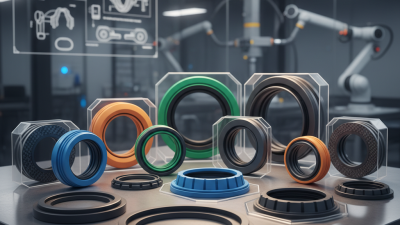
When sourcing these kits, consider the materials used. Rubber, polyurethane, and PTFE are popular choices. Each material has unique properties. Rubber is often resistant to oils, while PTFE offers excellent chemical resistance. Careful evaluation of the operating environment can guide material selection. It would help if you also examined compatibility with existing systems.
Look for suppliers with a solid reputation. Research their experience and track record in providing quality products. By connecting with industry forums and groups, you can gain insights and recommendations. Remember, not all products are created equal. Always ask for technical data sheets to evaluate their specifications. High-quality kits can significantly enhance equipment reliability, which ultimately reduces downtime.
Global Sourcing Trends for Cylinder Seal Kits
The bar chart above illustrates the global market share distribution for sourcing cylinder seal kits across different regions. Asia leads the market with a substantial share, followed by North America and Europe. Understanding these trends can help businesses make informed sourcing decisions.
Identifying Global Manufacturers: Criteria for Selection
Identifying reliable global manufacturers for cylinder seal kits involves several evaluation criteria. Quality assurance is paramount; look for manufacturers with ISO certifications. This signifies adherence to industry standards. You may also want to consider the material used in the kits. Different applications require different materials. Ensure the manufacturer specifies the materials they use and their durability.
Another crucial factor is the manufacturer's experience. Companies with a long track record often have the expertise needed to meet diverse client demands. However, newer companies can also bring innovation and fresh perspectives. Evaluate their history and customer feedback to gauge reliability.
Logistical capabilities also play a significant role. Assess their supply chain robustness. A manufacturer with strong distribution networks can often deliver products on time. Communication is key; ensure they provide clear and timely responses. This can reflect their overall reliability in managing orders and addressing concerns. Sourcing from a global perspective means navigating various standards and practices. Being mindful of these factors can lead to better sourcing decisions.
Evaluating Quality Standards and Certifications for Seal Kits
When sourcing cylinder seal kits globally, quality standards play a crucial role. Certifications ensure that the products meet industry regulations. The ISO 9001 certification, widely recognized in many sectors, signifies a commitment to quality management. According to a study by Global Certification Network, over 75% of manufacturers prioritize ISO certifications when selecting suppliers. This shifts focus to reliability and performance in seal kits.
In addition to ISO, check for specific material certifications based on applications. For example, seals used in high-pressure environments should meet ASTM standards. Reports indicate that nearly 60% of seal failures are due to substandard materials. This highlights the need for meticulous evaluation of suppliers and their certification processes. Scrutinizing these aspects reduces risks and enhances the longevity of the seals.
Moreover, understanding manufacturing processes is essential. Look for suppliers who adopt quality control measures throughout the production phases. Vendor assessments should be comprehensive. They should include not just product quality but also compliance with environmental regulations. The lack of attention to these facets can lead to challenges down the line, such as increased maintenance costs and equipment downtime. A proactive approach in demand for certified products will likely foster better partnerships and improved outcomes.
Negotiating Supply Chain Logistics for Global Sourcing
Negotiating supply chain logistics for global sourcing involves several critical steps. First, one must establish clear communication channels with suppliers. Misunderstandings can lead to poor choices and delays. Regular updates help maintain transparency, allowing both parties to address issues promptly.
Understanding local regulations is another key factor. Each region has unique compliance requirements. Researching these can prevent costly errors down the line. Consider the logistics surrounding transportation as well. Local shipping options might vary greatly in terms of reliability and cost.
It's also essential to build relationships with reliable logistics partners. They can often provide insights that improve your sourcing strategy. However, not all partners perform equally. Regularly evaluate their performance to ensure you are making the best choice. Keep an open dialogue to learn from past experiences. Embracing this reflective process can lead to better outcomes in future negotiations.
Sustainability Considerations in Cylinder Seal Kit Sourcing
Sourcing cylinder seal kits globally requires careful attention to sustainability. Sustainable practices minimize environmental impacts while promoting social responsibility. Choosing suppliers with eco-friendly materials is a significant step. It’s essential to inquire about the lifecycle of the materials used. This includes understanding their sourcing origins and disposal methods.
Evaluate suppliers for their energy consumption and waste management. Reducing carbon footprints can lead to better overall practices. Look for certifications indicating these companies adhere to sustainability standards. Transparency in their processes often reflects a commitment to responsible sourcing.
Ensuring quality is also crucial. Inspecting the products before committing is advisable. Poor-quality materials not only fail but increase waste. Engage with suppliers who prioritize sustainability in their design and manufacturing processes. Inquire about innovations that reduce material waste. Consider the long-term benefits of selecting partners who share similar values.

 +86 18578756148
 CONTACT NUMBER
 CONTACT NUMBER
 CONTACT NUMBER
 CONTACT NUMBER