
 +86 18578756148






0102030405
Products
01
view
detail
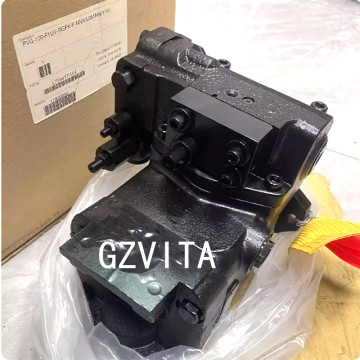
OgilviePVG100 Hydraulic pump Shantui SE88 Zooml...
2025-12-12
Daily visual inspection – Check for external leaks, cracks, or damage.
Monitor hydraulic oil level – Ensure it is within the recommended range before operation.
Check oil temperature – Avoid operation beyond the specified temperature limit.
Listen for abnormal noises – Unusual sounds may indicate cavitation or internal wear.
Inspect pump mounting bolts – Ensure they are tight and secure.
Verify drive coupling condition – Look for wear, cracks, or misalignment.
Check suction lines and filters – Prevent restrictions or air ingress.
Monitor system pressure – Use gauges to detect abnormal fluctuations.
Inspect case drain line – Ensure it is unobstructed and not leaking excessively.
Maintain oil cleanliness – Change filters regularly and use clean oil.
Avoid dry running – Always prime the pump before starting.
Warm up the system – Operate at low pressure and flow in cold conditions.
Prevent contamination – Keep the reservoir and fill area clean.
Check for overheating – Monitor pump housing temperature during operation.
Avoid prolonged operation at maximum pressure – Reduce stress on the pump.
Inspect hoses and fittings – Look for wear, leaks, or loose connections.
Verify proper belt tension – For belt-driven pumps, ensure correct tension.
Monitor oil condition – Look for discoloration, foam, or contamination.
Check for air in the system – Bleed air if foaming or erratic operation occurs.
Ensure adequate ventilation – Prevent heat buildup around the pump.
Follow manufacturer’s operating limits – Adhere to pressure and flow specifications.
Use recommended hydraulic oil – Follow viscosity and grade requirements.
Avoid sudden pressure spikes – Operate controls smoothly to prevent shocks.
Inspect electrical connections – For electric-driven pumps, ensure secure wiring.
Record operating hours – Schedule maintenance based on service intervals.
Check alignment – Ensure the pump is properly aligned with the drive source.
Monitor pump vibration – Excessive vibration may indicate imbalance or wear.
Test relief valve function – Verify proper pressure relief during operation.
Keep maintenance records – Document inspections, repairs, and part replacements.
Train operators – Ensure they understand proper pump operation and early warning signs of failure.
02
view
detail
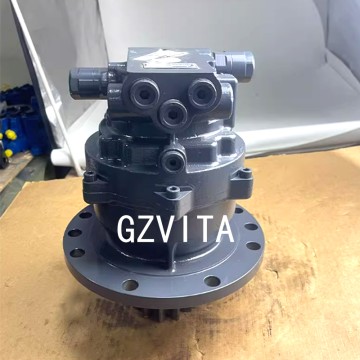
LSMN24B-21-M6 Rotary Pump XCMG XE35 LiuGong9035...
2025-12-12
Closed-loop swing (in some systems)
Dedicated pump and motor circuit for precise control.
Open-loop swing
Uses a section of the main hydraulic circuit with a control valve.
Swing acceleration
Requires extra torque to overcome inertia, provided by initial pressure surge.
Swing deceleration
Controlled by metering outgoing oil flow through the control valve.
Leakage paths
Internal clearances allow minimal oil flow for lubrication and cooling.
Flushing flow
Continuous case drain flow carries away heat and wear particles.
Pressure holding function
Maintains pressure on the low side to prevent motor cavitation.
Load sensing capability
In advanced systems, signals pump to provide only needed pressure.
Swing circuit filtration
Protects the precision motor components from contamination.
Fail-safe operation
Parking brake engages automatically if hydraulic pressure is lost.
Manual release (optional)
Provision to mechanically release the parking brake for towing.
Mounting flange
Secures the motor to the swing gearbox or frame.
Alignment critical
Precise alignment with the pinion gear is essential for longevity.
Heat generation
Inefficiencies and braking action create heat managed by the hydraulic system.
Commissioning procedure
Requires proper case drain line setup and brake bleeding.
Diagnostic ports
Test ports for checking main pressure, case pressure, and brake pressure.
Integration with machine ECM
Modern systems use electronic signals for control and monitoring, working with the machine's Electronic Control Module for optimal performance
04
view
detail
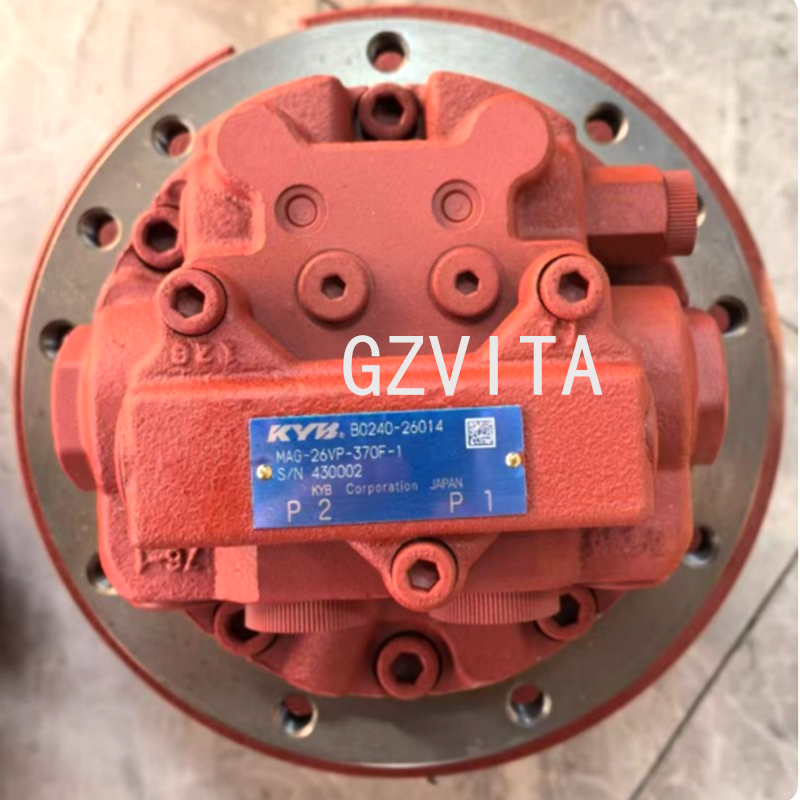
KYB MAG-26VP-400F LiuGong 9035 LiuGong 9045 DX3...
2025-12-12
Daily visual inspection – Check for external leaks, damage, or loose connections.
Monitor hydraulic oil level and cleanliness – Ensure proper oil quality and quantity.
Check final drive oil level – Verify oil level in the reduction gearbox.
Listen for unusual noises – Grinding, knocking, or whining sounds indicate issues.
Inspect mounting bolts – Ensure all fasteners are tight and secure.
Monitor travel performance – Note any slipping, uneven movement, or loss of power.
Check for overheating – Touch the motor housing (safely) after operation.
Inspect breathers and vents – Ensure they are clean and unclogged.
Examine travel chains and sprockets – Look for excessive wear or misalignment.
Verify track tension – Proper tension reduces stress on the motor.
Avoid sharp turns on hard surfaces – Minimize stress on the travel system.
Prevent contamination – Keep the area around seals and connections clean.
Operate smoothly – Avoid sudden starts, stops, or direction changes.
Check case drain flow – Ensure minimal leakage from the drain port.
Monitor system pressure – Abnormal pressure may indicate motor or pump issues.
Inspect electrical connections – For electrically controlled motors, check wiring.
Lubricate external linkages – Grease pivot points as per manual.
Avoid continuous high-speed travel – Especially on inclines or rough terrain.
Check parking brake function – Ensure it holds securely on slopes.
Inspect anti-rotation devices – Ensure they are intact and functional.
Record operating hours – Schedule maintenance based on service intervals.
Use correct hydraulic oil – Follow manufacturer’s viscosity and grade recommendations.
Bleed air from the system – If the motor feels spongy or weak.
Check alignment with final drive – Misalignment causes premature wear.
Monitor for oil contamination – Metal particles in oil indicate internal wear.
Inspect seal surfaces – Look for scratches or damage that could cause leaks.
Avoid overloading – Do not exceed the machine’s travel capacity.
Keep travel paths clear – Remove debris that could jam the tracks or sprockets.
Train operators – Ensure proper use and early problem recognition.
Follow manufacturer’s maintenance schedule – Adhere to recommended service intervals for oil changes, filter replacements, and inspections.
05
view
detail
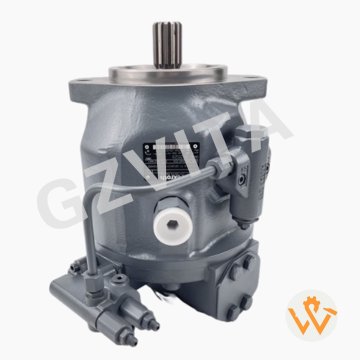
Excavator Parts A10VO71 Hydraulic Pump Rexroth ...
2025-12-12
Variable displacement axial piston pumps (dual).
Load sensing pressure-flow compensated (LSPC) system.
Swashplate angle control for output adjustment.
Hydraulic or electro-hydraulic servo control.
Closed-center load sensing (CLSS) circuit.
Power sharing between pumps.
Pressure cut-off (PCO) function.
Horsepower matching with the engine.
Cross-sensing between pump sections.
Displacement feedback mechanism.
High-pressure rotating groups.
Stationary valve plates.
Integral charge pump for make-up flow.
Case drain and flushing circuit.
Main system relief valves.
Anti-cavitation check valves.
Pressure compensator valves.
Flow compensator valves.
Load signal network (LS lines).
Pilot pressure supply circuit.
Pump controller (electronic or hydraulic).
Proportional solenoid valves (if equipped).
Pressure transducers for control feedback.
Mounting and drive system to the engine.
Breather and case drain ports.
Filtration system for charge and case drain oil.
Temperature management via case drain flow.
Efficiency optimization logic.
Fail-safe pressure and flow limiting.
Integrated diagnostic capability.
06
view
detail
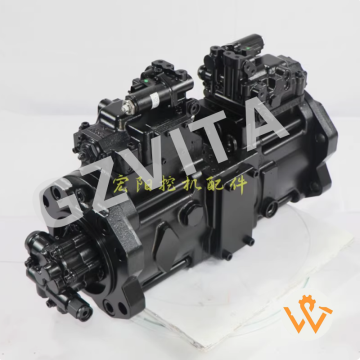
Excavator Parts Hydraulic Main Pump K5V140DTP-9...
2025-12-12
High-efficiency swashplate mechanism
ISO-certified manufacturing standards
Forged alloy steel rotating group
Hardened and ground cam surfaces
Precision lapped valve plates
Chromium-plated cylinder bores
High-carbon steel slipper pads
Tapered roller bearing construction
Vacuum-degassed steel components
Micro-finished hydraulic surfaces
Pressure-balanced port plates
Heat-treated alloy steel shafts
Dual-lip rotary shaft seals
Case-hardened gear teeth
Precision grinding to JIS standards
Hydrodynamic bearing design
Corrosion-resistant coating system
Vibration-analyzed balancing
Pressure-tested to 450 bar
Leakage-controlled tolerances
Temperature-cycled validation
Abrasion-resistant bushing materials
Electroplated corrosion protection
Fatigue-tested spring components
Dimensional stability guarantee
Clean-room assembly environment
Statistical process control
Batch traceability system
Kawasaki quality assurance certification
07
view
detail
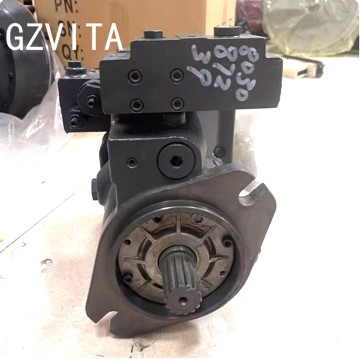
K3VL80 Hydraulic Pump for CLG908E SY75 XE80 Hyd...
2025-12-12
High-efficiency swashplate mechanism
ISO-certified manufacturing standards
Forged alloy steel rotating group
Hardened and ground cam surfaces
Precision lapped valve plates
Chromium-plated cylinder bores
High-carbon steel slipper pads
Tapered roller bearing construction
Vacuum-degassed steel components
Micro-finished hydraulic surfaces
Pressure-balanced port plates
Heat-treated alloy steel shafts
Dual-lip rotary shaft seals
Case-hardened gear teeth
Precision grinding to JIS standards
Hydrodynamic bearing design
Corrosion-resistant coating system
Vibration-analyzed balancing
Pressure-tested to 450 bar
Leakage-controlled tolerances
Temperature-cycled validation
Abrasion-resistant bushing materials
Electroplated corrosion protection
Fatigue-tested spring components
Dimensional stability guarantee
Clean-room assembly environment
Statistical process control
Batch traceability system
Kawasaki quality assurance certification
08
view
detail
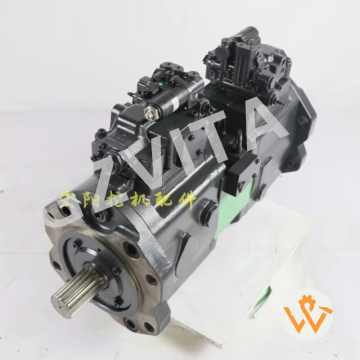
SY235-8 Excavator K5V140DTP-9T1L-17T Hydraulic ...
2025-12-12
High-efficiency swashplate mechanism
ISO-certified manufacturing standards
Forged alloy steel rotating group
Hardened and ground cam surfaces
Precision lapped valve plates
Chromium-plated cylinder bores
High-carbon steel slipper pads
Tapered roller bearing construction
Vacuum-degassed steel components
Micro-finished hydraulic surfaces
Pressure-balanced port plates
Heat-treated alloy steel shafts
Dual-lip rotary shaft seals
Case-hardened gear teeth
Precision grinding to JIS standards
Hydrodynamic bearing design
Corrosion-resistant coating system
Vibration-analyzed balancing
Pressure-tested to 450 bar
Leakage-controlled tolerances
Temperature-cycled validation
Abrasion-resistant bushing materials
Electroplated corrosion protection
Fatigue-tested spring components
Dimensional stability guarantee
Clean-room assembly environment
Statistical process control
Batch traceability system
Kawasaki quality assurance certification
09
view
detail
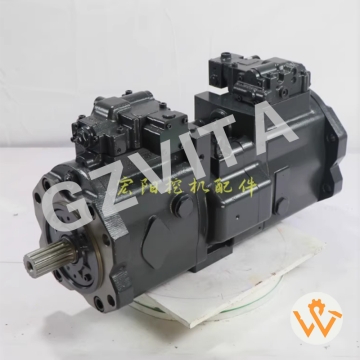
SY335C-8 SY365C-8 SY365C-9 Hydraulic Axial Pist...
2025-12-12
High-efficiency swashplate mechanism
ISO-certified manufacturing standards
Forged alloy steel rotating group
Hardened and ground cam surfaces
Precision lapped valve plates
Chromium-plated cylinder bores
High-carbon steel slipper pads
Tapered roller bearing construction
Vacuum-degassed steel components
Micro-finished hydraulic surfaces
Pressure-balanced port plates
Heat-treated alloy steel shafts
Dual-lip rotary shaft seals
Case-hardened gear teeth
Precision grinding to JIS standards
Hydrodynamic bearing design
Corrosion-resistant coating system
Vibration-analyzed balancing
Pressure-tested to 450 bar
Leakage-controlled tolerances
Temperature-cycled validation
Abrasion-resistant bushing materials
Electroplated corrosion protection
Fatigue-tested spring components
Dimensional stability guarantee
Clean-room assembly environment
Statistical process control
Batch traceability system
Kawasaki quality assurance certification
10
view
detail
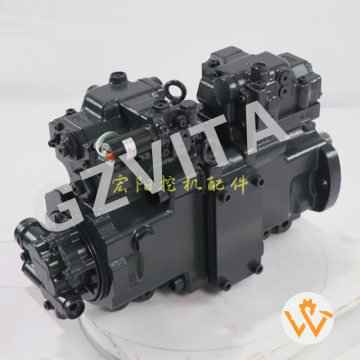
Excavator Hydraulic Pump K7V63DTP Hydraulic Mai...
2025-12-12
High-efficiency swashplate mechanism
ISO-certified manufacturing standards
Forged alloy steel rotating group
Hardened and ground cam surfaces
Precision lapped valve plates
Chromium-plated cylinder bores
High-carbon steel slipper pads
Tapered roller bearing construction
Vacuum-degassed steel components
Micro-finished hydraulic surfaces
Pressure-balanced port plates
Heat-treated alloy steel shafts
Dual-lip rotary shaft seals
Case-hardened gear teeth
Precision grinding to JIS standards
Hydrodynamic bearing design
Corrosion-resistant coating system
Vibration-analyzed balancing
Pressure-tested to 450 bar
Leakage-controlled tolerances
Temperature-cycled validation
Abrasion-resistant bushing materials
Electroplated corrosion protection
Fatigue-tested spring components
Dimensional stability guarantee
Clean-room assembly environment
Statistical process control
Batch traceability system
Kawasaki quality assurance certification
11
view
detail
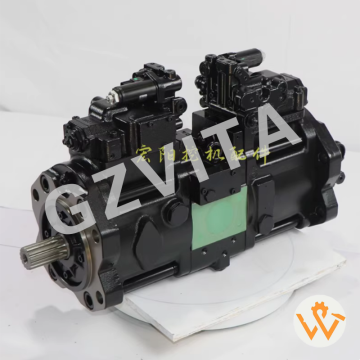
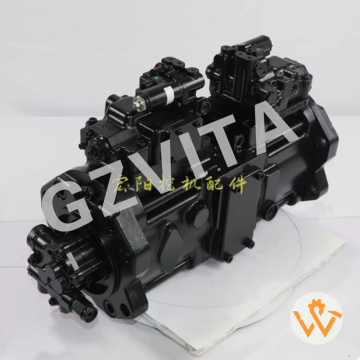
Ready Stock Wear-Resistant K3V112DTP-9T8L-14T f...
2025-12-12
High-efficiency swashplate mechanism
ISO-certified manufacturing standards
Forged alloy steel rotating group
Hardened and ground cam surfaces
Precision lapped valve plates
Chromium-plated cylinder bores
High-carbon steel slipper pads
Tapered roller bearing construction
Vacuum-degassed steel components
Micro-finished hydraulic surfaces
Pressure-balanced port plates
Heat-treated alloy steel shafts
Dual-lip rotary shaft seals
Case-hardened gear teeth
Precision grinding to JIS standards
Hydrodynamic bearing design
Corrosion-resistant coating system
Vibration-analyzed balancing
Pressure-tested to 450 bar
Leakage-controlled tolerances
Temperature-cycled validation
Abrasion-resistant bushing materials
Electroplated corrosion protection
Fatigue-tested spring components
Dimensional stability guarantee
Clean-room assembly environment
Statistical process control
Batch traceability system
Kawasaki quality assurance certification
12
view
detail
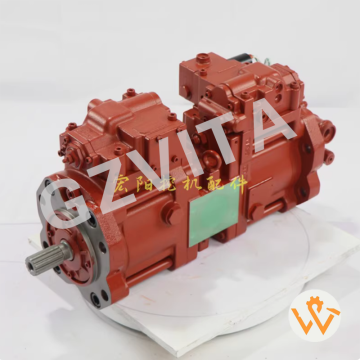
Ready Stock Wear-Resistant K3V112DTP-9TCM-14T f...
2025-12-12
High-efficiency swashplate mechanism
ISO-certified manufacturing standards
Forged alloy steel rotating group
Hardened and ground cam surfaces
Precision lapped valve plates
Chromium-plated cylinder bores
High-carbon steel slipper pads
Tapered roller bearing construction
Vacuum-degassed steel components
Micro-finished hydraulic surfaces
Pressure-balanced port plates
Heat-treated alloy steel shafts
Dual-lip rotary shaft seals
Case-hardened gear teeth
Precision grinding to JIS standards
Hydrodynamic bearing design
Corrosion-resistant coating system
Vibration-analyzed balancing
Pressure-tested to 450 bar
Leakage-controlled tolerances
Temperature-cycled validation
Abrasion-resistant bushing materials
Electroplated corrosion protection
Fatigue-tested spring components
Dimensional stability guarantee
Clean-room assembly environment
Statistical process control
Batch traceability system
Kawasaki quality assurance certification
13
view
detail
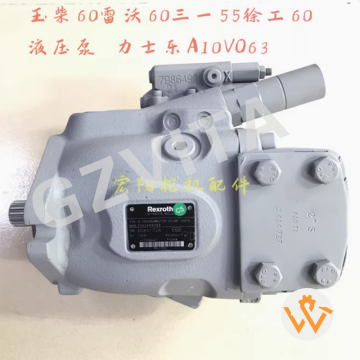
K3V63DT Hydraulic Pump for DX140 DX140LCA SY135...
2025-12-12
High-efficiency swashplate mechanism
ISO-certified manufacturing standards
Forged alloy steel rotating group
Hardened and ground cam surfaces
Precision lapped valve plates
Chromium-plated cylinder bores
High-carbon steel slipper pads
Tapered roller bearing construction
Vacuum-degassed steel components
Micro-finished hydraulic surfaces
Pressure-balanced port plates
Heat-treated alloy steel shafts
Dual-lip rotary shaft seals
Case-hardened gear teeth
Precision grinding to JIS standards
Hydrodynamic bearing design
Corrosion-resistant coating system
Vibration-analyzed balancing
Pressure-tested to 450 bar
Leakage-controlled tolerances
Temperature-cycled validation
Abrasion-resistant bushing materials
Electroplated corrosion protection
Fatigue-tested spring components
Dimensional stability guarantee
Clean-room assembly environment
Statistical process control
Batch traceability system
Kawasaki quality assurance certification
14
view
detail
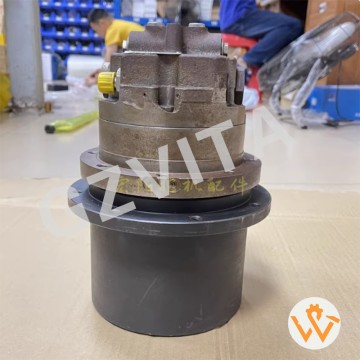
A10VO63 Hydraulic Pump A10VO63 Piston Main Pump...
2025-12-12
Variable displacement axial piston pumps (dual).
Load sensing pressure-flow compensated (LSPC) system.
Swashplate angle control for output adjustment.
Hydraulic or electro-hydraulic servo control.
Closed-center load sensing (CLSS) circuit.
Power sharing between pumps.
Pressure cut-off (PCO) function.
Horsepower matching with the engine.
Cross-sensing between pump sections.
Displacement feedback mechanism.
High-pressure rotating groups.
Stationary valve plates.
Integral charge pump for make-up flow.
Case drain and flushing circuit.
Main system relief valves.
Anti-cavitation check valves.
Pressure compensator valves.
Flow compensator valves.
Load signal network (LS lines).
Pilot pressure supply circuit.
Pump controller (electronic or hydraulic).
Proportional solenoid valves (if equipped).
Pressure transducers for control feedback.
Mounting and drive system to the engine.
Breather and case drain ports.
Filtration system for charge and case drain oil.
Temperature management via case drain flow.
Efficiency optimization logic.
Fail-safe pressure and flow limiting.
Integrated diagnostic capability.
15
view
detail
SY16C SY18C SY26 Final Drive Travel Motor Assy ...
2025-12-12
Daily visual inspection – Check for external leaks, damage, or loose connections.
Monitor hydraulic oil level and cleanliness – Ensure proper oil quality and quantity.
Check final drive oil level – Verify oil level in the reduction gearbox.
Listen for unusual noises – Grinding, knocking, or whining sounds indicate issues.
Inspect mounting bolts – Ensure all fasteners are tight and secure.
Monitor travel performance – Note any slipping, uneven movement, or loss of power.
Check for overheating – Touch the motor housing (safely) after operation.
Inspect breathers and vents – Ensure they are clean and unclogged.
Examine travel chains and sprockets – Look for excessive wear or misalignment.
Verify track tension – Proper tension reduces stress on the motor.
Avoid sharp turns on hard surfaces – Minimize stress on the travel system.
Prevent contamination – Keep the area around seals and connections clean.
Operate smoothly – Avoid sudden starts, stops, or direction changes.
Check case drain flow – Ensure minimal leakage from the drain port.
Monitor system pressure – Abnormal pressure may indicate motor or pump issues.
Inspect electrical connections – For electrically controlled motors, check wiring.
Lubricate external linkages – Grease pivot points as per manual.
Avoid continuous high-speed travel – Especially on inclines or rough terrain.
Check parking brake function – Ensure it holds securely on slopes.
Inspect anti-rotation devices – Ensure they are intact and functional.
Record operating hours – Schedule maintenance based on service intervals.
Use correct hydraulic oil – Follow manufacturer’s viscosity and grade recommendations.
Bleed air from the system – If the motor feels spongy or weak.
Check alignment with final drive – Misalignment causes premature wear.
Monitor for oil contamination – Metal particles in oil indicate internal wear.
Inspect seal surfaces – Look for scratches or damage that could cause leaks.
Avoid overloading – Do not exceed the machine’s travel capacity.
Keep travel paths clear – Remove debris that could jam the tracks or sprockets.
Train operators – Ensure proper use and early problem recognition.
Follow manufacturer’s maintenance schedule – Adhere to recommended service intervals for oil changes, filter replacements, and inspections.
16
view
detail
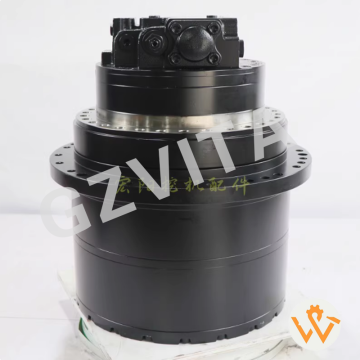
TM40 Final Drive 31N6-40050 Final Drive With Tr...
2025-12-12
Daily visual inspection – Check for external leaks, damage, or loose connections.
Monitor hydraulic oil level and cleanliness – Ensure proper oil quality and quantity.
Check final drive oil level – Verify oil level in the reduction gearbox.
Listen for unusual noises – Grinding, knocking, or whining sounds indicate issues.
Inspect mounting bolts – Ensure all fasteners are tight and secure.
Monitor travel performance – Note any slipping, uneven movement, or loss of power.
Check for overheating – Touch the motor housing (safely) after operation.
Inspect breathers and vents – Ensure they are clean and unclogged.
Examine travel chains and sprockets – Look for excessive wear or misalignment.
Verify track tension – Proper tension reduces stress on the motor.
Avoid sharp turns on hard surfaces – Minimize stress on the travel system.
Prevent contamination – Keep the area around seals and connections clean.
Operate smoothly – Avoid sudden starts, stops, or direction changes.
Check case drain flow – Ensure minimal leakage from the drain port.
Monitor system pressure – Abnormal pressure may indicate motor or pump issues.
Inspect electrical connections – For electrically controlled motors, check wiring.
Lubricate external linkages – Grease pivot points as per manual.
Avoid continuous high-speed travel – Especially on inclines or rough terrain.
Check parking brake function – Ensure it holds securely on slopes.
Inspect anti-rotation devices – Ensure they are intact and functional.
Record operating hours – Schedule maintenance based on service intervals.
Use correct hydraulic oil – Follow manufacturer’s viscosity and grade recommendations.
Bleed air from the system – If the motor feels spongy or weak.
Check alignment with final drive – Misalignment causes premature wear.
Monitor for oil contamination – Metal particles in oil indicate internal wear.
Inspect seal surfaces – Look for scratches or damage that could cause leaks.
Avoid overloading – Do not exceed the machine’s travel capacity.
Keep travel paths clear – Remove debris that could jam the tracks or sprockets.
Train operators – Ensure proper use and early problem recognition.
Follow manufacturer’s maintenance schedule – Adhere to recommended service intervals for oil changes, filter replacements, and inspections.