+86 18578756148


Top Arm Cylinder Manufacturers for Global Buyers? The answer depends on more than brand recognition. An experienced buyer must examine pressure ratings, bore diameter, rod strength, seal materials, mounting design, and expected cycle life. A cylinder working on a quarry loader faces dust, shock loads, and temperature changes. An agricultural machine may need different protection and service support.
Hydraulic engineer Anthony Esposito wrote, “Fluid power is the transmission and control of energy by means of a pressurized fluid.” This principle remains important when comparing every Arm Cylinder supplier. A reliable manufacturer should provide clear drawings, tested performance data, traceable materials, and practical maintenance guidance. Certifications can help, but they do not replace engineering evidence.
Global buyers should also assess production consistency, delivery capacity, customization support, and local parts availability. Ask how each manufacturer tests leakage, weld quality, fatigue resistance, and surface hardness. Small details matter. A poorly specified seal can stop a large machine.
Price still matters. It should not lead the decision.
Some comparisons remain imperfect because manufacturers publish data differently. Buyers may need to verify claims through samples, factory audits, or independent testing. That extra work can reveal weaknesses hidden behind polished catalogs. The strongest suppliers combine dependable manufacturing with responsive technical support. They also explain limitations honestly. For demanding applications, a slightly higher purchase cost may reduce downtime, replacement labor, and field failures. This guide introduces leading Arm Cylinder manufacturers and the practical factors global buyers should review before choosing one.
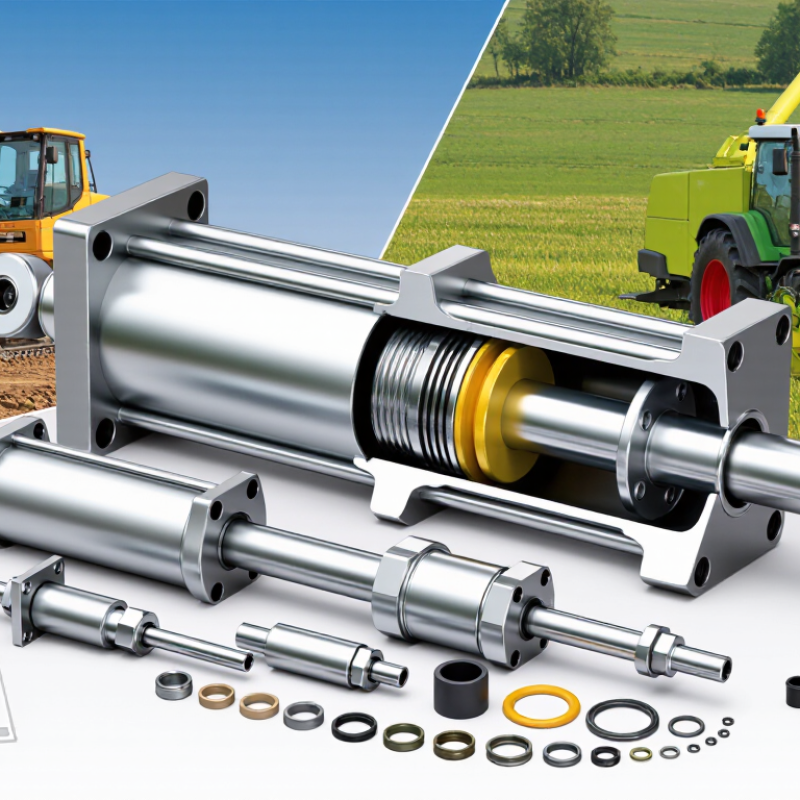
An arm cylinder is a hydraulic actuator that moves an excavator’s arm with controlled force. It usually connects between the boom and the arm through heavy mounting pins. Inside its steel barrel, pressurized hydraulic oil pushes against a piston. The piston drives a chrome-plated rod outward or pulls it inward. That linear movement changes the arm’s angle.
A control valve directs oil to either side of the piston. When oil enters the rod side, the arm retracts. When oil enters the opposite side, the arm extends. Seals keep oil inside, while guide rings support the rod and reduce uneven wear. The cylinder’s bore affects pushing force, and its rod diameter affects stability and resistance to bending. Stroke length determines the arm’s working range.
Small details matter. Buyers should verify bore, stroke, pressure rating, pin diameter, mounting width, and hose position before ordering. A cylinder can fit visually but fail under real digging loads. That happens more often than expected. Inspectors should also check rod scoring, oil leakage, loose bushings, and damaged welds. Clean hydraulic oil improves seal life, although maintenance records are often incomplete. This is an uncomfortable weakness in many purchasing decisions. A reliable supplier should provide measured specifications, pressure-test evidence, material information, and clear replacement guidance for international equipment owners.
Arm cylinders are hydraulic actuators that control lifting, folding, and positioning movements.
Their strongest demand comes from construction, agriculture, forestry, mining, recycling, and material handling.
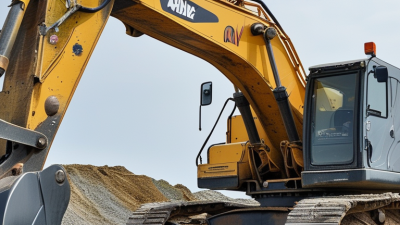
Excavators use them to raise and lower the boom or move the dipper arm. Wheel loaders depend on cylinders for bucket control and stable loading cycles.
Agricultural tractors, harvesters, and sprayers use arm cylinders for attachments, folding frames, and adjustable tools.
Forestry machines require reinforced cylinders for grapples, booms, and heavy logs. In recycling plants, hydraulic arms sort, compress, and handle uneven materials.
Telescopic handlers and truck-mounted cranes also rely on cylinders for reach and load placement. Marine equipment may use them in deck machinery, although saltwater demands stronger corrosion protection.
Tips:
Match the cylinder bore, stroke, pressure rating, and mounting style to the machine. Check rod coating, seal quality, hose routing, and side-load exposure.
Ask manufacturers for test records and clear material specifications. Field experience shows that alignment problems often cause premature wear. That detail is easy to miss.
Maintenance teams should inspect leaks, bent rods, loose pins, and unusual movement before failure occurs. Some applications need custom dimensions, but standard units can reduce replacement time. Still, choosing the cheapest option may create higher downtime and repair costs.
Top Arm Cylinder Manufacturers for Global Buyers
How to Evaluate Arm Cylinder Manufacturers Worldwide
A strong arm cylinder supplier needs more than attractive pricing. Check bore diameter, stroke length, mounting geometry, seal material, and rated pressure against your machine’s duty cycle. Grand View Research estimated the global hydraulic cylinder market at about USD 15 billion in 2023, with continued growth through 2030. This expansion increases choice, but it also complicates technical screening.
Request pressure-test records for every production batch. Confirm whether the manufacturer follows ISO 4413 for hydraulic system safety and maintains ISO 9001 quality procedures. Certification alone is not enough. Ask for calibration dates, material certificates, surface-hardness results, and weld inspection records. Small omissions matter.
Review real operating evidence. A supplier should provide fatigue data, rod-plating specifications, seal-temperature limits, and failure analysis from comparable excavators. The 2024 Off-Highway Research outlook continues to show strong equipment demand in construction and agriculture, where vibration and contamination punish weak designs. Ask about spare seals, replacement rods, warranty response, and regional technical support. Delivered cost is not purchase price. It includes downtime, freight, installation, and rejected parts.
Use a sample cylinder before signing a large contract. Measure leakage after repeated cycles. Inspect the rod after exposure to dust, water, and temperature changes. I would also score communication speed, although that judgment can be imperfect. A polished factory tour may hide inconsistent production. Independent inspection remains worth the expense.
When selecting top arm cylinder manufacturers for global buyers, certifications should support real production evidence. ISO 9001 indicates a controlled quality system, but it does not guarantee flawless cylinders. Ask for the certificate scope, issue date, and audited facility. A valid document should match the factory making your order.
Reliable manufacturers also provide material traceability, drawing control, and pressure-test records. Look for documented checks on bore size, rod straightness, seal installation, and weld quality. For demanding applications, ISO 14001 and ISO 45001 can show structured environmental and workplace management. Relevant welding qualifications matter too. However, certification lists can look impressive while hiding weak process control. That deserves careful review.
Tips: Request a sample inspection report before approving production. Confirm testing pressure, holding time, and acceptance limits. Ask how rejected parts are isolated. Check whether each cylinder receives a serial number linked to material records. During a factory visit, inspect the clean assembly area and observe testing procedures. Photos help, but live evidence is better. I have seen suppliers present polished certificates while offering incomplete traceability. That is not always fraud, but it is a warning. Also, standards vary by application, so copying another buyer’s checklist may create gaps. A practical audit should connect certification, engineering controls, and the cylinder’s actual working conditions.
| Manufacturing Standard or Certification | Scope and Technical Meaning | Relevance to Arm Cylinders | Buyer Priority | Evidence to Request from a Manufacturer | Key Verification Point |
|---|---|---|---|---|---|
| ISO 9001:2015 Quality Management Systems |
Defines requirements for a quality management system covering processes such as design control, purchasing, production, inspection, corrective action, and customer feedback. | Helps control dimensional consistency, material traceability, machining quality, assembly procedures, and nonconforming-product management. | Essential | Current certificate, certification scope, issuing body, certificate number, and audit validity. | Confirm that the certificate scope includes hydraulic or pneumatic cylinder design and manufacturing rather than only trading or general administration. |
| ISO 14001:2015 Environmental Management Systems |
Provides a framework for managing environmental responsibilities, legal compliance, resource use, waste, emissions, and continual improvement. | Relevant where buyers assess environmental performance of steel processing, plating, painting, heat treatment, hydraulic-fluid handling, and waste management. | Important | Valid certificate, environmental scope, recent audit status, and documented environmental objectives. | Check whether the certificate applies to the actual production site supplying the cylinders. |
| ISO 45001:2018 Occupational Health and Safety |
Sets requirements for managing workplace hazards, worker safety, legal obligations, incident prevention, and continual improvement. | Indicates that manufacturing risks involving machining, welding, pressure testing, lifting, coating, and chemical handling are managed systematically. | Important | Current certificate, site scope, audit information, and occupational health and safety policy. | Distinguish a site-specific certification from a certificate covering only a corporate office. |
| ISO 4413:2010 Hydraulic Fluid Power — General Rules and Safety Requirements |
Provides general rules and safety requirements for hydraulic systems and their components, including design, installation, operation, maintenance, and documentation. | Useful for evaluating cylinder interfaces, pressure-related risks, hose and port connections, contamination control, guarding, and system integration. | Essential for Hydraulic Applications | Design review records, application guidelines, installation instructions, safety documentation, and conformity statements where applicable. | Verify that the cylinder is assessed as part of the complete hydraulic system and is suitable for the specified pressure, load, speed, and duty cycle. |
| ISO 6020-1 / ISO 6020-2 Hydraulic Cylinders — Medium and Compact Series |
Defines dimensional requirements for selected hydraulic cylinder series, including mounting dimensions and interface characteristics. | Supports interchangeability and easier replacement when the application uses a recognized metric cylinder series. | Conditional | Dimensional drawings, tolerance tables, mounting specifications, and a statement identifying the applicable series. | Do not assume compliance from the outside appearance; compare mounting, port, rod, bore, and envelope dimensions with the standard. |
| ISO 6022 Hydraulic Cylinders — Heavy-Duty Series |
Specifies dimensions for selected heavy-duty hydraulic cylinders intended for demanding industrial applications. | Important for high-force machinery, steel equipment, presses, heavy material handling, and applications requiring standardized heavy-duty mounting dimensions. | Conditional | Heavy-duty series drawings, rated-pressure information, mounting details, and dimensional inspection records. | Check the exact series, nominal pressure, mounting configuration, and whether the product is standardized or custom-built. |
| EN 10204:2004 Metallic Products — Inspection Documents |
Defines types of inspection documents, including declarations of compliance and inspection certificates based on specific or non-specific inspection. | Supports material traceability for tube, rod, piston, gland, welded components, and other pressure-bearing or wear-critical parts. | Essential for Critical Applications | Material certificates, heat or batch numbers, inspection results, and traceability records linked to the cylinder serial number. | Ensure material documents identify the applicable material grade and can be traced to the supplied production batch. |
| PED 2014/68/EU Pressure Equipment Directive |
European Union legislation for pressure equipment and assemblies with a maximum allowable pressure greater than 0.5 bar, subject to its scope and exclusions. | May apply when a cylinder is classified as pressure equipment or forms part of an applicable pressure assembly placed on the European market. | Application-Dependent | Pressure Equipment Directive classification, conformity assessment documentation, technical file information, and declaration where applicable. | Ask for a written applicability assessment; not every hydraulic cylinder requires the same PED conformity route. |
| Machinery Safety Requirements Applicable Market Legislation |
Requirements for machinery safety, risk assessment, instructions, guarding, control interfaces, and documentation vary according to the destination market and product role. | A cylinder is commonly a component within machinery, so its safe use depends on the complete machine design and the manufacturer's technical information. | Essential for Machine Integration | Declaration or conformity information where applicable, risk-related technical data, installation instructions, and maintenance requirements. | Confirm who is responsible for final machine conformity: the component supplier, machine builder, or system integrator. |
| REACH and RoHS Requirements Substance and Material Compliance |
REACH addresses chemical substances in the European market; RoHS restricts specified hazardous substances in certain electrical and electronic equipment. | REACH information may be relevant to coatings, seals, lubricants, and supplied articles. RoHS is generally relevant only when the cylinder is part of applicable electrical or electronic equipment. | Application-Dependent | Material declarations, supplier declarations, coating and seal information, and laboratory reports when required by the project. | Check the destination market and the legal status of the finished machine before requesting RoHS evidence for a purely hydraulic component. |
| Welding Quality Controls ISO 3834 / Qualified Welding Procedures |
ISO 3834 addresses comprehensive quality requirements for fusion welding of metallic materials. Welding procedure qualification and welder qualification may also be required by the application. | Relevant to welded cylinder barrels, clevises, brackets, ports, and custom assemblies exposed to pressure, cyclic loads, or structural forces. | Important for Welded Designs | Welding quality certification, qualified welding procedures, welder qualifications, weld maps, and inspection records. | Confirm the inspection method, acceptance criteria, and traceability for welds that carry pressure or structural loads. |
| Functional and Pressure Testing Manufacturer Test Procedure |
Production testing should verify pressure integrity, leakage behavior, stroke, cushioning, ports, and functional performance against the approved specification. | Directly affects safety, reliability, seal life, commissioning time, and the risk of early field failure. | Essential | Pressure-test procedure, test pressure and duration, acceptance criteria, calibration records, and signed test report for each batch or unit as agreed. | Specify test conditions in the purchase order, including working pressure, test pressure, medium, holding time, leakage limits, and sampling plan. |
| Calibration Management ISO 17025-Traceable Measurement |
ISO/IEC 17025 applies to the competence of testing and calibration laboratories. Traceable measurement requires calibrated equipment linked to recognized measurement standards. | Supports reliable measurement of bore, rod diameter, concentricity, surface finish, pressure, leakage, and force-related test parameters. | Important | Calibration certificates, equipment identification, calibration intervals, measurement uncertainty where relevant, and laboratory accreditation details. | Check that the instruments used for final inspection were within calibration at the time of testing. |
| Technical Documentation Drawing and Change Control |
A controlled technical file should identify specifications, revisions, materials, tolerances, inspection points, operating limits, and approved changes. | Reduces errors during sourcing, installation, maintenance, repeat orders, and replacement of custom arm cylinders. | Essential | Revision-controlled drawings, datasheets, bills of materials, installation instructions, spare-parts lists, and change-notification procedures. | Ensure the delivered cylinder matches the approved drawing revision and that design changes require prior customer approval. |
| After-Sales and Traceability System Serial and Batch Identification |
Product identification links each cylinder to its design revision, materials, inspection records, production date, and replacement-part information. | Improves warranty handling, root-cause analysis, field service, and repeat procurement for global equipment fleets. | Important | Serial-number format, nameplate information, production records, warranty terms, service instructions, and response-time commitments. | Confirm that seals and critical replacement parts can be identified from the cylinder serial number or batch code. |

Global buyers should compare arm cylinder manufacturers by evidence, not attractive catalog images. Request drawings, material grades, bore and rod dimensions, stroke length, mounting details, and operating pressure. A reliable supplier should explain tolerances, seal selection, surface treatment, and testing procedures clearly. Ask for inspection records and a sample cylinder before placing a large order.
Compare more than the unit price. Review minimum order quantities, production capacity, lead time, packaging, shipping terms, and replacement support. A low quotation may exclude testing, export packaging, or inland delivery. Check whether the supplier can maintain consistent dimensions across repeated batches. Small differences can create installation problems. I have seen buyers overlook port sizes and regret it later. That mistake is easy to prevent.
Tips: Prepare a complete technical sheet with drawings, photos, and working conditions. Ask each supplier identical questions. Compare written answers in one table. Confirm payment stages, delivery dates, warranty coverage, and the process for handling defects. Consider a pre-shipment inspection, even when the order seems simple. It adds cost. It may prevent a larger loss. Do not rely only on certificates; verify the actual test scope and date. Before approval, review a signed purchase order carefully, including tolerances, labels, packing requirements, and destination details. Supplier communication matters too. Delayed replies may signal future coordination problems.
How global buyers can compare suppliers and place orders by checking the cylinder’s rated pressure against the intended hydraulic system.
Common hydraulic cylinder pressure classes include 70, 140, 210, 250, and 350 bar. Buyers should verify the supplier’s rated pressure, test pressure, bore and rod dimensions, mounting style, seal material, stroke, certification, and delivery terms before placing an order.