
 +86 18578756148






0102030405
Products
01
view
detail
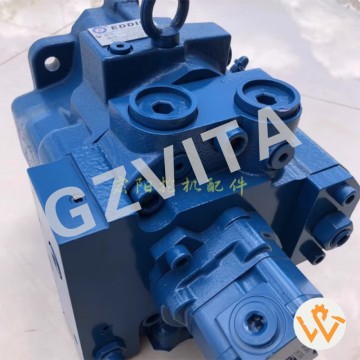
Excavator Parts for Doosan Daewoo 80GO Hyundai ...
2025-12-11
Maximum pressure capability
Pressure compensation function
Load sensing pressure control
Pressure cut-off adjustment
Pressure relief valve setting
System pressure regulation
Differential pressure control
Pressure holding capability
Pressure spike protection
Pressure override function
Pilot pressure supply
Case pressure limitation
Suction pressure requirement
Return line back pressure
Pressure transducer feedback
Pressure gradient control
Hydraulic lock pressure
Pressure sequencing function
Pressure balancing mechanism
Pressure decay rate
Pressure ripple limitation
Pressure transient response
Pressure-dependent displacement
Pressure hysteresis control
Pressure equalization feature
Pressure margin maintenance
Pressure-dependent flow
Pressure overload protection
Pressure stability performance
02
view
detail
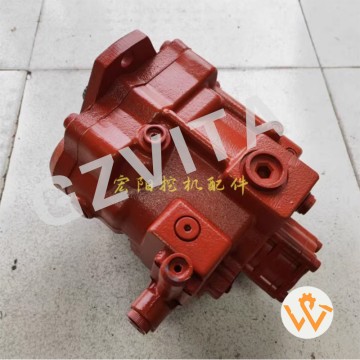
KX 151 153 155-5 161 ZX200 EX200 B0610-54009 Ma...
2025-12-11
Fixed displacement axial piston design
Dual hydraulic pump configuration
Heavy-duty industrial construction
Precision ground cam surface
Hardened alloy steel cylinders
Chromium-plated piston surfaces
Pressure-balanced valve plate
Tapered roller bearing support
High-pressure operation capability
Constant flow output characteristic
Robust cast iron housing
Sintered bronze bushing design
Mechanical drive shaft connection
Port and flange mounting options
ISO standard mounting dimensions
Pressure-balanced piston design
Low noise operation characteristic
Efficient volumetric performance
Reliable sealing system
Minimal internal leakage design
Wide viscosity range compatibility
Corrosion-resistant surface treatment
Precision machined components
Balanced rotating group assembly
Shock load resistant construction
Temperature-stable performance
Easy maintenance accessibility
Interchangeable cartridge design
Factory pre-tested and calibrated
Proven reliability in mobile equipment
03
view
detail
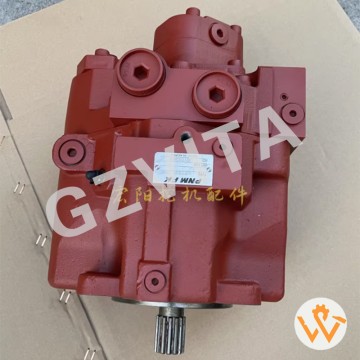
AP2D36 Hydraulic Main Pump for DH80G DX80 DX75-...
2025-12-11
Fixed displacement axial piston design
Dual hydraulic pump configuration
Heavy-duty industrial construction
Precision ground cam surface
Hardened alloy steel cylinders
Chromium-plated piston surfaces
Pressure-balanced valve plate
Tapered roller bearing support
High-pressure operation capability
Constant flow output characteristic
Robust cast iron housing
Sintered bronze bushing design
Mechanical drive shaft connection
Port and flange mounting options
ISO standard mounting dimensions
Pressure-balanced piston design
Low noise operation characteristic
Efficient volumetric performance
Reliable sealing system
Minimal internal leakage design
Wide viscosity range compatibility
Corrosion-resistant surface treatment
Precision machined components
Balanced rotating group assembly
Shock load resistant construction
Temperature-stable performance
Easy maintenance accessibility
Interchangeable cartridge design
Factory pre-tested and calibrated
Proven reliability in mobile equipment
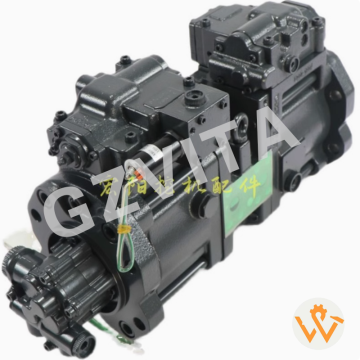
04
view
detail
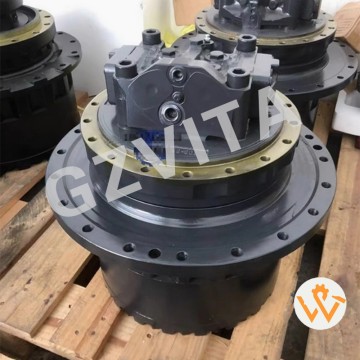
K5V80DT-9N-12T K5V80DTP-9N K5V80DTP-9N61 K5V80D...
2025-12-11
Maximum pressure capability
Pressure compensation function
Load sensing pressure control
Pressure cut-off adjustment
Pressure relief valve setting
System pressure regulation
Differential pressure control
Pressure holding capability
Pressure spike protection
Pressure override function
Pilot pressure supply
Case pressure limitation
Suction pressure requirement
Return line back pressure
Pressure transducer feedback
Pressure gradient control
Hydraulic lock pressure
Pressure sequencing function
Pressure balancing mechanism
Pressure decay rate
Pressure ripple limitation
Pressure transient response
Pressure-dependent displacement
Pressure hysteresis control
Pressure equalization feature
Pressure margin maintenance
Pressure-dependent flow
Pressure overload protection
Pressure stability performance
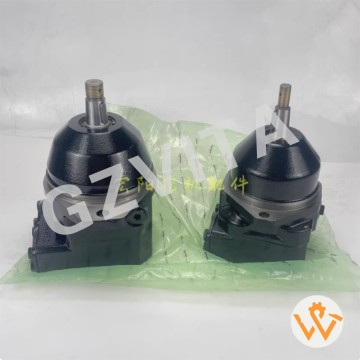
05
view
detail
Excavator Accessories Suitable DX700 DX800 Fan ...
2025-12-11
Hydraulic fan drive power source – Provides hydraulic power specifically for cooling fan operation.
Cooling system pressure generation – Creates the necessary hydraulic pressure to drive the fan motor.
Variable fan speed control – Allows for infinitely variable fan speed based on cooling demand.
Independent cooling circuit operation – Operates separately from the main implement hydraulic circuits.
Temperature-responsive cooling – Adjusts fan speed according to coolant/hydraulic oil temperature.
Engine load reduction – Offloads fan drive duty from the mechanical engine fan, reducing parasitic power loss.
Fuel efficiency improvement – Consumes power only when cooling is needed, saving fuel.
Noise reduction – Allows for slower, quieter fan operation when full cooling is not required.
Radiator airflow management – Controls airflow through the radiator and charge air cooler.
Cab ventilation support – May also assist in providing airflow for cab air conditioning condenser.
Hydraulic oil cooling enhancement – Manages airflow over the hydraulic oil cooler.
Charge air cooling regulation – Controls cooling of turbocharged intake air via the charge air cooler.
Engine overheating prevention – Increases fan speed to maximum when coolant temperature is critically high.
Reverse fan function (if equipped) – Can reverse airflow to clear debris from coolers.
Pilot pressure supply – May provide pilot pressure for fan control valves.
On-demand cooling activation – Engages only when temperature thresholds are reached, unlike a constantly engaged mechanical fan.
Energy-efficient operation – Reduces overall system energy consumption compared to fixed-speed fans.
Multiple cooler airflow coordination – Simultaneously manages airflow for radiator, hydraulic oil cooler, and charge air cooler.
Electronic control interface – Typically controlled by the machine's ECU based on sensor inputs.
Proportional solenoid control – Uses a proportional solenoid to vary pump displacement and thus fan speed.
System pressure maintenance – Maintains a dedicated pressure supply for the fan circuit.
Fast response to temperature changes – Reacts quickly to sudden increases in engine or hydraulic load.
Fan speed soft start/stop – Gradually increases/decreases speed to reduce shock on the system.
Fail-safe cooling mode – Defaults to maximum cooling speed if a control system fault is detected.
Ambient temperature compensation – Adjusts operation based on outside air temperature.
Engine protection feature – A critical component in preventing engine and hydraulic system thermal damage.
Hydraulic circuit isolation – Prevents fan operation from interfering with implement hydraulic functions.
Reduced mechanical complexity – Eliminates belts, tensioners, and viscous clutches associated with mechanical fans.
Extended component life – By preventing overheating of the engine, transmission, and hydraulic components.
Overall machine performance optimization – Maintains optimal operating temperatures for maximum efficiency, power, and longevity of all major systems.
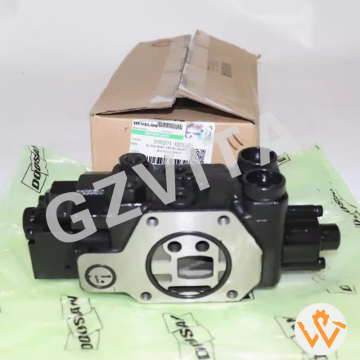
06
view
detail
100201-02012 STAR ZEBRA Doosan DiWanlun Left Wa...
2025-12-11
Main hydraulic control valve – Directs system flow to all functions.
Parallel hydraulic circuit design – Allows simultaneous operation of multiple functions.
Load-sensing system integration – Works with pumps to deliver on-demand flow.
Pressure compensator spools – Maintains consistent speed under varying loads.
Pilot-operated control – Uses low-pressure signals for precise valve actuation.
Independent metering control – Manages oil flow to both sides of cylinders.
Boom regeneration circuit – Improves lowering speed and efficiency.
Arm regeneration circuit – Enhances arm retraction speed and energy savings.
Swing priority function – Diverts flow to swing during combined operations.
Anti-cavitation valves – Prevents vacuum formation in cylinders.
Cross-line relief valves – Protects circuits from shock loads during abrupt stops.
Make-up valve function – Supplies oil to prevent vacuum during fast cylinder movement.
Attachment flow control (if equipped) – Regulates oil to auxiliary hydraulic lines.
Pressure cut-off adjustment – Controls maximum system pressure.
Joystick signal interface – Connects operator controls to hydraulic spools.
Fine control characteristics – Allows precise movements for grading and finishing.
Detent mechanism (for certain functions) – Locks valves for continuous operation.
Neutral bypass passage – Directs unused pump flow back to tank with minimal pressure.
Port relief valves – Protect individual cylinders from overpressure.
Load check valves – Hold cylinder positions when levers are in neutral.
Stackable modular design – Simplifies maintenance and function expansion.
Cast iron or ductile iron body – Provides durability and pressure resistance.
Hardened steel spools and sleeves – Ensures long service life with minimal leakage.
Integrated test ports – For system diagnostics and pressure measurement.
Float function capability – Allows attachment to follow ground contours.
Return line to hydraulic tank – Channels spent oil back for cooling and filtration.
Compatibility with load-sensing pumps – Forms efficient closed-center system.
Shock absorption design – Reduces hydraulic hammer during valve shifting.
Multi-function parallel operation – Enables smooth combined movements.
Core hydraulic management component – Essential for all excavator digging, lifting, and swing operations.
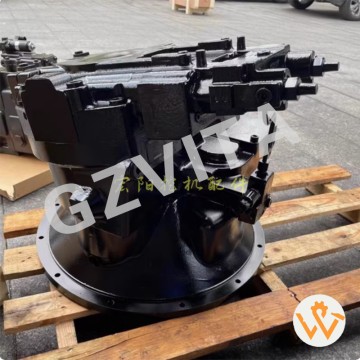
07
view
detail
Doosan DX500 520-9C 530-9 Hydraulic Pump Assemb...
2025-12-11
Intelligent Total Control System (ITCS)
Load-sensing proportional control
Dual variable displacement piston pumps
Electronic pump displacement control
Closed-center hydraulic circuit
Pressure-flow compensation technology
Hydraulic horsepower optimization
Energy-saving main control valve
Advanced regeneration circuits
Smart power mode selection
Independent travel motor circuits
Swing priority function
Attachment flow control system
Electronic throttle control integration
Hydraulic oil cooling optimization
Automatic idle reduction system
Precise joystick control response
Low-noise hydraulic component design
Enhanced fuel efficiency
Reduced hydraulic heat generation
Intelligent work mode selection
Hydraulic system self-diagnosis
Pump torque limiter protection
Smooth combined operation capability
Attachment flow sharing control
Electronic pressure regulation
08
view
detail
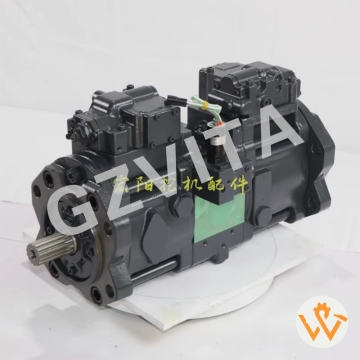
Professional Hydraulic Pump K3V112DTP-9N14 PTO ...
2025-12-11
High-efficiency swashplate mechanism
ISO-certified manufacturing standards
Forged alloy steel rotating group
Hardened and ground cam surfaces
Precision lapped valve plates
Chromium-plated cylinder bores
High-carbon steel slipper pads
Tapered roller bearing construction
Vacuum-degassed steel components
Micro-finished hydraulic surfaces
Pressure-balanced port plates
Heat-treated alloy steel shafts
Dual-lip rotary shaft seals
Case-hardened gear teeth
Precision grinding to JIS standards
Hydrodynamic bearing design
Corrosion-resistant coating system
Vibration-analyzed balancing
Pressure-tested to 450 bar
Leakage-controlled tolerances
Temperature-cycled validation
Abrasion-resistant bushing materials
Electroplated corrosion protection
Fatigue-tested spring components
Dimensional stability guarantee
Clean-room assembly environment
Statistical process control
Batch traceability system
Kawasaki quality assurance certification
09
view
detail
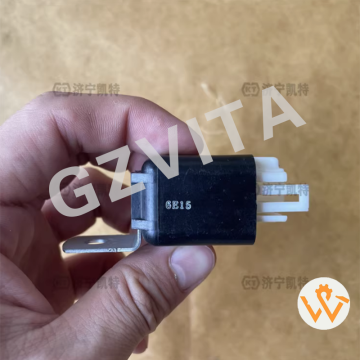
Komatsu Relay PC210 PC270 D155AX 198-911-9240 1...
2025-12-11
Electrical load isolation
Low-current control
Compressor clutch engagement
Circuit protection
Signal amplification
System voltage stabilization
Safety interlock function
Thermal overload protection
Reduced switch wear
Electrical noise suppression
Operating mode switching
Pressure switch interface
Evaporator temperature control
Engine load management
Diagnostic access point
Modular replacement
Electrical isolation of control unit
Provision for manual override
Dual-speed fan control
Key-off delay
Power distribution point
Electrical fault containment
Enhanced system reliability
Energy efficiency optimization
Remote activation capability
Sequential startup control
Visual status indication
Voltage spike protection
Compatibility with diagnostic tools
System integration hub
10
view
detail
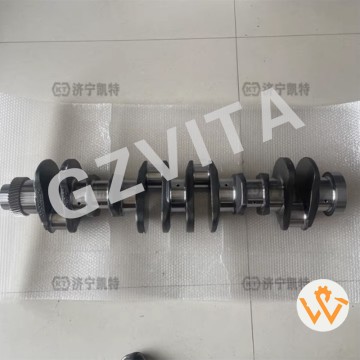
Genuine Quality 6CT 8.3L 6CT8.3 6D114 Engine Cr...
2025-12-11
Forged alloy steel construction
SAE 4140/4340 chromium-molybdenum steel
Vacuum-degassed steel refining
High carbon content for strength
Nickel-chromium-molybdenum alloying
Ultrasonic testing for internal defects
Induction-hardened journal surfaces
Precision grinding to micron tolerances
Nitrided bearing surfaces
Shot-peened fillet radii
Dynamic balancing to ISO standards
Micro-alloyed steel composition
Fine-grained martensitic structure
Tempered core toughness
High fatigue strength design
Surface hardness 55-62 HRC
Core hardness 28-35 HRC
Magnetic particle inspected
Phosphate coating for run-in
Counterweight integrally forged
Oil passage drillings with chamfered edges
Stress-relieved heat treatment
Crankshaft journal taper and ovality control
Journal surface finish Ra 0.2-0.4μm
Flame-hardened option for specific applications
Residual stress optimization
Fatigue-resistant metallurgical design
Corrosion-resistant phosphate layer
Dimensional stability through processing
Cummins ES-series material specification compliance
11
view
detail
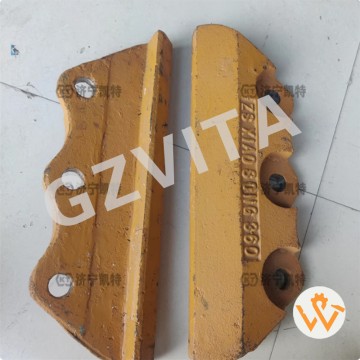
Wholesale Alloy Steel Cat Bucket Side Protector...
2025-12-11
-
Heavy-duty reinforced construction
-
Ultra-high-strength steel plates
-
Fully-welded box-section design
-
Impact-resistant wear edges
-
Articulated wear-protection side cutters
-
Forged alloy steel hinge bushings
-
Robotically welded stress zones
-
Certified premium-grade abrasion steel
-
Precision-ground bucket teeth adapters
-
Multi-layer impact pad reinforcement
-
Factory-calibrated digging angle geometry
-
Military-grade steel alloy composition
-
Non-deforming stressed arc welds
-
Field-tested rock penetration capability
-
Extended service life guarantee
-
High-density wear-resistant hard-facing
-
Optimal weight-to-strength ratio
-
Triple-reinforced main weld seams
-
Thermal stress-relieved frame components
-
Proprietary steel hardening process
-
Computer-optimized load distribution
-
Indestructible forged steel hinge pins
-
Industry-leading breakout force rating
-
Zero-tolerance manufacturing precision
-
Shock-absorbing reinforced back plate
-
High-yield tensile steel construction
-
Radiographic weld integrity testing
-
Patented wear component technology
12
view
detail
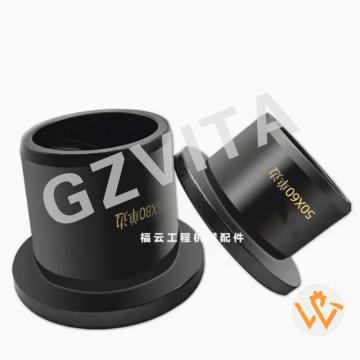
Genuine PC360 Bushing ARM Bushing 207-70-72460
2025-12-11
High-strength bronze alloy composition
Continuous-cast metallurgical structure
Precision-honed internal diameter
Uniform wall thickness tolerance
Oil-impregnated self-lubricating design
High-load bearing capacity
Exceptional impact resistance
Engineered thermal expansion coefficient
Minimal clearance fit precision
Double-lip grease retention grooves
Hardened steel backing reinforcement
Corrosion-resistant surface treatment
ISO-certified dimensional accuracy
High-temperature performance stability
Shock-absorbing micro-cellular structure
Uniform graphite distribution
Anti-galling protective coating
Low-friction polymer composite
Crush-resistant alloy formulation
Radial load optimization design
Vibration-dampening internal structure
Factory-preloaded clearance setting
Multi-axis machining precision
Thermal conductivity enhancement
Electroplated nickel barrier layer
Hydrodynamic lubrication channels
Stress-relieved heat treatment
Ultrasonic cleaning prior to assembly
Batch-tested hardness consistency
Documented metallurgical certification
13
view
detail
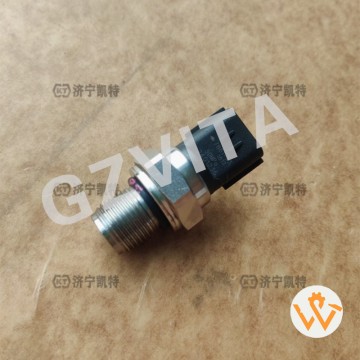
7861-93-1812 New High Pressure Sensor for KOMAT...
2025-12-11
High-precision Hall-effect sensing
Millivolt-level signal accuracy
Temperature-compensated circuitry
High-pressure fuel compatible sealing
Vibration-resistant epoxy encapsulation
Sapphire-reinforced sensing diaphragm
Laser-trimmed calibration resistors
Gold-plated contact terminals
EMI/RFI shielded housing
Submicron position sensing resolution
Thermal shock resistant construction
Hermetically sealed semiconductor core
Diesel-fuel immersion rating
Piezoresistive strain gauge technology
Autoclave-tested moisture resistance
Titanium alloy sensing probe
Frequency-response optimized design
Quad-redundant signal verification
Cryogenic-to-high-temperature operability
Nano-coated corrosion protection
MEMS fabrication precision
ISO 16750 environmental compliance
Self-diagnostic capability integration
Pressure-cycling fatigue tested
Zero-drift amplifier circuitry
Military-grade shock survivability
Fiber-optic signal transmission option
ASIC-based signal processing
Traceable calibration certification
14
view
detail
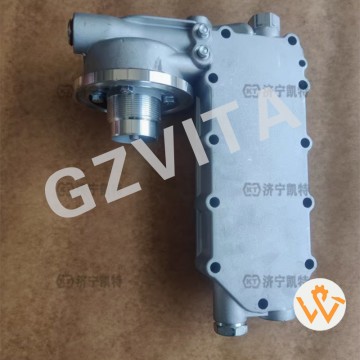
Genuine Parts OEM Engine Parts PC360-8 PC380-10...
2025-12-11
Aluminum alloy core – Primary heat transfer material (typically 3003/5052 alloy).
Brazed aluminum fins – High-surface-area fins for efficient heat dissipation.
Aluminum header tanks/end caps – For oil inlet/outlet distribution.
Stainless steel tube inserts – At critical connection points for wear resistance.
Brass or copper-nickel alloy tubes – In some heavy-duty variants for corrosion resistance.
High-frequency welded fins – Bonded to tubes for optimal thermal conductivity.
Epoxy-coated aluminum – Optional corrosion protection on external surfaces.
Zinc-chromate primer – Anti-corrosion coating on bare aluminum.
Silicon gasket material – For sealing between core and tanks.
Nitrile rubber seals – For port connections and mounting brackets.
Steel mounting brackets – For secure engine block attachment.
Anodized aluminum surface – Enhanced corrosion and wear resistance.
Polyamide plastic side plates – In some designs for structural support.
Brass drain plug – For oil drainage during service.
Copper-based brazing alloy – Joins fins, tubes, and headers (e.g., CuP-6).
Phosphated steel fasteners – For corrosion-resistant assembly.
Glass-reinforced plastic end tanks – In lighter-weight composite designs.
Nickel-plated steel fittings – For enhanced corrosion protection at ports.
Extruded aluminum tubes – Seamless construction for pressure integrity.
Corrugated aluminum fin design – Turbulence-enhancing geometry for better cooling.
Pressure-resistant alloy core – Rated for engine oil system pressure (typically 4-8 bar).
Lead-free solder materials – For environmental compliance in brazing.
Powder-coated steel brackets – Durable finish on mounting components.
High-purity aluminum – Minimizes impurities for optimal heat transfer.
Silicon-bronze alloy brazing filler – Used in high-strength joints.
Stainless steel reinforcement bands – On large-core radiators for vibration resistance.
Aluminum-silicon alloy fins – Improved strength at elevated temperatures.
Electro-galvanized steel parts – For brackets and protective covers.
Fluorocarbon coating – Optional hydrophobic coating for debris shedding.
15
view
detail
207-27-00440 207-27-00261 207-27-00560 207-27-0...
2025-12-11
Machine mobility – Enables forward, reverse, and turning movement of the excavator.
Undercarriage core component – Forms the base structure that supports the entire upper machine.
Track system support – Provides the framework for mounting track chains, rollers, and idlers.
Ground pressure distribution – Spreads the machine's weight over a large area via the track shoes.
Final drive mounting platform – Houses and supports the travel reduction gearboxes (final drives).
Travel motor attachment point – Connects the hydraulic travel motors to the drive sprockets.
Track tensioning system foundation – Incorporates the idler and tensioning mechanism for proper track adjustment.
Carrier roller and track roller support – Includes brackets and axles for the rollers that guide and support the track chain.
Shock absorption – The structure and suspension help absorb impacts from uneven terrain.
Load transfer – Transmits working forces from the upper structure to the ground through the tracks.
Stability provision – A wide, robust undercarriage provides a stable platform for digging and lifting.
Swing bearing support – The center frame (part of the assembly) supports the upper structure swing bearing.
Gradability enablement – Allows the machine to climb and descend slopes.
Turning capability – Differential track speed control (via independent motors) facilitates pivot and gradual turns.
Floatation on soft ground – Wide tracks reduce ground pressure, preventing sinking in mud or sand.
Durability for rough terrain – Built to withstand rocks, debris, and harsh job site conditions.
Alignment maintenance – Keeps track chains aligned to prevent derailment and excessive wear.
Vibration damping – Reduces vibration transmission from the ground to the operator's cab.
Counterweight support base – The strong frame bears the weight and leverage of the rear counterweight.
Service access platform – Allows mechanics access to components for maintenance and repair.
Component protection – Encloses and protects drive motors, brakes, and hydraulic lines within the track frame.
Integration point for track guides – Mounts the guides that keep the track chain on the rollers and sprockets.
Hydraulic line routing structure – Provides protected channels for travel circuit hydraulic hoses.
Brake system integration – Incorporates travel parking and service brake mechanisms.
Equalizer bar pivot point (if equipped) – Allows one track to articulate for better ground contact.
Heat dissipation – Metal mass helps dissipate heat from the final drives and motors.
Sound dampening – Helps contain and reduce operational noise.
Sprocket protection – The frame partially shields the drive sprocket from direct impacts.
Containment for lubrication – Sealed compartments retain grease and oil in rollers and idlers.
Overall structural integrity – Essential for connecting all lower components into a cohesive, functional unit that defines the machine's ground engagement capability.
16
view
detail
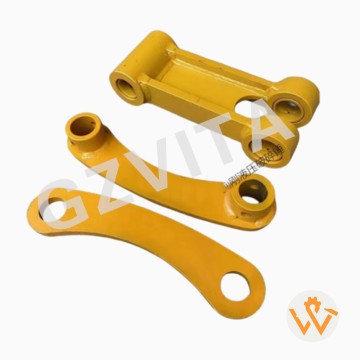
Top Quality Excavator Parts for Komatsu PC60 PC...
2025-12-11
Main structural backbone – Connects the upper structure to the undercarriage.
Torsional rigidity provider – Resists twisting forces during digging and lifting.
Load distribution center – Transfers working loads from the front attachment to the tracks.
Swing bearing mounting platform – Supports the swing bearing and upper structure.
Hydraulic component foundation – Provides mounting points for pumps, valves, and tanks.
Counterweight support – Bears the weight and inertia of the counterweight.
Operator cab anchor point – Forms the rigid base for the cab mounting.
Engine and transmission support – Cradles the powertrain components.
Track frame connection interface – Links to the track frames via bolts or welds.
Shock absorption structure – Helps dampen operational impacts.
Machine alignment reference – Maintains parallelism between track frames.
Central fuel/tank support – Often supports the main fuel and hydraulic tanks.
Ground clearance determinant – Its height defines the machine's minimum clearance.
Service platform – Provides a stable base for maintenance activities.
Weight distribution balancer – Centralizes mass for stability.
Bucket movement control – Connects the boom/arm to the bucket for curling/dumping.
Mechanical force multiplication – Amplifies hydraulic cylinder force for digging.
Parallel lifting mechanism – Maintains bucket angle during lifting (in certain designs).
Load transfer path – Transfers digging forces from the bucket to the boom and frame.
Attachment interface – Provides pivot points for quick couplers or specialized tools.
Kinematic motion guide – Determines the bucket's digging and dumping trajectory.
Operator feedback provider – Gives the operator a "feel" of the digging resistance.
Wear component localization – Concentrates wear on replaceable pins and bushings.
Safety link – Designed as a weaker point to protect more expensive components.
Bucket positioner – Holds the bucket in a fixed position when cylinders are locked.
Shock transmission medium – Transmits impact loads from the bucket to the frame.
Quick-change adaptation – Allows for different bucket types and sizes.
Mechanical advantage adjustment – Different linkage geometries change force/speed ratio.
Structural redundancy – Shares loads across multiple pivot points.
Visual operation indicator – Its movement clearly shows the bucket's action to the operator